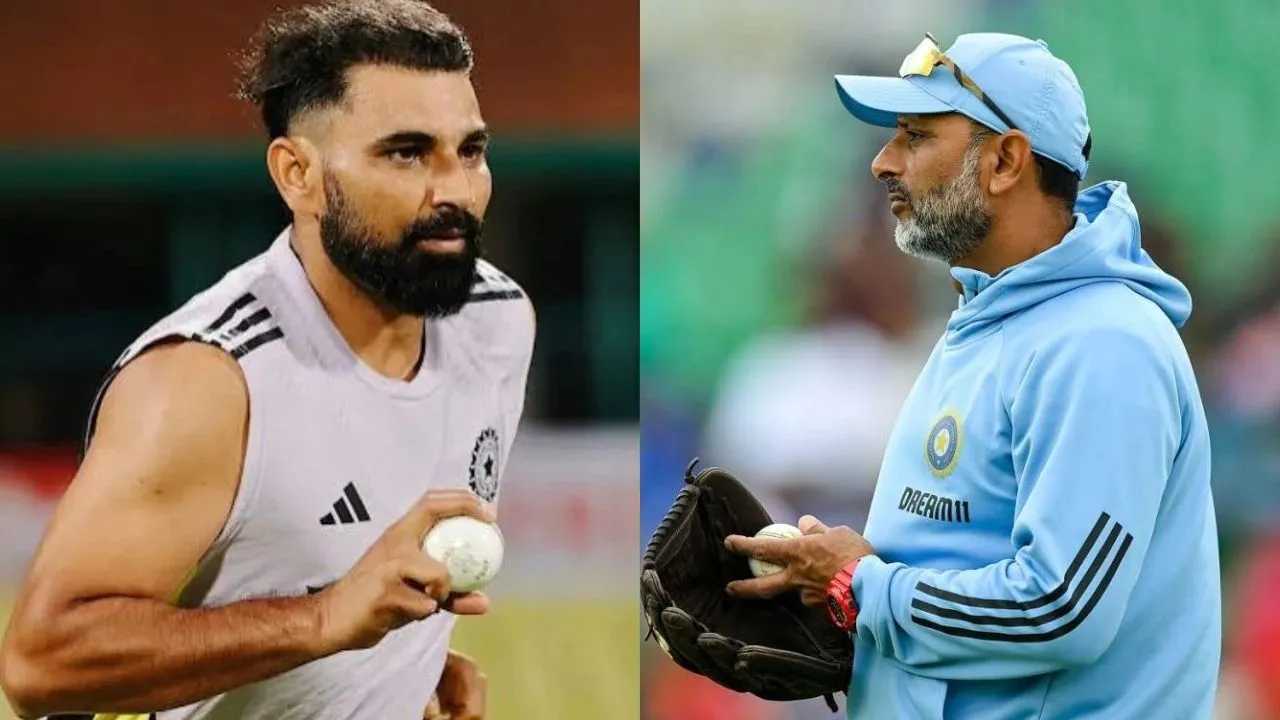
“India lost to Ireland”: Mohsin Naqvi fires back to defend Pakistan
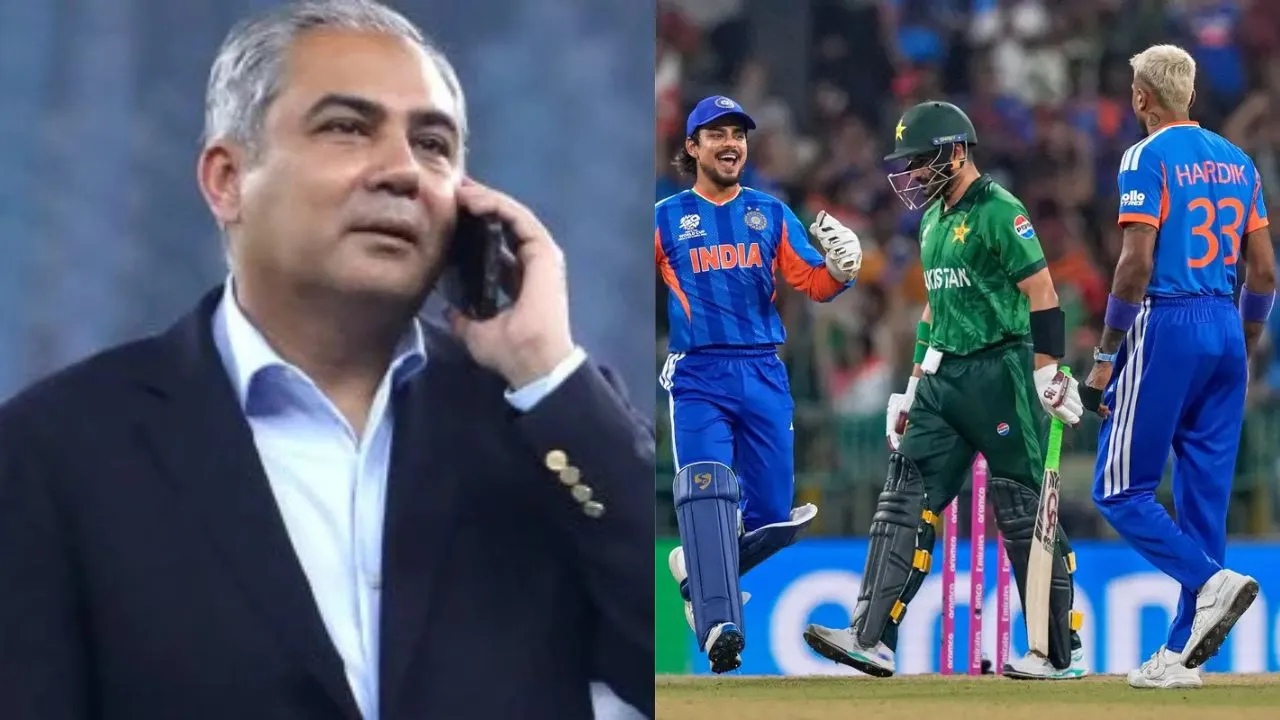
Pakistan Cricket Board Defends Recent Changes Amidst Turmoil and Prediction of Future Progress
The Pakistan Cricket Board (PCB) has recently been at the center of intense scrutiny following a challenging England tour that exposed vulnerabilities within Pakistan’s cricket setup. Amidst the upheaval, PCB Chairman Mohsin Naqvi has come forward to defend the recent drastic changes made to the Test squad and coaching staff, emphasizing the need for strategic adjustments and highlighting promising developments in Pakistan’s white-ball cricket. His remarks offer a nuanced perspective on the current crisis, prediction of future improvements, and the broader trajectory of Pakistan cricket.
Context: The Turbulent England Tour and Its Aftermath
Pakistan’s recent tour of England proved to be a difficult chapter in the nation’s cricketing journey. The team suffered heavy defeats, including an innings and 103 runs loss in the first Test and a 194-run defeat at Lord’s. These back-to-back losses prompted the Pakistan Cricket Board to undertake a significant overhaul of the squad and coaching personnel ahead of the decisive third Test at Edgbaston.
Seven players, including Mohammad Rizwan, Imam-ul-Haq, Salman Ali Agha, Ali Usman, Aamer Jamal, Awais Zafar, and Khurram Shahzad, were released from the Test squad. Furthermore, the PCB replaced head coach Sarfaraz Ahmed with Mike Hesson, a renowned white-ball specialist, and appointed Ashley Noffke as the new bowling coach, replacing Umar Gul. These changes sparked a debate about the management’s approach, selection policies, and injury handling, with some critics questioning the decision-making process.
The Controversies and Challenges Beyond the Field
Adding to the turbulence, former Pakistan captain Misbah-ul-Haq resigned from the national selection committee, reportedly due to disagreements over the lack of consultation in team selection processes. The controversy surrounding Imam-ul-Haq’s calf injury further complicated matters. Imam suffered a low-grade strain while fielding at Lord’s and did not bat in either innings, raising questions about injury management and communication within the team. Aaqib Javed, a member of the selection committee, called for an inquiry into the injury’s handling, reflecting concerns over player welfare and decision transparency.
Meanwhile, a separate incident during the Lord’s Test involved a dispute over a broadcast interview with former Pakistan captain and Prime Minister Imran Khan’s sons. The PCB initially objected to airing the interview and even threatened to boycott the match, illustrating the sensitive intersection of cricket, politics, and media in Pakistan. Despite the tensions, the team ultimately returned to the field, underscoring the complex environment in which Pakistan cricket operates.
Mohsin Naqvi’s Prediction and Defense of Pakistan Cricket’s Progress
Amidst the criticism, Mohsin Naqvi has been a vocal advocate for the resilience and progress of Pakistan cricket. He emphasized that recent setbacks do not define the entire system and highlighted tangible improvements, especially in Pakistan’s limited-overs formats. Naqvi pointed out that since the appointment of the current coaching staff, Pakistan has climbed from No. 8 to No. 5 in the ICC ODI rankings, won four of their last six ODI series, and made significant gains in T20I rankings—from No. 9 to No. 6, with their success rate soaring from 24% to an impressive 73%.
“Prediction is difficult, especially in cricket where even the strongest teams can face unexpected defeats,” Naqvi stated. “But the progress we’ve made in ODIs and T20Is shows that we are on the right path. We are learning, adapting, and building a stronger cricketing culture.”
Addressing Criticism and Focusing on Future Growth
Naqvi responded directly to critics who declare Pakistan cricket to be in complete decline, urging a balanced perspective rooted in facts. He questioned the logic of labeling the entire system as failing based on a few poor performances, pointing out that other top cricketing nations have also faced surprising losses. For example, he referenced South Africa’s defeat to Zimbabwe and India’s loss to Ireland—examples that demonstrate even the most formidable teams encounter setbacks.
“Every player faces ups and downs,” Naqvi explained. “When a player isn’t performing, we do not discard them outright; instead, we analyze, communicate, and make strategic decisions. Our goal is to build a resilient team capable of competing at the highest level.”
The Road Ahead: Emphasizing Accountability and Constructive Criticism
Naqvi acknowledged that Pakistan’s recent performances, especially in Test cricket, have been disappointing. However, he stressed the importance of constructive criticism over baseless negativity. “We must differentiate between legitimate concerns and unwarranted attacks,” he said. “Our focus is on accountability, and we are continuously working to improve every aspect of our cricketing structure.”
He further explained that cricket development takes time, emphasizing that the journey from being ranked ninth or eighth to top-tier status is a gradual process. “No team climbs from ninth to No. 1 overnight. We are committed to long-term growth and will continue making tough decisions for the betterment of Pakistan cricket,” Naqvi asserted.
Strategic Prediction: The Future of Pakistan Cricket
Looking ahead, the prediction for Pakistan cricket hinges on sustained development, strategic planning, and nurturing young talent. The recent improvements in limited-overs rankings suggest a promising trajectory, especially given the emphasis on modern coaching techniques and player development programs. Naqvi’s remarks imply that with stability and patience, Pakistan can regain its position among cricket’s elite.
Crucially, the focus on white-ball cricket indicates a strategic shift aligned with global trends, aiming to maximize Pakistan’s competitiveness in ODIs and T20Is. This transition is expected to serve as a foundation for future Test revival, provided the team maintains consistency and learns from setbacks.
Conclusion: A Long Road to Recovery, But with Hope on the Horizon
Pakistan cricket, currently navigating through a phase of significant upheaval, remains optimistic about its prospects. Mohsin Naqvi’s prediction underscores a belief in gradual progress, backed by recent achievements and a commitment to long-term development. While challenges such as injuries, team selection controversies, and external pressures persist, the overarching message is clear: Pakistan cricket is resilient, adaptable, and poised for future success.
The journey towards reclaiming cricketing glory will undoubtedly involve continued hard work, strategic foresight, and constructive criticism. As Naqvi highlighted, the key lies in focusing on facts, learning from setbacks, and maintaining the passion that drives Pakistan’s cricketing spirit. With patience and perseverance, the prediction remains optimistic—Pakistan is on a path to regaining its rightful place among cricket’s elite.
Latest News
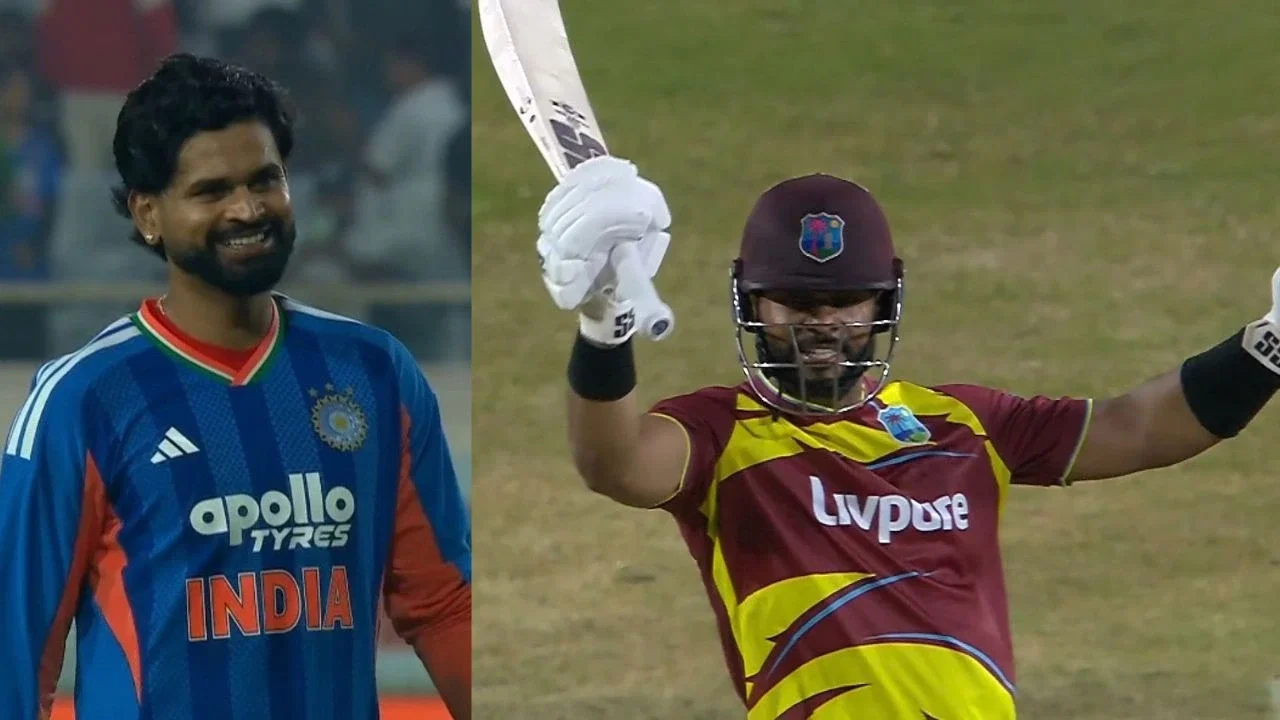
Top 10 highest run-chases in T20 cricket history, ft. West Indies’ Ranchi win vs India
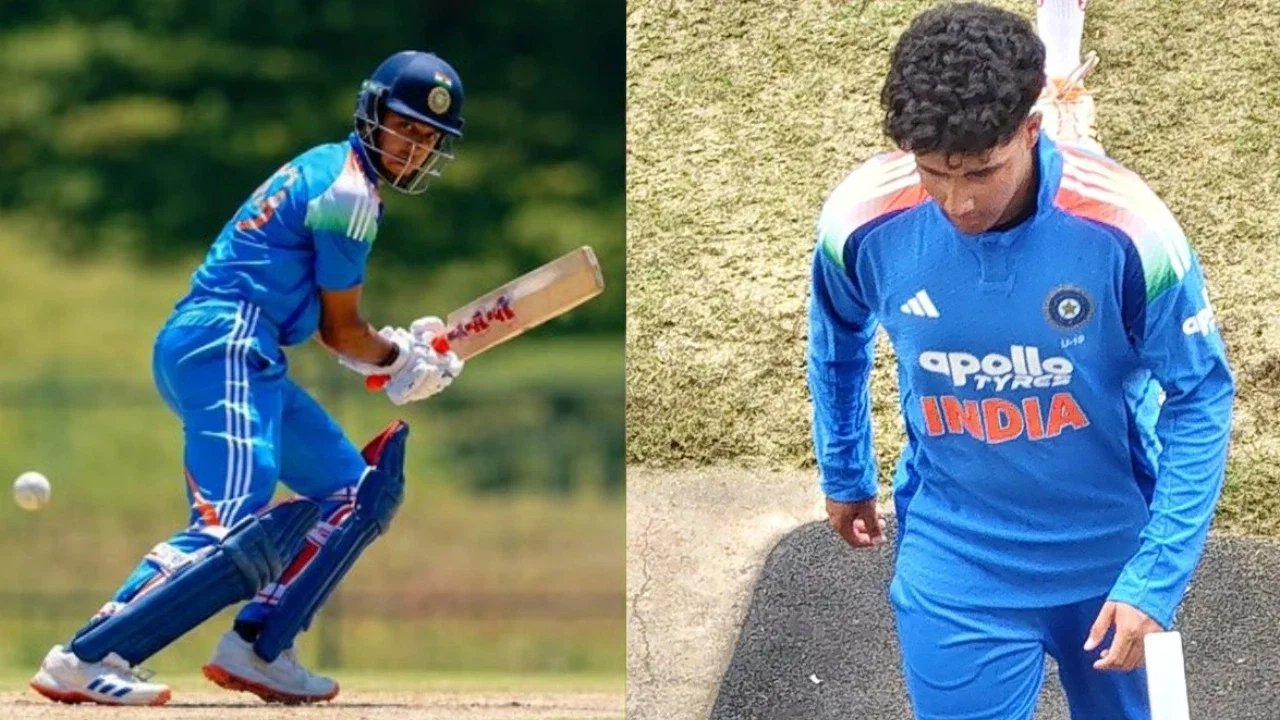
Aaryavir Sehwag and Anvay Dravid set to make headlines at U19 Asia Cup 2026
Longest ducks in Test cricket history ft. Nic Maddinson, Shoaib Akhtar
ECB to offer 39 central contracts to England players after Ben Stokes, Mark Wood’s retirement
Steve Smith surpasses Steve Waugh in all-time Test run-scorers’ list
Shane Watson identifies Gautam Gambhir’s biggest problem as India struggle for consistency
Is Bhuvneshwar Kumar in India’s 2027 World Cup plans? Ajinkya Rahane makes revelation
BCCI’s big ₹127 Crore move after injury crisis raises concerns over Team India
Parthiv Patel reveals RCB ignored his Jasprit Bumrah recommendation in IPL 2014 Auction
“Never spoke ill of any faith”: Irfan Pathan hits back at fake news using his name
Nic Maddinson bags 33-ball duck on Test comeback, disappoints George Bailey
Imran Tahir predicts 2027 ICC ODI World Cup Semi-Finalists, snubs India for title
Australia create unwanted history with first all-30-plus Test XI
Ravindra Jadeja returns to Ranji Trophy as Saurashtra announce squad