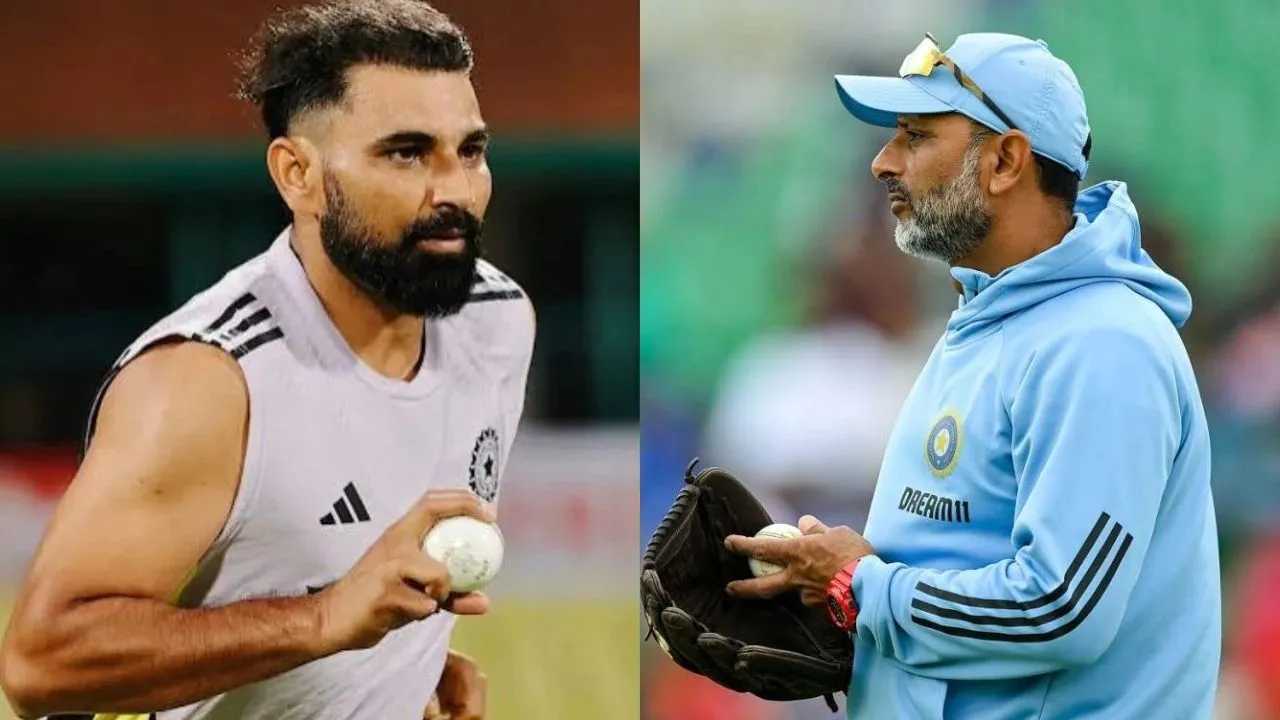
India refuse to take Women’s Asia Cup trophy from Mohsin Naqvi after record eighth title
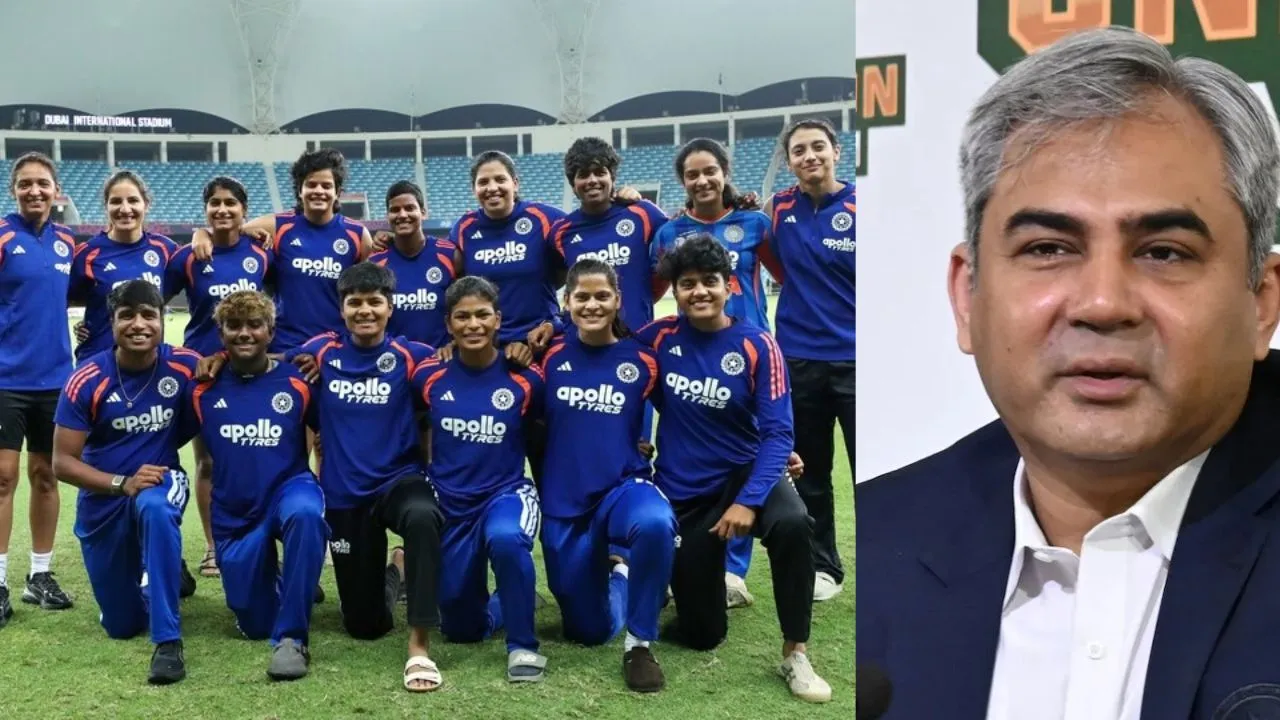
India Clinches Eighth Women’s Asia Cup Title Amid Political Tensions and Remarkable Cricketing Triumph
The highly anticipated Women’s Asia Cup 2026 concluded on a dramatic and politically charged note, with the Indian women’s cricket team securing their record-breaking eighth Asia Cup trophy. However, the post-match ceremony was marked not only by cricketing excellence but also by a significant political statement, as the Indian squad refused to accept the trophy from Mohsin Naqvi, the President of the Asian Cricket Council (ACC) and Chief of the Pakistan Cricket Board (PCB).
Historic Victory for India in the Women’s Asia Cup
In a pulsating final held in Colombo, Sri Lanka, the Indian women’s cricket team demonstrated their dominance and resilience, defeating Sri Lanka convincingly by 72 runs. This victory not only added another feather to India’s cricketing cap but also cemented their position as the most successful team in the tournament’s history, with a total of eight Asia Cup titles.
India’s journey to this historic win was marked by exceptional performances from their top-order batters. Opening duo Smriti Mandhana and Shafali Verma set the tone early, combining to score a blistering 129 runs for the first wicket—an ideal start for any final. Mandhana’s elegant stroke play and Verma’s aggressive approach kept the Sri Lankan bowlers on the back foot, creating a commanding foundation for the Indian innings.
Key Performances and Match Highlights
Shafali Verma was the standout of the Indian batting lineup, smashing 68 runs before being dismissed. Her aggressive innings provided the impetus needed to set a competitive total. Mandhana, unfortunately, was run out for 59, but her contribution remained vital in shaping India’s innings. The middle overs saw some struggles, with Harmanpreet Kaur and Richa Ghosh unable to accelerate as expected, ultimately restricting India to a total of 183/5.
On the bowling front, India’s bowlers executed their plans with precision, dismissing Sri Lanka’s top-order batsmen early and often. Sri Lanka’s chase was disastrous, with wickets tumbling at regular intervals. Despite a gritty 36-run effort from Chamari Athapaththu, the host nation was bowled out for just 111 runs, sealing a comprehensive victory for India.
Political Tensions Overshadow the Post-Match Ceremony
While the cricketing battle was fierce, the post-match atmosphere was marred by ongoing political tensions between India and Pakistan. The Asian Cricket Council’s (ACC) president, Mohsin Naqvi, who is also the head of the Pakistan Cricket Board (PCB), was present at the ground for the trophy distribution ceremony. However, in a move that underscored the strained diplomatic relations, the Indian team refused to accept the trophy from Naqvi.
Initially, reports suggested that Naqvi was not present during the final; however, later footage confirmed that he was seated in the stands alongside other ACC officials and BCCI representatives. Despite his presence, the Indian women’s team, led by captain Harmanpreet Kaur, made a deliberate stand by refusing to receive the trophy from him.
Historical Context: From Men’s to Women’s Cricket and Political Implications
This act of defiance is not isolated but part of a broader pattern of political symbolism that has emerged in cricket matches involving India and Pakistan in recent years. The controversy traces back to the Asia Cup 2025, when heightened tensions between the two nations spilled over into the cricket field. Following an attack in Pahalgam, Kashmir, that resulted in casualties, India-Pakistan relations soured further.
During the 2025 Asia Cup, the Indian men’s cricket team captain, Suryakumar Yadav, notably refused to shake hands with his Pakistani counterpart after the match, a gesture that traditionally symbolizes sportsmanship. The trend continued into the Women’s Asia Cup 2026, with Harmanpreet Kaur and her teammates declining to shake hands with their Pakistani rivals after their encounter at the Women’s ODI World Cup held in Colombo in October 2025. This pattern extended across various age-group championships and the T20 World Cups in 2026, reflecting a deeper political sentiment that has seeped into the fabric of cricketing diplomacy.
Significance of the Prediction and Future Outlook
As cricket fans and analysts reflect on the outcome of the Women’s Asia Cup 2026, the prediction of future trends becomes an intriguing aspect. The ongoing political tensions suggest that such acts of protest and non-engagement during award ceremonies might persist, influencing how international tournaments are conducted and perceived.
Cricket, often called the “gentleman’s game,” has historically been a platform for fostering diplomacy and cultural exchange. However, recent events demonstrate that geopolitical conflicts continue to cast a shadow over the sport. The refusal of the Indian team to accept their trophy from Mohsin Naqvi symbolizes not only sporting defiance but also a broader message about resistance and sovereignty amid strained diplomatic relations.
Implications for International Cricket and the Role of the ACC
The Asian Cricket Council now faces the challenge of balancing political sensitivities with the need to uphold the spirit of sportsmanship. While the refusal to accept the trophy from Naqvi signifies a protest, it also raises questions about the role of cricket governing bodies in mediating such conflicts and maintaining neutrality.
Looking ahead, the prediction is that political tensions will continue to influence cricketing events involving India and Pakistan. The upcoming tournaments, including the ICC Women’s T20 World Cup 2026, are likely to see similar gestures, protests, or symbolic acts of resistance, emphasizing the importance of diplomatic channels and sports diplomacy in easing longstanding conflicts.
Conclusion: A Historic Win Marred by Political Statements
The Women’s Asia Cup 2026 will be remembered not only for India’s historic eighth title but also for the political statement made on the field. The Indian women’s team, led by Harmanpreet Kaur, showcased their cricketing prowess and resilience, overcoming fierce competition from Sri Lanka. Yet, their refusal to accept the trophy from Mohsin Naqvi underscores the complex intersection of sports and politics in South Asia.
As the cricketing world looks to the future, the prediction remains that these tensions will influence the way tournaments are conducted and how teams engage in diplomatic gestures. The legacy of this tournament serves as a reminder that sport can be a mirror of societal realities, reflecting both triumph and turmoil—a narrative that continues to unfold in the cricketing corridors of South Asia.
Latest News
Top 10 highest run-chases in T20 cricket history, ft. West Indies’ Ranchi win vs India
Aaryavir Sehwag and Anvay Dravid set to make headlines at U19 Asia Cup 2026
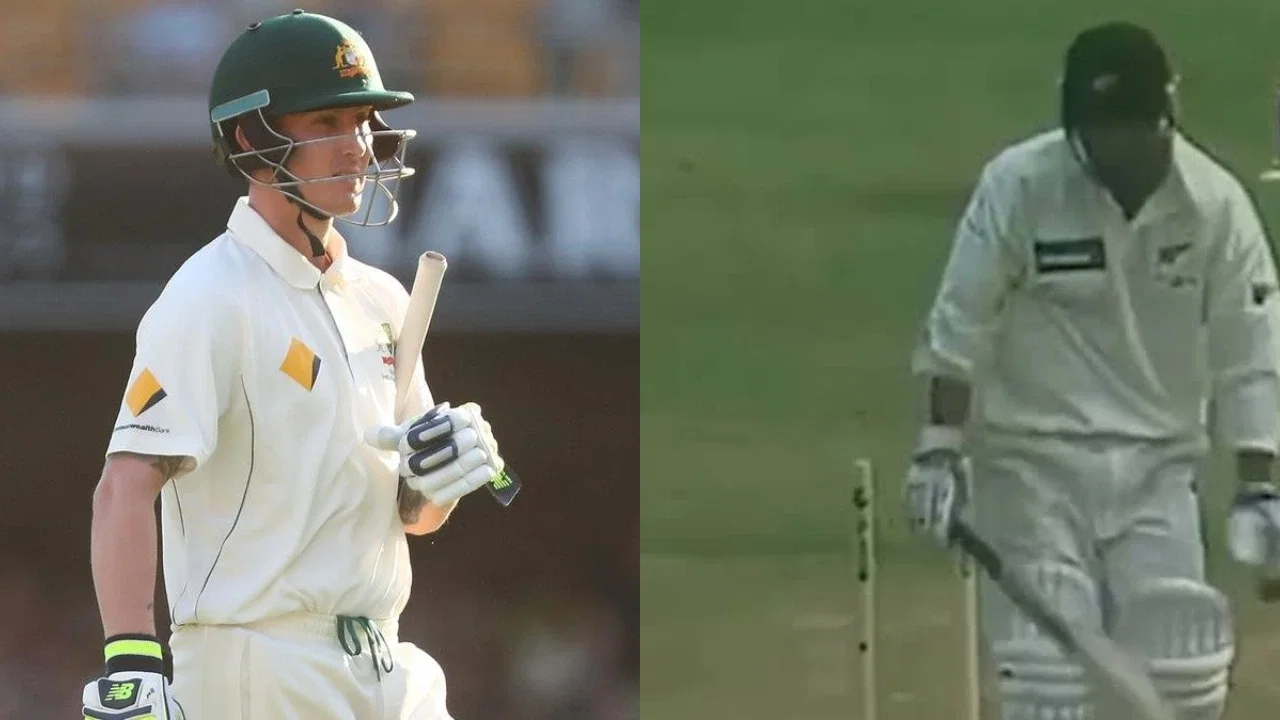
Longest ducks in Test cricket history ft. Nic Maddinson, Shoaib Akhtar

ECB to offer 39 central contracts to England players after Ben Stokes, Mark Wood’s retirement
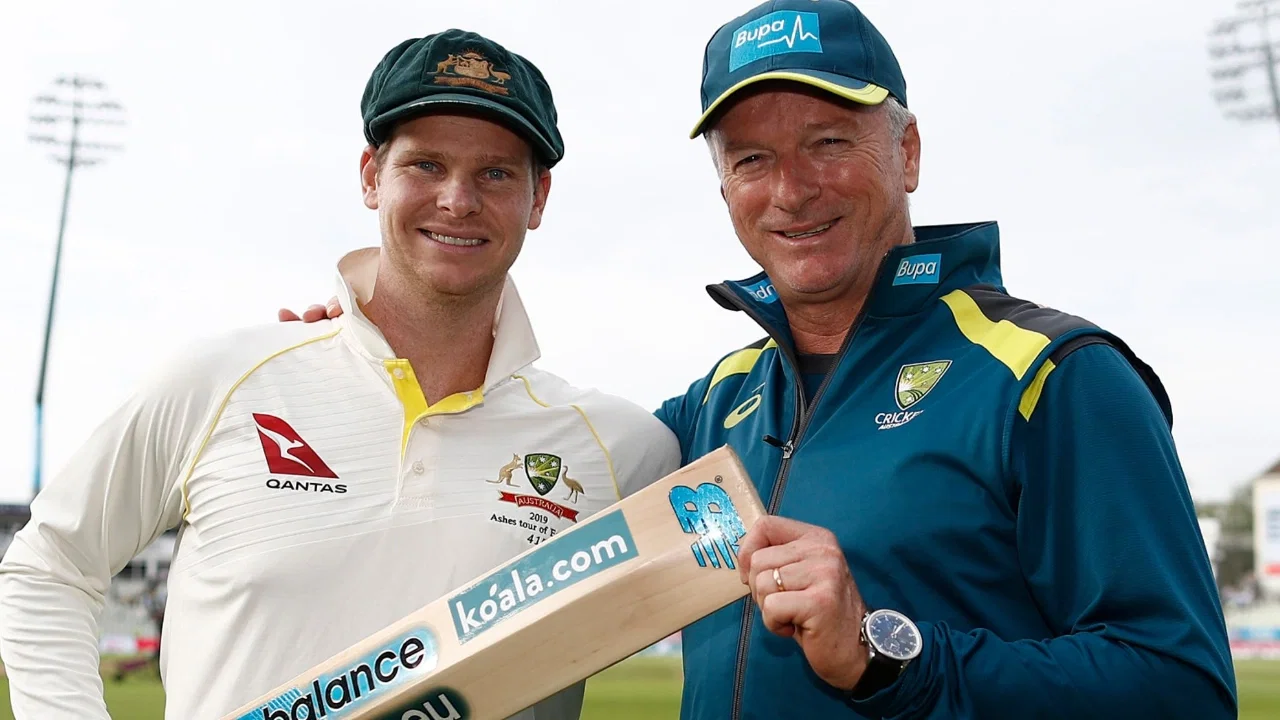
Steve Smith surpasses Steve Waugh in all-time Test run-scorers’ list

Shane Watson identifies Gautam Gambhir’s biggest problem as India struggle for consistency
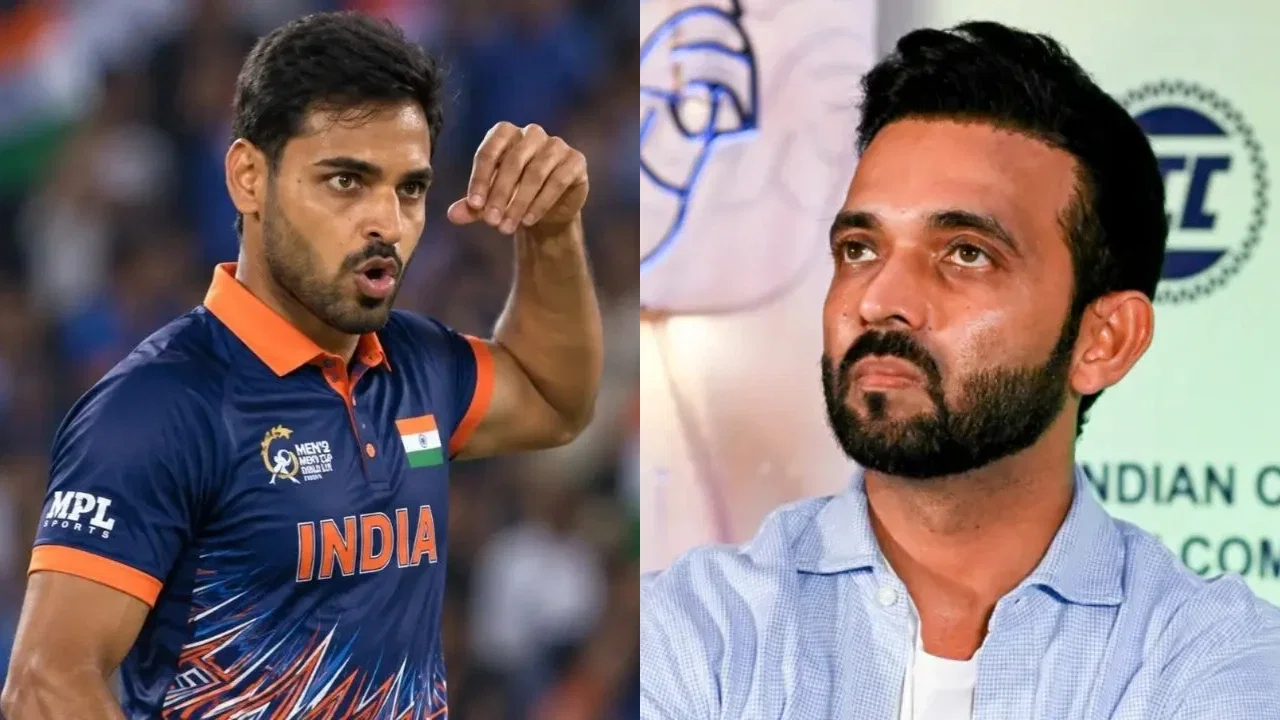
Is Bhuvneshwar Kumar in India’s 2027 World Cup plans? Ajinkya Rahane makes revelation
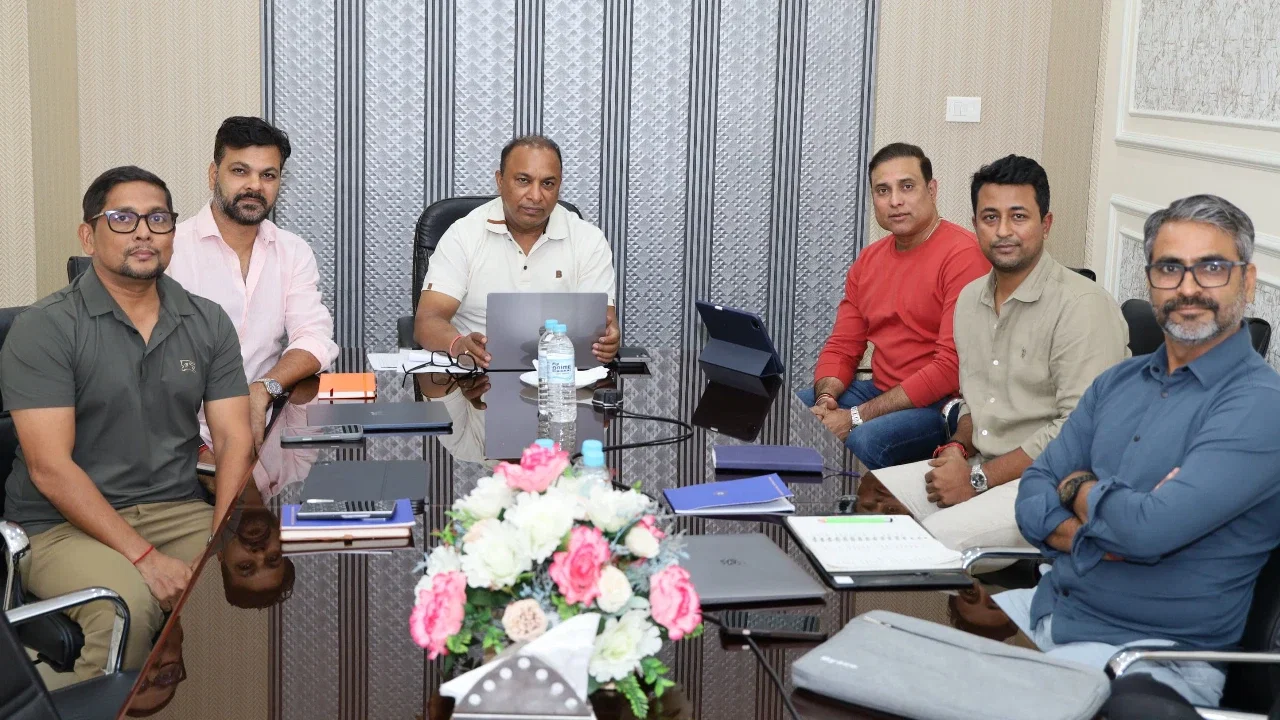
BCCI’s big ₹127 Crore move after injury crisis raises concerns over Team India
Parthiv Patel reveals RCB ignored his Jasprit Bumrah recommendation in IPL 2014 Auction
“Never spoke ill of any faith”: Irfan Pathan hits back at fake news using his name
Nic Maddinson bags 33-ball duck on Test comeback, disappoints George Bailey
Imran Tahir predicts 2027 ICC ODI World Cup Semi-Finalists, snubs India for title
Australia create unwanted history with first all-30-plus Test XI
Ravindra Jadeja returns to Ranji Trophy as Saurashtra announce squad