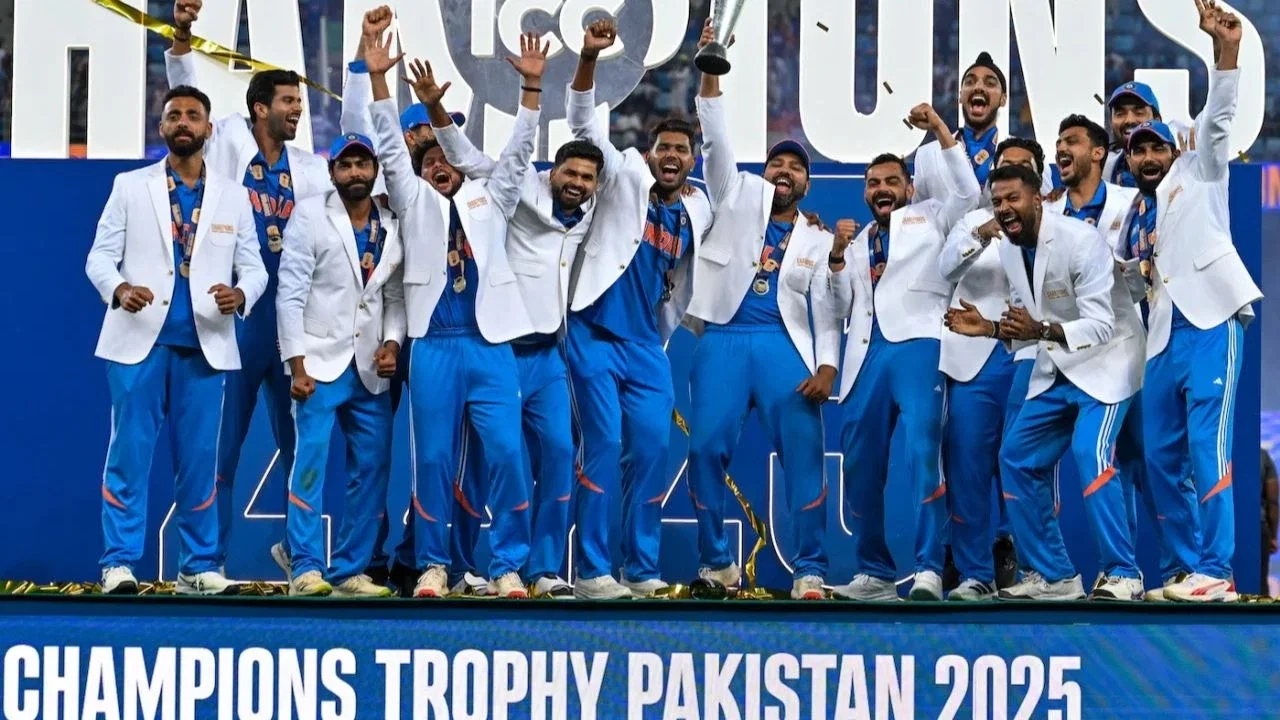
India storm into semi-finals as waterlogging creates fresh Asian Games 2026 concern
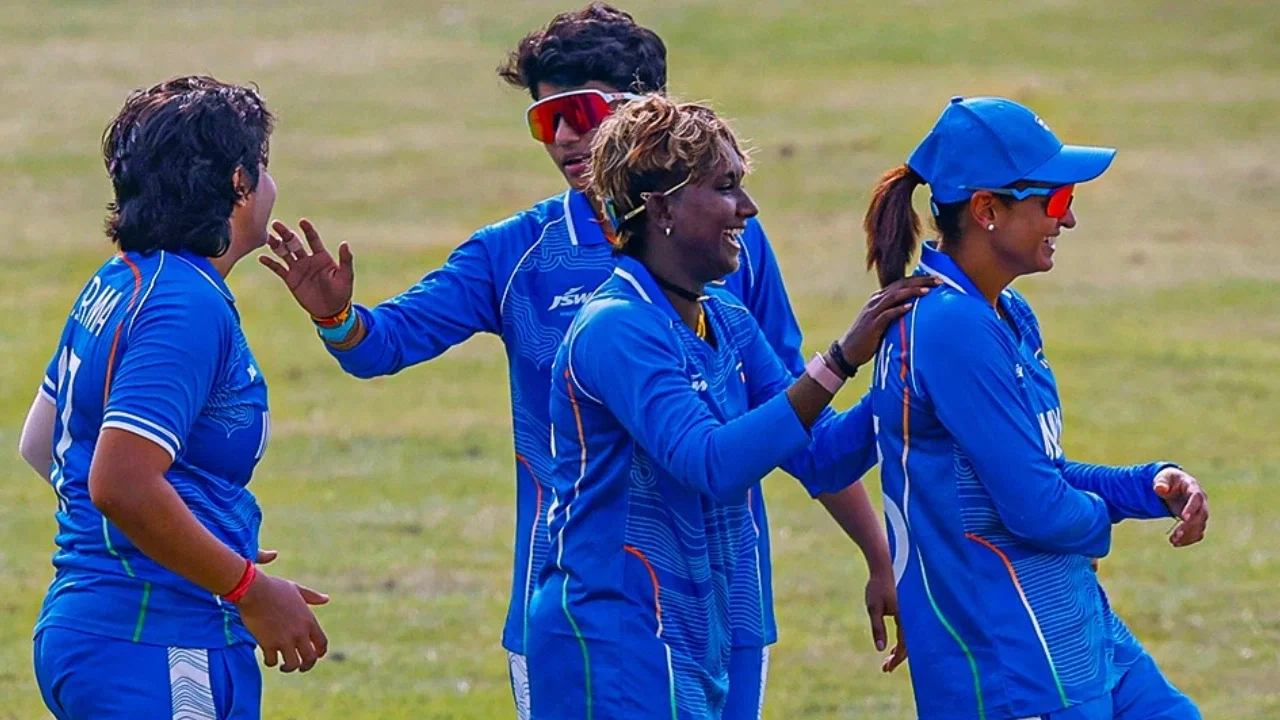
India Women’s Cricket Team Shines Bright in Asian Games 2026 Opener: A Dominant Display and Emerging Venue Concerns
The Indian women’s national cricket team has kicked off their Asian Games 2026 journey with an emphatic victory, setting a strong tone for their medal aspirations. Led by captain Harmanpreet Kaur, India showcased their formidable talent and strategic prowess as they secured an eight-wicket win over the host nation, Japan, at the Korogi Sports Park in Nisshin. This resounding victory not only boosted team morale but also solidified their position as favorites to advance further in the tournament.
Impressive Performance Sparks Optimism for India’s Medal Hopes
From the very first ball, India dominated the match, with their bowlers dismantling the Japanese batting lineup and restricting them to a meager 57 runs. The Indian response was swift and clinical, with the team reaching the target in just five overs, underscoring their commanding presence on the field. Such a swift victory underscored India’s consistency and strategic depth, fueling predictions that the team could be a strong contender for the gold medal in this prestigious multi-sport event.
Harmanpreet Kaur’s leadership was instrumental in this success, both in terms of tactical decisions and motivating her teammates. The victory not only signifies a positive start but also sets a high standard for the team moving forward. India’s next challenge will be against Bangladesh in the semi-finals, scheduled for September 20 at the same venue. The outcome of this match will be crucial in determining their medal prospects, with the winners progressing to the final showdown against either Pakistan or Sri Lanka.
Upcoming Semi-Finals and the Road to Gold
As the tournament progresses, the semi-final line-up promises intense competition. Pakistan is set to face Sri Lanka in the other semi-final, with both matches expected to be fiercely contested. The prediction for these encounters hinges on team form, individual performances, and strategic execution, making them must-watch fixtures for cricket enthusiasts. The Indian team’s confident start makes them a strong candidate to secure the gold, but the competition remains stiff, and the outcome will depend on how teams adapt and perform under pressure.
Venue Challenges Cast Shadow Over Asian Games Cricket Events
Waterlogging and Facility Concerns Raise Questions
While on-field performances have been promising, off-field issues have cast a shadow over the smooth conduct of cricket at the Asian Games 2026. Reports from the Korogi Sports Park highlighted waterlogging near one of the boundary areas, an issue that has raised serious concerns about the quality of the venue and the overall organization of the event. Such conditions not only hinder player movement and safety but also impact the experience of reporters and officials covering the matches.
The waterlogging problem is part of broader infrastructure concerns that have emerged at the Aichi-Nagoya venues. The Asian Games, often called the “Athletic Olympics of Asia,” are a massive logistical challenge, and the conditions of venues are under intense scrutiny, especially given the importance of hosting a successful multi-sport event. The current issues have prompted discussions about the adequacy of preparations and the long-term usability of these facilities.
Decisions on Athletes’ Villages and Long-term Infrastructure
The decision not to establish a traditional athletes’ village—an iconic feature of past Asian Games—has been a point of contention. Instead, organizers opted for a more flexible approach, considering the financial and logistical implications of constructing and maintaining a large-scale athletes’ accommodation complex. The Olympic Council of Asia (OCA) explained that the decision was driven by practical considerations, including Japan’s specific circumstances and future planning needs.
OCA Director General Husain A. H. Z. Al-Musallam acknowledged that having a dedicated athletes’ village is generally preferable, offering athletes a comfortable and communal environment. However, he emphasized the importance of flexibility and sustainability, stating, “We wish that we have an athlete village, but we also have to be pragmatic. Building such infrastructure involves significant investment, and we need to consider how these facilities will be used after the Games.”
Future Asian Games to Feature Dedicated Athletes’ Villages
Looking ahead, the Asian Games are set to adapt their infrastructure strategies. The upcoming editions—Doha 2030 and Riyadh 2034—will feature dedicated athletes’ villages, ensuring better accommodation and logistical convenience for participants. This shift aims to enhance athlete experience and streamline event operations, addressing concerns raised in Nagoya.
During a recent press conference, Husain Al-Musallam highlighted this transition, saying, “While it’s ideal to have a five-star athlete village, we must balance this with practicality and cost-effectiveness. Our goal is to provide quality facilities that serve the athletes during and after the Games, ensuring long-term benefits for host cities.”
India Men’s Cricket Team: Defending Champions and Future Contenders
India’s Male Cricket Squad Enters as Titleholders
The Indian men’s cricket team also enters the 2026 Asian Games with high expectations, standing as the reigning champions from the previous edition. Under the leadership of Shreyas Iyer, the team is eager to defend their title and demonstrate their prowess on this significant regional stage. Their campaign will commence from the quarter-final stage, where they will face the winner of Group A, which includes formidable teams like Afghanistan, Japan, and Nepal.
The upcoming matches promise to be intense, with predictions favoring India’s strong batting lineup and disciplined bowling attack. The team’s ability to adapt to diverse conditions and maintain focus will be key factors in their quest for back-to-back gold medals. The prediction among cricket analysts is that India’s men’s team remains a top contender, but they will need to navigate tough challenges as the tournament progresses.
Importance of Prediction and Strategic Forecasting
In the context of multi-sport events like the Asian Games, predictions play a vital role in building anticipation and guiding expectations among fans, teams, and stakeholders. Experts analyze team form, player fitness, historical performance, and even venue conditions to forecast outcomes. While these predictions are inherently uncertain, they serve as valuable tools for strategists and fans alike to gauge potential medal winners and key battles ahead.
Conclusion: A Promising Start Amid Challenges
The Asian Games 2026 has officially begun on a high note for India’s women’s cricket team, whose commanding victory signals their medal potential. However, the event also faces hurdles, notably venue waterlogging and infrastructure concerns that could impact future competitions. The decision to forgo a traditional athletes’ village reflects a pragmatic approach by organizers, with future editions promising improved facilities and planning.
As the tournament unfolds, predictions about medal outcomes and team performances will continue to generate excitement and discussion. The blend of sporting excellence and logistical challenges makes Asian Games 2026 a compelling spectacle, with India poised to leave a significant mark both on the cricket field and beyond.
Stay tuned for more updates, in-depth analyses, and predictions as the Asian Games 2026 progresses, shaping the future of regional sports in Asia.
Latest News
India vs World XI match planned for BCCI centenary celebrations in 2028
Vaibhav Sooryavanshi sparks fresh Australia vs England conflict ahead of The Ashes 2027
Suryakumar Yadav set to part ways with RISE Worldwide amid Mumbai Indians speculation
Bangladesh squad for Afghanistan Test announced; Najmul Hossain Shanto to lead
Ramesh Powar likely to be appointed head of new BCCI junior selection panel
BCCI discussed making VVS Laxman chief selector alongside CoE head role
Rashid Khan calls MS Dhoni the best finisher of all time
‘Random Guy’ to India cap: Kris Srikkanth questions Yash Thakur’s selection
Yashasvi Jaiswal over Rohit Sharma? Ex-cricketer suggests Team India what to do
From Rohit Sharma to VVS Laxman: Key reasons behind Ajit Agarkar’s exit as chief selector
Mohammad Rizwan seeks Jay Shah-led ICC’s support to counter NCCIA probe
IPL 2027 Auction: BCCI set to bring mini-auction back to India after 3 years
India storm into semi-finals as waterlogging creates fresh Asian Games 2026 concern
MCA makes 4 key requests to BCCI at AGM, demands U-17 girls tournament