India vs Japan T20I weather update: Toss delayed due to wet outfield at Sano
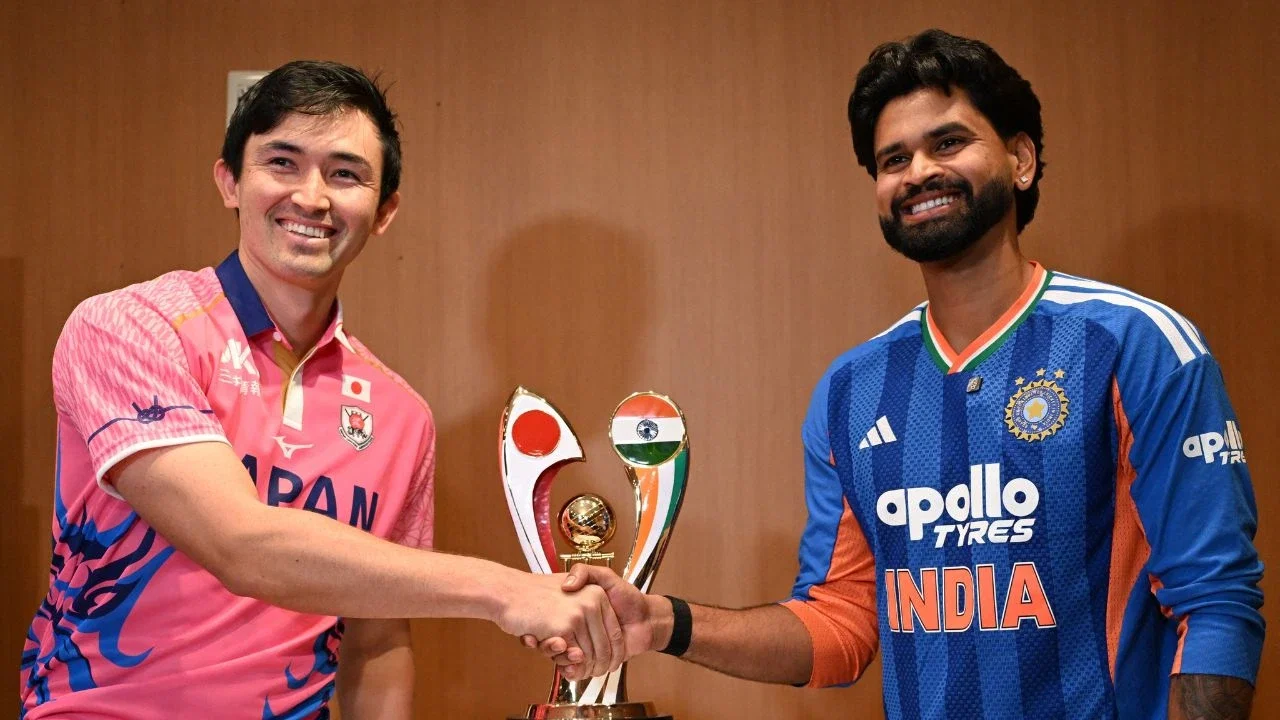
Weather Delays the Historic India vs Japan T20I at Sano International Cricket Ground
The much-anticipated one-off T20 International match between India and Japan faced unforeseen delays at the Sano International Cricket Ground on Tuesday, September 22. Despite a promising start on what was expected to be a landmark occasion for Japanese cricket, persistent weather concerns disrupted the proceedings, casting a shadow over the event’s significance. This fixture not only marks a milestone as Japan’s debut against a cricket powerhouse like India but also serves as a pivotal preparation step for both teams ahead of upcoming international tournaments.
Delayed Toss and Weather Challenges at Sano
The day’s proceedings began with a delay in the toss, a crucial element in cricket matches that often influences strategic decisions. The delay was primarily due to a wet outfield caused by overnight and morning rains, which rendered the playing surface unsuitable for play. Despite the presence of bright sunshine later in the morning, the ground staff’s safety protocols mandated an inspection before play could commence.
Scheduled for 9:45 AM Indian Standard Time (IST), the inspection was a necessary step to determine whether conditions had improved sufficiently for the match to proceed. The decision hinges on the ground’s readiness, with officials carefully evaluating the moisture levels and safety parameters. The weather forecast remains somewhat unpredictable, with overcast skies and a moderate chance of rain lingering through the morning hours. Temperatures are expected to hover around 27-29°C, which could influence pitch behavior and overall match conditions.
Cricket fans and players alike are aware that, with no reserve day designated for this one-off fixture, the game’s outcome could be affected by further rain interruptions. If delays persist, officials might opt for a shortened match using the Duckworth-Lewis-Stern (DLS) method, a standard in limited-overs cricket to revise target scores based on overs remaining. Nonetheless, the minimum overs required for a result are set at 5 per side, ensuring that the match remains competitive and meaningful.
The Significance of the India-Japan T20I
This fixture symbolizes more than just a game; it represents the growing reach of cricket into new territories. Japan’s emergence as a competitive cricketing nation has garnered attention, especially as they face one of the world’s top teams, India, in their home conditions. The match is a vital part of their journey toward establishing themselves on the international stage and gaining valuable experience against cricket giants.
For India, the encounter offers an opportunity to fine-tune their squad ahead of the Asian Games, where they aim to defend their gold medal and strengthen their T20I momentum. The match also allows the players to adapt to different conditions and test their skills against an emerging side that is eager to challenge established cricketing nations.
India’s Winning Streak and Strategic Squad Selection
Heading into this historic encounter, the Indian team boasts an impressive six-match winning streak in T20 Internationals. Led by dynamic captain Shreyas Iyer, India has demonstrated formidable form, sweeping series against Zimbabwe and Afghanistan with convincing 3-0 victories. These performances have cemented their status as a dominant force in the format, boosting team confidence ahead of major tournaments like the Asian Games.
For this match, India has largely retained their core squad, emphasizing stability and continuity. However, two players have been sidelined due to injury and selection policies. Varun Chakaravarthy, a key spinner, was ruled out with a side strain, leading to Vipraj Nigam’s inclusion in the squad. Additionally, Nitish Kumar Reddy, who was recently selected for India’s upcoming home ODI series against the West Indies, has been replaced to accommodate team planning for the Asian Games.
These strategic adjustments reflect India’s focus on building a versatile and adaptable squad capable of overcoming diverse conditions and opposition. The team’s preparation emphasizes not only winning the match but also gaining insights that will be crucial during multi-team tournaments.
Japan’s Rising Stars and Key Players
Japan’s cricketing journey is still in its nascent stages, but their players have shown resilience and talent. The team’s success hinges on the performance of captain Kendel Kadowaki-Fleming, who is the only Japanese batter to have surpassed 1,000 runs in T20I cricket. His experience and leadership will be instrumental in challenging India’s formidable bowling attack.
Support comes from seasoned campaigners like Declan Suzuki-McComb and Ibrahim Takahashi, both of whom have played over 50 T20I matches. Takahashi, in particular, is Japan’s leading wicket-taker, having claimed 48 wickets in 57 matches at an impressive economy rate of 5.62. His ability to strike early and contain runs could be pivotal in limiting India’s scoring opportunities.
However, Japan faces a setback with the absence of Sabaorish Ravichandran, their top wicket-taker across all formats, who is ineligible to participate under Asian Games rules. Despite this, the Japanese team has developed a robust spin bowling attack, with options that could exploit the slower conditions expected on the day. The strategic deployment of spin will be essential, especially if rain affects the pitch and slows down the game.
Preparation for the Asian Games and Future Prospects
This T20I contest serves as a crucial preparation opportunity for both nations ahead of the Asian Games, where cricket is set to feature prominently. Japan will compete in Group A alongside Afghanistan and Nepal, with the goal of finishing in the top two to advance to the knockout stages. Their performance against India will provide valuable insights into handling high-pressure situations and competing against top-tier teams.
India, on the other hand, will leverage this match to fine-tune their squad and strategies before the Asian Games. Their focus remains on maintaining peak form and cohesion, especially as they aim to defend their title and showcase their cricketing prowess on a multi-sport platform.
Looking Ahead: The Future of Japanese Cricket
Japan’s foray into international T20 cricket marks an exciting chapter in the sport’s expansion beyond traditional powerhouses. The country’s efforts to develop a competitive cricketing culture are evident in their investment in infrastructure, coaching, and player development programs. Matches like the India T20I serve as vital milestones, inspiring a new generation of Japanese cricketers and attracting increased media attention and sponsorship.
The prediction for this match remains uncertain, given the weather challenges and the emerging nature of Japan’s team. However, the game’s outcome could significantly influence cricket’s growth in Japan and the broader Asian region. Success against a cricket giant like India would be a historic achievement and a testament to Japan’s rising potential in international cricket.
Final Thoughts: A Historic Day for Cricket’s Global Expansion
While weather delays have threatened to overshadow the occasion, the India vs Japan T20I at Sano International Cricket Ground symbolizes much more than just a game. It embodies cricket’s global reach and the sport’s evolving landscape, where new nations are making their mark. Fans worldwide are eagerly watching how the match unfolds, with predictions swirling about possible surprises and standout performances.
As the ground inspection continues and hopes for play persist, one thing remains clear: this match is a pivotal step forward for Japanese cricket and an exciting chapter in the prediction of cricket’s future expansion across Asia and beyond. Stay tuned for updates on play and results, as this historic fixture continues to captivate cricket enthusiasts around the globe.
Latest News
Top 10 highest run-chases in T20 cricket history, ft. West Indies’ Ranchi win vs India
Aaryavir Sehwag and Anvay Dravid set to make headlines at U19 Asia Cup 2026
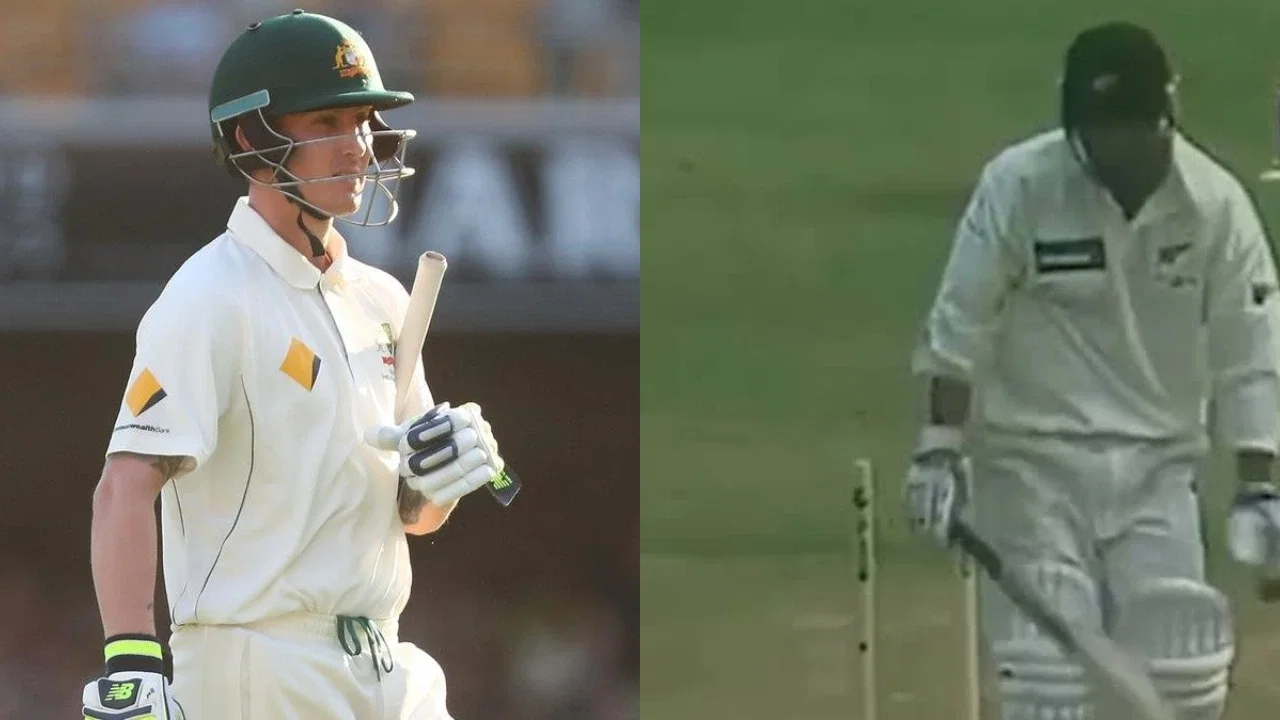
Longest ducks in Test cricket history ft. Nic Maddinson, Shoaib Akhtar
ECB to offer 39 central contracts to England players after Ben Stokes, Mark Wood’s retirement
Steve Smith surpasses Steve Waugh in all-time Test run-scorers’ list

Shane Watson identifies Gautam Gambhir’s biggest problem as India struggle for consistency

Is Bhuvneshwar Kumar in India’s 2027 World Cup plans? Ajinkya Rahane makes revelation

BCCI’s big ₹127 Crore move after injury crisis raises concerns over Team India

Parthiv Patel reveals RCB ignored his Jasprit Bumrah recommendation in IPL 2014 Auction
“Never spoke ill of any faith”: Irfan Pathan hits back at fake news using his name
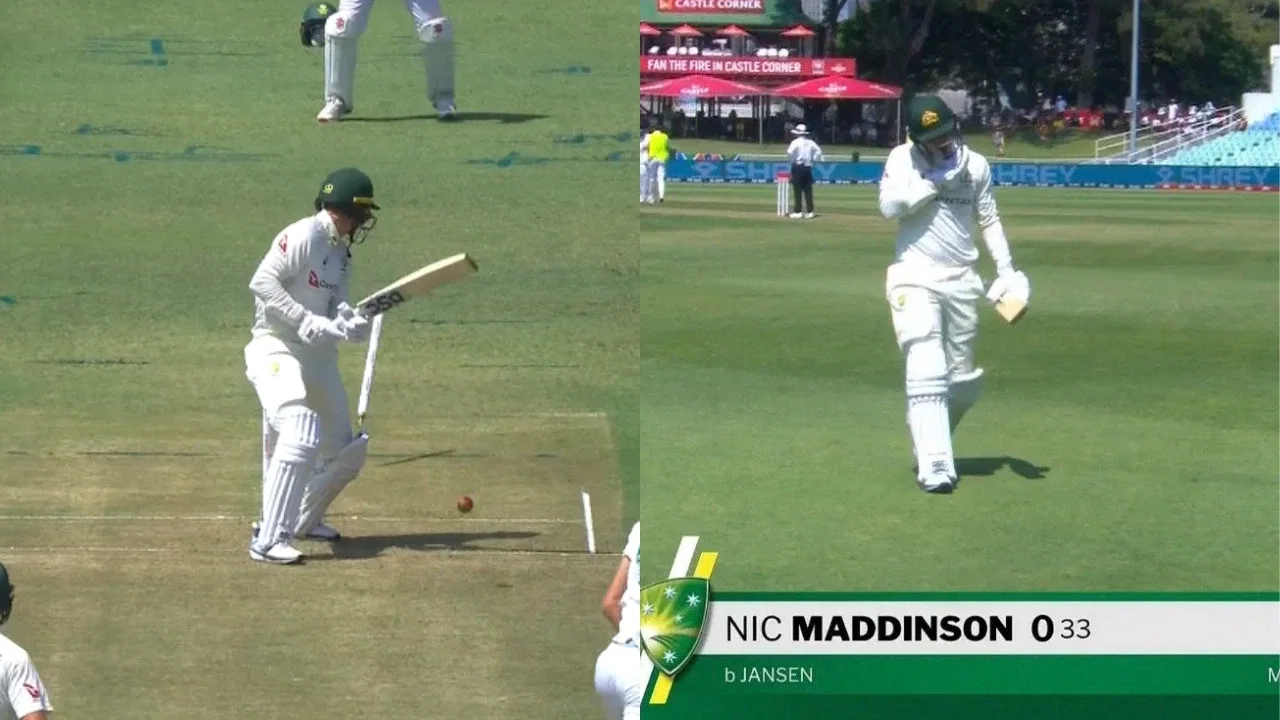
Nic Maddinson bags 33-ball duck on Test comeback, disappoints George Bailey

Imran Tahir predicts 2027 ICC ODI World Cup Semi-Finalists, snubs India for title
Australia create unwanted history with first all-30-plus Test XI
Ravindra Jadeja returns to Ranji Trophy as Saurashtra announce squad