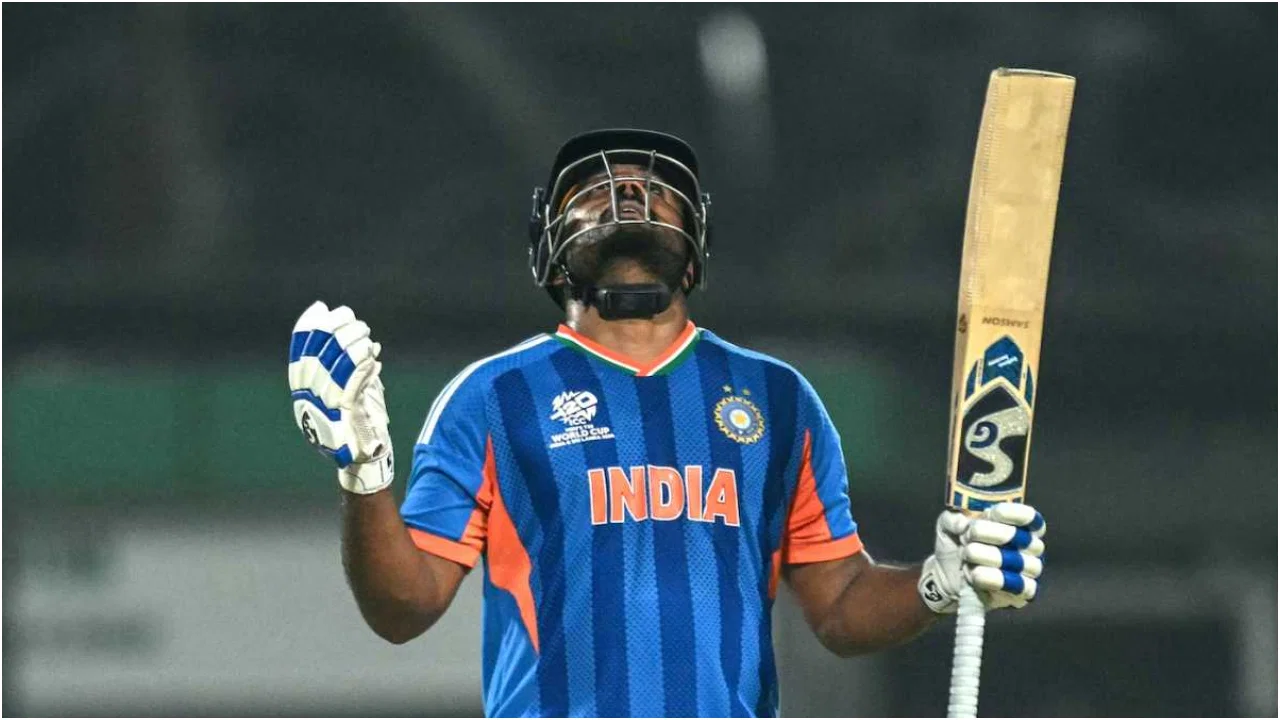
India vs Pakistan bilateral series unlikely, ICC explores tri-series option
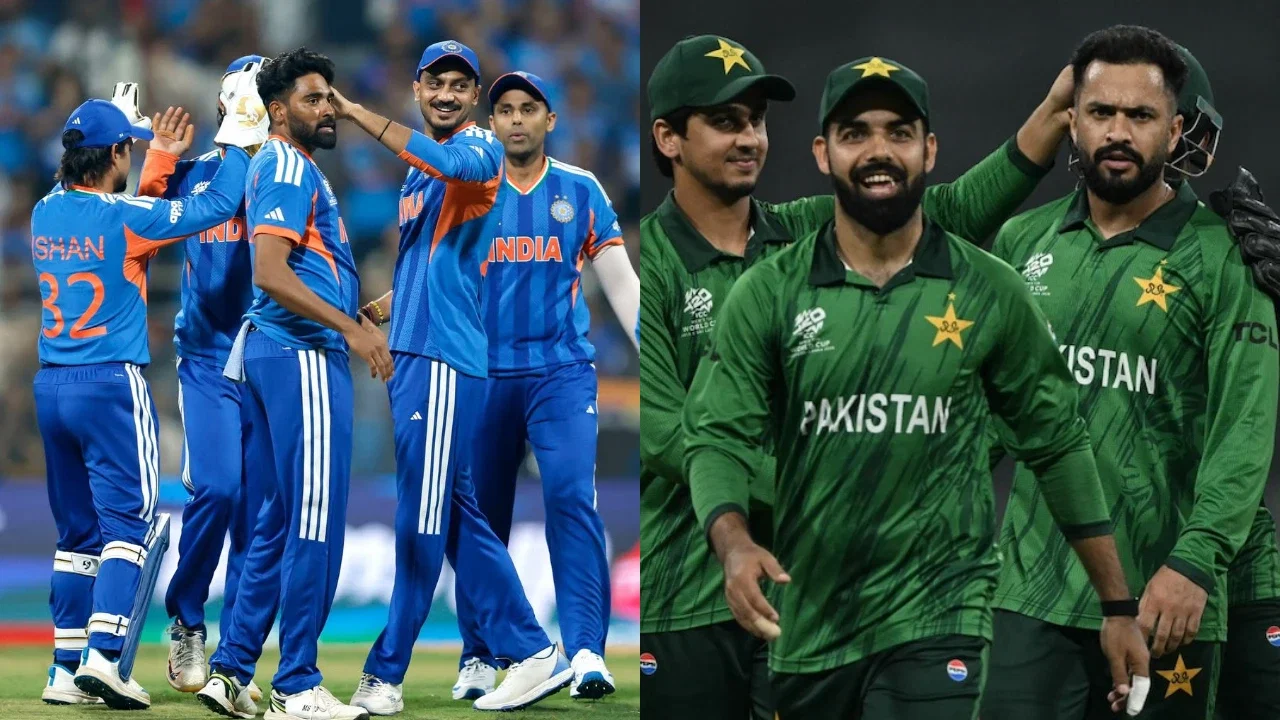
The Iconic India vs Pakistan Cricket Rivalry: A Deep Dive into Its Past, Present, and Future Predictions
The cricketing rivalry between India and Pakistan has long captivated fans around the world, transforming every encounter into a high-voltage event filled with passion, patriotism, and intense competition. Historically, matches between these two arch-rivals have been among the most-watched sporting events in Asia and beyond, drawing millions of viewers eager to witness the drama unfold on the pitch. However, recent years have seen a significant shift in this rivalry, influenced heavily by geopolitical tensions, diplomatic strains, and evolving cricketing schedules.
Historical Context: Dominance and Disparity in the Recent Era
Over the past decade, the India vs Pakistan cricket rivalry has been predominantly one-sided in favor of the Men in Blue. Since their last bilateral series in 2013, India has maintained a dominant streak across all formats, including ODIs and T20Is. Their commanding performances in major tournaments such as the ICC Cricket World Cup, Asia Cup, and Champions Trophy have cemented their supremacy on the field. For cricket enthusiasts, the rivalry has become more about watching India’s consistent dominance rather than a balanced contest.
Despite this dominance, the rivalry remains emotionally charged, with matches often serving as a proxy for political and cultural tensions. The last bilateral series between the two nations was held in 2013, with Pakistan securing an ODI series victory and the T20I series ending in a draw. Since then, diplomatic issues have prevented teams from engaging in home-and-away series, leading to a reliance on neutral venues and international tournaments for their clashes.
The Impact of Diplomatic Tensions on Cricket Scheduling
The absence of bilateral cricket between India and Pakistan has largely been driven by diplomatic tensions. The Indian government has historically been cautious about allowing bilateral series to take place on Indian soil, citing security concerns and political disagreements. Conversely, Pakistan has sought to host more matches on neutral ground or abroad, hoping to revive this storied rivalry outside the limitations imposed by diplomatic relations.
This ongoing deadlock has meant that fans have had limited opportunities to see their teams face off outside major tournaments. The last time these two teams competed in a tri-series was in 2008 during the Kitply Cup, which also featured Bangladesh. Since then, the cricketing world has eagerly awaited a resurgence of this rivalry in a more regular and competitive format.
ICC’s Proposal: Reintroducing Trilateral and Quadrilateral Series
Amidst the challenges, the International Cricket Council (ICC) is exploring innovative ways to rekindle the India-Pakistan cricket rivalry and capitalize on its immense popularity. Reports suggest that the ICC is considering organizing trilateral or quadrilateral series involving India, Pakistan, and other cricket-playing nations. These multi-team tournaments could be hosted at neutral venues, providing a safe and politically neutral environment for all participating teams.
According to sources from ARY News, the ICC is set to discuss this proposal during the upcoming ICC seminar scheduled for September 22–23 in Dubai. The agenda will focus on international scheduling and the Future Tours Programme (FTP) for the 2027–2031 cycle. The move aims to bring back the excitement of multi-nation series reminiscent of the late 1990s and early 2000s, which were known for their competitive spirit and commercial success.
Cricket authorities and fans alike are optimistic that these proposed series could breathe new life into the India-Pakistan rivalry, providing more frequent high-stakes encounters while also boosting revenue streams for the ICC and participating boards. The idea is to create a balanced, predictable schedule that ensures top-tier cricket for fans worldwide, while also respecting the political sensitivities involved.
Why the Absence of Bilateral Series Continues
The core reason behind the absence of bilateral cricket series between India and Pakistan lies in the frayed diplomatic relations between the two nations. Pakistan has been advocating for more matches outside the host country, seeking neutral venues that can ensure safety and security. However, the Indian government has remained hesitant, primarily due to ongoing political tensions, security concerns, and recent incidents that have further strained diplomatic ties.
For instance, the deadly attack in Pahalgam in 2025, attributed to terror groups operating across the border, significantly worsened diplomatic relations. Such incidents have made the Indian authorities wary of allowing bilateral cricket to resume, citing security risks. Consequently, India has refused to participate in series hosted by Pakistan or in matches that could be perceived as normalizing relations, especially in the current climate.
The Last Encounters and Their Political Significance
The last India-Pakistan encounter in a tri-series was in 2008 during the Kitply Cup, and since then, the rivalry has been confined mainly to international tournaments like the ICC World Cup, T20 World Cup, and Asia Cup. The 2013 bilateral series marked the last time the two teams played a full series, with Pakistan winning the ODI leg and the T20I series ending in a draw.
The matches have often been more than just cricket—they symbolize national pride and political narratives. For example, during the Asia Cup 2025, tensions escalated when the India captain Suryakumar Yadav and the BCCI chose not to shake hands with Pakistani players during the toss or after the match, citing security concerns. The refusal extended to declining the trophy presentation from Mohsin Naqvi, the PCB chairman and ACC president, who took the trophy himself as a symbolic act of protest. Such incidents reflect the complex intertwining of cricket and politics, which continues to influence the scheduling and conduct of matches.
Predictions: What Can the Future Hold for India-Pakistan Cricket?
Looking ahead, experts and cricket enthusiasts are closely watching the ICC’s initiatives and geopolitical developments to predict the future of India vs Pakistan cricket. The prediction is that, despite current diplomatic hurdles, there is a strong possibility that multi-national series at neutral venues could become the new norm, providing more frequent opportunities for these rival nations to face off.
Some analysts believe that the ICC’s focus on expanding the global footprint of cricket through innovative series formats signals a pragmatic approach to balancing sporting interests with political realities. The potential reintroduction of trilateral and quadrilateral tournaments could significantly impact the prediction of future matches, making them more regular and commercially lucrative.
However, the political climate remains a critical factor. As long as diplomatic tensions persist, full bilateral series are unlikely to resume in the near future. Still, the cricketing world remains hopeful that diplomatic dialogues and cricket diplomacy efforts could eventually pave the way for a more normalized India-Pakistan cricket rivalry.
Conclusion: The Road Ahead for India-Pakistan Cricket Rivalry
The India vs Pakistan cricket rivalry continues to be one of the most compelling and emotionally charged contests in international sport. While recent years have seen a decline in bilateral encounters, the potential for future series—especially through ICC-led initiatives—remains high. The prediction is that innovative tournament formats, hosted at neutral venues, could serve as a bridge to restore this historic rivalry, providing fans with the cricketing drama they crave.
As the cricketing calendar evolves and geopolitical dynamics shift, the hope is that diplomacy and sport will find common ground, allowing the India-Pakistan rivalry to flourish once more on the international stage. Until then, cricket fans worldwide will continue to speculate, discuss, and eagerly await the next chapter in this legendary rivalry.
Latest News
India vs Pakistan bilateral series unlikely, ICC explores tri-series option
India vs Pakistan bilateral series unlikely, ICC explores tri-series option

Imran Khan’s sons call Mohsin Naqvi a ‘fool’ after reported Lord’s Test withdrawal threat
India vs Japan T20I broadcast deal takes shape, FanCode among top contenders
GUY vs SKN Dream11 Prediction Today Match, My11Circle Prediction, Dream11 Team Today, Fantasy Cricket Tips, Playing XI, Pitch Report, Injury Update- CPL 2026, Match 28
BPL should be held every year: Aminul Haque confirms BPL future after BCB suspension decision

Ishan Kishan’s GF shares heartfelt message after keeper-batter’s Duleep Trophy century
India’s Test Schedule vs England, Australia Revealed Till 2031
Shree Charani reveals India’s secret plan after Pakistan’s 55-run collapse

Arlene Kelly announces international retirement after England series
Ishan Kishan continues amazing form, smashes hundred in Duleep Trophy final
Sai Kishore picks 5-wickets for just 6 runs as Gloucestershire crush Derbyshire
Watch: Mohammed Siraj sledges Ishan Kishan, targets him with bouncers in Duleep Trophy
Ajit Agarkar attends Duleep trophy 2026 final after skipping BCCI meeting