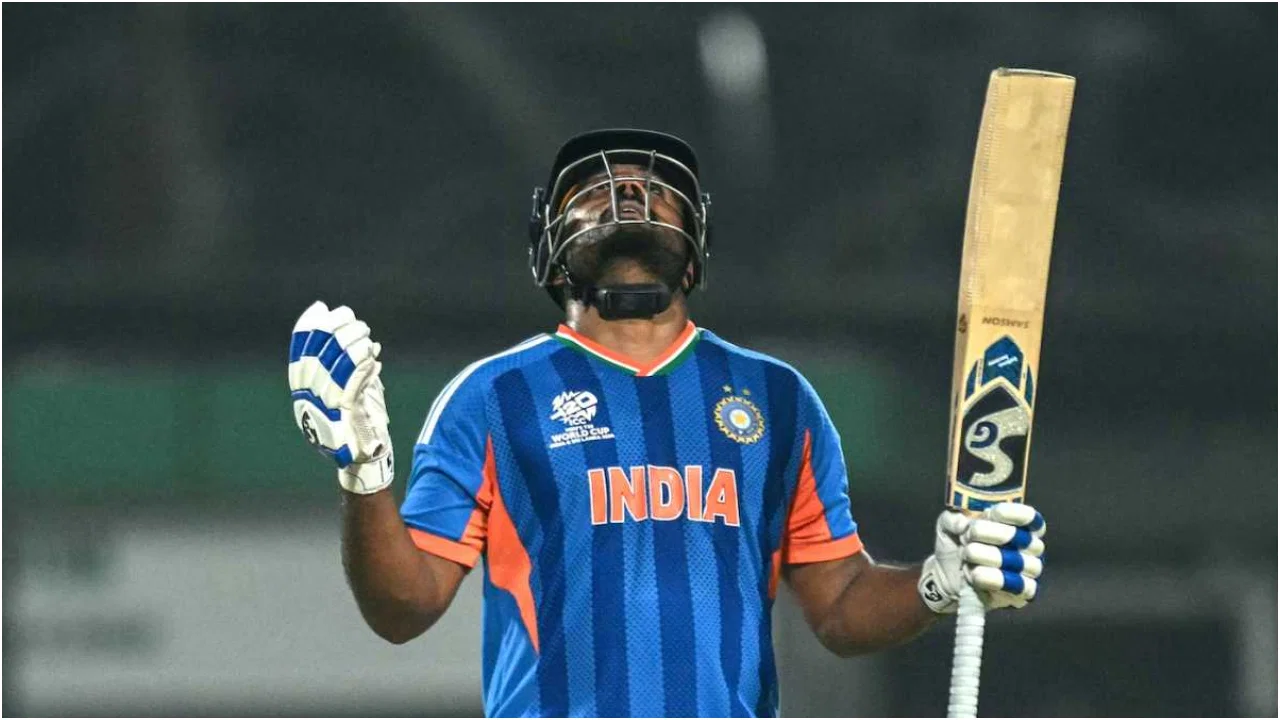
India vs Pakistan bilateral series unlikely, ICC explores tri-series option
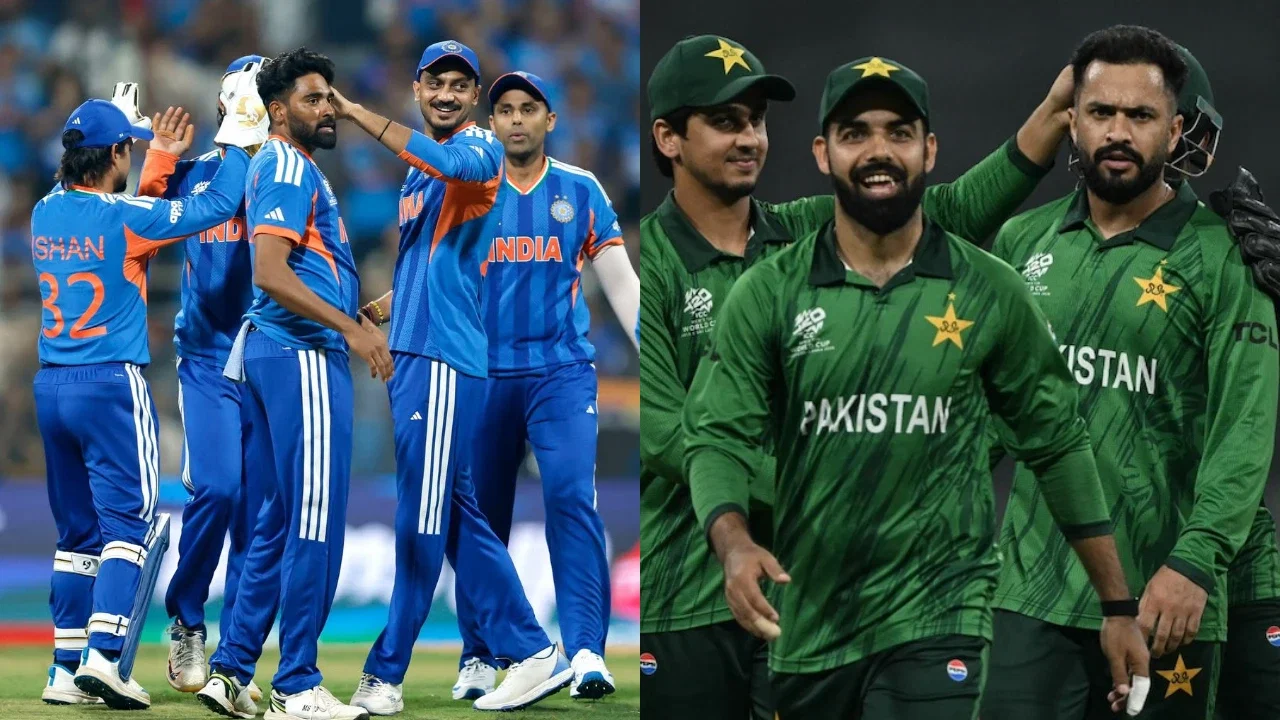
The Enduring Legacy of the India vs Pakistan Cricket Rivalry
For decades, the cricketing world has been captivated by the intense rivalry between India and Pakistan. This high-stakes, emotionally charged fixture transcends the boundaries of sport, symbolizing broader geopolitical tensions and national pride. The India vs Pakistan cricket rivalry has historically been one of the most-watched and eagerly anticipated matches on the international calendar, often drawing record-breaking viewership figures and creating unforgettable moments in cricket history.
A History of Dominance and Disjointed Encounters
While the rivalry has produced some of the most thrilling cricket moments, recent years have seen a noticeable imbalance in on-field dominance. The Indian cricket team, often referred to as the Men in Blue, has enjoyed a significant edge over Pakistan across major tournaments like the ICC Cricket World Cup, Asia Cup, and Champions Trophy. From strategic mastery to consistent performance, India has largely held sway in head-to-head contests, building a formidable record that fans and analysts frequently analyze and predict.
However, since 2013, bilateral cricket series between India and Pakistan have been conspicuously absent. This hiatus is primarily due to political tensions, diplomatic strains, and security concerns, which have prevented the two sides from engaging in direct bilateral series. Instead, their encounters have been limited to multi-national tournaments, where the rivalry is confined to the global stage. The last bilateral series was held in 2013, with Pakistan winning the ODI series and the T20I series ending in a draw—an exception in recent years of limited face-offs.
The Role of the International Cricket Council (ICC) and Future Predictions
Amidst these developments, the International Cricket Council (ICC) is actively exploring innovative ways to rekindle this iconic rivalry. Reports from ARY News and other sources suggest that the ICC is planning to organize a trilateral or quadrilateral cricket series involving India and Pakistan, potentially at neutral venues. This initiative aims to revive the spirit of cross-border cricket, foster sporting diplomacy, and boost revenues for the sport’s governing bodies.
During an upcoming ICC seminar scheduled for September 22–23 in Dubai, discussions will focus on the Future Tours Programme (FTP) for the 2027–2031 cycle. A key agenda item is the possibility of including India vs Pakistan matches in a multi-nation format, such as a tri-series or quadrilateral tournament. Such series were common in the late 1990s and early 2000s, often featuring India, Pakistan, Australia, and other cricket powerhouses, creating a vibrant competitive landscape that fans still fondly remember.
Why the Shift Towards Multilateral Series?
The idea of integrating India and Pakistan into multi-national series stems from multiple strategic motives. Primarily, these formats are believed to generate higher revenue streams through increased viewership, sponsorship, and global broadcasting rights. Additionally, neutral venues—such as Dubai, the United Arab Emirates, or other cricket-friendly regions—offer a safe and politically acceptable environment for hosting these high-profile contests.
India’s enthusiasm for such formats is notable. The BCCI has expressed a keen interest in reviving multi-team series, viewing them as an opportunity to maintain the cricket rivalry while mitigating diplomatic complications. The last major tri-series involving India and Pakistan was the 2008 Kitply Cup, which included Bangladesh as a host nation. Since then, direct bilateral series have been replaced by sporadic appearances in global tournaments, with the rivalry suffering from the lack of regular, predictable encounters.
Challenges and Political Realities Impacting the Cricket Rivalry
The primary obstacle to a regular India vs Pakistan bilateral series is the complex geopolitical relationship between the two nations. Diplomatic tensions, security concerns, and historical incidents have consistently hampered efforts to schedule bilateral cricket matches. Notably, recent incidents—such as the Pahalgam attack in 2025, which resulted in Indian casualties—have further strained relations and led to calls for boycotts and restrictions on cricketing exchanges.
During the Asia Cup 2025, tensions came to the forefront when India’s captain Suryakumar Yadav and the BCCI opted not to participate in traditional pre- and post-match handshakes with Pakistani players. The refusal symbolized the deep-rooted political discord influencing sporting interactions. Moreover, the refusal of the Pakistan Cricket Board (PCB) to play the scheduled T20 World Cup match against India in 2026, citing governmental restrictions, underscored the fragile nature of cricket diplomacy between the two countries.
Recent Incidents and Their Impact on the Rivalry
The fallout from geopolitical issues extends beyond scheduling. During the Asia Cup 2025, the controversy escalated when Indian players refused to shake hands with Pakistani counterparts after the match, and the Indian team refused to accept the trophy handed over by Mohsin Naqvi, the president of the Asian Cricket Council and chairman of the PCB. This symbolic gesture underscored the deterioration of cricketing camaraderie amid diplomatic tensions.
Despite these setbacks, cricket remains a unifying sport with the potential to foster dialogue and understanding. The ICC’s plans for future series, including trilateral and quadrilateral formats, could serve as a new chapter in the evolving India vs Pakistan cricket rivalry, blending sports diplomacy with competitive spirit.
What the Future Holds for India-Pakistan Cricket Prediction
Looking ahead, the prediction of future encounters between India and Pakistan hinges on several factors. While the political landscape remains complex, there is cautious optimism among cricket fans and officials that the ICC’s initiatives could pave the way for a more regular and predictable cricket rivalry. The potential inclusion of India vs Pakistan matches in multi-team tournaments hosted at neutral venues might become a new norm, balancing sporting interests with diplomatic considerations.
Cricket experts and analysts believe that the next decade could witness a transformation in the India-Pakistan cricket relationship, driven by innovative formats, diplomatic efforts, and growing commercial interests. The prediction is that, if these series are successfully implemented, they could not only revive the rivalry but also set a precedent for sports as a platform for peace and diplomacy in South Asia.
Conclusion: The Road Ahead for Cricket’s Most Iconic Rivalry
The India vs Pakistan cricket rivalry remains one of the most captivating narratives in the sport’s history. While recent years have seen a decline in direct bilateral contests due to geopolitical tensions, the ICC’s efforts to organize multi-nation series offer a promising alternative. These upcoming initiatives could redefine the prediction of future matches, blending competitive cricket with the broader goal of fostering peace through sport.
As fans eagerly await the next chapter of this storied rivalry, the hope is that cricket will continue to serve as a bridge—uniting two nations through shared passion, exciting competition, and the timeless appeal of the beautiful game. The prediction for the future is optimistic: with diplomatic diplomacy and innovative tournament formats, the India vs Pakistan cricket rivalry could once again take center stage on the global stage, inspiring generations to come.
Latest News
India vs Pakistan bilateral series unlikely, ICC explores tri-series option
India vs Pakistan bilateral series unlikely, ICC explores tri-series option

Imran Khan’s sons call Mohsin Naqvi a ‘fool’ after reported Lord’s Test withdrawal threat
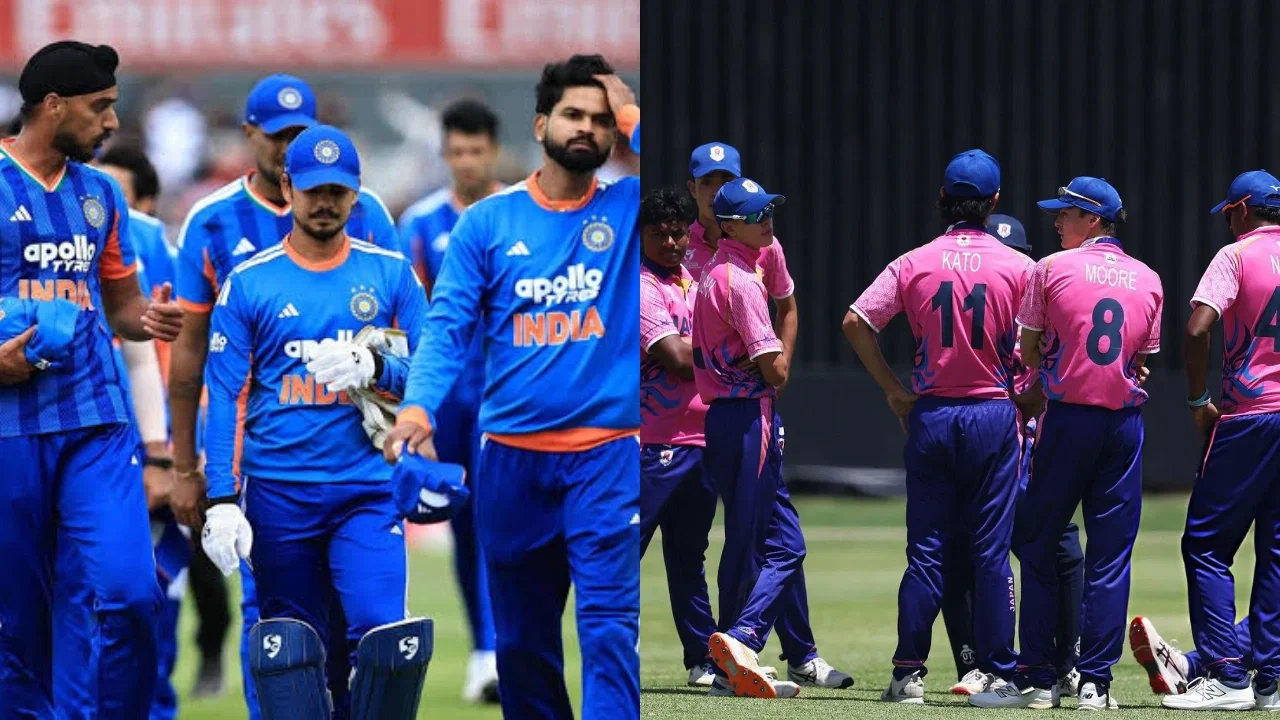
India vs Japan T20I broadcast deal takes shape, FanCode among top contenders
GUY vs SKN Dream11 Prediction Today Match, My11Circle Prediction, Dream11 Team Today, Fantasy Cricket Tips, Playing XI, Pitch Report, Injury Update- CPL 2026, Match 28
BPL should be held every year: Aminul Haque confirms BPL future after BCB suspension decision

Ishan Kishan’s GF shares heartfelt message after keeper-batter’s Duleep Trophy century
India’s Test Schedule vs England, Australia Revealed Till 2031
Shree Charani reveals India’s secret plan after Pakistan’s 55-run collapse

Arlene Kelly announces international retirement after England series
Ishan Kishan continues amazing form, smashes hundred in Duleep Trophy final
Sai Kishore picks 5-wickets for just 6 runs as Gloucestershire crush Derbyshire

Watch: Mohammed Siraj sledges Ishan Kishan, targets him with bouncers in Duleep Trophy
Ajit Agarkar attends Duleep trophy 2026 final after skipping BCCI meeting