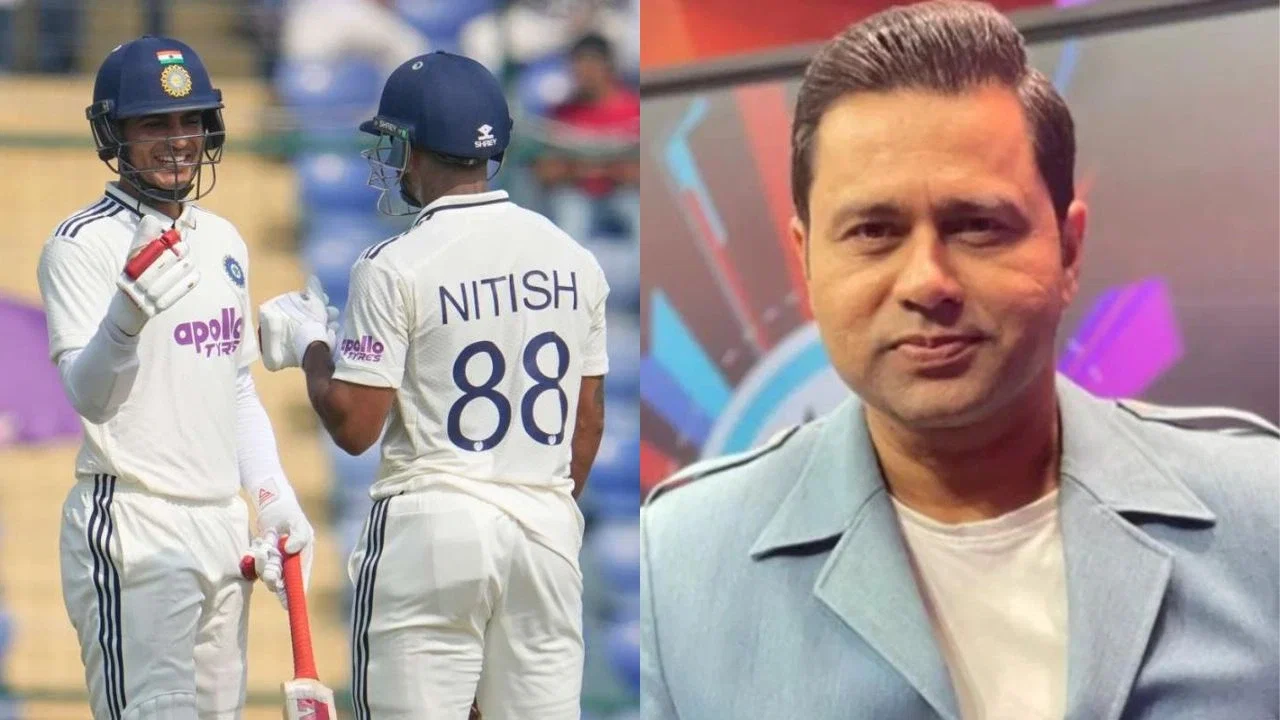
India vs Pakistan No-Handshake Saga: Complete Timeline Since 2025
The No-Handshake Saga in India vs Pakistan Cricket: A Deep Dive into the Rising Trend
Since September 2025, a peculiar and increasingly prominent phenomenon has captured the attention of cricket fans, analysts, and sports commentators worldwide—the deliberate avoidance of the traditional handshake between the Indian and Pakistani cricket teams. This shift, rooted in political tensions and recent security incidents, has sparked a broader conversation about the intersection of sportsmanship, nationalism, and diplomacy on the cricket field. In this article, we explore the origins of this no-handshake trend, its evolution across different formats, its implications for future matches, and what predictions can be made about this phenomenon in the context of India-Pakistan cricket relations.
Understanding the Roots of the No-Handshake Practice
The origins of the no-handshake practice between India and Pakistan can be traced back to the volatile geopolitical climate following the Pahalgam terror attack and Operation Sindoor in 2025. These events heightened tensions between the two nations, casting a shadow over sporting interactions. The first noticeable shift occurred during the Men’s Asia Cup 2025 held in Dubai, where players from both teams consciously chose to avoid the customary pre- and post-match handshakes, signaling a silent protest and a reflection of the strained diplomatic relations.
This practice was not merely a matter of sports etiquette but became intertwined with national sentiments and political messaging. The act of avoiding the handshake was seen by many as a symbol of protest, a way for players to express disapproval and solidarity with their respective countries amid ongoing conflicts and tensions.
The Evolution of No-Handshake Practices Across Formats
Men’s Cricket: From Asia Cup to World Cup
The trend was first observed during the Men’s Asia Cup 2025, where India and Pakistan’s encounters became marked by the absence of the traditional gestures of sportsmanship. Notably, after their initial match in Dubai, players from both sides refused to shake hands, and the practice persisted through subsequent meetings, including the crucial Super Four stage and the final. For example, during the Asia Cup final on September 28, 2025, Pakistan posted 146 runs, and India chased the target with resilience, but the players did not exchange handshakes afterwards, reflecting the palpable tension on the field.
The trend extended beyond limited-overs cricket. In the ICC Men’s T20 World Cup held in Colombo in February 2026, India’s commanding victory over Pakistan was once again marked by the absence of post-match handshakes. Ishan Kishan’s explosive innings of 77 off 40 balls helped India secure a 61-run victory, with the players walking off in silence, emphasizing the ongoing discord.
Women’s Cricket: A Similar Pattern Emerges
The no-handshake stance was not confined to the men’s game. During the Women’s Asia Cup 2025 in Colombo, India’s women’s team posted a dominant score of 247, defeating Pakistan comfortably. Yet, the players avoided the customary post-match greetings, mirroring the men’s teams’ approach. This pattern continued through subsequent tournaments, including the Women’s T20 World Cup in Birmingham in June 2026, where India’s women’s team defeated Pakistan in a commanding 64-run victory.
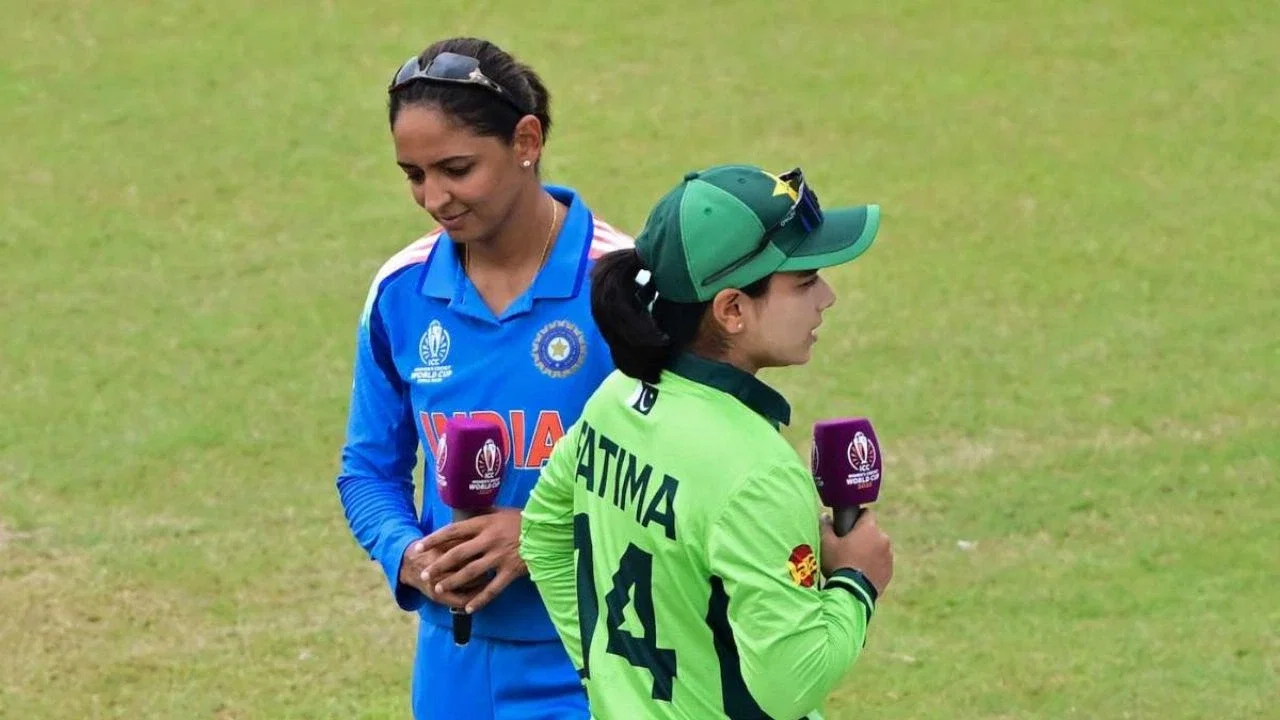
The latest instance came during the Women’s Asia Cup in Dubai on September 5, 2026. Pakistan was bowled out for just 55 runs, and India chased down the target in under nine overs. Once again, the teams did not exchange the traditional gestures, with players like Harmanpreet Kaur and Fatima Sana deliberately avoiding eye contact at the toss and walking in separate directions after the national anthems. Such consistent behaviors suggest a deliberate effort to redefine sportsmanship amidst political discord.
Extending the Trend: Youth and Associate Level Cricket
The no-handshake practice has also permeated through age-group and associate-level cricket. In the Asia Cup Rising Stars tournament in Doha, India A and Pakistan Shaheens faced off, with Pakistan emerging victorious. Similarly, at the U-19 level, India U-19 and Pakistan U-19 clashed multiple times in the Asia Cup and World Cup tournaments, with players maintaining physical distance and avoiding post-match handshakes.
This pattern reflects a larger sentiment among young cricketers, who are increasingly aware of the political undercurrents shaping their international careers. The practice at youth levels indicates a broader shift in how cricket is perceived as a platform not just for sport but also for nationalism and diplomatic signaling.
Exceptions to the No-Handshake Trend
Despite the widespread adoption of the no-handshake stance, there have been notable exceptions. During the Men’s Hockey World Cup in Amstelveen in August 2025, players from India and Pakistan shook hands before and after the match, emphasizing that the practice is not universally applied across all sports or even within cricket.
Similarly, during the November 2025 Blind Women’s T20 World Cup, teams from India and Pakistan shook hands after their match, highlighting that the no-handshake trend is specific to certain contexts and perhaps more reflective of current political tensions than a universal sportsmanship rule.
Implications and Future Predictions
As the no-handshake practice continues to dominate India-Pakistan cricket encounters, several questions arise regarding its future trajectory. Will this trend persist, or is it a temporary response to specific political tensions? Based on current developments, predictions suggest that this practice may become a long-term feature, especially if diplomatic relations remain strained.
Analysts predict that unless there is a significant thaw in political relations, Indian and Pakistani players may continue to avoid traditional gestures of sportsmanship during international matches. This could further influence the tone and atmosphere of future encounters, potentially impacting fan engagement and diplomatic perceptions of cricket as a unifying sport.
However, some experts believe that a return to traditional sportsmanship could occur if diplomatic efforts succeed or if players themselves advocate for a separation of politics and sport. The upcoming Women’s Asia Cup final, if India and Pakistan meet again, could serve as a litmus test for whether the no-handshake trend is a permanent fixture or a passing phase driven by external factors.
Conclusion: The Prediction for India-Pakistan Cricket Relations
The ongoing no-handshake saga between India and Pakistan reflects deeper geopolitical currents influencing sports. While the trend underscores the impact of political tensions on cricketing interactions, it also raises questions about the role of sportsmanship in international cricket. As predictions indicate, unless there is a meaningful improvement in diplomatic relations, the absence of handshakes may persist, serving as a silent symbol of ongoing discord.
Nevertheless, cricket lovers and stakeholders hope that future encounters will prioritize the spirit of sport—regardless of political differences—and that gestures of respect and goodwill, such as handshakes, will eventually return to the cricket field. Until then, the prediction remains that the no-handshake trend will continue to define the India-Pakistan cricket rivalry, shaping its narrative for years to come.
Latest News
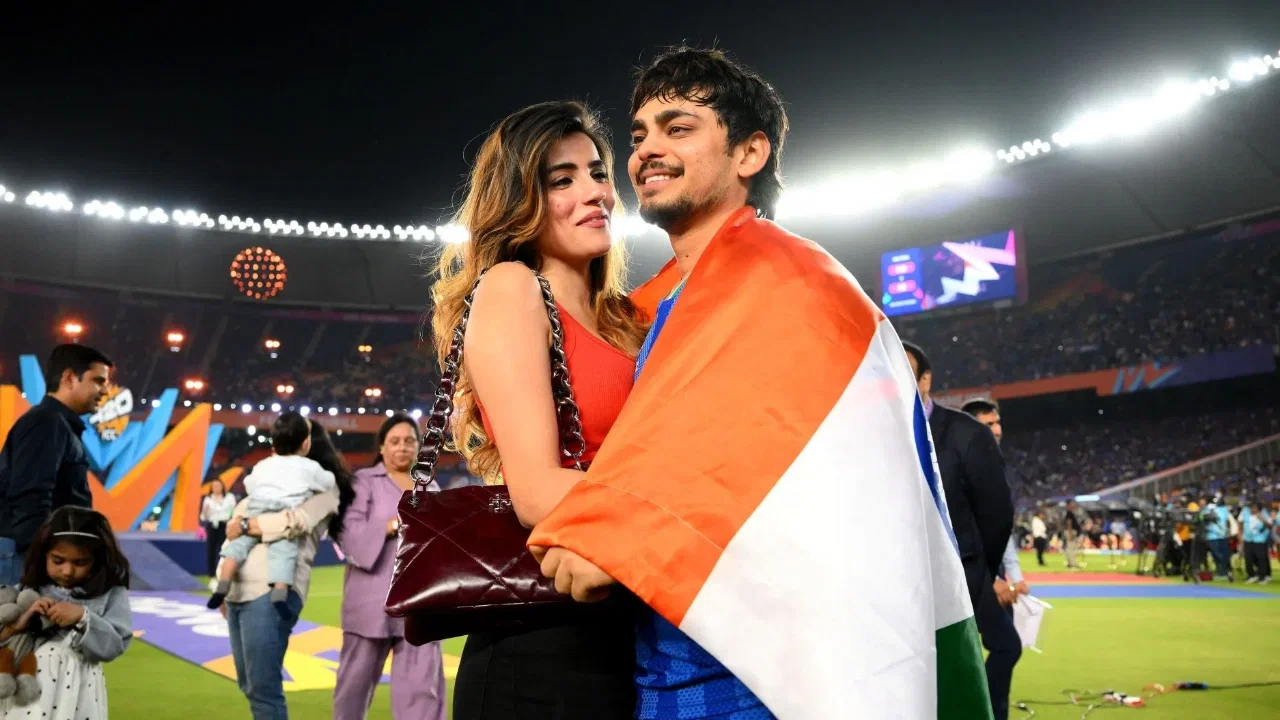
Ishan Kishan’s GF shares heartfelt message after keeper-batter’s Duleep Trophy century
India’s Test Schedule vs England, Australia Revealed Till 2031
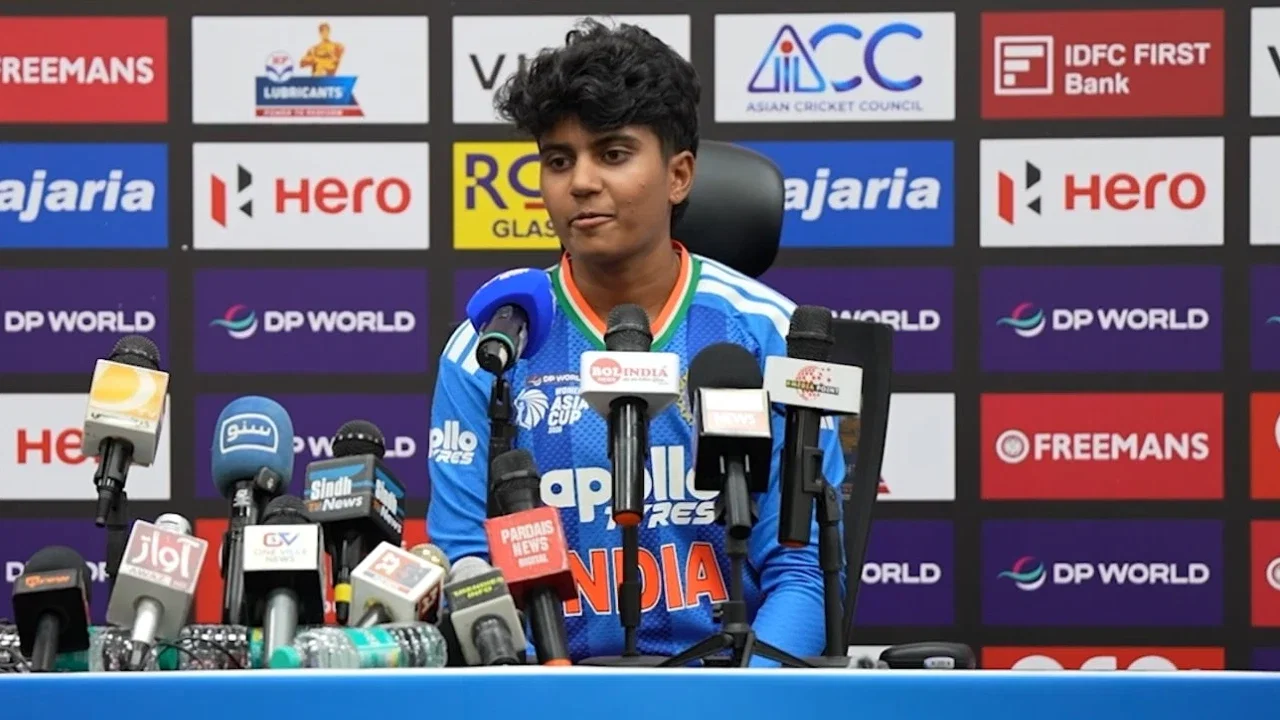
Shree Charani reveals India’s secret plan after Pakistan’s 55-run collapse
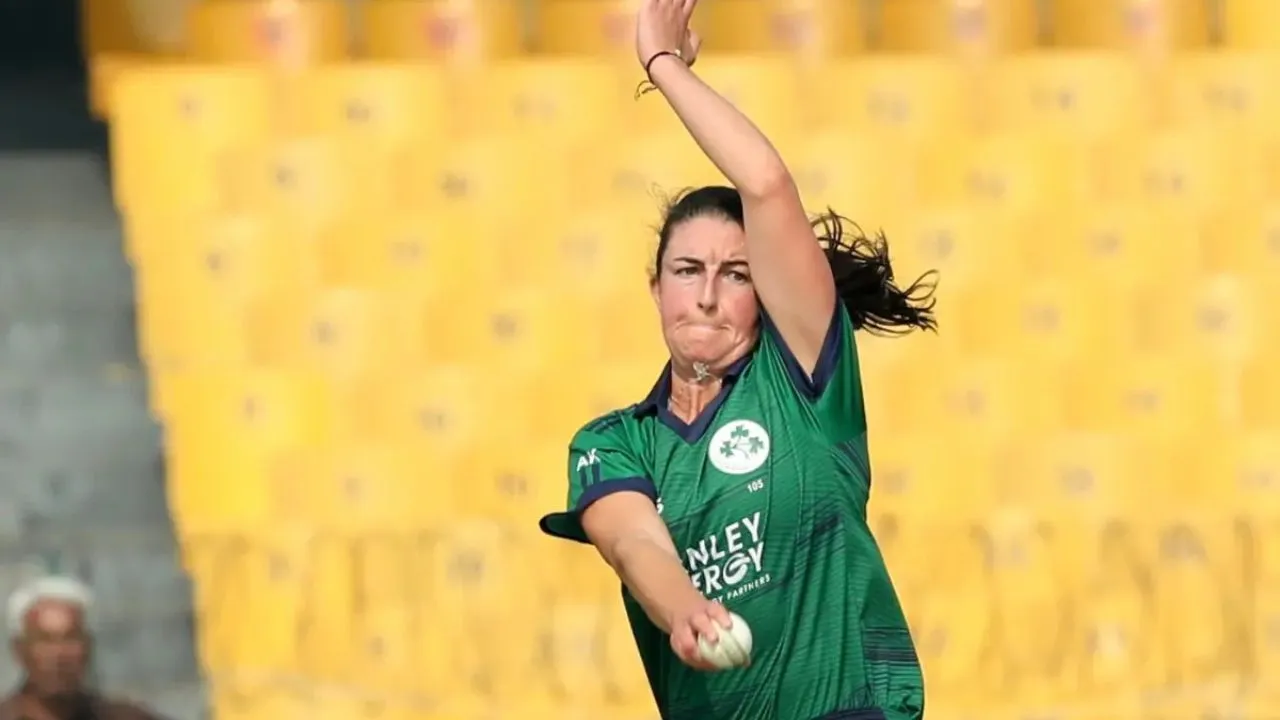
Arlene Kelly announces international retirement after England series
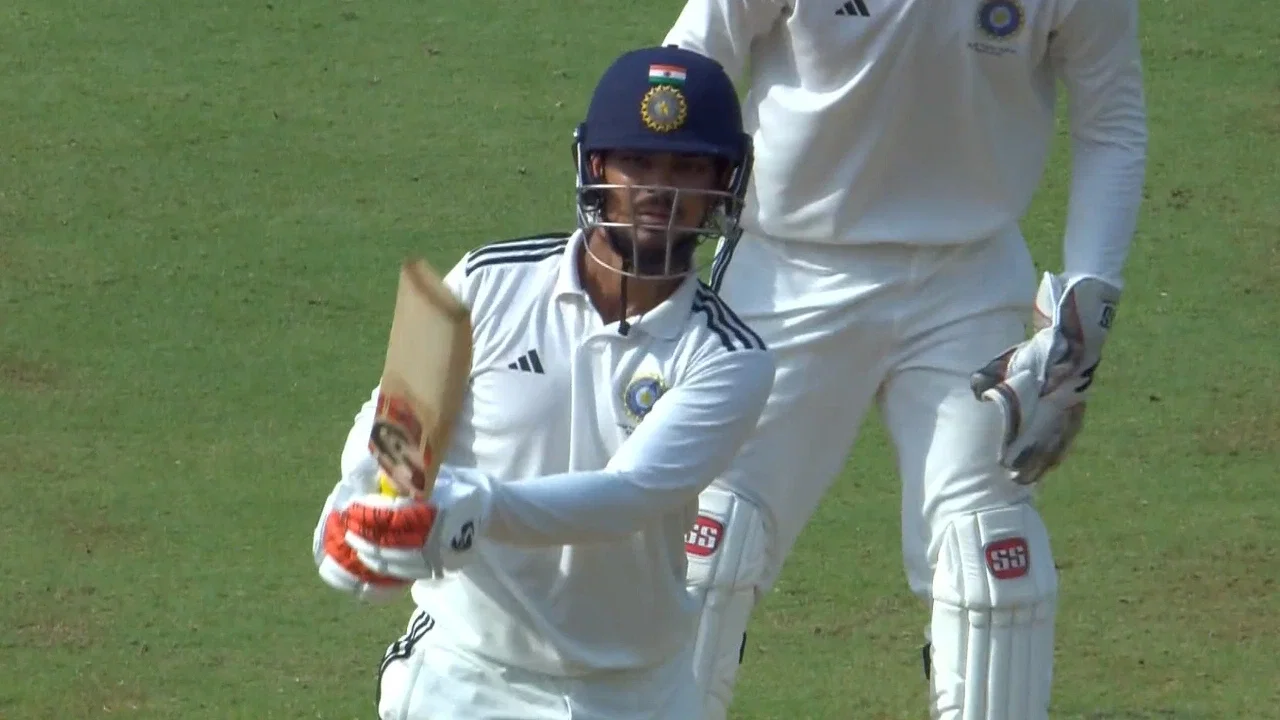
Ishan Kishan continues amazing form, smashes hundred in Duleep Trophy final
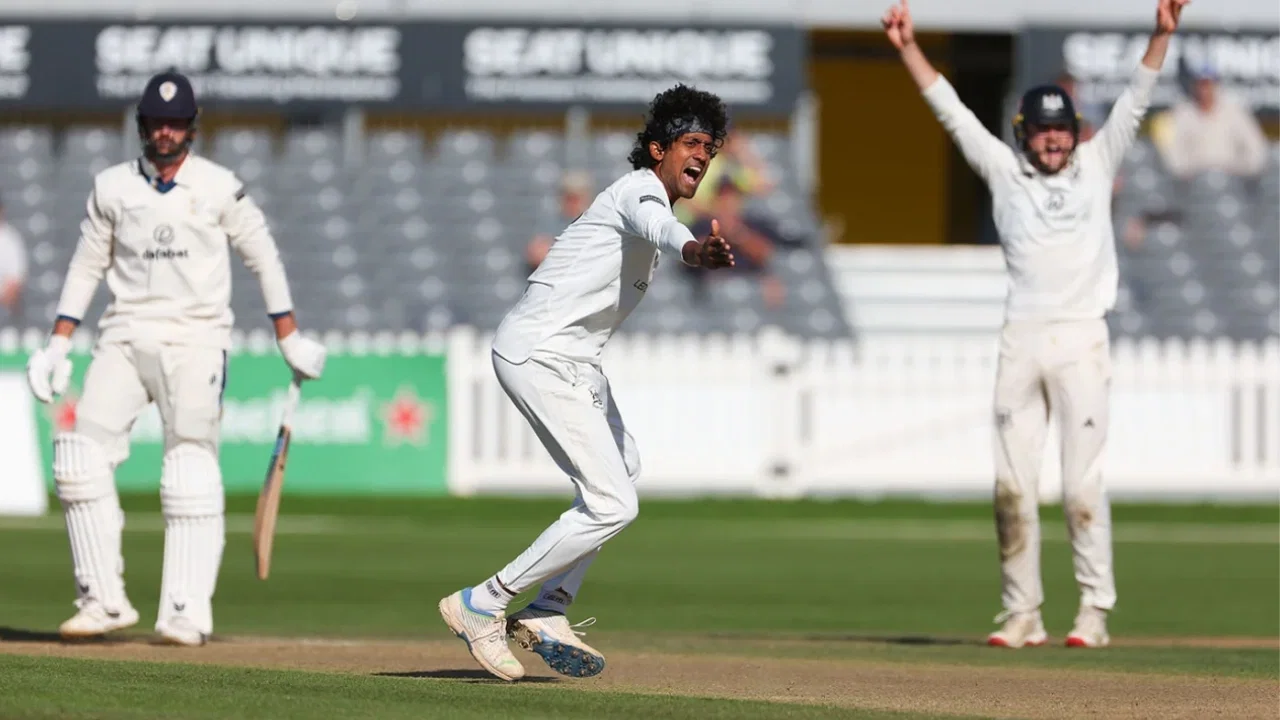
Sai Kishore picks 5-wickets for just 6 runs as Gloucestershire crush Derbyshire
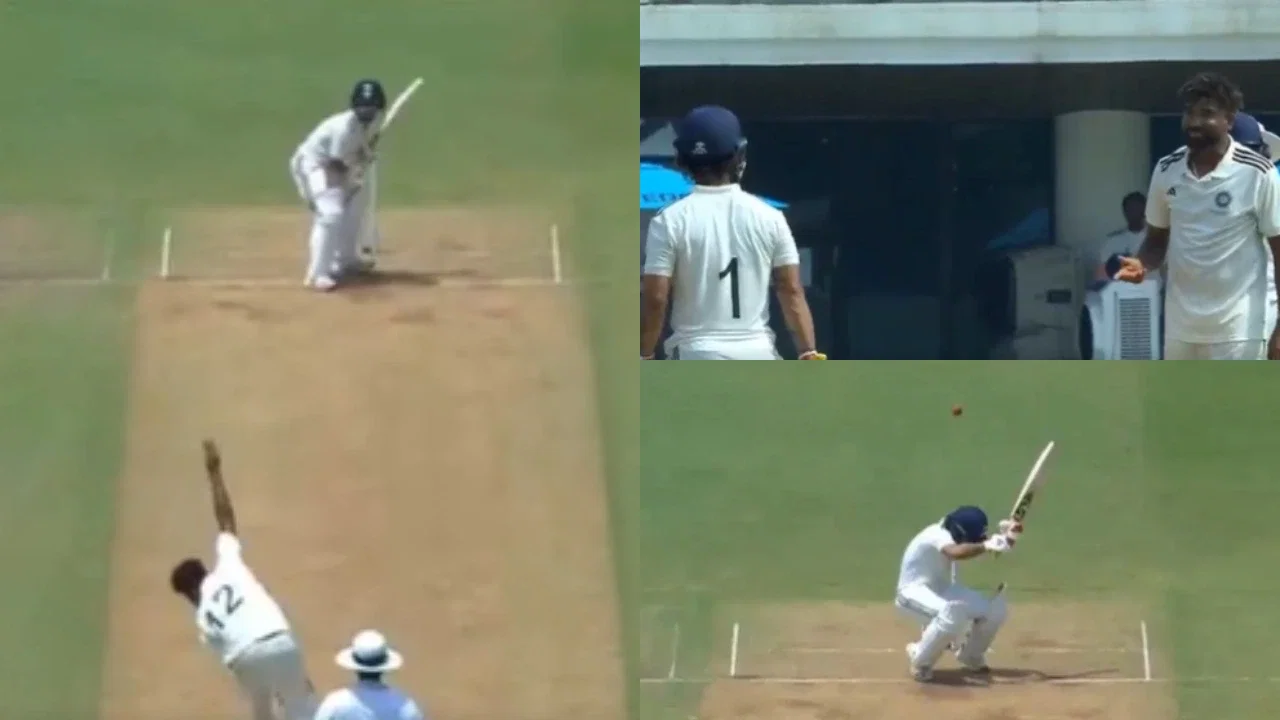
Watch: Mohammed Siraj sledges Ishan Kishan, targets him with bouncers in Duleep Trophy
Ajit Agarkar attends Duleep trophy 2026 final after skipping BCCI meeting
EX-RCB opener names better options than Sanju Samson for India’s ODI World Cup squad
Rajat Patidar reveals how Virat Kohli helped him become RCB captain
Mohammad Yousuf backs PCB’s mass-sacking policy amid Pakistan cricket crisis
India vs Pakistan Head-to-Head: Complete Record Across World Cups, Asia Cup & More
Imam-ul-Haq ‘Fake Injury’ Row: Basit Ali demands legal action; Saeed Ajmal criticizes PCB
India vs Pakistan No-Handshake Saga: Complete Timeline Since 2025