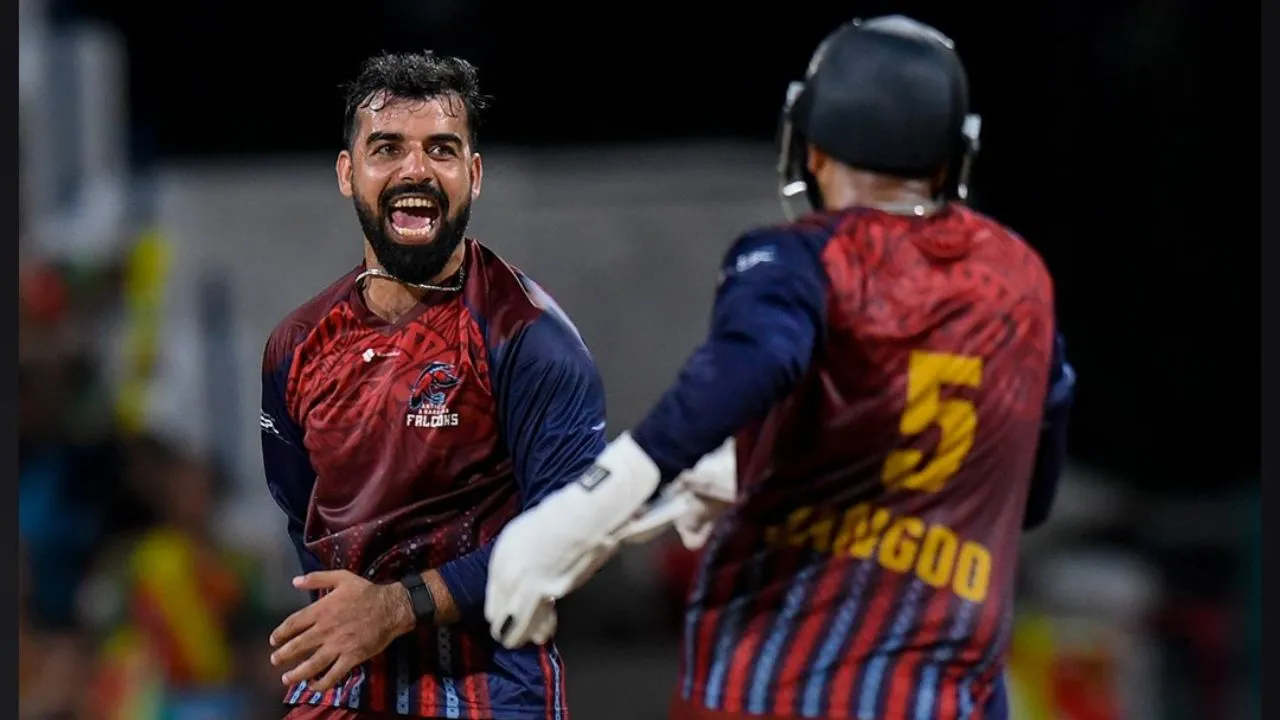
Indian cricketers expected to accept Asian Games medals from Mohsin Naqvi if OCA delegates role
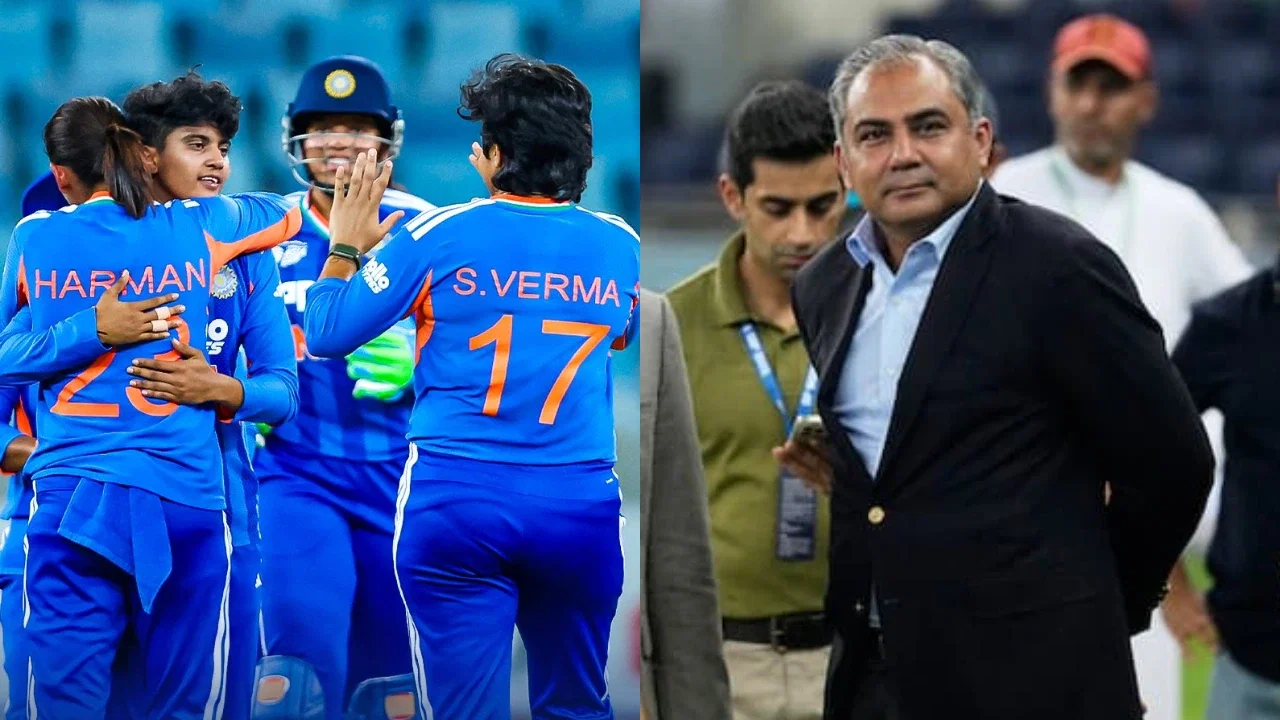
Uncertainty Surrounds Indian Cricket Teams’ Asian Games Medal Ceremony Amid Political and Procedural Tensions
The upcoming 2026 Asian Games in Aichi-Nagoya are set to showcase some of Asia’s most talented athletes, including India’s celebrated men’s and women’s cricket teams. However, a significant controversy has emerged surrounding the potential presentation of medals, with implications that could influence the teams’ participation and the event’s official protocols.
Possible Involvement of Mohsin Naqvi in Medal Presentations Sparks Debate
According to recent reports from The Times of India, the Indian cricket teams could be required to accept their medals from Mohsin Naqvi, the Pakistani politician serving as the President of the Asian Cricket Council (ACC). Naqvi also holds the position of Interior Minister in Pakistan’s government, a role that has added a layer of political sensitivity to the proceedings.
The Olympic Council of Asia (OCA) has the authority to assign the role of medal presenter during the Asian Games. As per OCA Rule 66, the medals are traditionally presented by the OCA president or a designated representative. However, the involvement of Naqvi—given his high-profile political and administrative roles—has raised questions about the neutrality and diplomatic implications of such a decision.
Should the OCA delegate the responsibility to Naqvi, India’s teams are expected to participate in the ceremony, potentially facing diplomatic dilemmas or protests. This has ignited a debate on whether India will accept medals presented by a Pakistani official amid ongoing political tensions between the two nations.
India’s Focus on Athletic Excellence Over Ceremony Politics
Despite the brewing controversy, the Board of Control for Cricket in India (BCCI) remains singularly focused on the cricket competition itself. BCCI secretary Devajit Saikia emphasized that the priority for the Indian teams is to deliver their best performance on the field, with little regard for the ceremonial aspects that may unfold later.
Saikia stated, “Our immediate focus is on the matches. The teams need to qualify for the podium first. Only then will we evaluate the situation regarding the medal ceremony. We are not getting distracted by what might happen; our goal remains to win.” This pragmatic stance underscores India’s steadfast commitment to athletic excellence, even amid political and procedural uncertainties.
The Official Protocol for Medal Presentations at the Asian Games
The OCA’s rules lay out specific guidelines for medal ceremonies. According to Article 66 of the OCA Constitution, the medals are to be presented by the OCA president or a delegate appointed by him. The rule also states that the delegate must be accompanied by officials from the relevant sports federation, ensuring a formal and standardized process.
Importantly, the rules prohibit any propaganda during the ceremony—be it commercial, political, religious, or racial. This stipulation aims to maintain the integrity and neutrality of the event, emphasizing the importance of sportsmanship and diplomacy.
If the OCA chooses to delegate the presentation to Naqvi, it will be a test of the organization’s commitment to neutrality amid geopolitical sensitivities. The Indian Olympic Association (IOA) is expected to adhere strictly to the protocol, regardless of the political undertones involved in the decision.
Historical Context: The Disputed Trophies and Political Tensions
This controversy is not entirely new. Recent events involving Naqvi highlight the ongoing political tensions surrounding sports diplomacy between India and Pakistan. During the recent Asia Cup tournaments, Naqvi presented medals and trophies but was involved in disputes over the ceremony procedures.
In the 2026 Women’s Asia Cup final held at Dubai International Cricket Stadium, India’s women’s team emerged victorious over Sri Lanka, securing their eighth title—an all-time record. Harmanpreet Kaur’s side posted a competitive total of 183/5, with standout performances from Shafali Verma (68) and Smriti Mandhana (59). Sri Lanka was bowled out for 111, with Shree Charani claiming 4 wickets and Deepti Sharma grabbing 3.
Naqvi presented the runners-up medals and the monetary prize to Sri Lanka’s captain Chamari Athapaththu, but notably, the Indian team did not receive the championship trophy during the ceremony. A similar scenario unfolded after the men’s Asia Cup final in 2025, where India’s Suryakumar Yadav’s team defeated Pakistan but refused to accept the winner’s trophy from Naqvi, citing political reasons and diplomatic sensitivities.
Prediction and Future Outlook: Navigating Diplomatic and Sporting Challenges
The unfolding situation at the Asian Games raises critical questions about the future of sports diplomacy in Asia. The prediction of how this controversy will unfold hinges on multiple factors, including the OCA’s final decision, India’s stance, and the broader geopolitical climate.
Experts suggest that the OCA may lean toward maintaining neutrality by adhering to established protocols, potentially assigning the medal-presenting role to a neutral or high-ranking official uninvolved in political controversies. Alternatively, if Naqvi is designated as the presenter, it could lead to protests or a refusal to participate by the Indian teams, thereby affecting the integrity and smooth conduct of the ceremony.
Moreover, this incident underscores the broader debate about the role of politics in sports. While the Asian Games aim to foster unity and competition among Asian nations, political tensions often cast a shadow over the event, challenging organizers to balance diplomatic sensitivities with the spirit of sportsmanship.
Conclusion: Prediction and Preparation Amid Uncertainty
As the countdown to the 2026 Asian Games continues, all eyes are on the OCA’s decision regarding the medal presentation protocol. The Indian cricket teams, already favorites for gold medals, are now also at the center of a diplomatic and procedural debate that could influence their experience at the Games.
The prediction remains uncertain—will the medals be handed over by a political figure, or will the ceremony proceed with a neutral delegate? Regardless of the outcome, India’s focus on winning gold and maintaining sporting integrity remains unwavering. The incident serves as a reminder of how sports, diplomacy, and politics are often intertwined in the realm of international competitions, and how each stakeholder must navigate these complexities with tact and resilience.
In the end, the 2026 Asian Games will not only test athletic prowess but also the ability of Asian sports organizations to uphold neutrality and fairness amid geopolitical challenges. The outcome of this prediction will likely set a precedent for future multi-national sporting events in the region.
Latest News
Rohit Sharma factor behind Ajit Agarkar’s exit, Zaheer Khan in line for BCCI chief selector role
Indian cricketers expected to accept Asian Games medals from Mohsin Naqvi if OCA delegates role
Abhishek Sharma has more talent than Yuvraj Singh, claims ex-Pakistan star
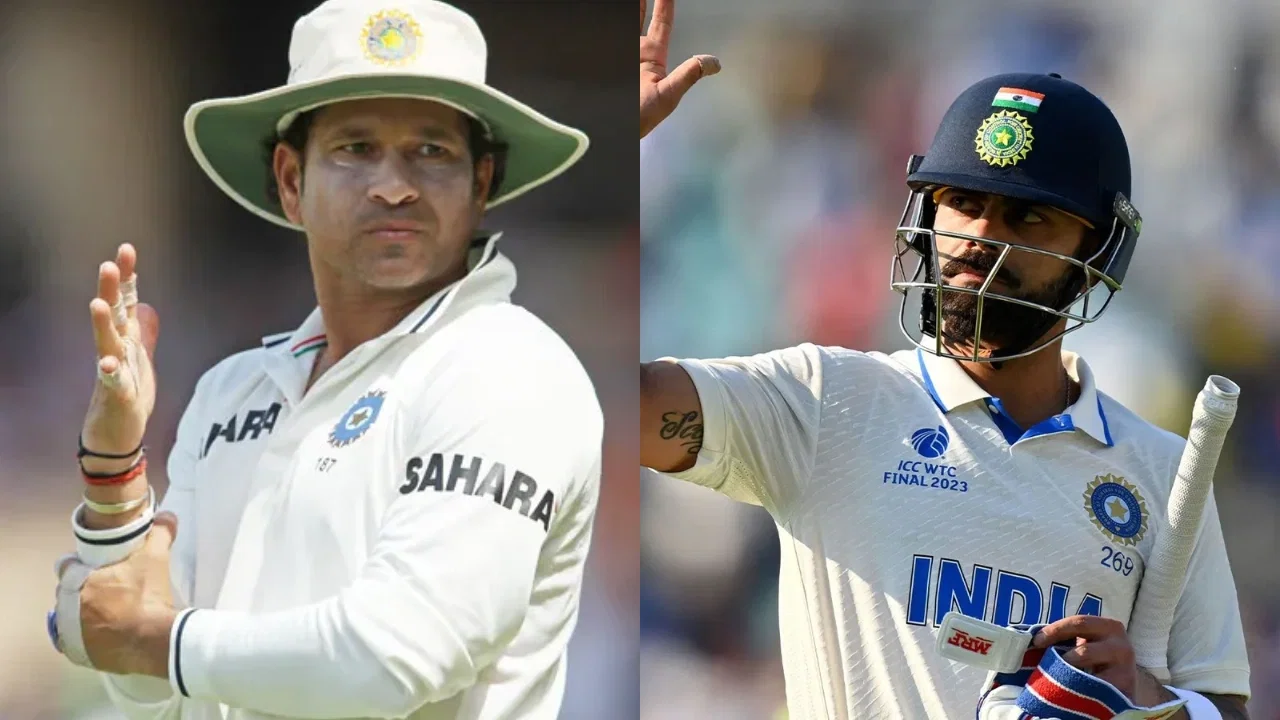
“Sachin Tendulkar was better than Virat Kohli” – Michael Holding gives verdict on GOAT debate

Virat Kohli’s childhood coach Rajkumar Sharma in contention for Delhi head coach role
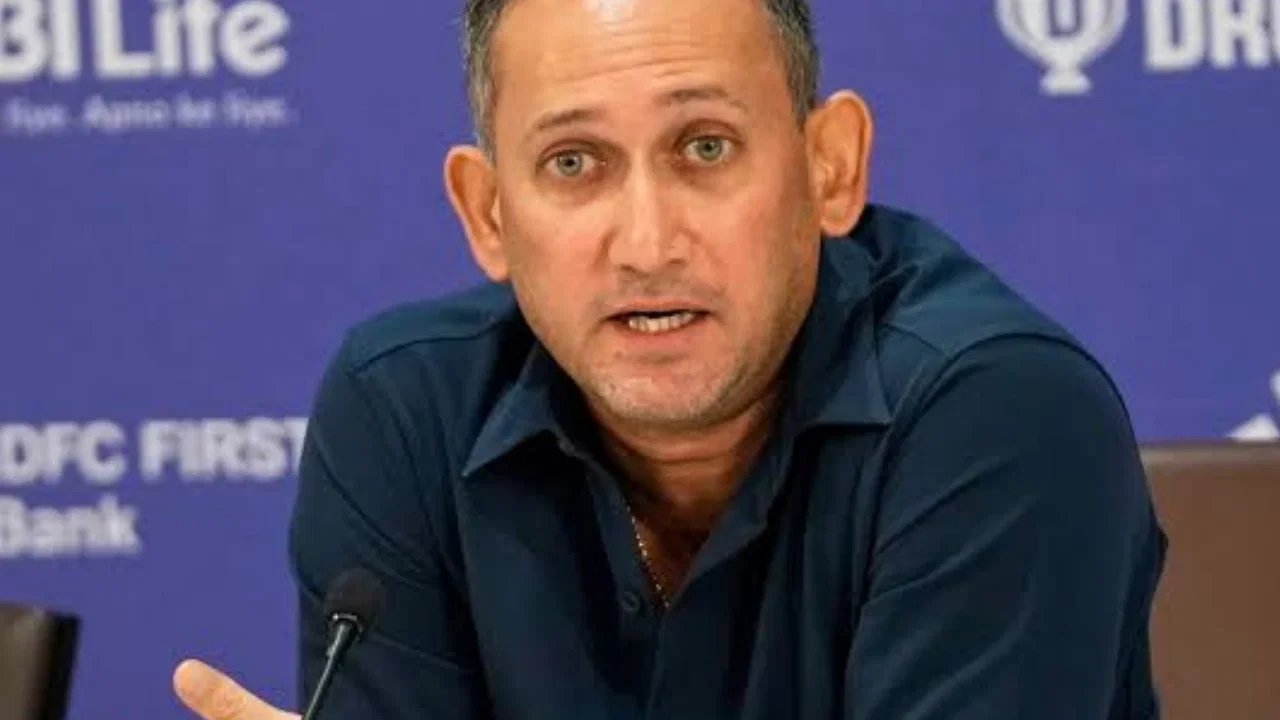
Ajit Agarkar future update: BCCI gives office bearers power to decide chief selector’s fate
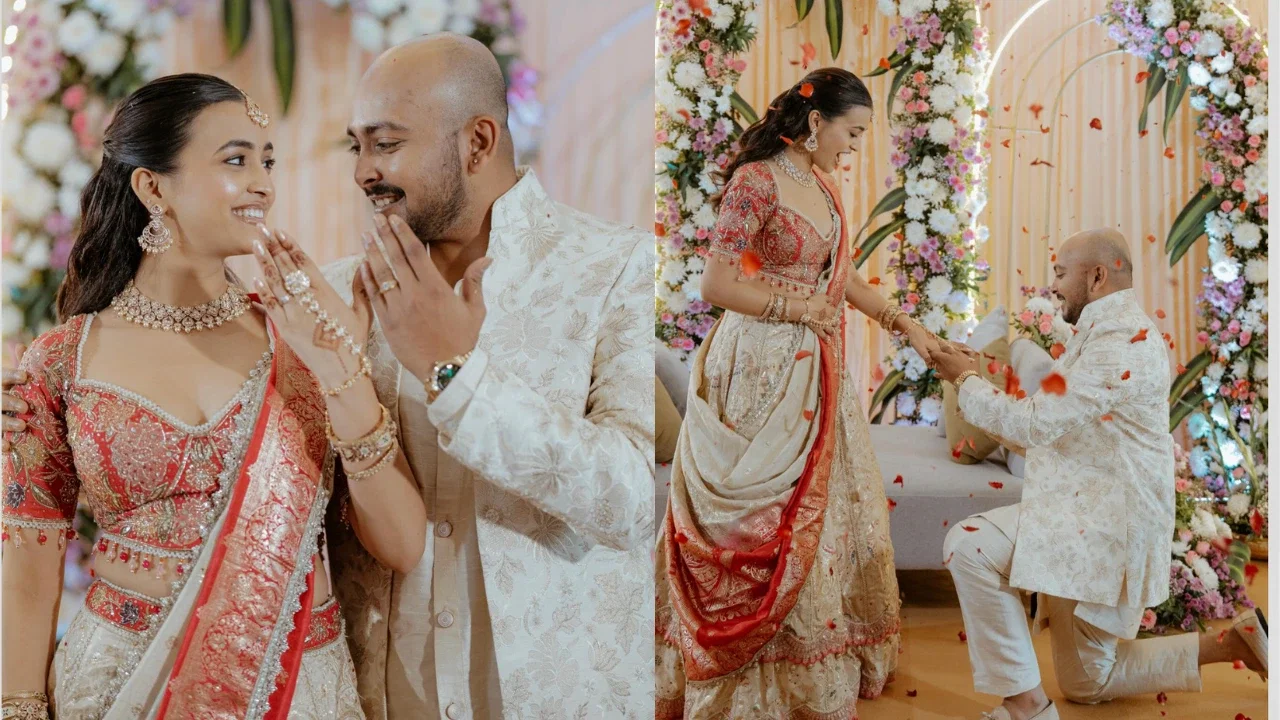
Prithvi Shaw dating history: From Akriti Agarwal to his past relationships
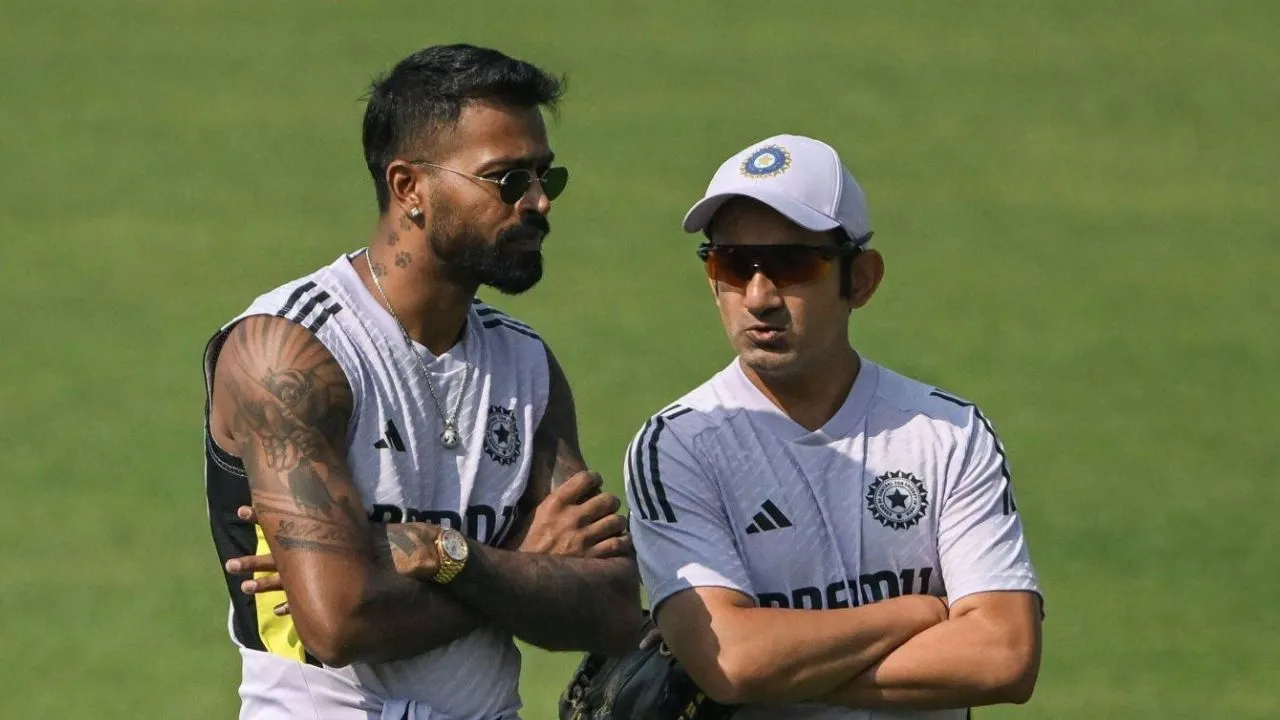
Gautam Gambhir provides Hardik Pandya injury update, reveals 10-over hurdle
Gautam Gambhir tells Vaibhav Sooryavanshi to keep warming the bench
Gautam Gambhir blames BCCI CoE for Shubman Gill’s poor captaincy form
“Haven’t reached 300”: Gautam Gambhir challenges Abhishek Sharma, Sanju Samson
From Prithvi Shaw to Ravi Shastri: 6 Indian cricketers with broken engagements or marriages
“Working on my bowling”: Rinku Singh outlines India comeback plans
New Zealand remove Ben Sawyer despite Women’s T20 World Cup win