

India’s 5 biggest defeats in ODI cricket history
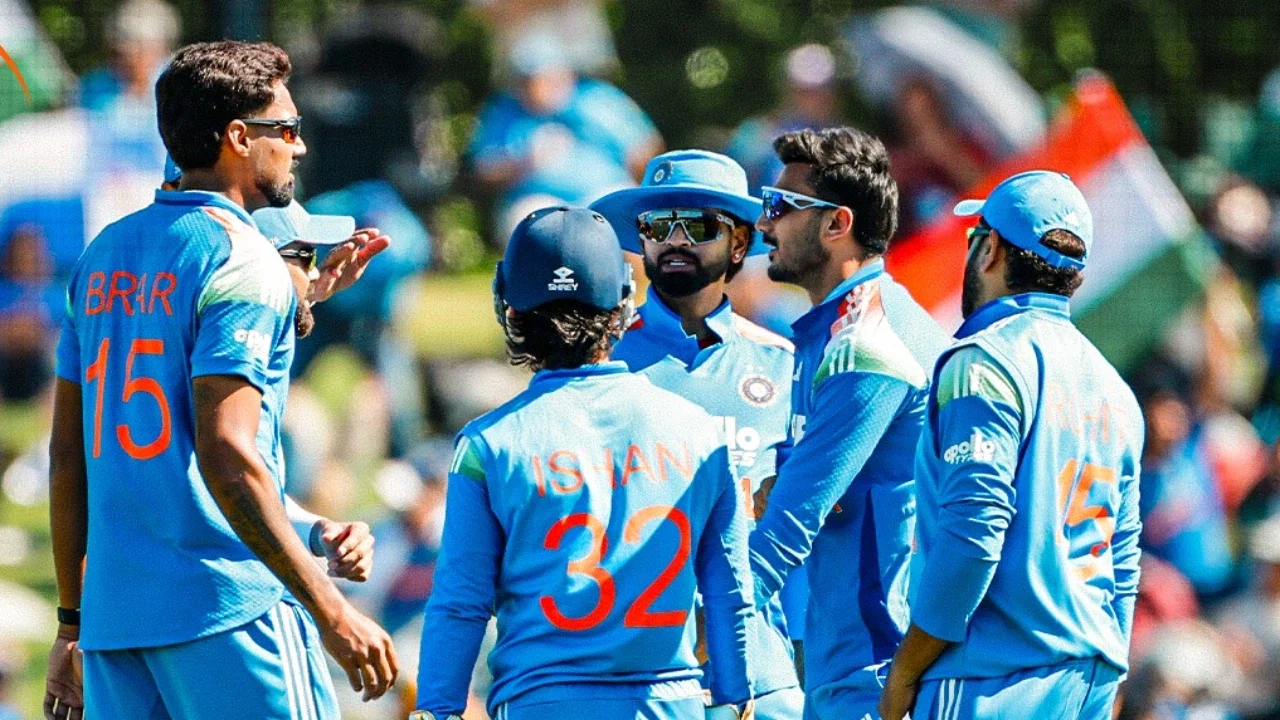
New Zealand Crush India by 244 Runs as Will Young’s Century Sets Up Bay Oval Rout
India suffered one of the heaviest defeats in their One Day International history after New Zealand stormed to a 244-run victory in the fourth ODI at Bay Oval, Mount Maunganui. Chasing a challenging target of 334, India were dismissed for just 89 in 26.4 overs on Friday, November 13, as a dramatic top-order collapse turned the match into a one-sided contest.
The result was India’s second-biggest loss by runs in ODI cricket, narrowly short of their record defeat. It also kept New Zealand alive in the five-match series, with the hosts producing a commanding performance after winning the toss and batting first. Will Young’s outstanding century gave New Zealand the platform, while Matt Henry’s devastating opening over left India with virtually no chance of mounting a successful chase.
India’s Second-Heavy ODI Defeat by Run Margin
India’s innings ended at 89, leaving them 244 runs short of New Zealand’s total of 333. The margin ranks as the second-largest defeat by runs in India’s ODI history, just one run behind their worst-ever result in the format.
That record loss came against Sri Lanka in Sharjah on October 29, 2000. Sri Lanka won by 245 runs after making 299 and bowling India out for 54. South Africa delivered India’s third-heaviest ODI defeat, winning by 214 runs in Mumbai in October 2015. Australia and England complete the top five, with victories by 208 and 202 runs respectively.
The scale of the Bay Oval defeat was made more striking by the target. A chase of 334 would have required a substantial opening partnership and a steady scoring rate, but India’s innings was in crisis before the scoreboard had recorded a run. The result is likely to prompt renewed discussion about India’s batting depth, the pressure of early wickets and the importance of a calm response when a chase begins badly.
Matt Henry’s Opening Over Changes the Match
New Zealand fast bowler Matt Henry produced the defining spell of the contest, taking three wickets in the first over of India’s reply. Returning to ODI cricket for his first appearance in the format since November 2025, Henry immediately found movement and precision, dismantling the visitors’ top order before they could settle.
Rohit Sharma fell to the first ball of the innings. Henry then bowled Virat Kohli for a four-ball duck with the fifth delivery, while Shreyas Iyer, leading India in the match, also departed without scoring. India were left three wickets down without a run on the board—a start that placed enormous pressure on the remaining batters.
Kyle Jamieson deepened the damage by dismissing Ruturaj Gaikwad, reducing India to 9 for 4. The collapse recalled India’s difficult start against New Zealand in the 2019 World Cup semi-final, when the same opposition’s seam attack also made early inroads. While the circumstances and stakes differed, the familiar pattern of a top order struggling against New Zealand’s disciplined pace bowling was difficult to ignore.
India’s Lower Order Delays the End
Ishan Kishan offered some resistance at number five, making 27 from 53 deliveries. His innings helped India avoid an even quicker finish, although the required rate had become unrealistic by the time he was at the crease. Axar Patel and Naman Dhir each contributed 21, with Dhir striking a few late sixes as India tried to push the total beyond the lowest point.
Those contributions, along with a handful of extras, helped India avoid their lowest-ever ODI score. However, they could not prevent a comprehensive defeat. Henry finished with six wickets, while Matt Fisher claimed three and Jamieson took the other wicket. The hosts’ bowlers maintained their pressure throughout, giving India little opportunity to rebuild after the disastrous opening over.
Will Young’s 125 Anchors New Zealand’s 333
Earlier, New Zealand had built a formidable total of 333 in their allotted 50 overs. Young led the way with a career-best 125 from 108 balls, striking 14 fours and four sixes. His innings was particularly valuable because he made the most of an early reprieve: India dropped him twice when he had scored just five.
Young’s ability to turn those missed chances into a match-defining century proved crucial. Rather than allowing the visitors to recover from their fielding errors, he steadily increased the pressure and ensured New Zealand had a total capable of testing India’s batting under the lights. His knock combined control with attacking intent, giving the innings both stability and momentum.
Tim Seifert also played an important role at the top of the order, scoring 58 and helping New Zealand establish a strong foundation. The partnership gave Young the time to build his innings, while the hosts’ middle order had a platform from which to keep the scoring moving. India eventually dismissed New Zealand’s final batter on the last delivery of the innings, but by then the damage had been done.
Auqib Nabi, Axar Patel and Gurnoor Brar took two wickets apiece for India. Their efforts prevented New Zealand from batting through the full 50 overs with wickets in hand, but the hosts’ total remained imposing. In the context of the match, India needed a strong start with the bat to stay in contention; instead, Henry’s first over effectively settled the contest.
What the Result Means for the Series
New Zealand’s victory keeps the hosts’ hopes alive in the five-match ODI series and gives them a major boost after a commanding all-round display. Young’s century supplied the runs, and Henry’s six-wicket haul ensured the target was never seriously challenged.
For India, the immediate focus will be on recovering from the collapse and finding a more reliable response to early movement. A prediction for the next match will depend on how quickly the visitors can restore confidence at the top of the order and whether New Zealand’s seamers can maintain the same accuracy. One result does not determine the series, but this emphatic win has shifted momentum firmly toward the hosts.
The fourth ODI will be remembered for its extraordinary contrast: a composed, career-best innings from Young followed by a breathtaking burst from Henry. India’s lower order showed enough resistance to avoid a record-low total, but the early damage proved impossible to repair. At Bay Oval, New Zealand turned a competitive target into a historic result in a matter of minutes.
Latest News

SA vs BAN Playing 11 Today, Live Streaming, Pitch & Weather: South Africa tour of Bangladesh 2026, 2nd Test

AUS vs ENG Playing 11 Today, Live Streaming, Pitch & Weather: England tour of Australia 2026, 2nd T20I

Blair Tickner ruled out of 2nd Test vs India, replacement named

Tim Paine and Justin Langer face fresh questions over Australia’s ball-tampering scandal

India tour of Bangladesh gets fresh hope as BCB confirms talks with BCCI

Tom Latham opens up on soft ball problem and saliva ban after draw against India

Ajinkya Rahane slams Tilak Varma for publicly criticising Shahbaz Ahmed after India A’s defeat

ICC to introduce IPL-style bat checks in international cricket

“Smiling Laughing doesn’t happen”: R Ashwin’s dig at India’s approach after draw vs New Zealand

“Not good enough for Test cricket”: Scott Styris, Sunil Gavaskar slam Wellington pitch

Dodda Ganesh declares India ‘out of WTC final race’ after Wellington Test draw

Ajinkya Rahane criticises Shubman Gill for abusing Akash Deep in 1st Test vs New Zealand

‘Why so many boundary riders?’ Dinesh Karthik questions Shubman Gill’s captaincy after Wellington Test

“I just want to enjoy my life”: Yash Dayal reflects on his return to cricket


