Inzamam-ul-Haq reopens Terrorist Attack chapter a day before ICC Champions Trophy 2025 starts

Former Pakistan Captain Inzamam-ul-Haq Reflects on 2009 Terrorist Attack on Sri Lankan Cricket Team
Former Pakistan cricket captain, Inzamam-ul-Haq, recently shared his thoughts on the tragic incident involving the Sri Lankan cricket team in 2009, just a day before the ICC Champions Trophy 2025 commenced. Inzamam-ul-Haq described the attack as a “bad dream” that had a profound impact on Pakistani cricket.
Impact of the Incident
The incident in question occurred in Lahore, where terrorists brutally attacked the Sri Lankan team bus during a Test match. This unfortunate event not only brought Pakistan’s cricket to a standstill but also led to severe consequences for the country’s cricketing future. Following the attack, Pakistan faced a significant setback as international teams refused to play in the country due to security concerns.
As a result, Pakistan was deprived of hosting international cricket matches at home for almost a decade. The country had to relocate its home games to the United Arab Emirates (UAE) as a temporary solution. Additionally, the ICC took the decision to strip Pakistan of co-hosting the ODI World Cup in 2011 due to the security situation in the country.
Inzamam-ul-Haq’s Reflection
Inzamam-ul-Haq expressed his sentiments regarding the incident, stating, “The events of 2009 feel like a bad dream. We were punished for 10 years. Our cricket went backwards.” This candid reflection sheds light on the long-lasting impact of the terrorist attack on the Sri Lankan cricket team, not only on the players and officials directly involved but also on the entire cricketing community in Pakistan.
The Terrorist Attack
The attack on the Sri Lankan team bus took place on March 3, 2009, as the team was en route to the Gaddafi Stadium in Lahore for the third day of the Test match. The bus was ambushed by around 12 gunmen armed with grenades, rocket launchers, and assault rifles. The terrorists targeted the players and coaching staff, resulting in the tragic loss of six Pakistani security personnel and two civilians.
Despite the severity of the attack, the quick thinking of the bus driver played a crucial role in ensuring the safety of all the players on board. While several members of the Sri Lankan team and coaching staff sustained injuries, the situation could have been even more catastrophic if not for certain fortunate circumstances.
Aftermath of the Incident
Following the attack, the Sri Lankan players, including stars like Kumar Sangakkara, Mahela Jayawardene, Tillakaratne Dilshan, and Muthiah Muralidaran, were flown back to their country for safety. The remainder of the Test match was understandably suspended, leaving both Pakistan and the cricketing world in shock and disbelief.
The lasting effects of the 2009 terrorist attack continue to resonate within the cricketing community, serving as a stark reminder of the fragility of the sport in the face of external threats. Inzamam-ul-Haq’s reflections on the incident offer a glimpse into the emotional and professional toll it took on Pakistani cricket and its players.
Rebuilding Pakistani Cricket
Following the 2009 terrorist attack, Pakistan faced a daunting task of rebuilding its cricketing infrastructure and reputation. The lack of international cricket on home soil not only impacted the development of young cricketers but also deprived fans of witnessing live matches in their own country. Inzamam-ul-Haq, along with other former players and cricketing officials, worked tirelessly to restore Pakistan’s image as a safe and welcoming destination for international teams.
Efforts were made to enhance security measures at cricket venues, in collaboration with law enforcement agencies, to reassure visiting teams and officials. Gradually, Pakistan began to host limited-overs series against selected opponents in a bid to showcase the improved security arrangements and revitalize the local cricketing scene. The return of international cricket to Pakistan was a significant milestone in the nation’s journey towards reclaiming its status as a cricket powerhouse.
International Support and Solidarity
The 2009 terrorist attack on the Sri Lankan team sparked a wave of solidarity and support from the global cricketing community. Cricketing boards around the world expressed their condolences and offered assistance to Pakistan in overcoming the challenges posed by the incident. Initiatives such as charity matches, fundraising campaigns, and exhibition games were organized to show solidarity with Pakistan and demonstrate the spirit of camaraderie that transcends borders.
Players from various countries visited Pakistan to participate in exhibition matches and coaching clinics, fostering a sense of unity and collaboration in the face of adversity. The outpouring of support from cricketing nations played a crucial role in boosting the morale of Pakistani cricketers and fans, reaffirming the unwavering bond that exists within the global cricketing fraternity.
Resilience and Redemption
Despite the challenges and setbacks caused by the 2009 terrorist attack, Pakistani cricket demonstrated remarkable resilience and determination in overcoming adversity. The players, coaches, and administrators united to rebuild the sport from the ground up, instilling a sense of pride and purpose in the cricketing community. Through perseverance and unwavering commitment, Pakistan gradually reestablished itself as a competitive force in international cricket.
Inzamam-ul-Haq’s leadership and guidance were instrumental in nurturing young talent and fostering a culture of excellence within the team. His experience and insights proved invaluable in guiding Pakistan through the turbulent aftermath of the attack and steering the team towards redemption on the global stage. The legacy of resilience and redemption continues to inspire future generations of cricketers in Pakistan.
Looking Ahead
As Pakistan reflects on the tragic events of 2009 and the impact it had on the nation’s cricketing landscape, there is a sense of optimism and hope for the future. The return of international cricket to Pakistan, the development of world-class facilities, and the emergence of talented young cricketers signal a new era of growth and success for the sport in the country.
Through unity, determination, and a shared passion for the game, Pakistan is poised to write a new chapter in its cricketing history—one that embodies resilience, solidarity, and the triumph of the human spirit over adversity. The lessons learned from the 2009 terrorist attack have shaped Pakistani cricket in profound ways, molding it into a symbol of strength, courage, and unwavering resolve.
Latest News

Top 10 highest run-chases in T20 cricket history, ft. West Indies’ Ranchi win vs India
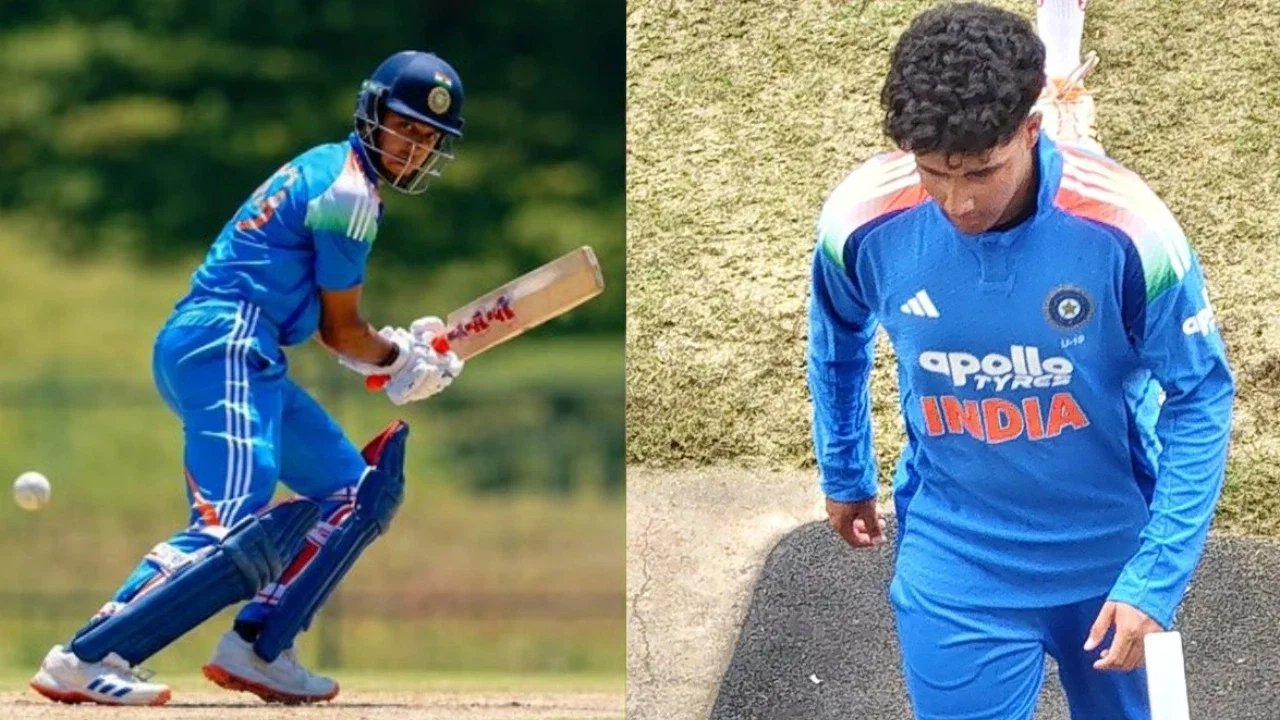
Aaryavir Sehwag and Anvay Dravid set to make headlines at U19 Asia Cup 2026

Longest ducks in Test cricket history ft. Nic Maddinson, Shoaib Akhtar

ECB to offer 39 central contracts to England players after Ben Stokes, Mark Wood’s retirement

Steve Smith surpasses Steve Waugh in all-time Test run-scorers’ list

Shane Watson identifies Gautam Gambhir’s biggest problem as India struggle for consistency

Is Bhuvneshwar Kumar in India’s 2027 World Cup plans? Ajinkya Rahane makes revelation

BCCI’s big ₹127 Crore move after injury crisis raises concerns over Team India

Parthiv Patel reveals RCB ignored his Jasprit Bumrah recommendation in IPL 2014 Auction
“Never spoke ill of any faith”: Irfan Pathan hits back at fake news using his name

Nic Maddinson bags 33-ball duck on Test comeback, disappoints George Bailey

Imran Tahir predicts 2027 ICC ODI World Cup Semi-Finalists, snubs India for title
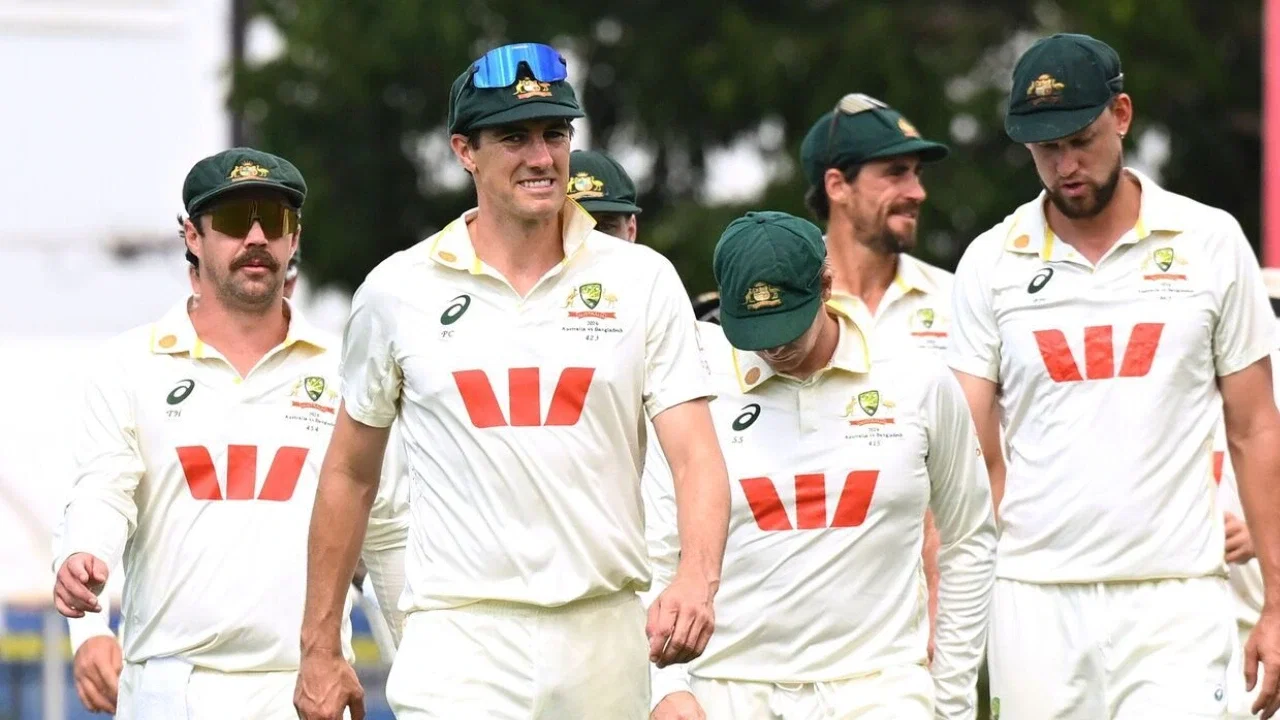
Australia create unwanted history with first all-30-plus Test XI
Ravindra Jadeja returns to Ranji Trophy as Saurashtra announce squad