

IPL 2027 auction: Full breakdown of remaining purse and overseas slots for all teams
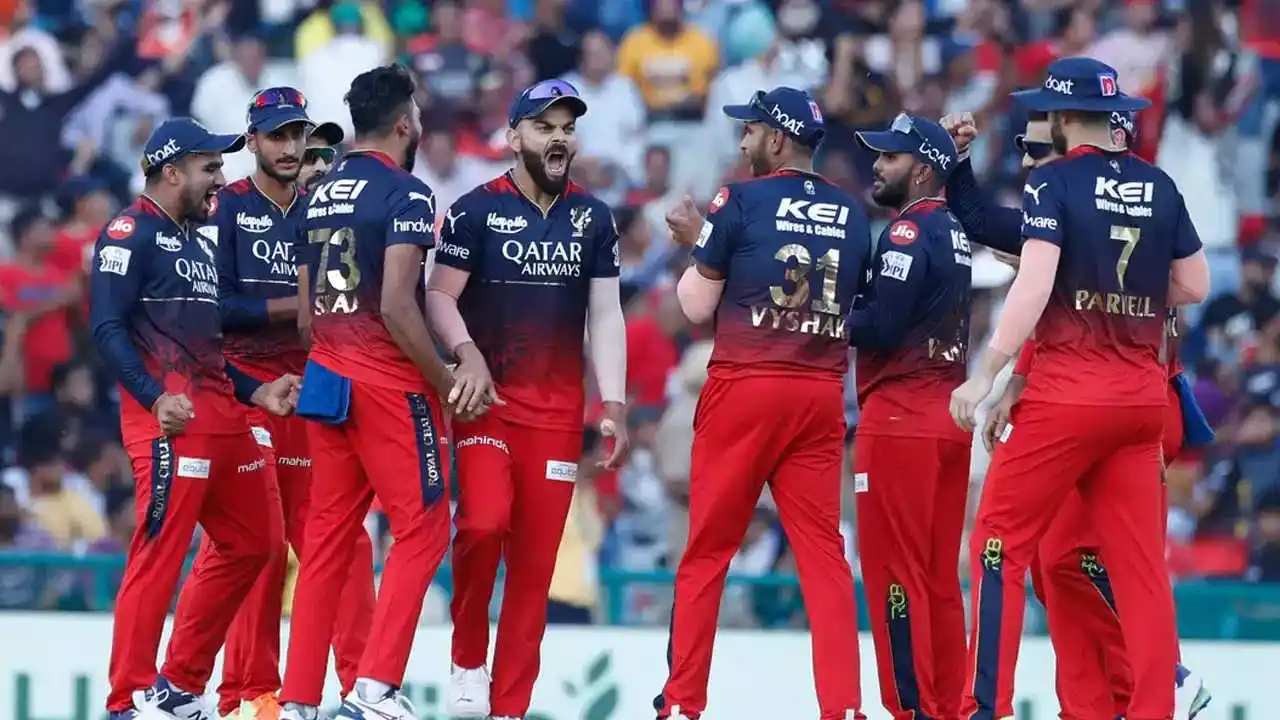
IPL 2027 Auction: LSG Lead Purse Rankings as Franchises Finalize Squad Changes
All 10 franchises have confirmed their retained and released players ahead of the IPL 2027 auction, with the November 17 deadline now passed. The latest lists provide a clearer picture of each team’s remaining budget, open squad places and overseas-player requirements before bidding begins.
Lucknow Super Giants (LSG) enter the auction with the largest purse, while Kolkata Knight Riders (KKR) and Sunrisers Hyderabad (SRH) also have substantial spending power. At the other end of the rankings, Gujarat Titans (GT) have the smallest available budget. Those figures, alongside a busy round of releases and trades, will shape each franchise’s auction strategy and influence predictions about which teams may pursue high-profile players.
IPL 2027 Auction Purse and Available Slots
LSG have ₹47.45 crore available to fill seven places, including three overseas slots. KKR follow with ₹41.65 crore and eight vacancies, giving them room to address several areas of their squad. SRH have ₹40.15 crore to spend and seven openings, including three places for overseas players.
Delhi Capitals (DC) and Mumbai Indians (MI) have the most vacancies, with nine slots each. DC hold ₹39.5 crore and can sign up to four overseas players, while MI have ₹32.6 crore and two overseas positions to fill. The size of those gaps could make both teams active bidders, although their final priorities will depend on the roles they want to strengthen.
Chennai Super Kings (CSK) have ₹28.05 crore for six players, while Rajasthan Royals (RR) have ₹27.05 crore for the same number of openings. Punjab Kings (PBKS) have ₹18.6 crore and six available places. Royal Challengers Bengaluru (RCB) have ₹14.15 crore for five vacancies, while GT will need to work carefully with ₹8.75 crore to fill three spots.
Remaining purse and squad places by franchise
Lucknow Super Giants: ₹47.45 crore; seven slots, including three overseas.
Kolkata Knight Riders: ₹41.65 crore; eight slots, including three overseas.
Sunrisers Hyderabad: ₹40.15 crore; seven slots, including three overseas.
Delhi Capitals: ₹39.5 crore; nine slots, including four overseas.
Mumbai Indians: ₹32.6 crore; nine slots, including two overseas.
Chennai Super Kings: ₹28.05 crore; six slots, including two overseas.
Rajasthan Royals: ₹27.05 crore; six slots, including three overseas.
Punjab Kings: ₹18.6 crore; six slots, including two overseas.
Royal Challengers Bengaluru: ₹14.15 crore; five slots, including one overseas.
Gujarat Titans: ₹8.75 crore; three slots, including two overseas.
Major Releases and Trades Reshape the Teams
The retained-player deadline has brought significant changes across the league. Some franchises have released established international names, while others have moved players through trades to rebalance their squads. These decisions could affect the auction market by increasing competition for specialist roles such as fast bowling, middle-order batting and all-rounders.
KKR have released former captain Ajinkya Rahane, along with Rachin Ravindra, Matheesha Pathirana and Mustafizur Rahman. SRH have let go of Travis Head and Kamindu Mendis, while trading Harshal Patel, Liam Livingstone and Jack Edwards. Those moves leave both teams with notable decisions to make as they assess how to rebuild their combinations.
LSG have released Avesh Khan and Wanindu Hasaranga and traded Rishabh Pant and Mohammed Shami. DC have released Mitchell Starc, Nitish Rana and Ben Duckett, while Kuldeep Yadav and T Natarajan have been traded. With nine places to fill and a sizeable purse, Delhi appear to have considerable flexibility as they plan for the auction.
MI have parted ways with Trent Boult and Deepak Chahar and traded Hardik Pandya. CSK have released MS Dhoni following his retirement, as well as Matt Henry and Spencer Johnson, and traded Khaleel Ahmed and Nathan Ellis. The departure of Dhoni marks a major change for the Chennai franchise, while the wider list points to a fresh squad-building phase.
Elsewhere, RCB have released Jacob Bethell. GT have parted ways with Shahrukh Khan and Ishant Sharma. RR have released Shimron Hetmyer and Tushar Deshpande and traded Sam Curran. PBKS have traded Arshdeep Singh and released Nehal Wadhera and Lockie Ferguson.
What the Purse Rankings Could Mean for Auction Predictions
The purse figures offer an early guide to possible auction activity, but they do not guarantee that the teams with the most money will dominate every bidding contest. LSG, KKR and SRH have the financial capacity to pursue sought-after players, yet each must balance individual signings against the need to complete a functional squad. A large budget can provide options, but disciplined spending will remain essential.
DC and MI may be among the most active teams because they have nine vacancies apiece. Their challenge will be to distribute their budgets across multiple roles rather than commit too much to one or two players. Overseas availability will also matter: DC have four overseas slots to fill, while several other teams have three. That could create strong demand for international players who offer specialist skills or versatility.
GT’s limited purse presents a different test. With only three places to fill, the franchise may focus on targeted additions rather than a broad rebuild. RCB also have a smaller budget than the leading teams and only one overseas slot, which could make value and role fit especially important.
These early IPL 2027 auction predictions are based on purse size, vacancies and the changes announced by the franchises. The eventual bidding order, player availability and team priorities will all shape the outcome. Still, the confirmed lists show that the auction could be especially competitive for teams seeking proven international performers and reliable domestic options.
A High-Stakes Auction Ahead
With retention decisions complete, the focus now turns to how each franchise uses its remaining resources. LSG have the strongest financial position, while DC and MI face the largest recruitment tasks. KKR and SRH have both substantial budgets and several openings, and teams with less cash will need to make every purchase count.
As the auction approaches, the combination of released stars, trades and uneven squad gaps promises a strategic contest. The purse rankings provide a useful starting point for fans tracking team needs, but the most successful franchises may be those that identify the right players at the right price—not simply those that spend the most.
Latest News

SA vs BAN Playing 11 Today, Live Streaming, Pitch & Weather: South Africa tour of Bangladesh 2026, 2nd Test

AUS vs ENG Playing 11 Today, Live Streaming, Pitch & Weather: England tour of Australia 2026, 2nd T20I

Blair Tickner ruled out of 2nd Test vs India, replacement named

Tim Paine and Justin Langer face fresh questions over Australia’s ball-tampering scandal

India tour of Bangladesh gets fresh hope as BCB confirms talks with BCCI

Tom Latham opens up on soft ball problem and saliva ban after draw against India

Ajinkya Rahane slams Tilak Varma for publicly criticising Shahbaz Ahmed after India A’s defeat

ICC to introduce IPL-style bat checks in international cricket

“Smiling Laughing doesn’t happen”: R Ashwin’s dig at India’s approach after draw vs New Zealand

“Not good enough for Test cricket”: Scott Styris, Sunil Gavaskar slam Wellington pitch

Dodda Ganesh declares India ‘out of WTC final race’ after Wellington Test draw

Ajinkya Rahane criticises Shubman Gill for abusing Akash Deep in 1st Test vs New Zealand

‘Why so many boundary riders?’ Dinesh Karthik questions Shubman Gill’s captaincy after Wellington Test

“I just want to enjoy my life”: Yash Dayal reflects on his return to cricket


