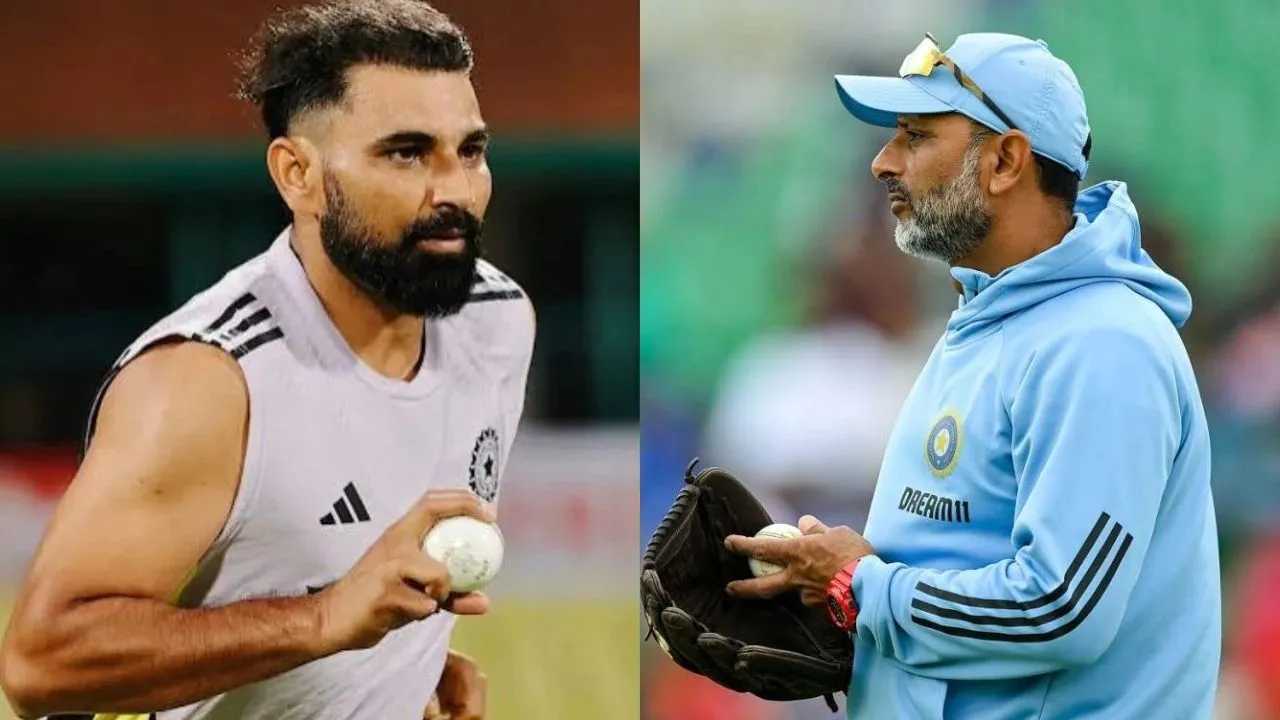
IPL coaches salary 2026: Ricky Ponting and other top earners revealed
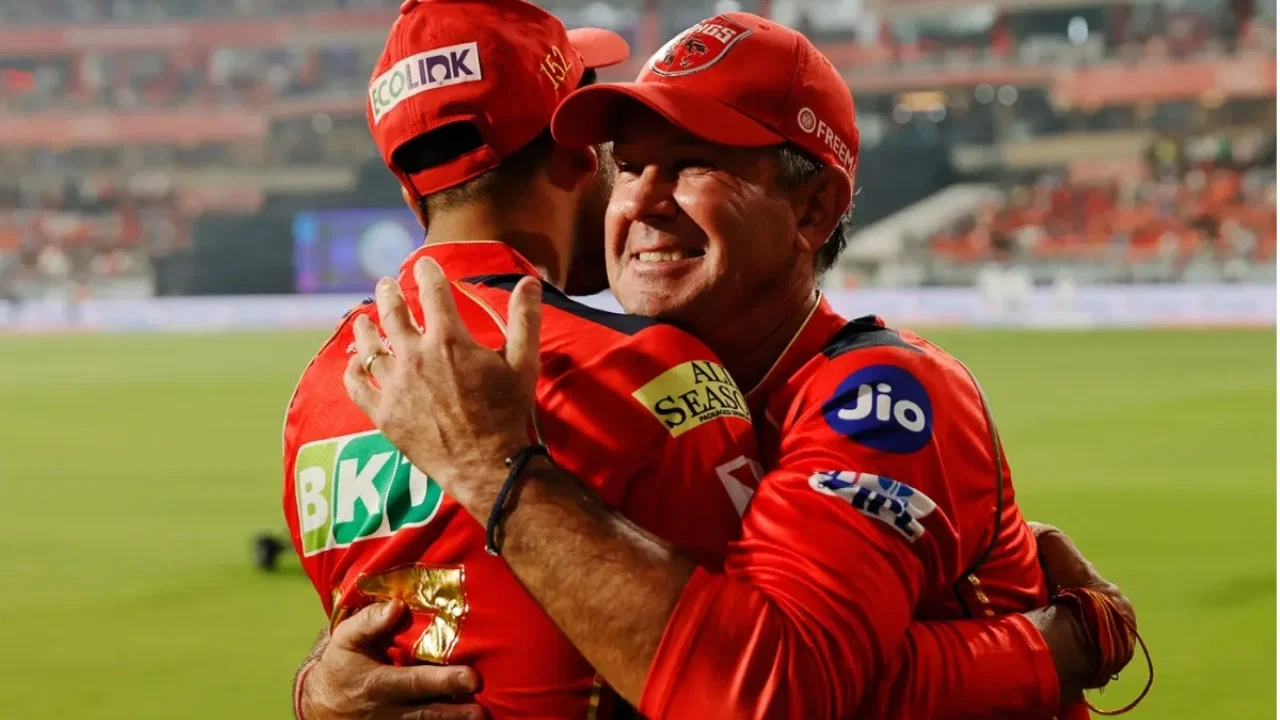
The Rise of Highly Paid Coaches in the Indian Premier League
The Indian Premier League (IPL) has evolved coaching into a lucrative aspect of the game, with franchises investing heavily in experienced individuals to guide their teams to success. The league’s biggest names are now not just the players but also the seasoned coaches with international experience and proven track records in the IPL.
Coaching Staff of IPL 2026 Season
The IPL 2026 season saw a blend of seasoned international coaches, former players, and specialists working with all 10 franchises. Let’s take a closer look at the coaching staff of each team:
Royal Challengers Bengaluru (RCB)
RCB retained Andy Flower as their head coach for the 2026 season. The coaching team also included Dinesh Karthik as the batting coach, Omkar Salvi as the bowling coach, Richard Halsall as the assistant coach, and M. Rangarajan as the scout.
Chennai Super Kings (CSK)
CSK continued under the guidance of Stephen Fleming, with Michael Hussey as the batting coach, Sridharan Sriram and Eric Simons as bowling coaches, and Rajiv Kumar as the fielding coach.
Mumbai Indians (MI)
Mumbai Indians had Mahela Jayawardene as their head coach, Kieron Pollard as the batting coach, Paras Mhambrey and Lasith Malinga as the bowling coaches, and Carl Hopkinson as the fielding coach.
Kolkata Knight Riders (KKR)
KKR was coached by Abhishek Nayar, with Tim Southee as the bowling coach, Shane Watson as the assistant coach, Dishant Yagnik as the fielding coach, and Dwayne Bravo as the mentor.
Gujarat Titans (GT)
Ashish Nehra continued as the head coach of Gujarat Titans, with Matthew Hayden as the batting coach, and Aashish Kapoor, Narender Negi, and Parthiv Patel as assistant coaches.
Rajasthan Royals (RR)
Rajasthan Royals were led by Kumar Sangakkara, with Vikram Rathour as the batting coach, Shane Bond as the bowling coach, and Trevor Penney as the assistant coach.
Punjab Kings (PBKS)
Ricky Ponting was the head coach of Punjab Kings, with James Hopes as the bowling coach, Brad Haddin as the assistant coach, and Sairaj Bahutule as the spin coach.
Lucknow Super Giants (LSG)
Lucknow Super Giants had Justin Langer as the head coach, Matthew Mott as the batting coach, Bharat Arun as the bowling coach, Lance Klusener as the assistant coach, Abhay Sharma as the fielding coach, and Kane Williamson as an advisor.
Delhi Capitals (DC)
Hemang Badani was the head coach of Delhi Capitals, with Munaf Patel as the bowling coach, Ian Bell as the assistant coach, and Venugopal Rao as the Director of Cricket.
Sunrisers Hyderabad (SRH)
Sunrisers Hyderabad had Daniel Vettori as the head coach, Hariesh Jaikumar as the batting coach, Varun Aaron as the bowling coach, Simon Helmot as the assistant coach, and Muttiah Muralitharan as the spin coach.
IPL Coaches Salary List
According to CricBlogger, Ricky Ponting was one of the highest-paid coaches in IPL history, earning around ₹9.5 crore annually as the head coach of Punjab Kings. Ashish Nehra and Stephen Fleming were also among the top earners in the coaching department.
Why Are IPL Franchises Paying Coaches So Much?
IPL coaching roles are high-pressure, short-term positions where coaches are expected to deliver immediate results. Experienced international coaches bring a wealth of knowledge and tactical expertise to the teams, making them invaluable assets. Coaches also play a crucial role in managing players, contributing to squad-building discussions, and enhancing the franchise’s brand value.
As the IPL continues to grow, the salaries of coaches have seen a significant increase, reflecting the importance of coaching in the success of IPL teams.
The Evolution of Coaching in the IPL
Over the years, the role of coaches in the Indian Premier League has evolved significantly. Initially, coaches were often former players or local cricketing figures without much international experience. However, as the league grew in stature and competitiveness, franchises began to realize the importance of having seasoned professionals at the helm to guide their teams.
With the rise of highly paid coaches in the IPL, there has been a shift towards a more structured and strategic approach to coaching. These coaches bring with them not only technical expertise but also a deep understanding of the game, gained through years of international experience. They are able to analyze opponents, devise game plans, and make crucial tactical decisions that can often be the difference between winning and losing in a high-pressure tournament like the IPL.
The Impact of International Coaches
Having international coaches in the IPL has also had a significant impact on the players. They bring a fresh perspective, introduce new training methods, and help players develop their skills to compete at the highest level. The presence of these coaches has raised the overall standard of coaching in the league, benefiting both Indian and foreign players alike.
Moreover, the influence of international coaches extends beyond just the technical aspects of the game. They also bring a level of professionalism and discipline that is crucial for success in a tournament as intense as the IPL. Their experience in managing egos, handling pressure situations, and building team camaraderie has been instrumental in shaping the culture of many franchises.
The Future of Coaching in the IPL
As the IPL continues to grow in popularity and competitiveness, the demand for top-tier coaches is only expected to increase. Franchises are willing to invest heavily in coaching staff as they recognize the pivotal role they play in the success of the team. This trend is likely to continue in the coming years, with salaries for coaches reaching new heights as the league becomes even more competitive.
With the emergence of data analytics, sports science, and technology in cricket, coaches are also expected to adapt and evolve with the changing landscape of the game. The best coaches in the IPL are those who can blend traditional coaching methods with modern technologies to get the best out of their players and stay ahead of the competition.
Conclusion
The rise of highly paid coaches in the IPL is a testament to the league’s evolution and the growing importance of coaching in modern cricket. These coaches bring a wealth of experience, expertise, and leadership to their respective teams, playing a crucial role in shaping the success of the franchises. As the IPL continues to captivate audiences worldwide, the role of coaches will only become more prominent, shaping the future of the league and the game of cricket as a whole.
Latest News
Top 10 highest run-chases in T20 cricket history, ft. West Indies’ Ranchi win vs India
Aaryavir Sehwag and Anvay Dravid set to make headlines at U19 Asia Cup 2026
Longest ducks in Test cricket history ft. Nic Maddinson, Shoaib Akhtar
ECB to offer 39 central contracts to England players after Ben Stokes, Mark Wood’s retirement
Steve Smith surpasses Steve Waugh in all-time Test run-scorers’ list
Shane Watson identifies Gautam Gambhir’s biggest problem as India struggle for consistency
Is Bhuvneshwar Kumar in India’s 2027 World Cup plans? Ajinkya Rahane makes revelation
BCCI’s big ₹127 Crore move after injury crisis raises concerns over Team India
Parthiv Patel reveals RCB ignored his Jasprit Bumrah recommendation in IPL 2014 Auction
“Never spoke ill of any faith”: Irfan Pathan hits back at fake news using his name
Nic Maddinson bags 33-ball duck on Test comeback, disappoints George Bailey
Imran Tahir predicts 2027 ICC ODI World Cup Semi-Finalists, snubs India for title
Australia create unwanted history with first all-30-plus Test XI
Ravindra Jadeja returns to Ranji Trophy as Saurashtra announce squad