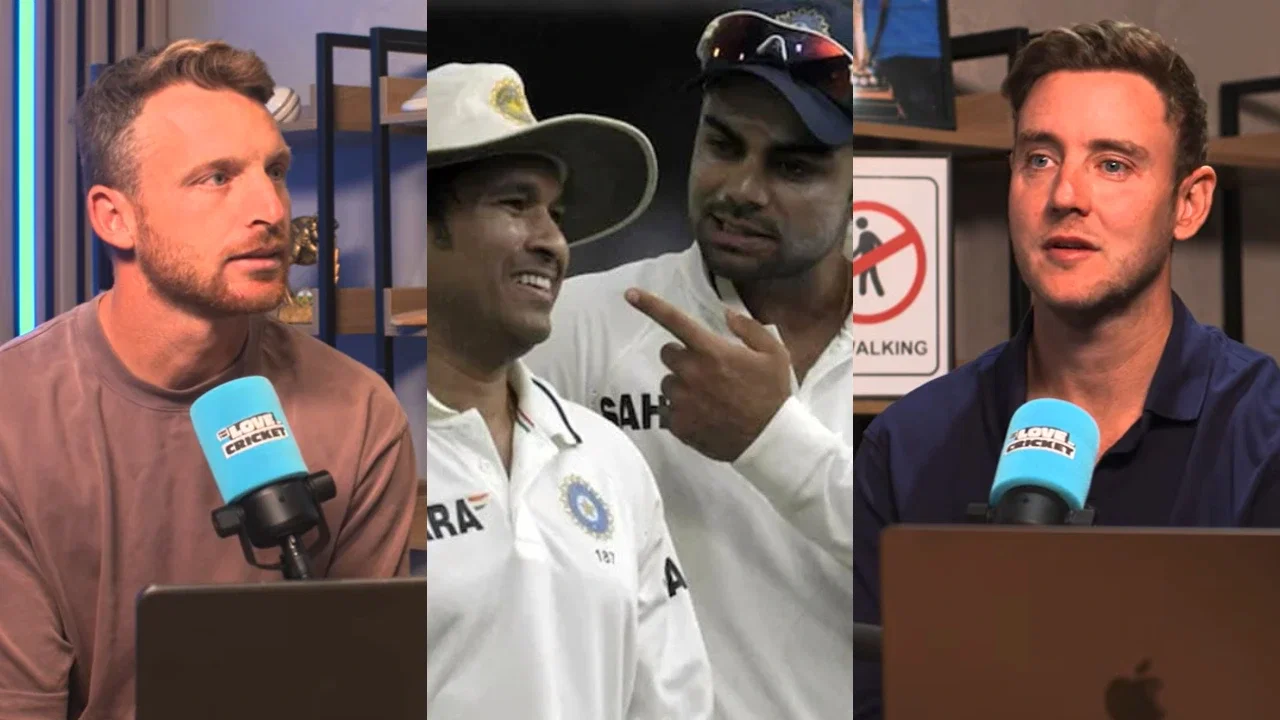
Ishan Kishan controversially handed a lifeline by 3rd umpire after Matthew Forde’s catch, WI players angry
India vs West Indies 1st T20I: A Match Marked by Controversy, High Stakes, and Promising Performances
The opening encounter of the bilateral T20 series between India and the West Indies at the iconic Ekana Stadium in Lucknow delivered plenty of drama, intense cricketing moments, and debate that kept fans on the edge of their seats. As both teams looked to establish dominance early in the series, a significant moment involving a contentious catch attempt by West Indies’ Matthew Forde became the talk of cricket pundits and fans alike. This match was not just about runs and wickets but also about the fine margins that can sway the outcome of a high-stakes international fixture.
The Controversial Moment: Was Ishan Kishan Truly Out?
One of the most talked-about incidents occurred during the second innings, around the fifth delivery of the eleventh over. Ishan Kishan, the aggressive wicketkeeper-batsman, sliced a delivery towards the deep cover region, attempting to accelerate the scoring rate. The shot was executed with intent, but the aftermath of the shot sparked a heated debate over whether Kishan had been dismissed or not.
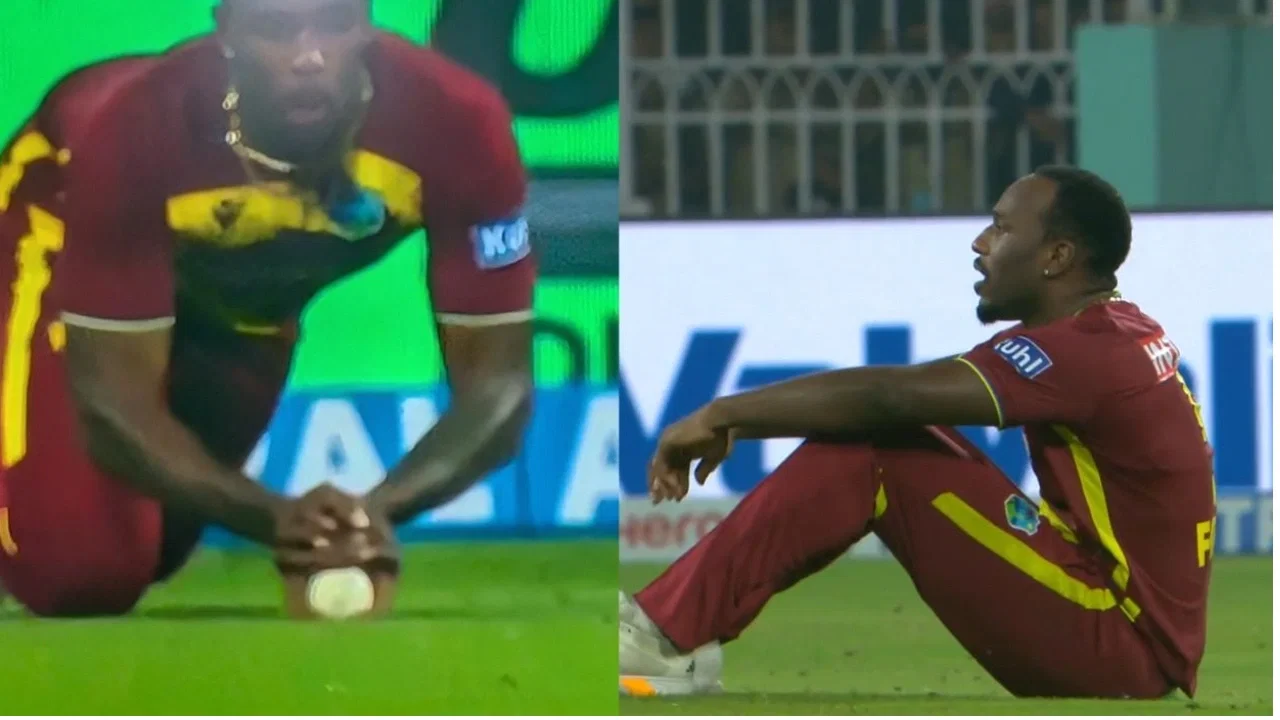
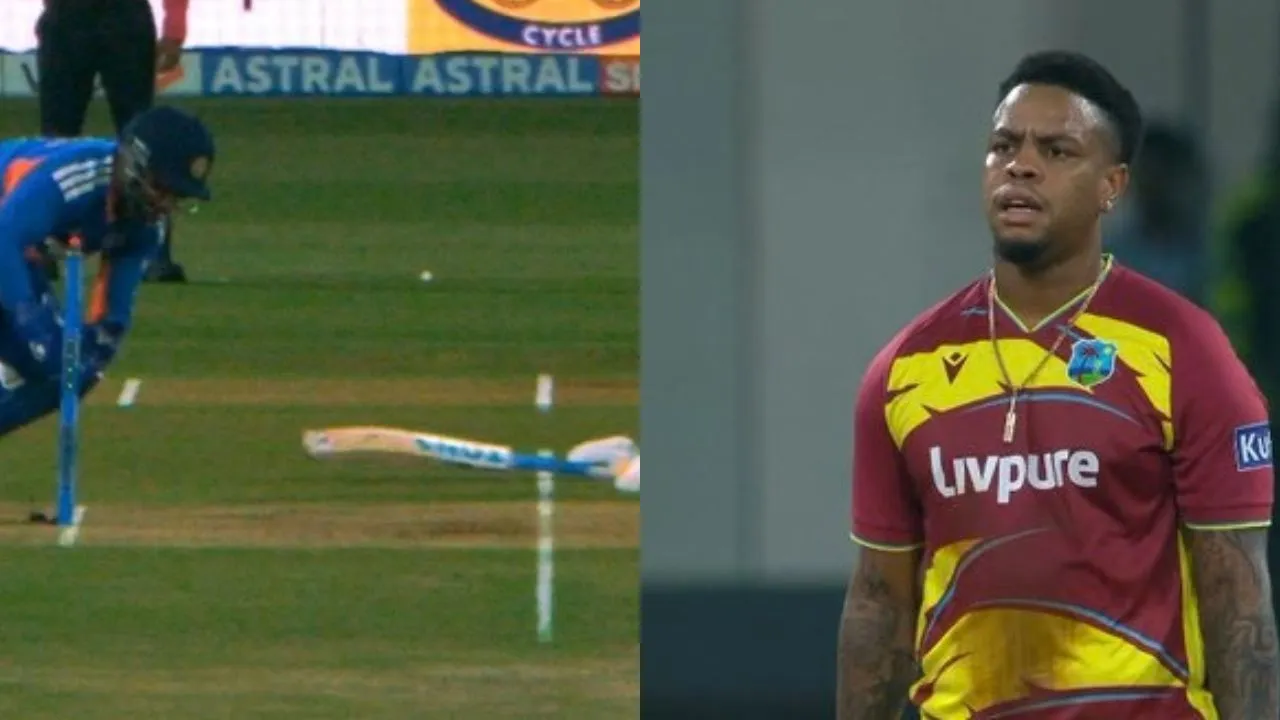
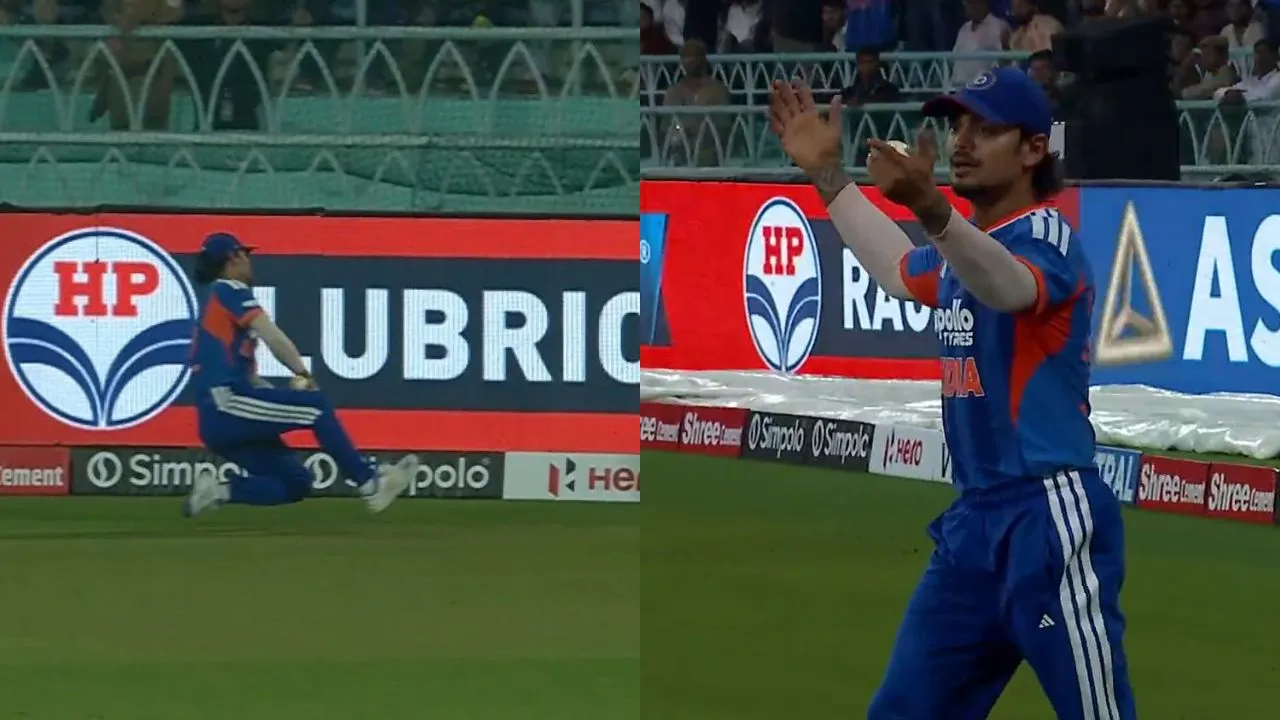
Matthew Forde, the West Indies fast bowler, responded swiftly—diving near the boundary to attempt a spectacular catch. His effort was valiant, but the execution raised questions about the legitimacy of the catch. The ball appeared to be in Forde’s grasp momentarily, and his fingers seemed to touch the grass as he land, which could have meant that the catch was not clean. The West Indies players immediately appealed, urging the umpire to give Kishan out, but the on-field decision was not out.
Following the appeal, the umpire referred the decision to the television umpire, who reviewed multiple replays before making a final call. After a thorough review, the umpire decided that Kishan was not out, much to the dismay of the West Indies team. This decision sparked intense discussion about the quality of the review system, the subjective nature of catch decisions in cricket, and the prediction of how such moments influence the match’s momentum.
The debate centered around whether the ball touched the bat or the glove, and whether Forde’s attempt was clean or if the contact with the grass invalidated the catch. Such close calls highlight the importance of technology in modern cricket, yet also remind fans of the unpredictability inherent in the sport. This moment added a layer of unpredictability to an already tightly contested game, illustrating how fine margins can influence the outcome.
Early Woes for India: Opening Pair Struggles
India’s chase in this match was fraught with challenges right from the start. The opening pair—Sanju Samson and Abhishek Sharma—failed to provide the robust start that the team needed. Both openers fell early, leaving the middle order with the burden of stabilizing the innings. This early loss was a setback, especially on a pitch that offered some assistance to the bowlers and required careful navigation.
Interestingly, the team selection reflected contrasting coaching philosophies. While the 2026 Asian Games squad featured VVS Laxman’s team, which included a blend of experienced and young players like Samson, Kishan, and Vaibhav Sooryavanshi, the current Indian XI under coach Gautam Gambhir opted to bench Sooryavanshi for this match. The decision seemed to be aimed at building a more aggressive batting lineup, though it also exposed vulnerability at the top of the order.
Middle-Order Resilience: Shreyas Iyer’s Captain’s Knock
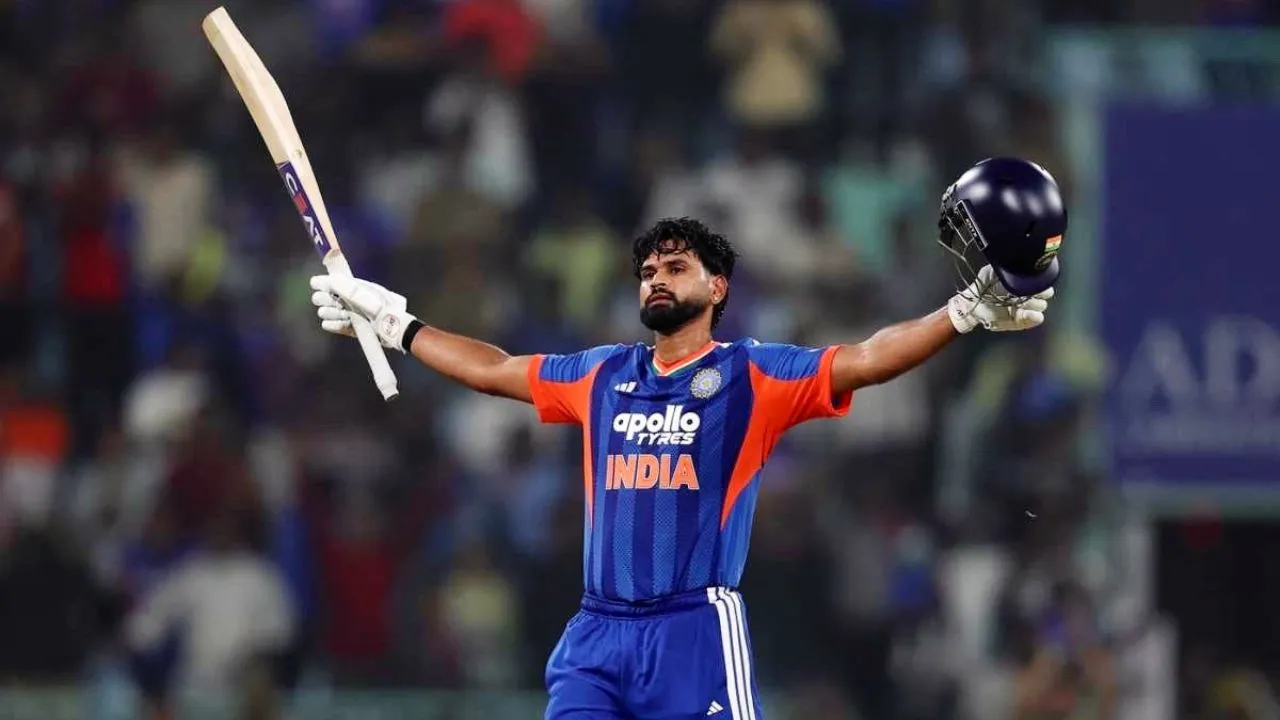
With the openers back in the pavilion, the onus was on the middle-order to steady the innings. Captain Shreyas Iyer stepped up with a resilient and calculated batting display, scoring a crucial century—his third in T20 internationals. His calm approach and strategic shot selection provided stability and momentum for India, especially on a pitch where run-scoring was not straightforward.
Alongside Ishan Kishan, who also played a pivotal role, Iyer’s partnership was vital for India to stay in the game. Their collaboration was instrumental in setting a competitive total and managing the pressure exerted by the West Indies bowlers. The prediction of their partnership turning the tide in favor of India was met with optimism by cricket analysts, who emphasized the importance of such composed batting in high-pressure situations.
The West Indies Fightback: Need for Moments of Magic
Despite the setbacks, the West Indies team remained determined, hoping for a spark of brilliance or a moment of magic to turn the game around. Fast bowler Matthew Forde’s effort to dismiss Kishan was a testament to their fighting spirit, even if the decision didn’t go their way. The West Indies bowlers have shown flashes of potential, and their prediction for a comeback hinges on capitalizing on such moments and maintaining discipline in their bowling and fielding efforts.
As the match progresses, the Caribbean team needs to conjure extraordinary performances—be it a crucial wicket, a spectacular catch, or a game-changing over—to shift the momentum in their favor. Their ability to capitalize on the few opportunities they create will be crucial in the prediction of the match’s outcome.
Looking Ahead: What Does This Mean for the Series?
This opening T20I set the tone for what promises to be an exciting and unpredictable series. The controversy over the catch decision underscores the importance of technology and the need for clarity in umpiring decisions, which will undoubtedly be a focal point in future matches. Cricket fans and experts will be closely watching how both teams adapt and strategize in the upcoming fixtures.
The prediction for the series now leans slightly in India’s favor, especially considering their resilience and the depth of their batting lineup. However, West Indies’ flair, unpredictability, and ability to produce moments of brilliance keep the series open and highly engaging.
Conclusion: A Match That Showcases the Spirit of Cricket
Ultimately, this match at Ekana Stadium was a reflection of modern cricket—fast-paced, technologically driven, full of passionate debates, and unpredictable moments. The controversy surrounding the catch, combined with stellar batting performances, makes it clear that cricket remains a sport where every ball counts and every decision is scrutinized.
As fans await the next encounter, the prediction remains that both teams will continue to fight fiercely, with the potential for more dramatic moments and critical decisions that could shape the outcome of this series. The Indian team, bolstered by their resilient batting and strategic approach, appears to hold a slight edge, but the West Indies’ explosive talent and fighting spirit keep the contest alive and exciting.
Stay tuned for more updates, expert analysis, and in-depth coverage of the India vs West Indies T20 series. As the prediction evolves with each game, one thing is certain—cricket fans worldwide are in for a memorable series full of surprises and high-quality cricket.
Latest News
Ishan Kishan controversially handed a lifeline by 3rd umpire after Matthew Forde’s catch, WI players angry
Shreyas Iyer slams fastest Indian T20I hundred against West Indies in 1st T20I
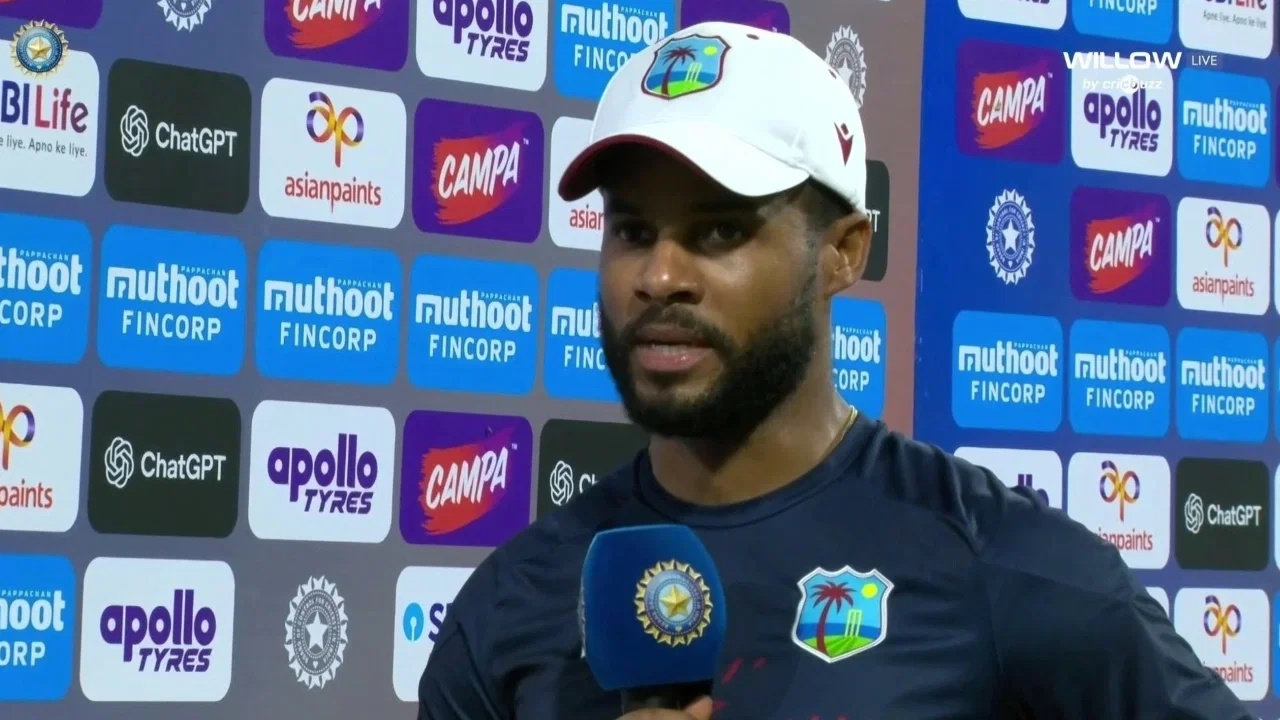
“Were a little bit too chaotic”: Shai Hope makes honest admission after West Indies’ loss to India
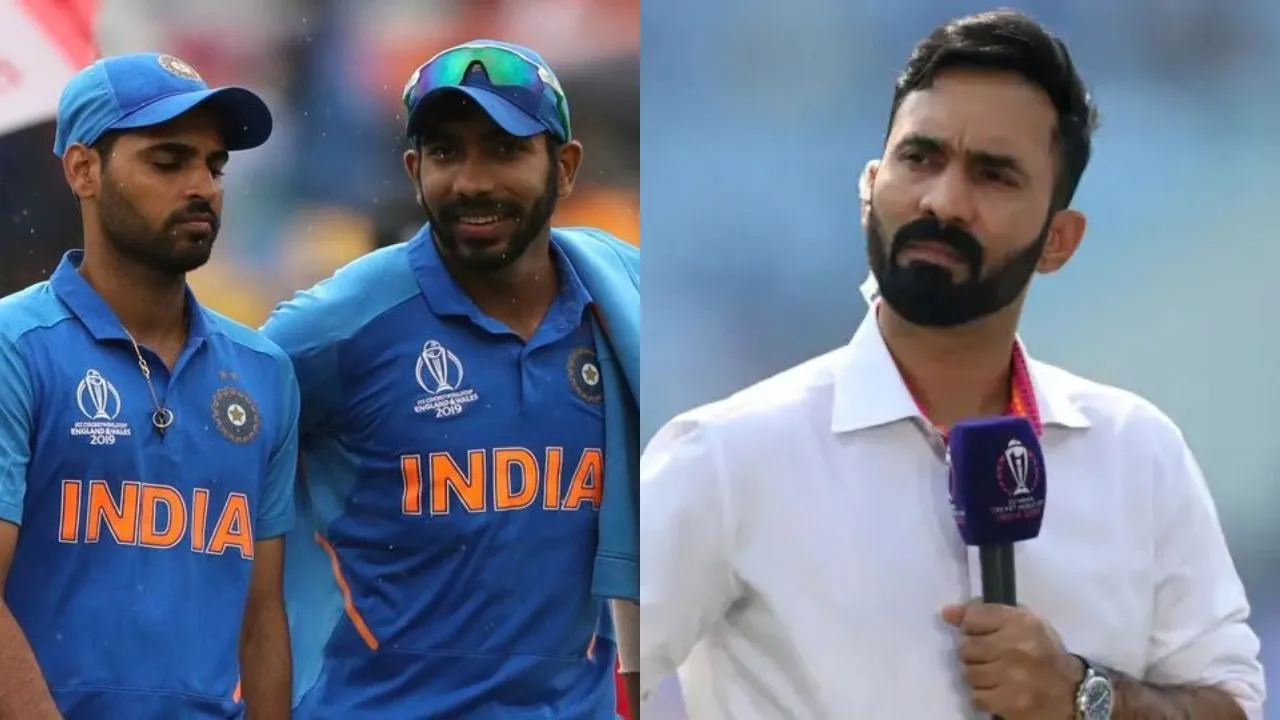
Dinesh Karthik compares Bhuvneshwar Kumar with Jasprit Bumrah after India recall
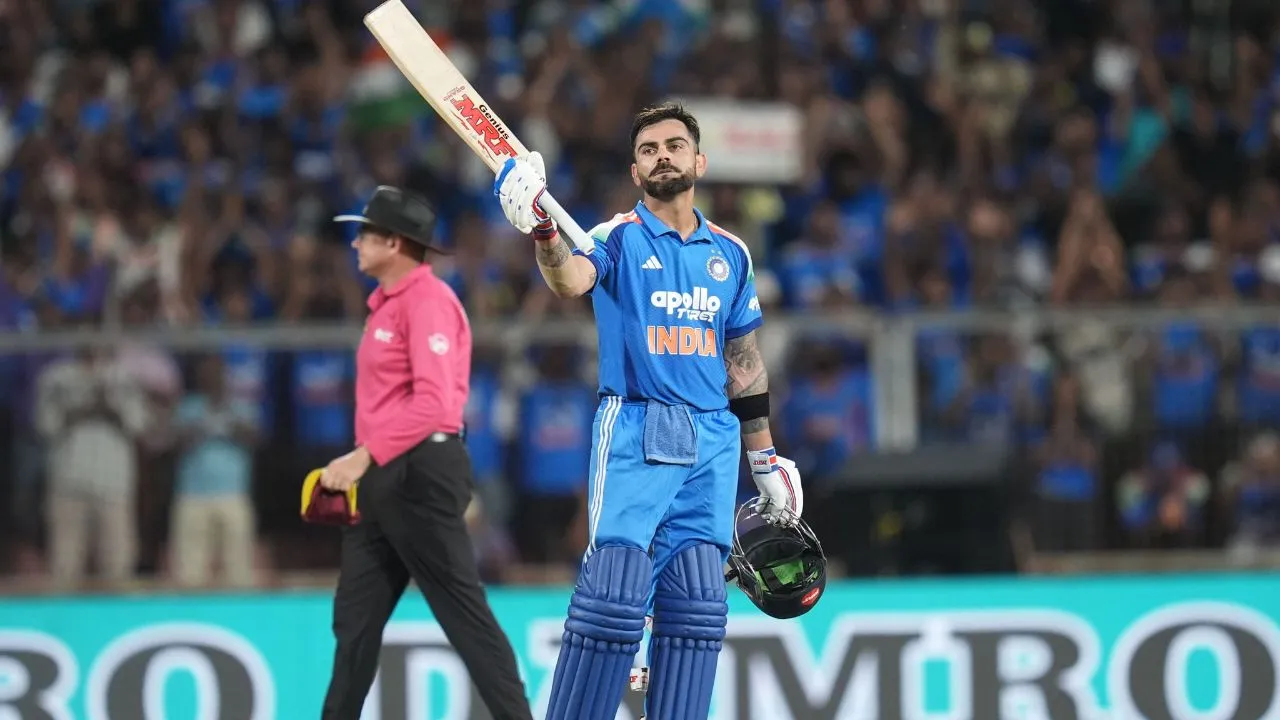
“The guy can still play”: EX-RCB reveals why Virat Kohli cannot be written off at 37
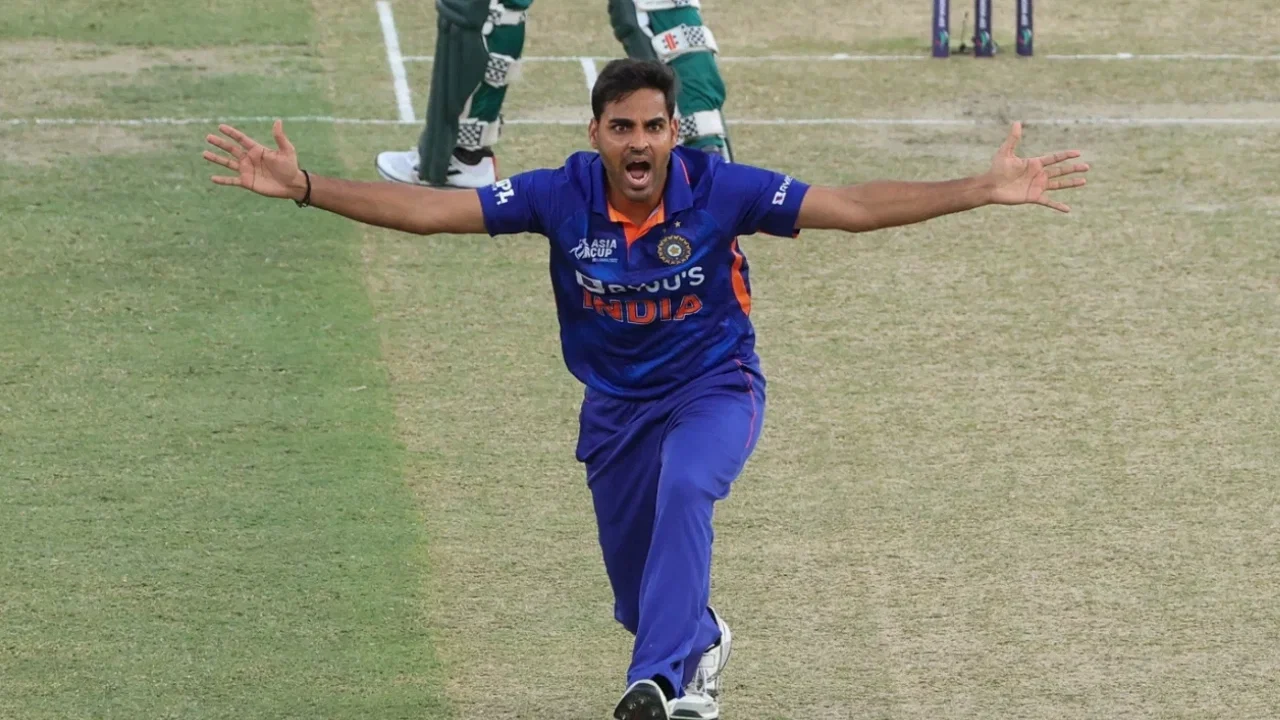
Bhuvneshwar Kumar set to make India comeback for New Zealand series: Report
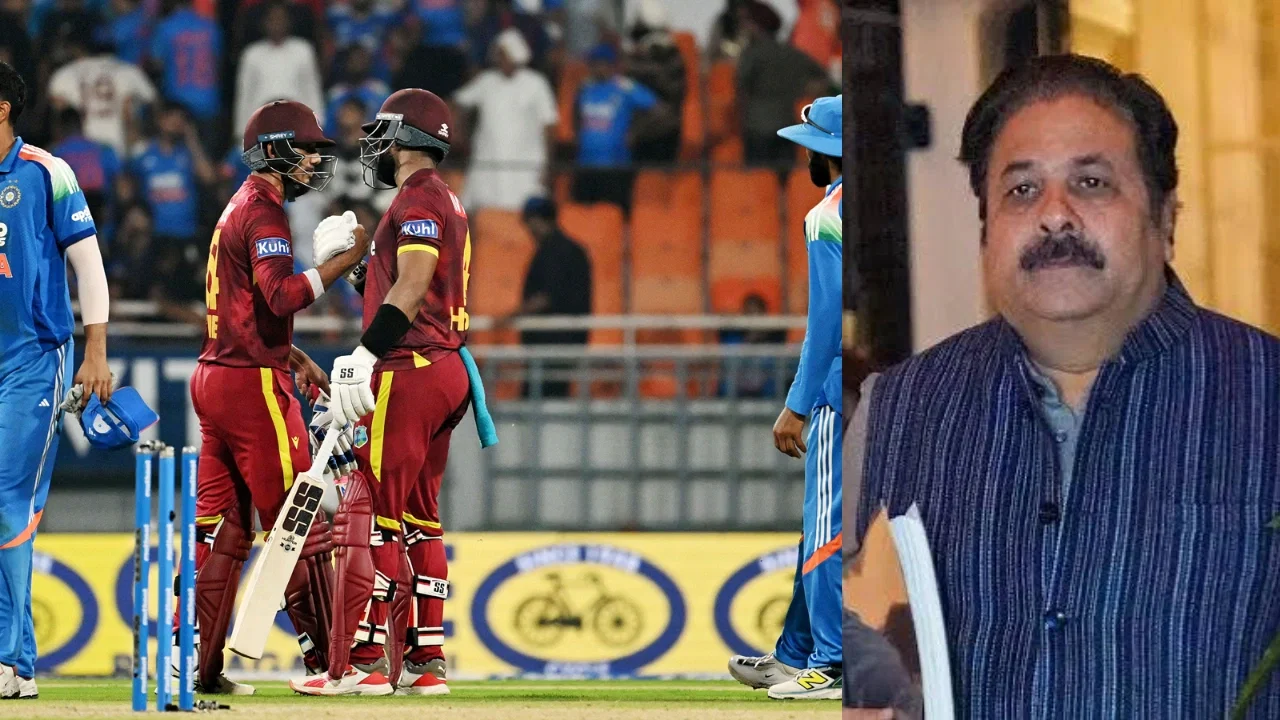
“We will win today’s match”: Rajeev Shukla backs India against West Indies in T20I opener
WATCH: Shimron Hetmyer furious after getting run-out in India vs West Indies 1st T20I
Watch: Ishan Kishan pulls off sensational catch in India vs West Indies 1st T20I
India T20I squad for New Zealand tour announced, Bhuvneshwar Kumar returns
Not KL Rahul! Dhruv Jurel named captain as India A squad for New Zealand tour announced
“Very special honour”: Smriti Mandhana delighted after being named as India captain
Kagiso Rabada returns to bowling, South Africa wait on final fitness call ahead of 1st Test vs Australia
Suryakumar Yadav in line for Mumbai white-ball captaincy after Ranji snub