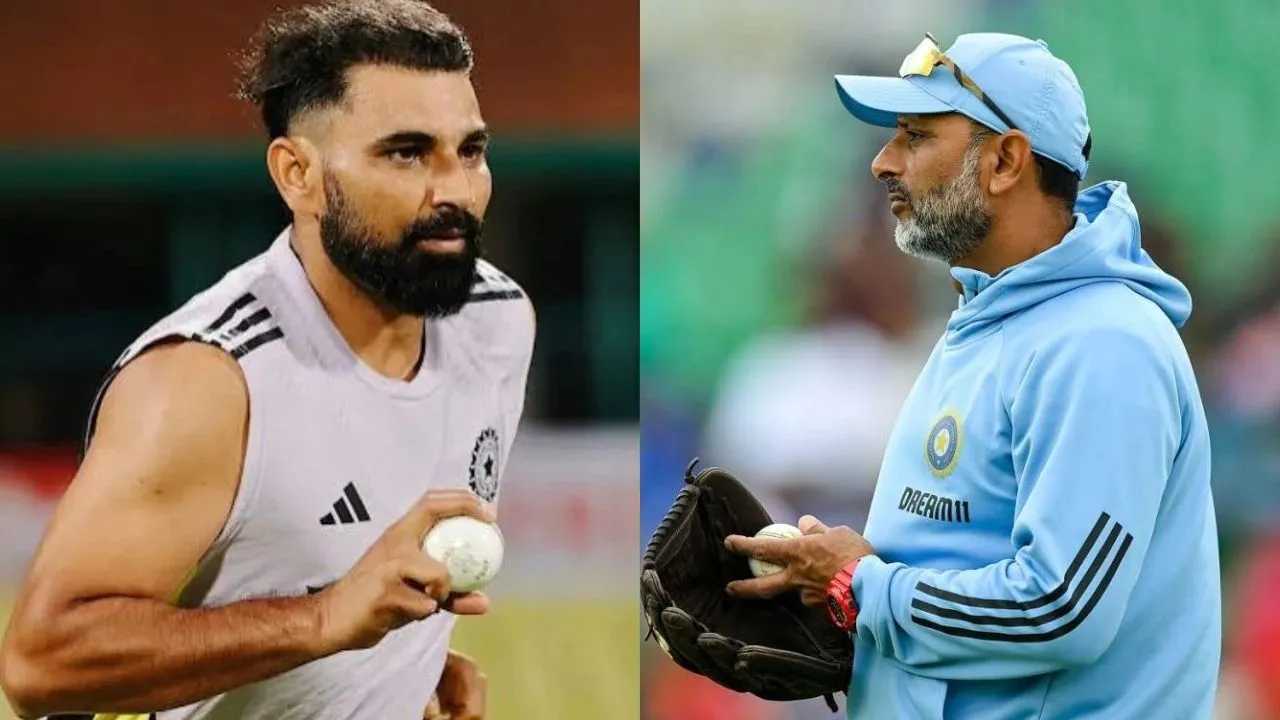
Ishan Kishan involved in heated exchange with Pakistan players in Asian Games final
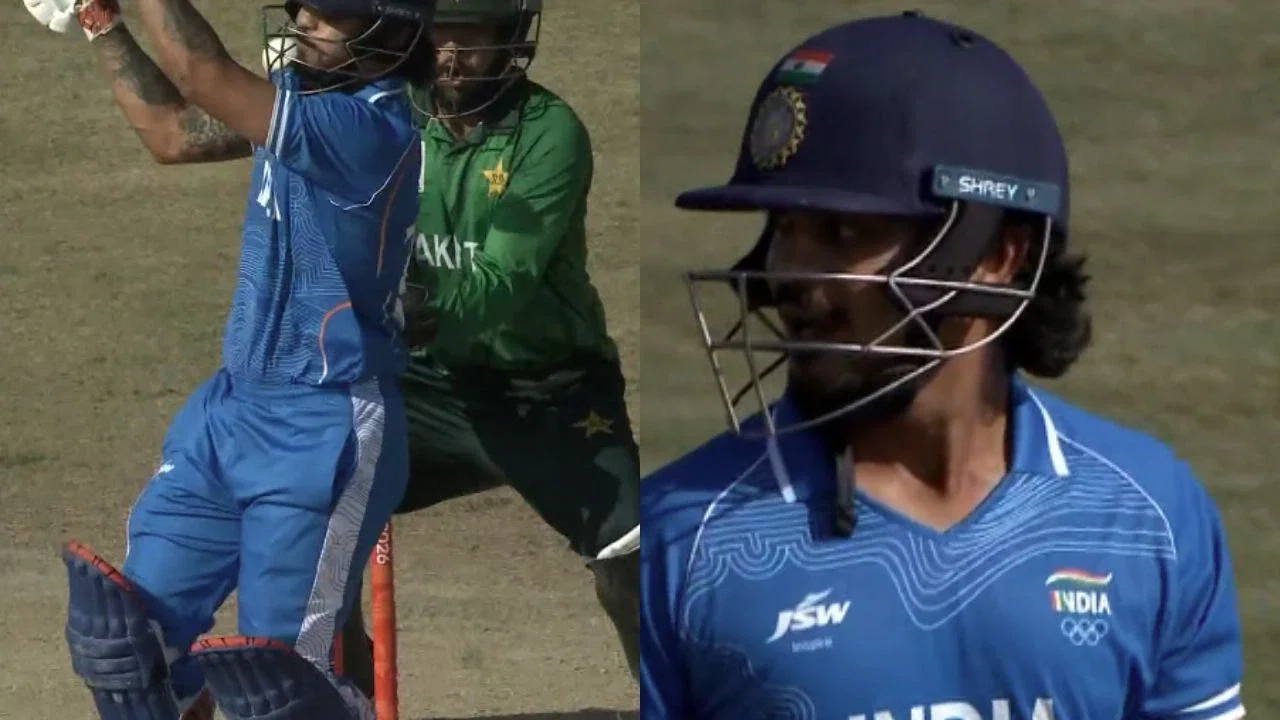
India vs Pakistan at Asian Games 2026: An Epic Showdown with Intense Moments and Strategic Predictions
The much-anticipated cricket rivalry between India and Pakistan delivered another chapter of high drama and fierce competition during the Asian Games 2026 gold medal match held on Saturday, October 3. Held at the iconic Korogi Sports Park in Nisshin, this clash not only showcased exceptional cricketing skills but also underscored the intense emotions that define this historic rivalry. As fans worldwide turned their eyes to the event, predictions about the game’s outcome grew more intriguing, especially considering the unpredictable nature of India-Pakistan encounters.
The Tension Unfolds: Ishan Kishan’s Dismissal Sparks Heated Exchange
The match reached a boiling point after a pivotal moment involving Indian wicketkeeper-batsman Ishan Kishan. In the 14th over of India’s innings, Pakistani spinner Arafat Minhas delivered a sharply turning, slightly shorter ball that Kishan attempted to pull. Unfortunately for him, the execution was off, and the ball missed the bat entirely, crashing into the stumps and resulting in his dismissal for 20 runs off 18 balls. The dismissal was significant, not only because it impacted India’s innings but also because it set the stage for a dramatic post-dismissal exchange.
As Kishan made his long walk back to the dugout, emotions ran high. The intensity of the India-Pakistan rivalry was palpable, and what followed was a heated verbal exchange between Kishan and members of the Pakistani team. Witnesses reported that words were exchanged, adding fuel to an already fiery contest. Kishan, visibly frustrated, did not merely walk away but responded vociferously, further escalating the tension at the Korogi Sports Park. Such moments, while not uncommon in high-stakes cricket, often become defining highlights of India-Pakistan encounters, reflecting the passion and pressure that players experience in these iconic matchups.
Strategic Batting Orders and Their Impact on the Match Dynamics
Interestingly, Ishan Kishan’s role in the batting order also drew attention ahead of the match. Unlike previous games where he batted at No. 3, Kishan was positioned at No. 5 in this crucial final, a decision that surprised many cricket analysts and fans alike. The Indian team management chose to retain the same batting lineup that had succeeded in the semi-finals, moving Sanju Samson up to No. 3 and captain Shreyas Iyer maintaining his No. 4 spot. Kishan’s demotion to No. 5 was a strategic move that, in hindsight, did not favor his batting rhythm in this high-pressure scenario.
Despite his impressive match-winning performance in the semi-final, Kishan struggled to make a significant impact in the final, highlighting how tactical decisions can influence individual performances and, ultimately, the outcome of such high-stakes matches. The prediction of how batting order adjustments influence game results remains a topic of debate among cricket experts, especially in tournaments where momentum shifts rapidly.
India Sets a Competitive Target: A Strong Finish in the Final
Under the leadership of Shreyas Iyer, the Indian team posted a competitive total of 211/6 in their 20 overs. The pitch at Korogi Sports Park proved to be challenging, offering a lot of turn and bounce, which tested the batting and bowling units alike. India’s innings was characterized by a solid start, but the middle overs saw a slight slowdown as Pakistan’s spinners exploited the conditions effectively. However, Tilak Varma’s late flurry of aggressive batting changed the game’s complexion significantly.
Tilak’s explosive 62 runs off just 21 balls was a showcase of power-hitting, and his partnership with Shivam Dube for the sixth wicket—adding 62 runs—was instrumental in Indian finishing strong. Notably, Tilak’s fifty was the second-fastest by an Indian against Pakistan in T20Is, behind Abhishek Sharma’s 20-ball fifty earlier in the same match. These strategic batting efforts, combined with crucial fielding lapses by Pakistan—including dropped catches and missed run-out opportunities—allowed India to set a challenging target of 212 runs for Pakistan to chase.
Prediction and Outlook: Pakistan’s Challenging Chase Against India’s Spin Attack
Looking ahead, the prediction for the final outcome hinges on several key factors. Pakistan faces a daunting chase of 212 runs in 20 overs, with their current position at 52 for 3, already losing three wickets. The pitch’s turning nature favors India’s spin-heavy attack, which has historically been a potent weapon in such conditions. Pakistan’s batters will need to display resilience and tactical acumen to withstand India’s spinners, especially given the pressure of a gold medal on the line.
Predictive models suggest that Pakistan’s chances depend heavily on their ability to build partnerships and capitalize on scoring opportunities. They will need to chase at a rate of approximately 9.4 runs per over to clinch the gold medal, a challenging task given India’s disciplined bowling and fielding strategies. The prediction models also point towards a close contest, with the outcome possibly hinging on key moments—such as a dropped catch or a crucial wicket—common in high-stakes cricket matches involving these two cricket giants.
The Broader Significance of India-Pakistan Cricket Rivalry
The India-Pakistan cricket rivalry extends far beyond the boundaries of the game. It symbolizes a complex history, cultural pride, and a fierce sporting competition that captivates millions across the globe. Each encounter is watched with bated breath, and predictions often run wild before the match begins, with fans and analysts speculating about the potential winner based on form, conditions, and team strategies.
In the context of the Asian Games, this rivalry takes on a new dimension. The stakes are high, with medals and national pride on the line. The unpredictability of the game, combined with the strategic depth and emotional intensity, makes predictions particularly challenging yet fascinating. As the chase unfolds, cricket enthusiasts worldwide will be eager to see whether Pakistan can upset the odds and secure their first gold medal against India in this multi-sport event or if India’s disciplined approach will secure the victory.
Final Thoughts: What the Future Holds
As we look ahead to the remaining overs of this exciting final, the prediction landscape remains dynamic. The game’s outcome will ultimately depend on execution under pressure, strategic decisions, and perhaps a touch of luck. The Indian team’s ability to maintain composure while navigating the turning pitch and Pakistan’s resilience in the chase will be pivotal.
Cricket experts are already analyzing potential turning points and key players who could influence the result. The match is a testament to why India-Pakistan contests draw global attention—they are not just games but battles steeped in history, passion, and prediction. Fans worldwide remain glued to their screens, eagerly awaiting the final chapters of what promises to be an epic cricketing saga at the Asian Games 2026.
Conclusion
The India vs Pakistan cricket match at the Asian Games 2026 exemplifies the unpredictable, intense, and emotionally charged nature of this historic rivalry. With strategic predictions highlighting a closely contested finish, the outcome remains uncertain until the final ball. Whether Pakistan can pull off a remarkable chase or India secures the gold, one thing is certain—the world will continue to watch and analyze this legendary cricket rivalry for years to come.
Latest News
Top 10 highest run-chases in T20 cricket history, ft. West Indies’ Ranchi win vs India
Aaryavir Sehwag and Anvay Dravid set to make headlines at U19 Asia Cup 2026
Longest ducks in Test cricket history ft. Nic Maddinson, Shoaib Akhtar
ECB to offer 39 central contracts to England players after Ben Stokes, Mark Wood’s retirement
Steve Smith surpasses Steve Waugh in all-time Test run-scorers’ list
Shane Watson identifies Gautam Gambhir’s biggest problem as India struggle for consistency
Is Bhuvneshwar Kumar in India’s 2027 World Cup plans? Ajinkya Rahane makes revelation
BCCI’s big ₹127 Crore move after injury crisis raises concerns over Team India
Parthiv Patel reveals RCB ignored his Jasprit Bumrah recommendation in IPL 2014 Auction
“Never spoke ill of any faith”: Irfan Pathan hits back at fake news using his name
Nic Maddinson bags 33-ball duck on Test comeback, disappoints George Bailey
Imran Tahir predicts 2027 ICC ODI World Cup Semi-Finalists, snubs India for title
Australia create unwanted history with first all-30-plus Test XI
Ravindra Jadeja returns to Ranji Trophy as Saurashtra announce squad