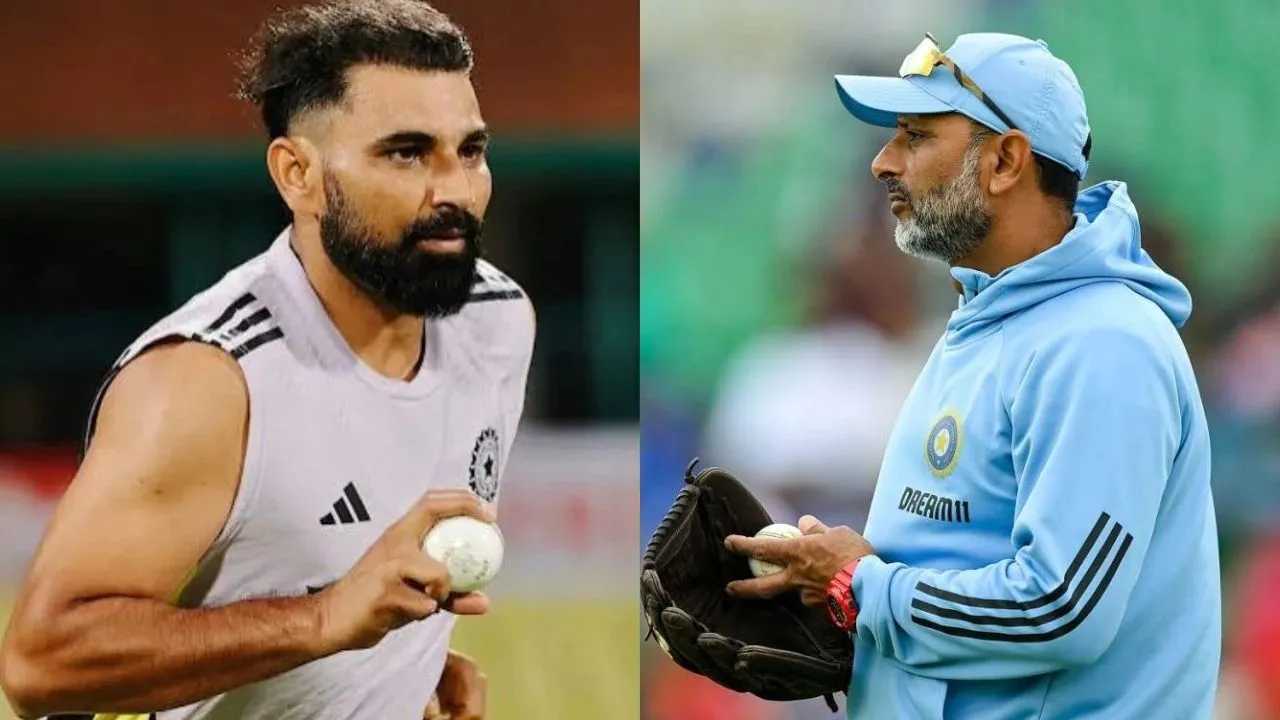
Jason Gillespie blames Aaqib Javed for Pakistan’s England chaos
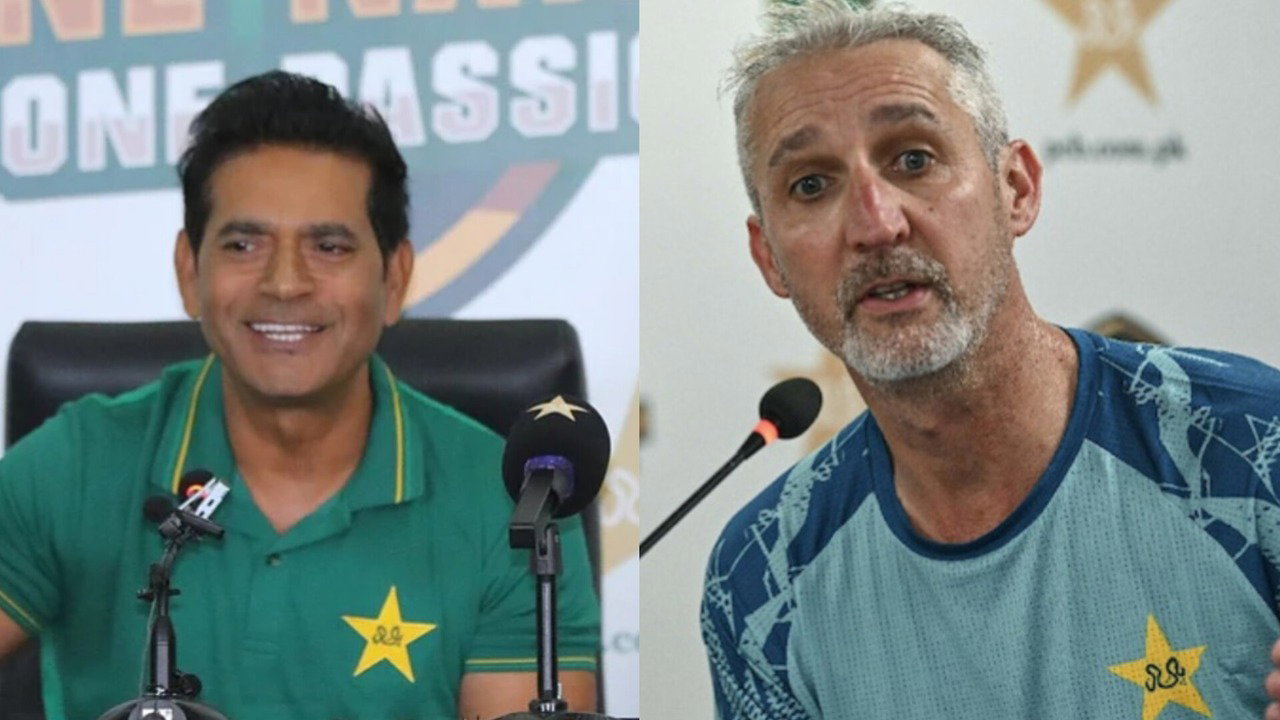
Pakistan Cricket Team Faces Critical Challenges on Tour in England: A Prediction of Struggles and Controversy
The Pakistan men’s cricket team has found itself in a difficult situation during their ongoing three-match Test series in England. After suffering consecutive defeats in the first two matches, the team now faces an uphill battle in the third and final Test at Edgbaston. The series results, performances, and ongoing internal controversies have sparked widespread debate among cricket fans, analysts, and former players alike. As the Men in Green attempt to salvage some pride, the question remains: what does the future hold for Pakistan cricket amidst these turbulent times?
Series Overview and Recent Performance
Pakistan’s Test tour in England has been marred by disappointing results. The team has lost the first two matches convincingly, with the first Test ending in an innings defeat by 167 runs, and the second by a hefty 194 runs at Lord’s. These defeats highlight a troubling trend: Pakistan has now lost 15 of its last 20 Test matches, reflecting a significant decline in form and consistency across formats.
Adding to the concern is Pakistan’s current position in the World Test Championship (WTC) standings, where they languish at the bottom, mirroring their performance in the previous cycle. The team has been unable to secure a single win in their last five Test matches in England, with three losses and two draws, signaling a clear need for introspection and strategic overhaul.
Expert Criticism and Controversy: Former Coach Jason Gillespie’s Bold Prediction
Amidst the ongoing chaos, former Pakistan coach and Australian cricket legend Jason Gillespie has voiced his candid assessment of the current state of Pakistan cricket. Speaking exclusively with Code Sports, Gillespie did not hold back, taking a pointed swipe at the Pakistan Cricket Board (PCB) and chief selector Aaqib Javed. His prediction? That unless significant changes are made, Pakistan’s struggles are likely to continue, and their future prospects remain bleak.
Gillespie’s Candid Take on Pakistan’s Selection Policies
Gillespie’s criticism centers around what he perceives as a lack of a coherent selection strategy within the PCB, particularly under Aaqib Javed’s leadership. He expressed concern over the frequent and seemingly arbitrary changes in team line-ups, which he believes have undermined the players’ confidence and performance. “They change their mind like they change their pants daily,” Gillespie remarked, emphasizing how such inconsistent decision-making hampers team stability and growth.
He highlighted specific instances, such as Salman Ali Agha’s fluctuating role—from captain in the first Test to being sidelined in the second and sent home before the third. Gillespie questioned the logic behind such decisions, underscoring how they reflect a broader issue of poor planning and lack of a clear pathway for player development.
Criticism of Leadership and Communication Breakdown
Beyond selection, Gillespie pointed to a troubling lack of communication within Pakistan cricket’s hierarchy. He revealed that players who were dropped or sacked learned about their futures through family, friends, or media reports, instead of official channels. This breakdown in communication fosters distrust and demoralizes players, further impacting their performance on the field.
Additionally, Gillespie took aim at Aaqib Javed’s recent public accusations against coach Gary Kirsten and himself, blaming them for the chaos surrounding Pakistan cricket. Gillespie responded by urging Javed to reflect on his own role and responsibilities, stating, “Aaqib Javed needs to look at himself in the mirror before blaming others.”
Performance Analysis: The Challenges in Batting and Leadership
The Pakistan batting line-up has struggled significantly in the current series. In the first Test, their batting collapsed, unable to bat for even 100 overs collectively, leading to a crushing innings defeat. Despite the return of captain Babar Azam for the second Test, the team’s batting woes persisted, culminating in another heavy loss.
These results underscore deeper issues within the team’s structure and strategy. The inconsistent selection and lack of clear leadership have contributed to a fragile team dynamic, with players seemingly lacking confidence and clarity in their roles.
The Prediction: What Lies Ahead for Pakistan Cricket?
Given the current trajectory, predictions for Pakistan cricket’s future remain cautious. Unless there are substantial reforms in both management and selection processes, the team is unlikely to reverse its fortunes soon. The series at Edgbaston could serve as a final opportunity for the Men in Green to show resilience, but the signs point to a continued struggle unless decisive action is taken.
Cricket experts believe that Pakistan needs to overhaul its approach—establishing a transparent and strategic selection process, improving communication channels within the team, and fostering a culture of accountability at the administrative level. Failure to do so risks further decline, not only in international rankings but also in the morale and development of its players.
The Broader Context: Pakistan’s Cricketing Challenges
Pakistan cricket’s current predicament is emblematic of broader issues faced by many cricket boards worldwide—balancing talent development, managing internal politics, and maintaining consistent leadership. The recent controversies and poor performance highlight the importance of strategic planning and effective communication in sports management.
Furthermore, the international cricket community is watching closely. Success in the upcoming series or the next cycle of the World Test Championship could serve as a catalyst for rebuilding confidence. Conversely, continued failure may deepen the crisis, affecting Pakistan’s prospects in upcoming tournaments like the ICC Cricket World Cup and the Champions Trophy.
Conclusion: A Call for Reflection and Reform
As Pakistan prepares for the decisive third Test at Edgbaston, the overarching question remains: can the team rally and turn their fortunes around? The prediction for the remainder of this series and beyond hinges on significant internal reforms, strategic clarity, and improved communication between players and management.
Cricket analysts and fans alike are hopeful that this challenging phase will serve as a catalyst for positive change. For Pakistan cricket to regain its former glory, it must learn from its current setbacks, embrace transparency, and foster a culture of consistency and accountability. Only then can the Men in Green hope to elevate their game and restore their standing on the international stage.
In the meantime, all eyes will be on Edgbaston, where Pakistan faces its final challenge in this series—one that could potentially shape the future trajectory of cricket in the country.
Latest News
Top 10 highest run-chases in T20 cricket history, ft. West Indies’ Ranchi win vs India
Aaryavir Sehwag and Anvay Dravid set to make headlines at U19 Asia Cup 2026
Longest ducks in Test cricket history ft. Nic Maddinson, Shoaib Akhtar
ECB to offer 39 central contracts to England players after Ben Stokes, Mark Wood’s retirement
Steve Smith surpasses Steve Waugh in all-time Test run-scorers’ list

Shane Watson identifies Gautam Gambhir’s biggest problem as India struggle for consistency

Is Bhuvneshwar Kumar in India’s 2027 World Cup plans? Ajinkya Rahane makes revelation

BCCI’s big ₹127 Crore move after injury crisis raises concerns over Team India

Parthiv Patel reveals RCB ignored his Jasprit Bumrah recommendation in IPL 2014 Auction
“Never spoke ill of any faith”: Irfan Pathan hits back at fake news using his name
Nic Maddinson bags 33-ball duck on Test comeback, disappoints George Bailey
Imran Tahir predicts 2027 ICC ODI World Cup Semi-Finalists, snubs India for title
Australia create unwanted history with first all-30-plus Test XI
Ravindra Jadeja returns to Ranji Trophy as Saurashtra announce squad