

Jay Shah reappointed as ICC Chair unopposed as India’s dominance in world cricket continues
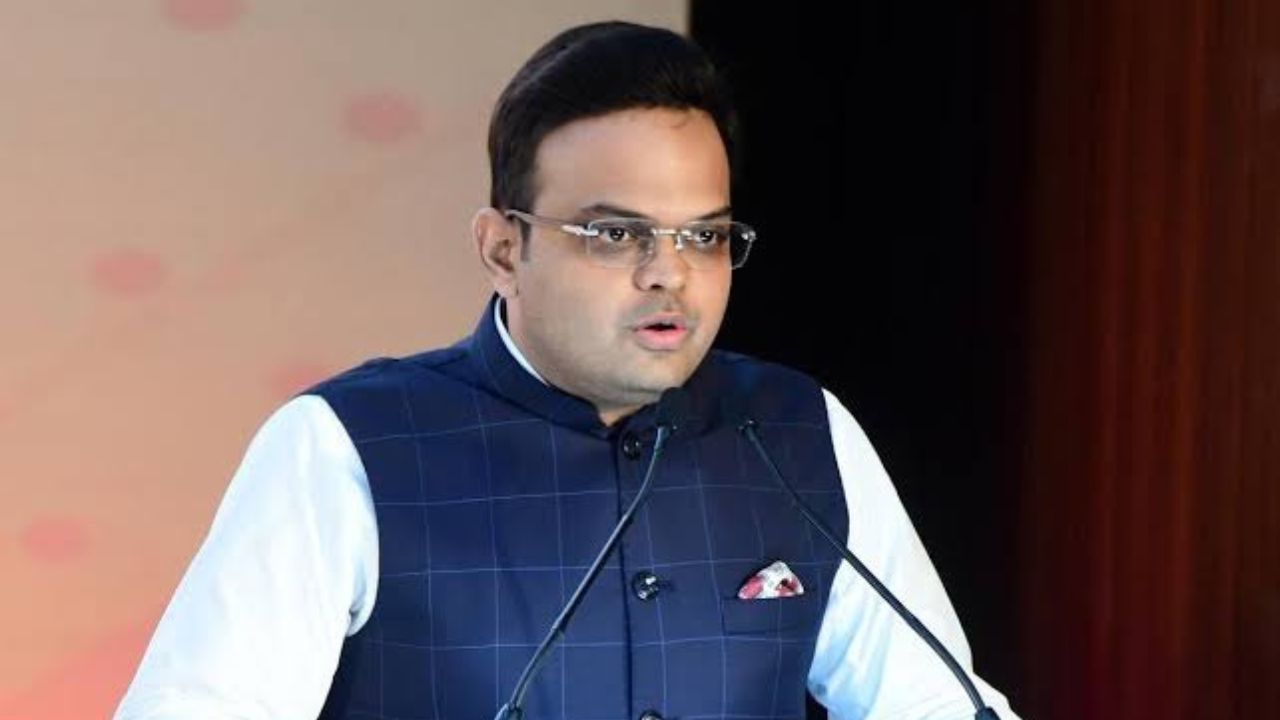
Jay Shah Reappointed as ICC Chair for Second Term
Jay Shah has been reappointed unopposed as Chair of the International Cricket Council (ICC), securing a second term at a pivotal moment for the global game. The decision was confirmed by the ICC Board during meetings in Bali, Indonesia, held from November 11 to 15. Shah’s continued leadership offers stability as cricket prepares for its return to the Olympic Games and faces major decisions about its international calendar, commercial future and worldwide growth.
The reappointment also keeps an influential Indian administrator at the helm of cricket’s governing body. With the sport set to feature at the Los Angeles 2028 Olympic Games, the ICC has an opportunity to reach new audiences and attract a generation of players and supporters beyond its traditional markets. The direction taken during Shah’s second term could help shape how that opportunity translates into lasting growth.
ICC Board backs continuity as cricket enters a changing era
Shah’s continuation followed a proposal from ICC directors during the Bali meetings. The unopposed decision signals support for his leadership and gives the governing body continuity while it works on long-term plans for the sport.
He first became ICC Chair on December 1, 2024, after being elected unopposed on August 27 of that year. Shah succeeded Greg Barclay, who chose not to seek a third term. At the time of his first appointment, Shah became the youngest person to lead the ICC.
The role carries influence well beyond the administration of major tournaments. The ICC must balance the interests of member boards with the needs of players, fans and commercial partners. Its decisions affect the international schedule, the financial sustainability of competitions and the opportunities available to cricket-playing nations at different stages of development.
From Gujarat cricket administration to the ICC
Shah’s rise through cricket administration began at district and state level. He started working with the Central Board of Cricket, Ahmedabad, and the Gujarat Cricket Association (GCA) in 2009. In 2013, he became the GCA’s joint secretary, contributing to the organisation’s development and cricket infrastructure in Gujarat, including the project that produced the Narendra Modi Stadium in Ahmedabad.
He entered the Board of Control for Cricket in India (BCCI) administration in 2015 and was appointed its Honorary Secretary in October 2019, becoming the youngest person to hold that position. Shah later became president of the Asian Cricket Council in January 2021 and joined the ICC Board in 2022. He also chaired the ICC’s Finance and Commercial Affairs Committee, a role that gave him experience with the financial and business dimensions of the game.
LA28 Olympics and the future of international cricket
One of the defining priorities of Shah’s second term will be preparing for cricket’s return to the Olympics at LA28. Olympic participation could introduce the sport to audiences unfamiliar with its established formats and traditions. It may also create new pathways for national teams and help cricket build a stronger presence in countries where the game has historically had a limited footprint.
That opportunity will require careful planning. The ICC and its member boards will need to consider how Olympic cricket fits alongside existing international tournaments, domestic leagues and bilateral series. Scheduling, qualification, player availability and broadcast arrangements will all matter if the event is to be accessible to new fans while remaining meaningful to established supporters.
Other priorities include expanding the women’s game, creating more opportunities for Associate Members and protecting the integrity of international cricket. The ICC is also working on the international calendar and tournament windows through 2035. Those plans will need to account for a crowded schedule and the different priorities of boards, players and commercial partners.
For fans, the central question is whether the sport can grow without weakening the contests that give international cricket its identity. Bilateral series remain important to many teams and supporters, while global tournaments offer high-profile competition and significant commercial reach. A sustainable prediction for cricket’s future depends on whether the ICC can strike a workable balance between these interests.
Shah: “We are entering one of the most important periods”
Following his reappointment, Shah thanked ICC directors and member boards for their confidence. He described the chairmanship as both a privilege and a responsibility, and said he would work with members to advance cricket’s interests around the world.
“We are entering one of the most important and exciting periods in our sport’s history,” Shah said, pointing to the Olympic return as an opportunity to introduce cricket to new audiences and inspire future players and fans. He added that the ICC’s responsibility goes beyond delivering successful events, emphasising the need to build a sustainable future that serves athletes, supporters, commercial partners and other stakeholders.
Shah also highlighted cricket’s ability to bring people together. His stated aim is to turn the sport’s ambitions into practical progress and ensure that developments made during his tenure leave a lasting legacy.
ECB chair calls for a balanced international calendar
England and Wales Cricket Board (ECB) Chair Richard Thompson welcomed Shah’s continued appointment, while drawing attention to the challenges facing international cricket. In particular, he said the sport must protect the relevance and competitiveness of bilateral cricket as schedules, audiences and commercial interests continue to evolve.
Thompson said the ICC has an important role in bringing member boards together to set a sustainable direction. He also stressed the need to preserve cricket’s traditions while making room for innovation and new audiences. His comments reflect a wider concern among administrators: growth will be most effective if it strengthens the international game rather than pushing established competitions to the margins.
What Shah’s second term could mean for cricket
Shah’s reappointment places him at the centre of decisions that could influence cricket for years to come. The Olympic return offers a major platform, but its long-term value will depend on how effectively the sport converts visibility into participation, investment and sustained fan interest. Meanwhile, calendar planning and support for women’s and Associate cricket will test the ICC’s ability to align the priorities of a diverse membership.
There is no single prediction for how these changes will reshape the game. Much will depend on cooperation between the ICC and national boards, as well as on whether new commercial opportunities can support a broader and more balanced international structure. Shah’s second term begins with significant expectations: to expand cricket’s reach, safeguard its competitive traditions and build a future that benefits more than its largest markets.
Latest News

SA vs BAN Playing 11 Today, Live Streaming, Pitch & Weather: South Africa tour of Bangladesh 2026, 2nd Test

AUS vs ENG Playing 11 Today, Live Streaming, Pitch & Weather: England tour of Australia 2026, 2nd T20I

Blair Tickner ruled out of 2nd Test vs India, replacement named

Tim Paine and Justin Langer face fresh questions over Australia’s ball-tampering scandal

India tour of Bangladesh gets fresh hope as BCB confirms talks with BCCI

Tom Latham opens up on soft ball problem and saliva ban after draw against India

Ajinkya Rahane slams Tilak Varma for publicly criticising Shahbaz Ahmed after India A’s defeat

ICC to introduce IPL-style bat checks in international cricket

“Smiling Laughing doesn’t happen”: R Ashwin’s dig at India’s approach after draw vs New Zealand

“Not good enough for Test cricket”: Scott Styris, Sunil Gavaskar slam Wellington pitch

Dodda Ganesh declares India ‘out of WTC final race’ after Wellington Test draw

Ajinkya Rahane criticises Shubman Gill for abusing Akash Deep in 1st Test vs New Zealand

‘Why so many boundary riders?’ Dinesh Karthik questions Shubman Gill’s captaincy after Wellington Test

“I just want to enjoy my life”: Yash Dayal reflects on his return to cricket


