Jay Shah’s ICC influence grows as Abhiram Yadav joins Chief Executives’ Committee
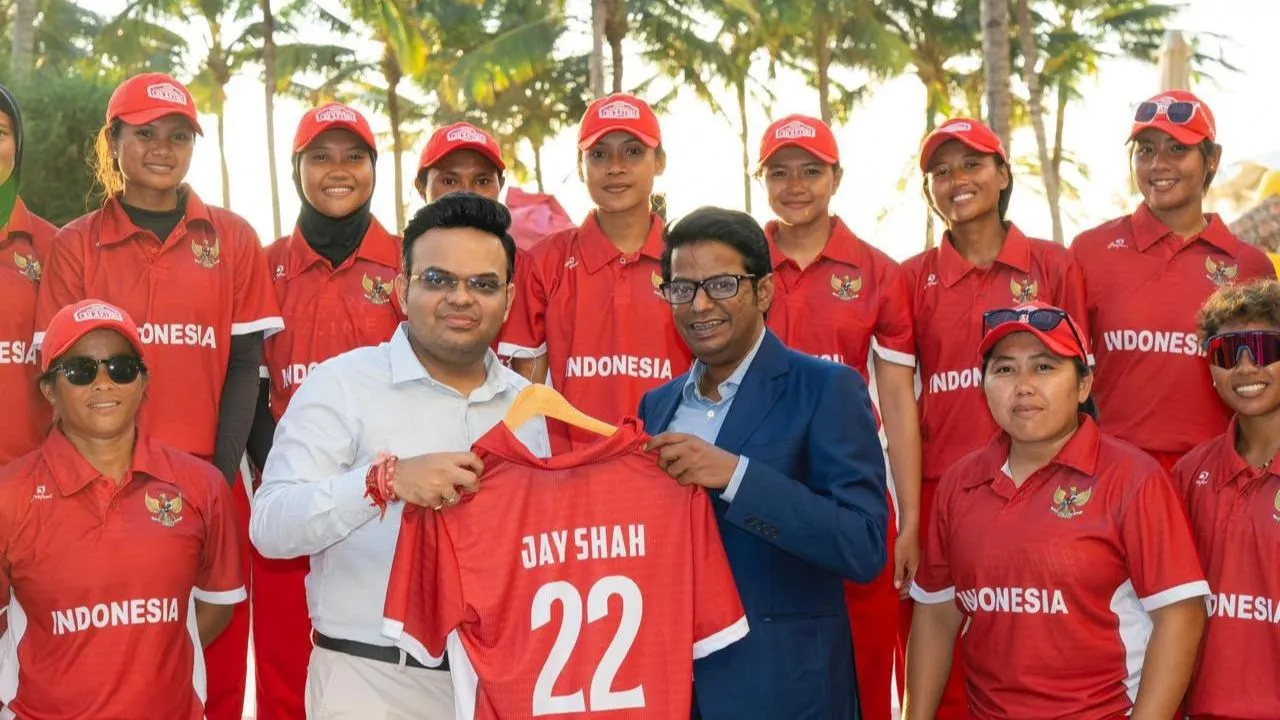
ICC Makes Historic Appointment: Abhiram Singh Yadav Becomes Third Associate Member to Join the Cricket’s Power Circle
The International Cricket Council (ICC), the global governing body responsible for overseeing cricket’s development worldwide, has announced a significant milestone in its ongoing efforts to promote inclusivity and expand the sport’s reach. Abhiram Singh Yadav, the Chairman of Persatuan Cricket Indonesia, has been appointed as one of the three new members of the ICC’s Chief Executives Committee (CEC), representing Associate Members. This landmark decision not only underscores Indonesia’s rising influence in the cricketing world but also marks a pivotal moment in the ICC’s strategy to empower Associate Members and diversify the sport’s global footprint.
Understanding the Role of the ICC’s Chief Executives Committee (CEC)
The ICC’s Chief Executives Committee (CEC) is a vital component of the organization’s governance structure. It serves as the primary forum for decision-making on cricket policies, development programs, and strategic initiatives. The committee’s composition includes representatives from Full Members (the traditional cricket-playing nations) and Associate Members (countries with developing cricket infrastructure).
Traditionally, the focus has been on the Full Members, but recent years have seen a concerted push to give Associate Members a louder voice and a more active role in shaping the future of international cricket. The inclusion of Yadav as a CEC member exemplifies this shift towards greater inclusivity and recognition of emerging cricket nations.
Breaking New Ground: Yadav’s Election and Its Significance
Abhiram Singh Yadav secured his seat on the CEC with a commanding victory, garnering 30 out of 43 votes—a substantial margin that highlights the confidence the cricket community places in his leadership and vision. His main opponent, Sarah Gommeril representing Jersey, received nine votes, while Vignesh Sankaran from Germany garnered three votes. The decisive win is a testament to the growing recognition of Indonesia’s burgeoning cricket scene and Yadav’s influential role within it.
This election is particularly historic because Yadav is only the third Associate Member representative to be appointed to the ICC’s CEC, joining Gurdeep Klair of Canada and Anuraag Bhatnagar of Hong Kong. Their presence on this influential committee signals a significant shift in the ICC’s approach—acknowledging that cricket’s future depends on the active participation of emerging nations beyond the traditional powerhouses.
Indonesia’s Rapid Growth in Cricket and Yadav’s Leadership
Under Yadav’s stewardship, Indonesian cricket has experienced remarkable growth in recent years. The sport, once a niche activity in the Southeast Asian nation, is now played at both the men’s and women’s levels across 21 of Indonesia’s 38 provinces. This expansion is backed by grassroots initiatives, increased investment, and international exposure.
Indonesia’s participation in the Women’s Asia Cup, although still facing challenges on the competitive front, marks a significant step forward in women’s cricket in the region. The country’s progress is a reflection of Yadav’s vision to develop cricket beyond traditional borders and his commitment to nurturing talent and infrastructure.
The Power of Leadership: Abhiram Singh Yadav’s Vision and Commitment
During his acceptance speech and subsequent interviews, Yadav expressed deep admiration for ICC Chairman Jay Shah’s leadership and vision for global cricket. He lauded Shah’s efforts to push the boundaries of the sport, emphasizing his focus on emerging markets, women’s cricket, innovation, and inclusive growth.
Yadav stated, “I have tremendous respect for the leadership, energy, and ambition Mr. Shah has brought to world cricket. His encouragement for cricket to think beyond its traditional boundaries—embracing new markets, new generations, and women’s cricket—aligns perfectly with our shared vision for a more inclusive and vibrant sport.”
He further pledged to work closely with the ICC leadership, emphasizing that Associate Members should not be passive beneficiaries but active contributors to cricket’s global expansion. “As a CEC member, I am committed to collaborating with Mr. Shah, the ICC Board, management, and fellow members to turn these ambitions into tangible growth,” Yadav affirmed.
Implications for the Future of Cricket
The appointment of Yadav signals a broader strategic prediction: that cricket’s future success hinges on embracing diversity and fostering the development of emerging cricket nations. The ICC’s recognition of Indonesia’s potential is a testament to the sport’s evolving landscape, where new markets are seen as vital growth engines.
Looking ahead, the next ICC elections scheduled for June 2027 will be a crucial juncture. Yadav’s tenure on the CEC will provide him with a platform to influence policies that prioritize infrastructure development, youth engagement, and gender inclusion—key factors in predicting cricket’s expansion into previously untapped regions.
Broader Context: The Role of Associate Members in Global Cricket
While Full Members such as India, Australia, and England have historically dominated international cricket, the role of Associate Members is increasingly vital. Countries like Nepal, Namibia, and now Indonesia are demonstrating that cricket can thrive in diverse environments, driven by local passion and strategic investment.
Yadav’s election as a third Associate representative on the ICC board underscores a broader prediction: that the sport’s global landscape will continue to diversify, with emerging nations playing a more prominent role in decision-making. This shift not only helps democratize cricket governance but also catalyzes new opportunities for talent discovery, commercial growth, and cultural exchange.
Conclusion: A New Era for Global Cricket Leadership
The appointment of Abhiram Singh Yadav to the ICC’s Chief Executives Committee marks a definitive step towards a more inclusive and representative governance structure. His victory is a validation of Indonesia’s growing cricket ecosystem and a prediction of even greater strides ahead for Associate Members worldwide.
As cricket continues to evolve, Yadav’s leadership and vision will be instrumental in shaping a future where the sport’s boundaries expand beyond traditional nations, embracing new markets, diverse player bases, and innovative formats. This is not just a victory for Indonesia but a signal to the entire cricketing world: the future of cricket is global, inclusive, and full of promise.
Stay tuned for more updates on ICC elections, emerging cricket nations, and the ongoing journey towards a truly worldwide sport.
Latest News

Nicholas Pooran joins Royal Desert Champions as captain and icon player

Leicestershire take action after 27-point deduction over Glamorgan pitch
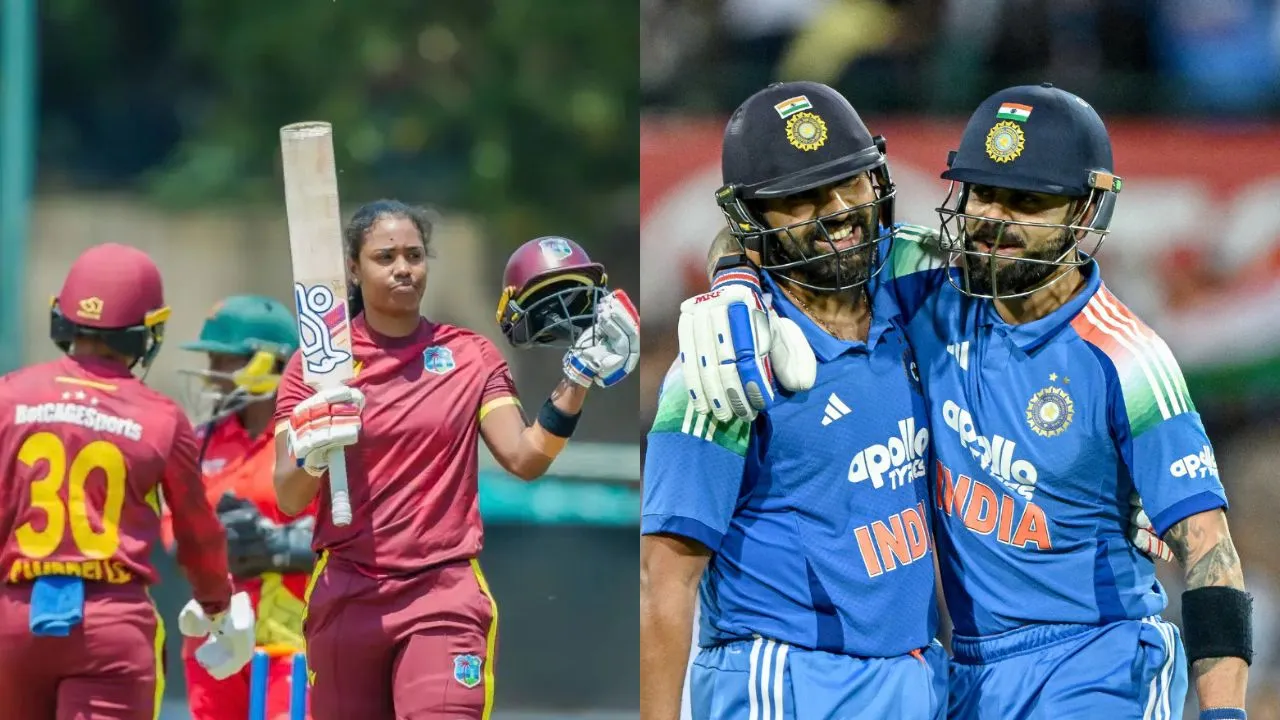
Hayley Matthews creates world record against Zimbabwe, joins Virat Kohli and Rohit Sharma in elite list
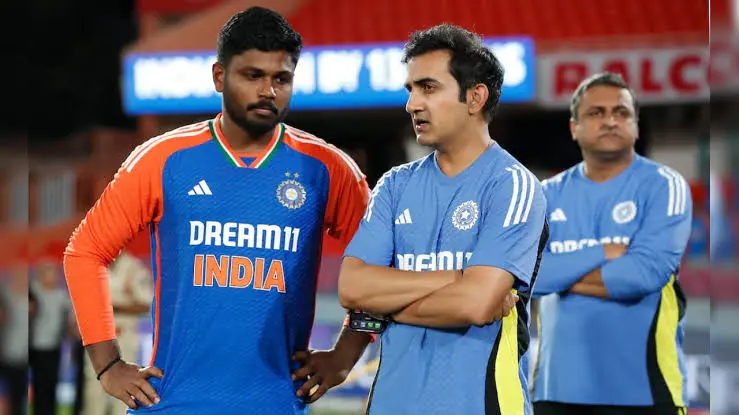
Gautam Gambhir explains why he dropped Sanju Samson in England

Watch: Marco Jansen takes one-handed diving catch in 1st ODI vs Australia

Rob Walter reveals challenge awaiting Vaibhav Sooryavanshi in New Zealand
Muthoot Fincorp set to become BCCI’s new title sponsor
Jay Shah’s ICC influence grows as Abhiram Yadav joins Chief Executives’ Committee
Babar Azam set to make ILT20 debut after registering for auction
“He knows my thinking”: Gautam Gambhir explains his long-standing relationship with Rohit Sharma

BCCI issues major update on Asia Cup trophies after India’s refusal to accept them from Mohsin Naqvi

Essex cricketer Robin Das charged with two counts of rape; set to appear in court

Gautam Gambhir explains what makes Shreyas Iyer a special leader
Laxmi Ratan Shukla named Rest of India batting coach for Irani Cup against Jammu&Kashmir