JCA CEO addresses concerns around pitch, dressing rooms and accommodation for Asian Games 2026
Cricket Facilities for the 2026 Asian Games in Aichi-Nagoya: A Deep Dive into Preparation, Challenges, and Expectations
The upcoming 2026 Asian Games in Aichi-Nagoya have garnered significant attention, particularly concerning the development of cricket facilities—a sport that is rapidly gaining popularity in Japan and across Asia. With just over a year left before the games commence, the construction and preparation of these venues have become a focal point for fans, athletes, and international organizers alike. This article explores the latest updates on the cricket infrastructure, the challenges faced during rapid development, and expert predictions on the quality of facilities that will host some of Asia’s most anticipated cricket matches.
Background: Why the Cricket Facilities in Aichi-Nagoya Are a Major Talking Point
Cricket has historically been a niche sport in Japan, with limited infrastructure and popular participation. However, its inclusion in the 2026 Asian Games marks a transformative moment for the sport’s growth within the country. Unlike traditional cricket powerhouses such as India, Sri Lanka, and Pakistan, Japan’s cricket scene is still developing, which makes the construction of a world-class venue within a tight timeline a remarkable achievement.
The fact that Aichi Prefecture lacked any suitable cricket grounds of international standards meant that organizers had to start from scratch. Their challenge was not only to build a stadium but also to ensure it meets the rigorous standards set by the Asian Cricket Council (ACC) and the International Cricket Council (ICC). The question many are asking is, prediction-wise, can Japan deliver a venue that matches the best in Asia? Early indicators and expert insights suggest a promising outlook.
The Short Timeline: Building a Cricket Venue in Just 17 Months
One of the most astonishing aspects of this project is the timeline. As revealed by the Japan Cricket Association (JCA), the organizers had only 17 months to develop a fully operational cricket stadium suitable for international competition. This includes constructing the pitch, installing seating, creating player facilities, and ensuring compliance with international standards.
Alex Miyaji, CEO of the JCA, emphasized the extraordinary efforts involved in this rapid development. “All parties involved had to work tirelessly to bring this project to life within a limited window,” Miyaji explained. “Starting from zero meant building from the ground up, but the collective commitment of the Asian Cricket Council, Aichi-Nagoya Asian Games Organising Committee (AINAGOC), and local authorities has been exceptional.”
Despite the challenges, Miyaji confidently predicts that the finished product will be among the best cricket venues seen at the Asian Games. The venue is set to feature a full-size ground with cutting-edge turf and hybrid pitches, tailored to meet international standards and provide players with optimal conditions.
Preparation of the Playing Surface: Expertise and International Support
The quality of the pitch is paramount in cricket, influencing match outcomes and player safety. Recognizing this, the JCA has prioritized sourcing top-tier curators to prepare the playing surface. Notably, Sri Lanka Cricket (SLC) has played a pivotal role in providing expert support for pitch preparation, ensuring the surface will be of the highest quality.
Earlier this year, the stadium hosted international matches, providing valuable experience and a testing ground for the organizers. This prior exposure has helped refine the preparations, giving confidence that the venue will deliver the necessary conditions for top-level competition. The prediction is that the pitches will offer a balanced combination of pace, bounce, and stability, aligning with the standards expected at major international tournaments.
Addressing Infrastructure Concerns: Dressing Rooms and Player Facilities
While the playing surface has garnered praise, concerns about the adequacy of dressing rooms and player amenities have been a topic of discussion. Critics have questioned whether temporary facilities can provide the comfort and functionality expected at such a prestigious event.
In response, Alex Miyaji assured stakeholders that extensive efforts have been undertaken to address these issues. “The organizers have been working on player facilities for over a year,” Miyaji stated. “The venue will feature both temporary and permanent amenities, with temporary dressing rooms and toilets designed to meet the needs of international teams.”
He further explained that permanent facilities around the ground will be accessible to teams, ensuring a seamless experience. Despite the limited timeline, Miyaji expressed confidence that these arrangements will provide a comfortable environment, comparable to other major international sporting events.
Accommodation Arrangements: Meeting the Expectations of International Teams
Accommodation has emerged as one of the most debated topics ahead of the Asian Games. Concerns were raised when some teams, notably India and Pakistan, expressed reservations about the quality and availability of hotel facilities. Critics feared that inadequate lodging could impact team performance and overall tournament experience.
The JCA clarified that participating teams are being offered hotel accommodations, but with the flexibility to arrange their own stays if they prefer. Miyaji emphasized that the organizers have engaged in extensive discussions with AINAGOC to secure suitable lodging options, including traditional hotels, cruise ships, or container hotels, depending on the team’s preferences and requirements.
He highlighted the logistical challenges but also pointed out that other sports within the Games are being accommodated in more limited facilities, showcasing the organizers’ adaptability. The prediction is that, with proper planning, teams will find appropriate accommodation options, ensuring their focus remains on performance rather than logistical concerns.
The Future of Cricket in Japan and Asia: Predictions and Expectations
The successful development of the cricket venue in Aichi-Nagoya is seen as a significant step forward for cricket’s expansion in Japan and the wider Asian region. Experts predict that the 2026 Asian Games will serve as a catalyst for increased investment and interest in the sport within Japan, potentially leading to the development of domestic leagues and youth programs.
Furthermore, the high-quality facilities and international exposure are expected to boost Japan’s chances of hosting future international tournaments. The prediction is that Japan’s cricket infrastructure will continue to improve, attracting more players and fans over the coming years.
Cricket’s inclusion in a multi-sport event like the Asian Games also offers a unique opportunity to elevate the sport’s profile on the continent. The success of the Aichi-Nagoya venues could pave the way for cricket’s inclusion in other regional multisport events, with predictions favoring a growing global footprint for the game.
Conclusion: A Landmark Moment for Cricket and the Asian Games
The development of cricket facilities for the 2026 Asian Games in Aichi-Nagoya exemplifies the remarkable progress achievable through international cooperation, strategic planning, and dedicated effort—even within a constrained timeline. While challenges remain, especially regarding infrastructure and accommodation, the predicted quality of the venues suggests that cricket will make a memorable debut in Japan’s hosting of the Asian Games.
As the countdown continues, stakeholders and fans alike are eager to witness whether the prediction of top-tier facilities will materialize and how this event will influence the future trajectory of cricket in Japan and beyond. The 2026 Asian Games promise to be a historic milestone, and the cricket venues in Aichi-Nagoya are poised to play a central role in shaping that legacy.
Latest News

Top 10 highest run-chases in T20 cricket history, ft. West Indies’ Ranchi win vs India

Aaryavir Sehwag and Anvay Dravid set to make headlines at U19 Asia Cup 2026

Longest ducks in Test cricket history ft. Nic Maddinson, Shoaib Akhtar

ECB to offer 39 central contracts to England players after Ben Stokes, Mark Wood’s retirement

Steve Smith surpasses Steve Waugh in all-time Test run-scorers’ list

Shane Watson identifies Gautam Gambhir’s biggest problem as India struggle for consistency

Is Bhuvneshwar Kumar in India’s 2027 World Cup plans? Ajinkya Rahane makes revelation
BCCI’s big ₹127 Crore move after injury crisis raises concerns over Team India

Parthiv Patel reveals RCB ignored his Jasprit Bumrah recommendation in IPL 2014 Auction

“Never spoke ill of any faith”: Irfan Pathan hits back at fake news using his name
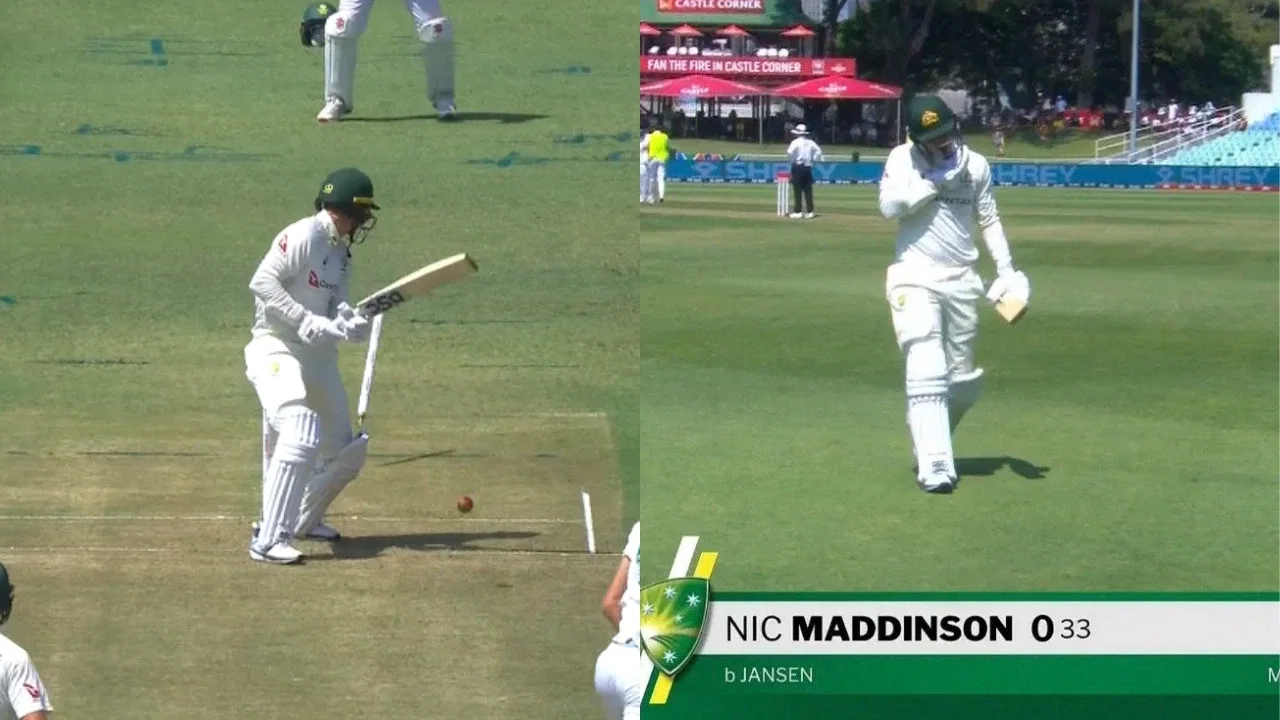
Nic Maddinson bags 33-ball duck on Test comeback, disappoints George Bailey

Imran Tahir predicts 2027 ICC ODI World Cup Semi-Finalists, snubs India for title
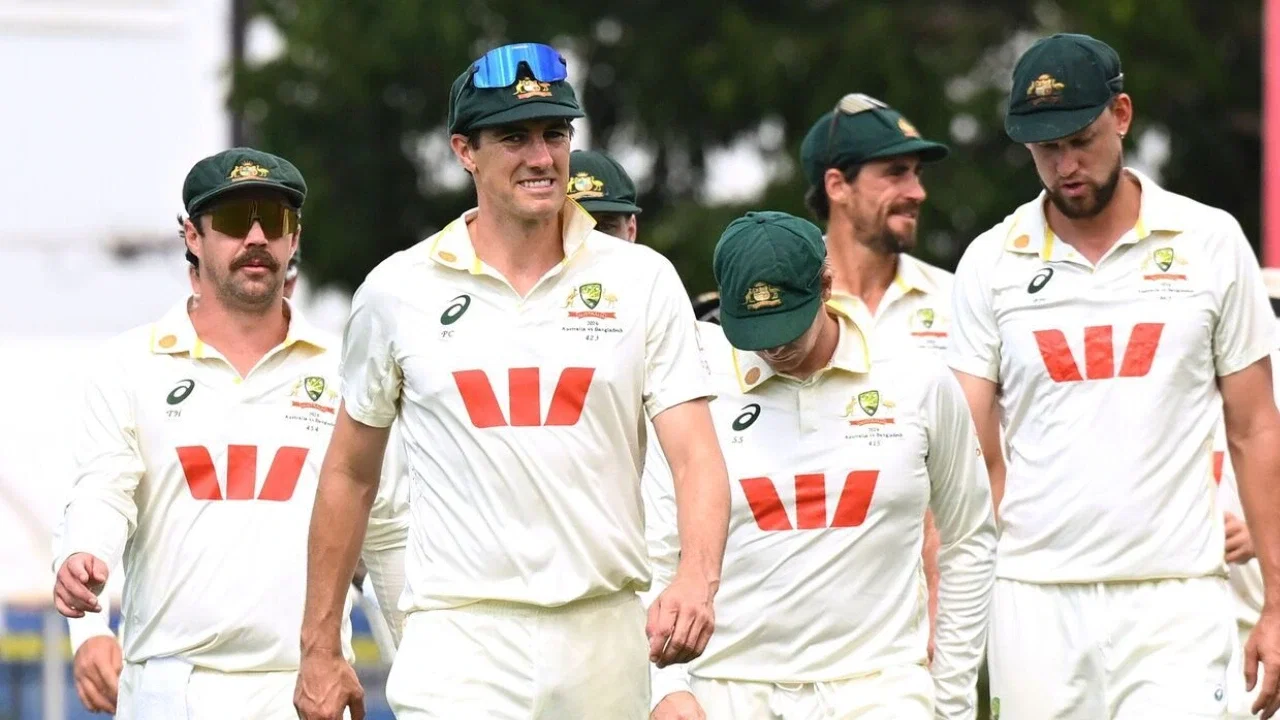
Australia create unwanted history with first all-30-plus Test XI

Ravindra Jadeja returns to Ranji Trophy as Saurashtra announce squad