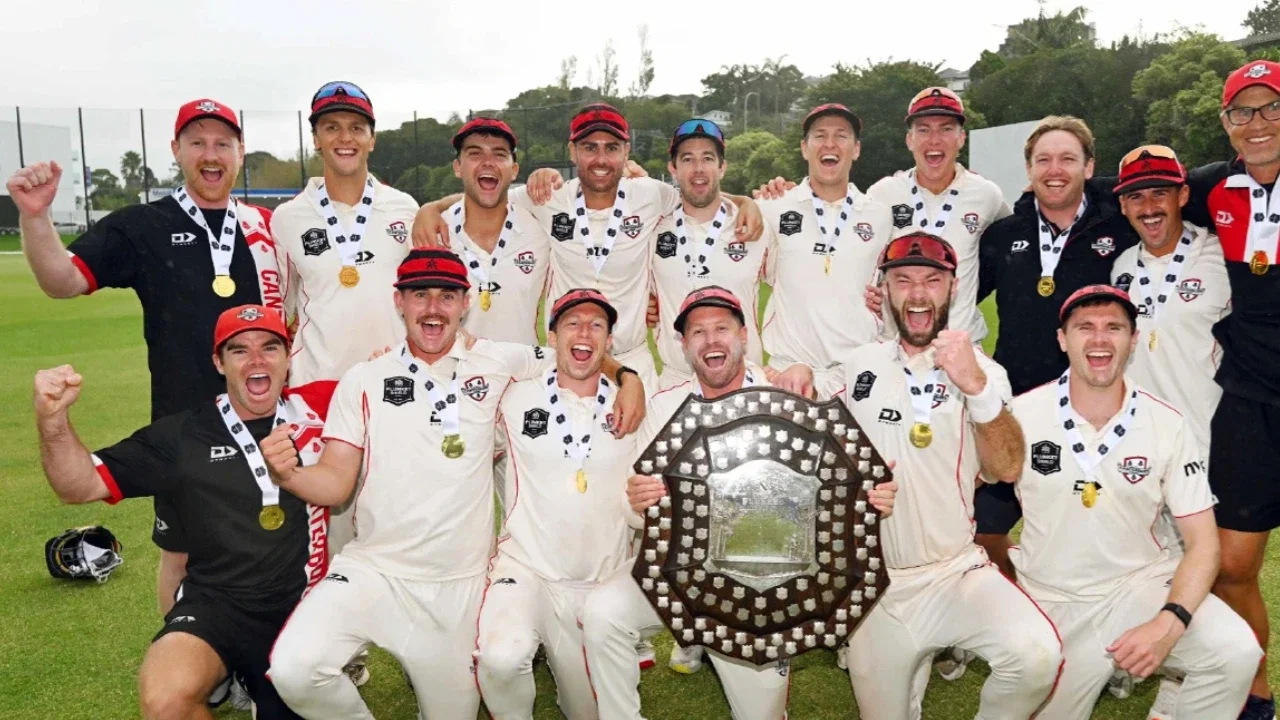
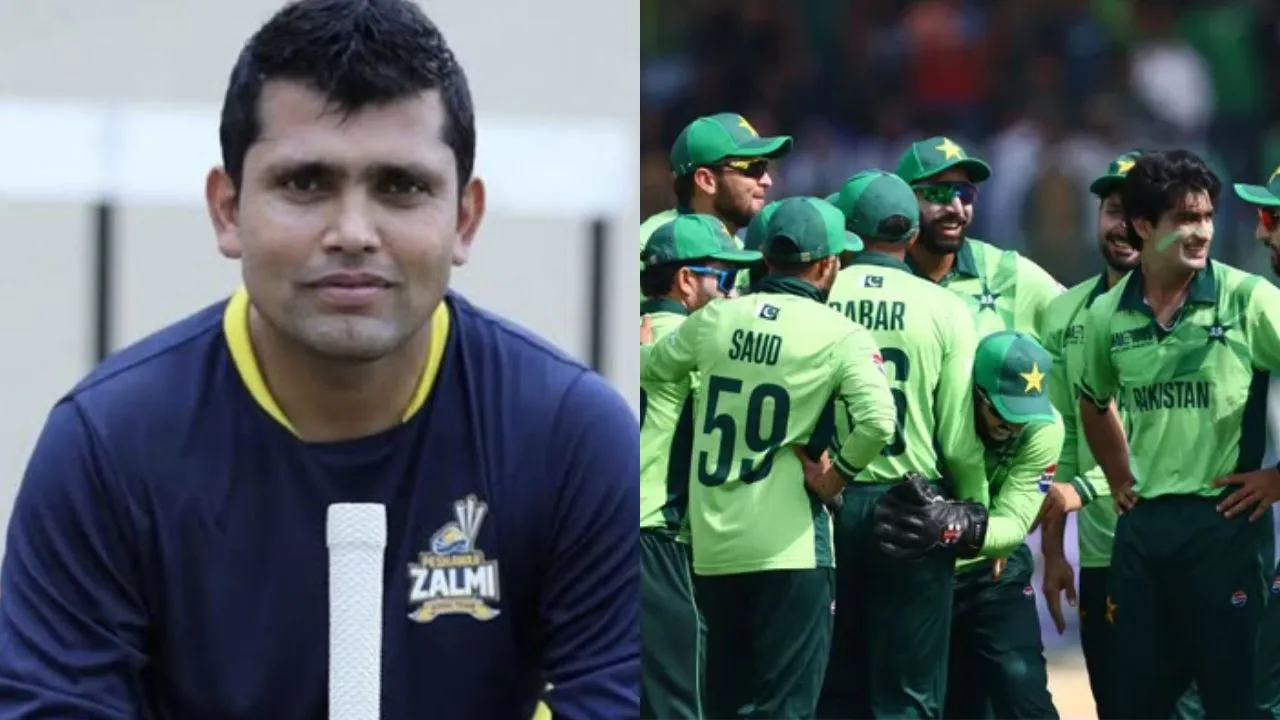
Kamran Akmal questions Mohsin Naqvi’s PCB over sending Pakistan players home
Prediction and Controversy in Pakistan Cricket: Kamran Akmal Slams PCB’s Mid-Series Player Exile During England Tour
The recent Pakistan cricket team’s tour of England has been marred by unexpected upheavals, sparking intense debate among cricket enthusiasts, former players, and experts alike. Central to this controversy is the Pakistan Cricket Board’s (PCB) decision to send seven players home midway through the series, a move that has drawn widespread criticism and concern over the future trajectory of Pakistani cricket. Former Pakistani wicketkeeper-batsman Kamran Akmal has emerged as one of the most vocal critics, questioning the rationale behind such drastic measures and predicting long-term repercussions for the team and the nation’s cricketing reputation.
The Controversial Player Replacements and PCB’s Strategic Shake-Up
Following Pakistan’s disappointing start to the Test series against England—losing the first two matches—the PCB made the unprecedented decision to release Mohammad Rizwan, Salman Ali Agha, Imam-ul-Haq, along with four other players, and replace them ahead of the third and final Test in Birmingham. This mid-series excision not only shocked fans but also raised eyebrows within the cricketing fraternity, as such drastic squad changes are rarely seen mid-competition, especially with high-stakes Test matches at stake.
Alongside the player changes, the PCB also announced significant modifications to the coaching staff. Test head coach Sarfaraz Ahmed and bowling coach Umar Gul were relieved of their duties, while white-ball coaches Mike Hesson and Ashley Noffke were entrusted with the responsibilities of leading the Test team for the concluding match. Such sweeping reforms pointed to a broader systemic effort to recalibrate Pakistan’s cricketing approach amid mounting criticism.
Kamran Akmal’s Perspective: The Prediction of Long-Term Damage
Kamran Akmal, a renowned figure in Pakistani cricket and a seasoned former wicketkeeper-batsman, did not hold back in criticizing these decisions. During his appearance on the popular cricket show ‘Game Plan’, Akmal voiced his skepticism about the PCB’s approach, particularly its handling of senior players like Mohammad Rizwan and Salman Ali Agha.
“There was one more Test left. You could have had both Agha and Rizwan in the squad,” Akmal argued. “You could have dropped them from the playing XI but kept them in the team environment. Sending them home sends a wrong message to the remaining players and undermines the importance of experience and leadership in the squad.”
His prediction centers on the idea that such abrupt dismissals could have detrimental effects on team morale, leadership stability, and future team dynamics. Akmal emphasized that players like Rizwan and Agha, who have previously captained Pakistan and possess valuable experience, should have been retained as part of the squad, even if they were not part of the playing XI in the final matches.
The Broader Implications: Building a System or Shattering It?
Akmal’s critique extends beyond individual decisions to question the very systemic approach of the PCB. He suggested that if the board aimed to overhaul the team, it should do so comprehensively, rebuilding the entire system rather than making piecemeal changes during an ongoing series.
“If you want to change the system, then do it properly,” he stated. “This kind of ad-hoc decision to send players home midway doesn’t help Pakistan cricket in the long run. It sends the wrong message not only to players but also to cricket fans and the international community.”
His warning hints at a prediction that such instability could harm Pakistan’s chances in future international fixtures and diminish the country’s reputation as a formidable cricketing nation. Akmal’s comments echo a broader sentiment that Pakistan needs strategic stability rather than impulsive decisions driven by short-term results.
The Reactions: Fans and Experts Speak Out
The decision to send Salman Ali Agha and Mohammad Rizwan home has sparked heated debates on social media and cricket forums. Many fans sympathize with the players, especially considering Rizwan’s role as vice-captain and his previous contributions to Pakistan’s batting line-up.
Salman Ali Agha’s brief stint as captain during the first Test at Headingley, in the absence of Babar Azam, showcased his leadership qualities. His subsequent exclusion from the second Test after Babar’s return was already a contentious decision, and now his early departure from the tour has further fueled criticism.
On the other hand, Rizwan’s recent performances have come under scrutiny, with critics pointing to his modest batting record—scoring only 61 runs across four innings in the series—and questioning his shot selection and game awareness. This criticism has been amplified amid the upheaval, leading many to question whether the PCB’s decisions are motivated by performance or other factors.
Imam-ul-Haq’s Injury: Fanning the Flames of Controversy
The injury to Imam-ul-Haq during the second Test added another layer of controversy. The opener was seen limping while fielding on the first day and did not come out to bat later, raising doubts about the severity of his injury. Several former cricketers and pundits accused Imam of faking the injury, suggesting that the team management might have been trying to manipulate team composition amid the ongoing crisis.
The injury controversy worsened Pakistan’s already fragile situation in the series, with some critics arguing that the decision to withdraw Imam was part of a larger attempt to shake up the squad. The incident has further questioned the professionalism and transparency of the PCB’s management decisions.
Future Outlook: What Does the Prediction Say?
This tumultuous phase in Pakistan cricket leads to a crucial question: what is the prediction for Pakistan’s cricketing future if such disruptive decisions continue? Experts warn that frequent upheavals and mid-series shake-ups could undermine team cohesion, erode player confidence, and jeopardize Pakistan’s standing in international cricket.
Historical patterns suggest that stability and strategic planning are key to long-term success. The recent chaos indicates a need for the PCB to reflect on its decision-making process, focusing on building a resilient team environment rooted in consistency and player development.
Moreover, the controversy has prompted calls from former players and cricket analysts for the PCB to adopt a more systematic approach—one that emphasizes talent nurturing, mental toughness, and leadership stability—if Pakistan aims to reclaim its position as a top-tier cricket nation.
Conclusion: Lessons and the Road Ahead
The ongoing situation in Pakistan cricket serves as a stark reminder of the importance of strategic planning, clear communication, and stable leadership. Kamran Akmal’s prediction underscores that piecemeal decisions and sudden player exiles can have long-lasting adverse effects on team morale and international perception.
As Pakistan prepares for future series and tournaments, the focus should shift towards building a unified, disciplined, and well-structured cricketing system. Only then can Pakistan hope to restore its cricketing prestige and achieve sustained success on the global stage.
In the meantime, fans and cricket experts will continue to watch closely, hoping that the PCB’s future decisions will be guided by wisdom and a commitment to long-term growth rather than reactive measures. The prediction remains clear: stability and strategic vision are the keys to Pakistan’s cricketing revival.
Latest News
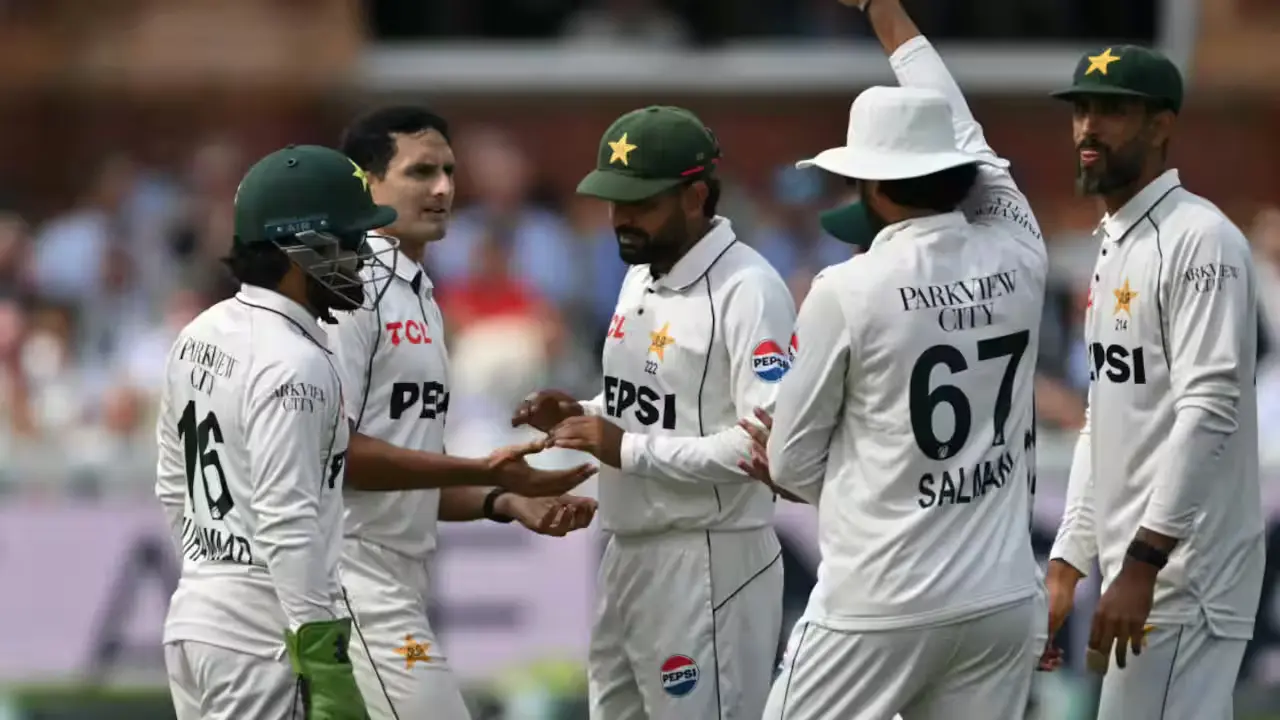
Pakistan team changes draw ‘PCB is culprit’ verdict from 1983 winner
Mumbai Indians retain Mahela Jayawardene as IPL 2027 coach
Rohit Sharma rejects Mumbai Indians captaincy, 2 frontrunners emerge
Suryakumar Yadav’s Mumbai Indians future sealed for IPL 2027
Kamran Akmal questions Mohsin Naqvi’s PCB over sending Pakistan players home
Rajat Patidar takes fantabulous catch to dismiss Vaibhav Sooryavanshi in Duleep Trophy 2026
Misbah-ul-Haq quits Pakistan selection committee after seven-player call
Ben Stokes’ Adelaide Strikers salary, availability and BBL 2026-27 details

DUG vs ROD Dream11 Prediction Today Match, My11Circle Prediction, Dream11 Team Today, Fantasy Cricket Tips, Playing XI, Pitch Report, Injury Update- Euro Cup T20 2026, Match 10
BEW vs ECR Dream11 Prediction Today Match, My11Circle Prediction, Dream11 Team Today, Fantasy Cricket Tips, Playing XI, Pitch Report, Injury Update- Euro Cup T20 2026, Match 11
Ajit Agarkar to meet BCCI officials over future ahead of 2027 ODI World Cup

Siddhesh Lad to replace Shardul Thakur as Mumbai captain for Ranji Trophy 2026-27

Nahid Rana ruled out of Asian Games 2026; Bangladesh Pacer targets Afghanistan series for comeback
Peter Handscomb included in Australia A squad ahead of Border-Gavaskar Trophy