

Kane Williamson names next-gen ‘Fab Four’, includes Shubman Gill and Yashasvi Jaiswal
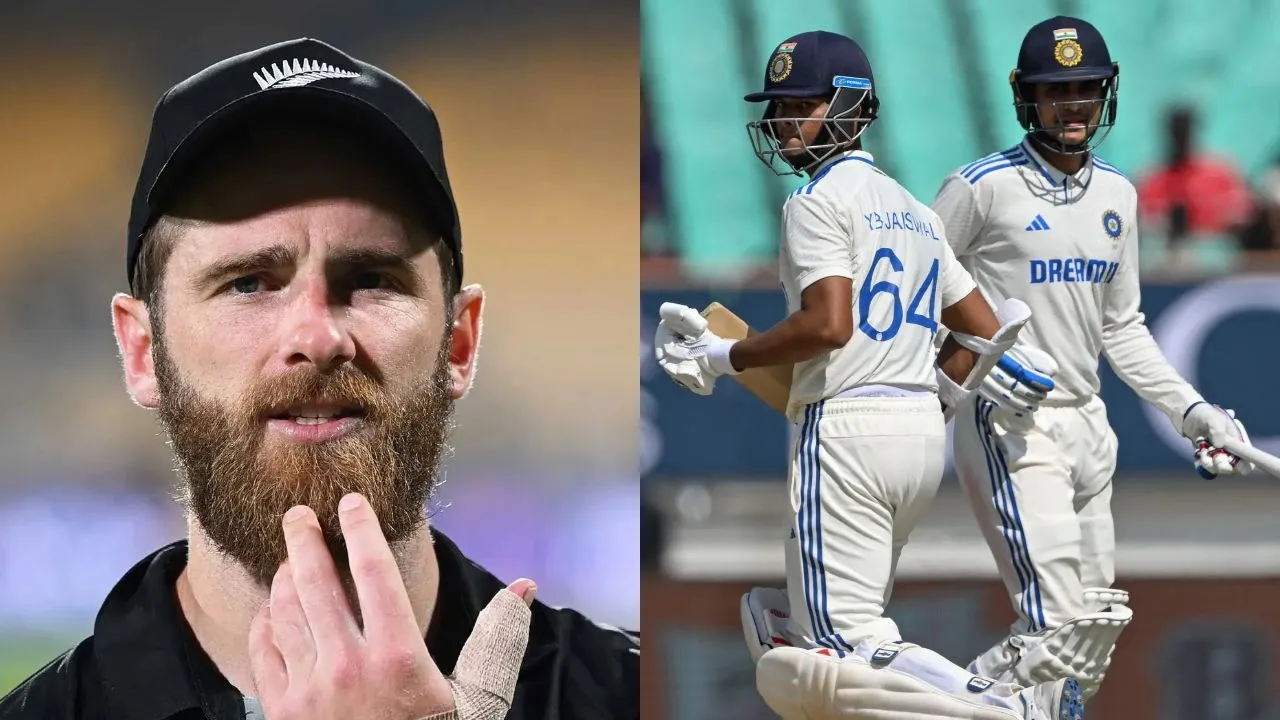
Kane Williamson Names Cricket’s Next-Generation ‘Fab Four’
The conversation around cricket’s celebrated “Fab Four” is already turning toward the players who could define the next era. Former New Zealand captain Kane Williamson has offered his prediction for the batters to watch, naming Harry Brook, Shubman Gill, Cameron Green and Yashasvi Jaiswal as potential members of a new generation of elite stars. He also suggested that New Zealand teammate Rachin Ravindra deserves consideration.
Williamson shared his choices during an appearance on the ICC Review with former England captain Nasser Hussain. The discussion revisited the original group—Williamson, Virat Kohli, Joe Root and Steve Smith—and explored what it meant to be compared with three of the leading batters of his time.
Williamson Says the ‘Fab Four’ Label Was Never a Burden
Although fans and commentators often measured the four players against one another, Williamson said he did not feel weighed down by the label. Instead, he viewed the comparisons as an opportunity to appreciate the different qualities each batter brought to the game.
“I never felt a burden with it,” Williamson said, explaining that he admired Kohli, Smith and Root. He also noted that he knew the players well after facing them regularly throughout his career. His connection with Root was especially close: the pair played county cricket together for Yorkshire, giving Williamson a chance to see the England batter’s approach beyond international competition.
The four became a natural point of comparison because they emerged around the same period and repeatedly produced outstanding performances across formats. Yet their methods were far from identical. Kohli became known for his intensity, athleticism and appetite for chases; Smith developed an unusual but highly effective technique; Root built his reputation on timing, adaptability and consistency; and Williamson earned praise for his calm temperament and precise strokeplay.
That contrast helped make the “Fab Four” more than a ranking. It gave fans a way to discuss how different styles could succeed at the highest level, while the players’ overlapping careers created a compelling rivalry without requiring them to play in the same team or compete in every series.
Who Could Join the Next ‘Fab Four’?
Williamson’s prediction includes a mix of established international performers and young batters with substantial room to grow. England’s Harry Brook has already made a major impression with his aggressive, inventive batting. His ability to score quickly and put pressure back on bowlers has made him one of the most closely watched players in the current generation.
India captain Shubman Gill is another prominent name on Williamson’s list. Gill has demonstrated a broad range of strokes and the composure to build substantial innings. As he takes on greater leadership responsibilities, his performances across conditions and formats will be central to his long-term standing in international cricket.
Australia’s Cameron Green offers a different profile. An all-rounder with the height and power to influence matches with the bat, he also contributes with the ball. That versatility could make him an especially valuable player as teams manage demanding schedules and look for cricketers who can shape a match in more than one discipline.
India opener Yashasvi Jaiswal completes Williamson’s main four. Jaiswal has attracted attention for his confidence at the crease and ability to convert opportunities into big scores. Opening the batting brings its own challenge: he must handle the new ball, adapt to changing surfaces and give his team a strong start. Sustaining that level over a long career will be the next test.
Why Rachin Ravindra Is Also in the Conversation
Williamson added Ravindra as another player with the potential to belong in the group. The New Zealand batter has shown that he can contribute in demanding international settings, but Williamson pointed to a key uncertainty: the volume and future shape of Ravindra’s Test cricket opportunities.
That qualification highlights an important difference between promising talent and lasting greatness. A player may have the technique and temperament to thrive, but a career-defining reputation usually depends on repeated performances over many years, across different opponents and conditions. Regular opportunities in Test cricket can be particularly important for building that record.
Williamson joked that he had answered the question before and should stick with his previous choices, “otherwise” he would be “a bit of a fraud.” The light-hearted remark did not diminish the significance of his list; rather, it showed how early any prediction about the next generation remains. Careers can change quickly, and emerging players still need to prove themselves over time.
The Original Fab Four’s Legacy
The original quartet became one of modern cricket’s defining storylines because each player combined individual success with a shared era of competition. Their records, contrasting personalities and performances in high-pressure matches gave supporters plenty to debate. The label also helped draw attention to the high standards required to remain among the world’s leading batters.
The group’s careers have since entered different phases. Kohli has retired from Test cricket, while Williamson has stepped away from the longest format. Smith has also ended his ODI career, while Root remains active in multiple formats. Root and Smith continue to add to their Test records, with Root leading active players in Test runs and Smith among the closest challengers.
These changes make the search for a new “Fab Four” more complicated than simply comparing statistics. The modern game places different demands on batters, with packed schedules, evolving tactics and varied formats shaping how players prepare and perform. Strong numbers matter, but so do longevity, adaptability and the ability to deliver against the best bowling attacks.
A Prediction, Not a Final Verdict
Williamson’s selections offer a useful snapshot of the talent attracting attention today, but they are not a fixed ranking or a guarantee of future success. Brook, Gill, Green and Jaiswal will each face different challenges, and Ravindra remains a possible addition depending on his opportunities and development.
For fans, that uncertainty is part of the appeal. The original Fab Four were defined not only by their individual achievements but also by the years of debate and comparison that followed them. Whether the next generation can recreate that same sense of rivalry remains to be seen. Williamson’s prediction has, at least, given supporters a new group of names to watch as cricket’s next chapter unfolds.
Latest News

SA vs BAN Playing 11 Today, Live Streaming, Pitch & Weather: South Africa tour of Bangladesh 2026, 2nd Test

AUS vs ENG Playing 11 Today, Live Streaming, Pitch & Weather: England tour of Australia 2026, 2nd T20I

Blair Tickner ruled out of 2nd Test vs India, replacement named

Tim Paine and Justin Langer face fresh questions over Australia’s ball-tampering scandal

India tour of Bangladesh gets fresh hope as BCB confirms talks with BCCI

Tom Latham opens up on soft ball problem and saliva ban after draw against India

Ajinkya Rahane slams Tilak Varma for publicly criticising Shahbaz Ahmed after India A’s defeat

ICC to introduce IPL-style bat checks in international cricket

“Smiling Laughing doesn’t happen”: R Ashwin’s dig at India’s approach after draw vs New Zealand

“Not good enough for Test cricket”: Scott Styris, Sunil Gavaskar slam Wellington pitch

Dodda Ganesh declares India ‘out of WTC final race’ after Wellington Test draw

Ajinkya Rahane criticises Shubman Gill for abusing Akash Deep in 1st Test vs New Zealand

‘Why so many boundary riders?’ Dinesh Karthik questions Shubman Gill’s captaincy after Wellington Test

“I just want to enjoy my life”: Yash Dayal reflects on his return to cricket


