Kapil Dev mentions Modi government while discussing India-Pakistan ‘No handshake’ row
The Intensifying India vs Pakistan Cricket Rivalry: A New Era of Sports Diplomacy
The rivalry between India and Pakistan in cricket has long been considered one of the most electrifying and emotionally charged in the sporting world. Historically, matches between these two nations have transcended the boundaries of sport, often reflecting political tensions and national pride. Recently, however, this fierce rivalry has entered a new phase marked by political sensitivities, leading to a notable shift in customary post-match rituals—specifically, the traditional handshake between players.
From Handshakes to Silent Respect: The Impact of Diplomatic Strains
In years past, post-match handshakes symbolized sportsmanship and mutual respect, even amidst intense competition. But in recent times, diplomatic tensions have overshadowed the spirit of friendly rivalry. The absence of handshakes between India and Pakistan players has become a poignant symbol of the strained political relationship. This shift was particularly noticeable during the Asia Cup 2025 and subsequent tournaments, where the usual gestures of camaraderie were replaced by a conspicuous silence.
Kapil Dev’s Perspective on the No-Handshake Policy
The legendary 1983 World Cup-winning captain, Kapil Dev, recently shared his insights on this evolving scenario. Known for his candidness, Kapil emphasized that the decision to avoid handshakes is ultimately dictated by government policies. According to him, players are bound to follow the directives issued by their respective governments, as they have limited influence over diplomatic matters.
“If the government has decided not to shake hands with Pakistani players, then players have no choice but to adhere to this protocol,” Kapil Dev explained during an interview with India Today. “In such sensitive matters, players are expected to respect the political stance of their country, even if it means sacrificing a simple gesture of sportsmanship.”
Tracing the Roots: Why Did the Handshake Stop?
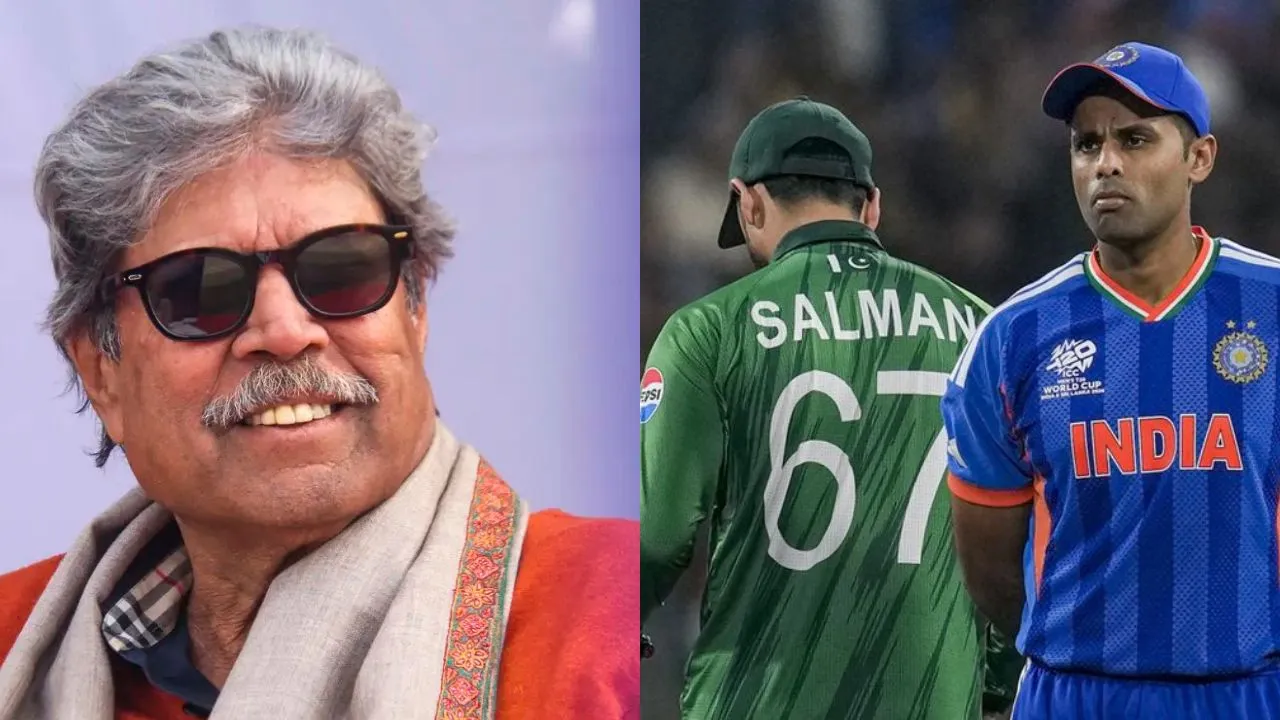
The halt in the handshake tradition traces back to the Asia Cup 2025, when India’s cricket captain Suryakumar Yadav refused to shake hands with Pakistan’s Salman Ali Agha. The gesture was intended as a show of solidarity following a terror attack in Pahalgam that claimed Indian lives. Suryakumar’s refusal was a symbolic act, highlighting the complex interplay between sports and national security concerns.
This incident set a precedent, leading to a broader no-handshake policy that has persisted across all formats—men’s, women’s, and youth cricket. During the Women’s Asia Cup 2026, Harmanpreet Kaur’s team refused to accept the trophy from Mohsin Naqvi, the President of the Asian Cricket Council (ACC), who also heads the Pakistan Cricket Board (PCB). The Indian women’s team’s decision to decline the trophy was a powerful statement, reflecting ongoing diplomatic tensions and a desire to dissociate sports from political conflicts.
The Role of the Asian Cricket Council and Future Predictions
The role of the ACC has come under scrutiny amid these incidents. Following the 2025 Asia Cup and the Women’s Asia Cup 2026, there is speculation about Mohsin Naqvi’s future at the helm of the ACC. With his tenure set to end in April 2027 and reports suggesting that the board members might oppose his re-election, the organization is at a crossroads. Some believe that the ACC will need to reconsider policies that may be perceived as endorsing or facilitating political tensions during cricket tournaments.
Implications for Future India-Pakistan Cricket Encounters
Predicting the future of India-Pakistan cricket encounters involves analyzing both political climate and sporting developments. While the rivalry remains intense on the field, the ongoing diplomatic issues suggest that traditional post-match rituals may continue to be absent, at least in the near future. Experts predict that unless there is a significant thaw in diplomatic relations, the no-handshake policy will persist, impacting the overall spirit of cricket diplomacy.
However, some analysts argue that cricket can serve as a bridge for dialogue and reconciliation, provided both sides choose to leverage the sport as a platform for peace. The question remains: Will future matches see a return to the customary gestures of sportsmanship, or will political considerations dominate the cricketing landscape?
Recent Developments in Women’s Cricket and Beyond
The recent refusal by the Indian women’s team to accept the trophy from Mohsin Naqvi underscores how political tensions influence all levels of cricket. The Indian team’s silent celebration without medals or trophies reflects a broader sentiment among players and fans alike—sports should ideally unite, not divide.
In addition, the situation has led to discussions about potential reforms in cricket governance, with stakeholders calling for policies that promote sportsmanship and diplomatic neutrality. The future of India vs Pakistan cricket matches will likely depend on how political leadership navigates these sensitive issues and whether sporting bodies can foster an environment of mutual respect despite diplomatic challenges.
Kapil Dev’s Call for Humanity and Respect
Beyond the cricket field, Kapil Dev also expressed concern about the treatment of Pakistan’s former captain, Imran Khan, who has been detained and reportedly mistreated in Rawalpindi’s Adiala Jail. Kapil emphasized that Imran Khan deserves humane treatment, highlighting how sports personalities can advocate for dignity and respect beyond national borders.
“Imran Khan has contributed immensely to Pakistan cricket and politics. Regardless of our differences, he deserves basic human rights and humane treatment,” Kapil Dev stated. His comments reflect a broader call for empathy and compassion, emphasizing that sport and humanity are interconnected.
Final Thoughts: The Prediction for India-Pakistan Cricket Relations
As the cricketing world watches closely, the prediction for India vs Pakistan encounters remains cautiously optimistic. While political tensions currently cast a shadow over the traditional camaraderie, history suggests that sports have the potential to heal divides. The future of this rivalry hinges on diplomatic developments and the willingness of both nations to prioritize cricket as a unifying force.
Despite the absence of handshakes and trophy exchanges, the passion and competitive spirit of Indian and Pakistani cricketers continue to captivate fans worldwide. The hope is that, one day, the rivalry will return to its roots—marked by fierce competition but grounded in mutual respect and sportsmanship.
Conclusion
The evolving India-Pakistan cricket rivalry exemplifies how sport and politics are intertwined. The prediction remains that, unless significant diplomatic progress is made, the no-handshake policy and political symbolism will persist in cricket matches. Nonetheless, cricket’s power to inspire and unite remains undiminished, offering a beacon of hope for future reconciliation and peaceful sporting exchanges.
As fans and stakeholders look forward to upcoming tournaments, the key question is whether cricket can once again serve as a bridge for dialogue, friendship, and mutual respect—beyond the confines of political discord.
Latest News
Brydon Carse escapes criminal charges after derby incident, Cricket Regulator to investigate
ADF vs BWV Dream11 Prediction Today Match, Dream11 Team Today, Fantasy Cricket Tips, Playing XI, Pitch Report, Injury Update- European T20 Cup 2026, Qualifier
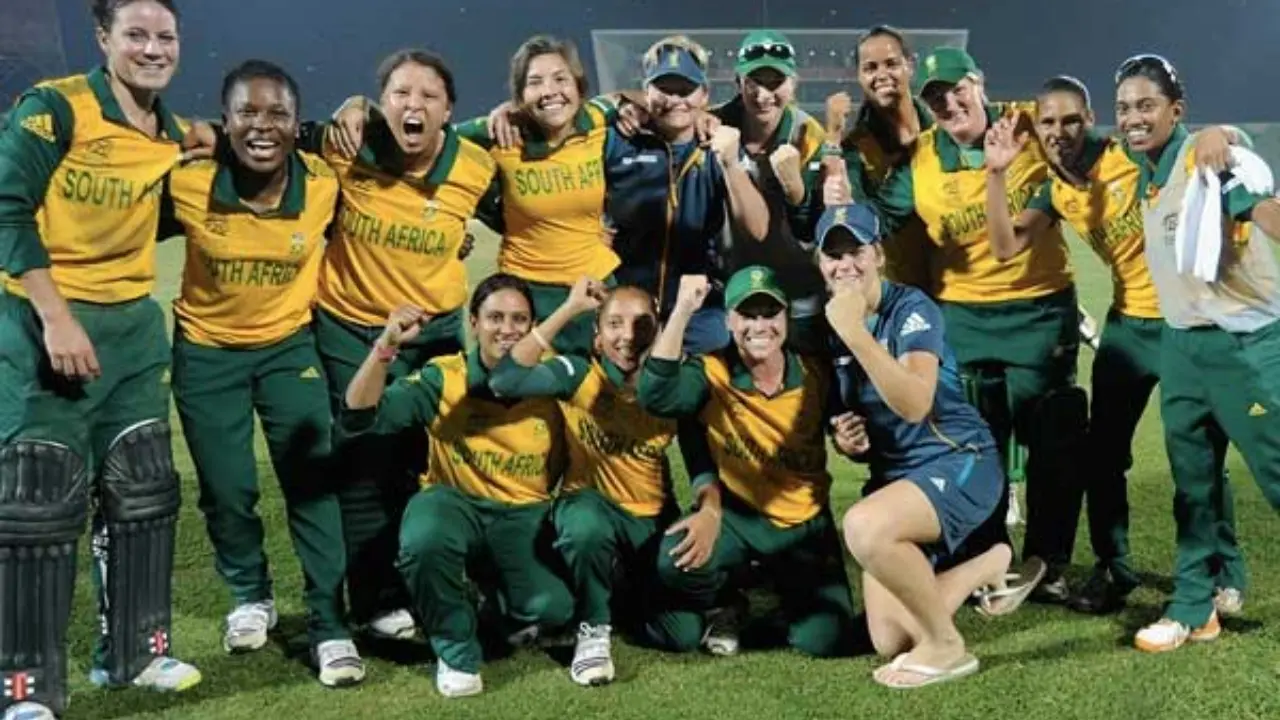
ZIM-W vs SA-W Dream11 Prediction Today Match, My11Circle Prediction, Dream11 Team Today, Fantasy Cricket Tips, Playing XI, Pitch Report, Injury Update- South Africa Women Tour of Zimbabwe 2026, 5th T20I
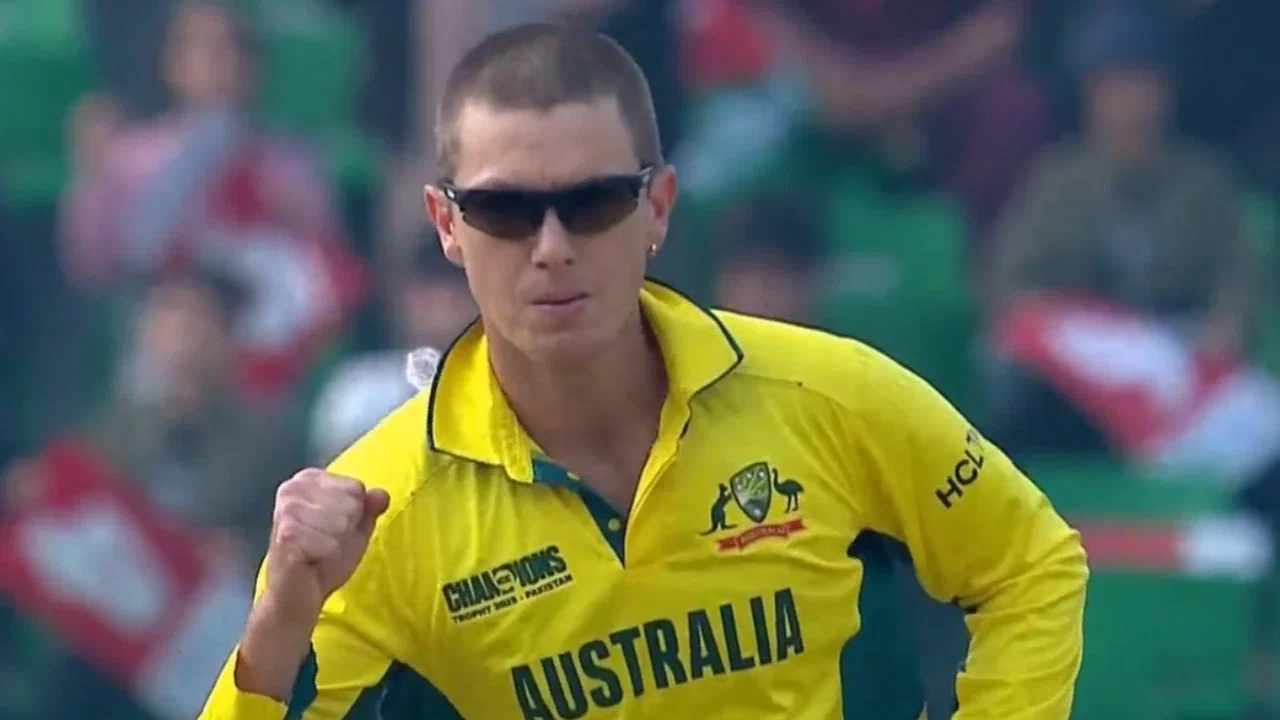
Adam Zampa scripts history, breaks Shane Warne’s massive ODI record
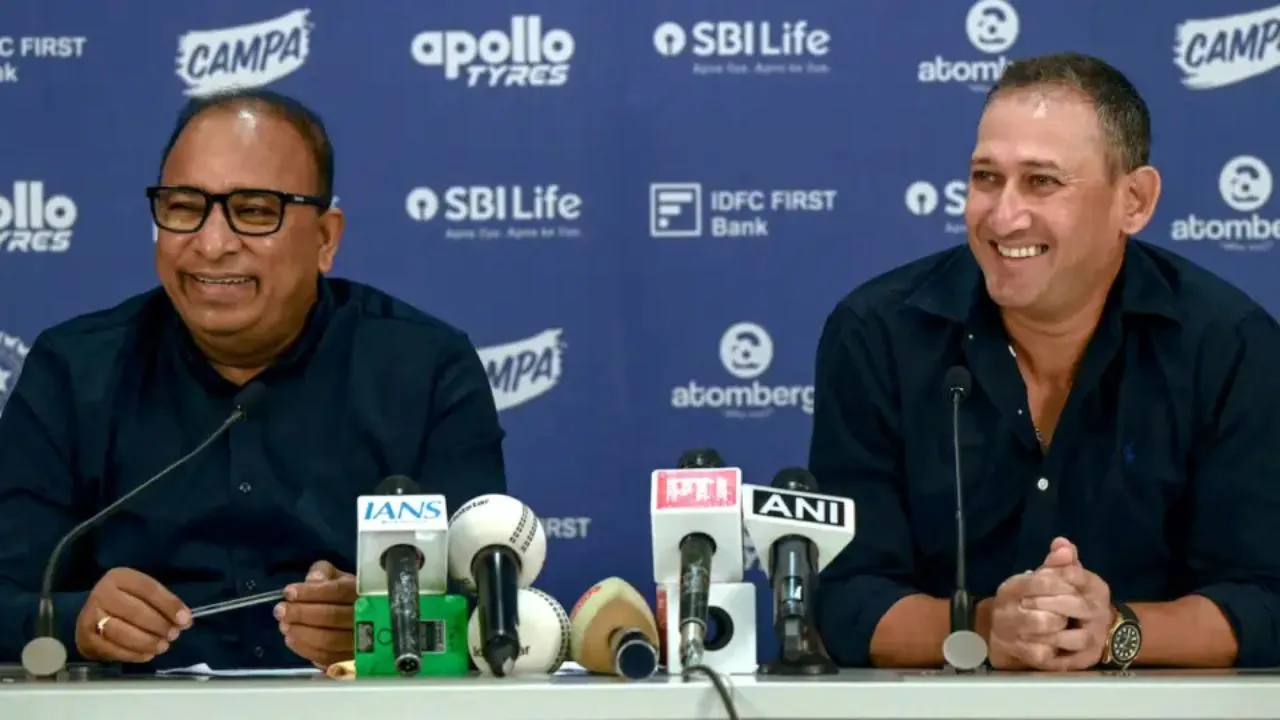
Ajit Agarkar’s future, BGT 2027 Ranchi Test: BCCI secretary Devajit Saikia gives update
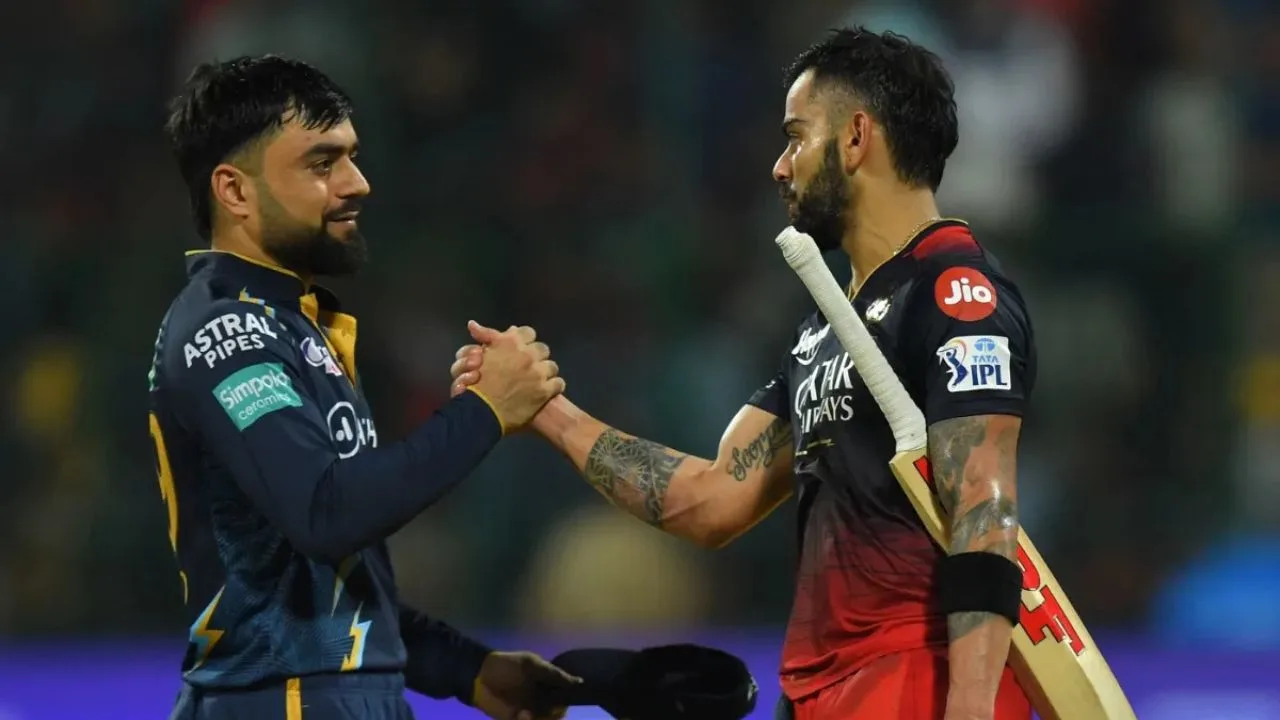
Rashid Khan picks Virat Kohli as his toughest opponent, explains what makes him special
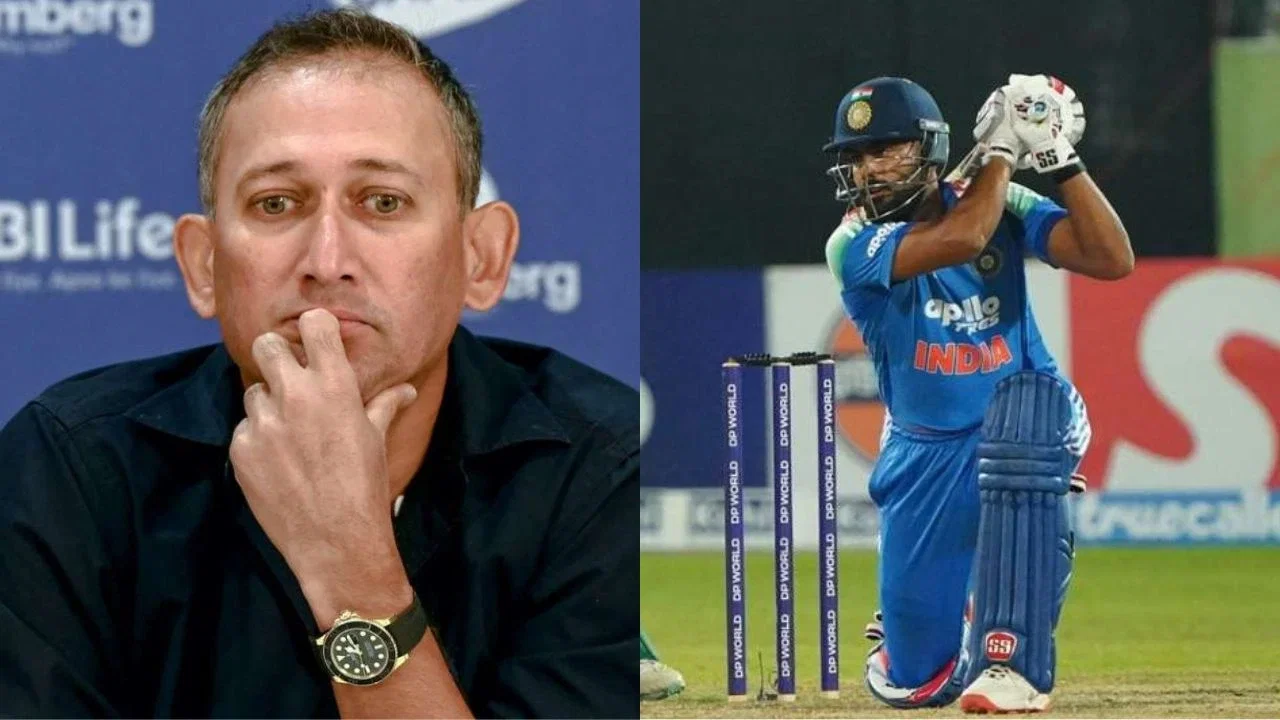
Ajit Agarkar questioned over Naman Dhir’s ODI call-up: “How is it possible?”
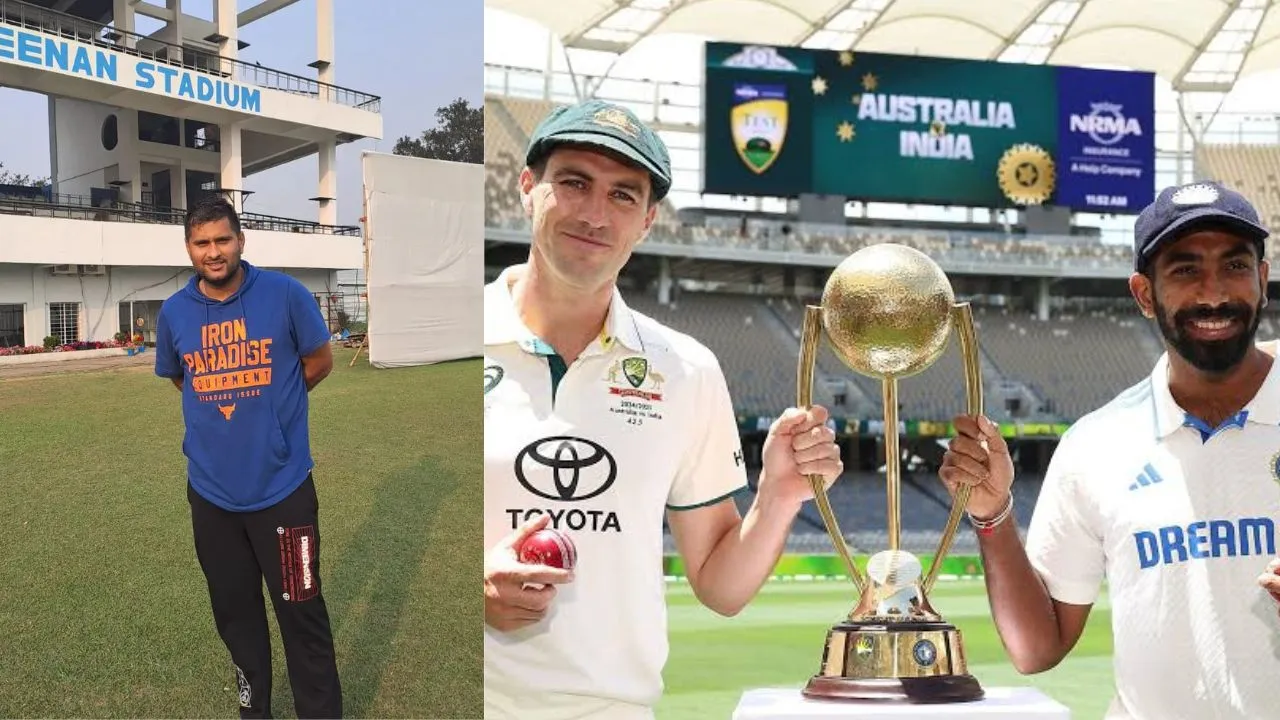
BGT 2027: Ranchi not dropped as venue, JSCA secretary confirms
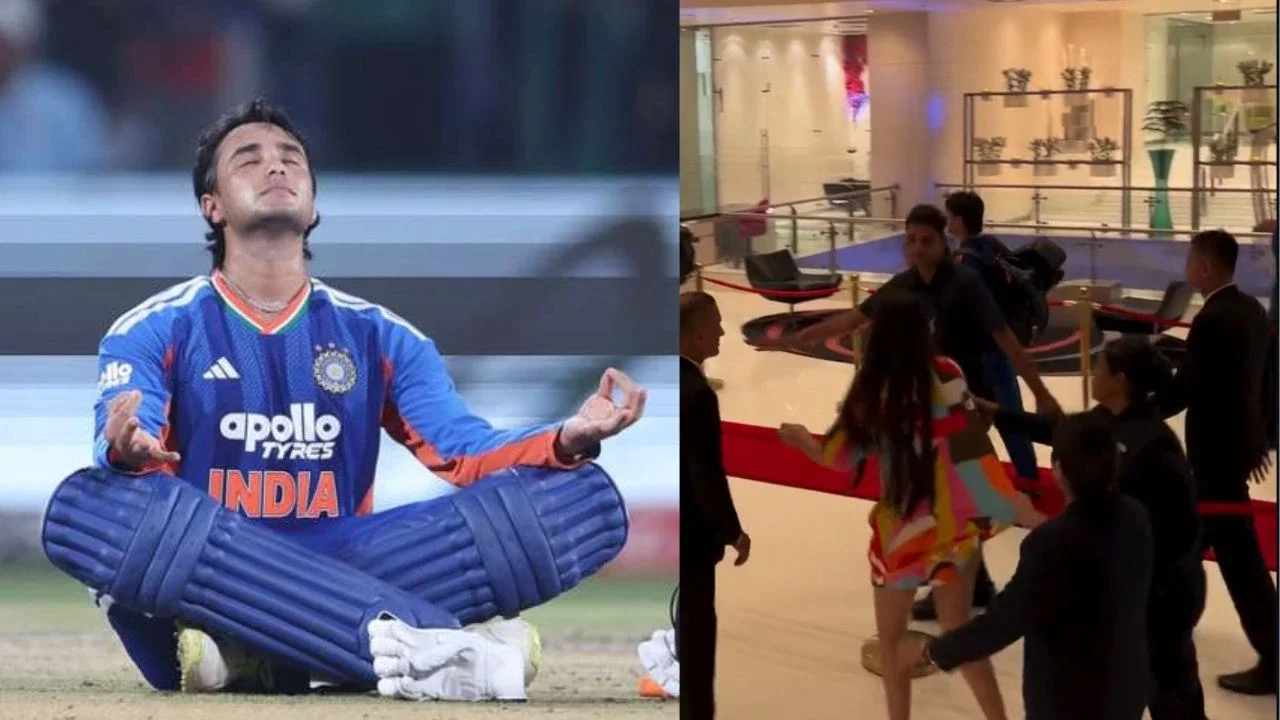
Watch: Abhishek Sharma ignores fan girl begging for photo, security intervenes
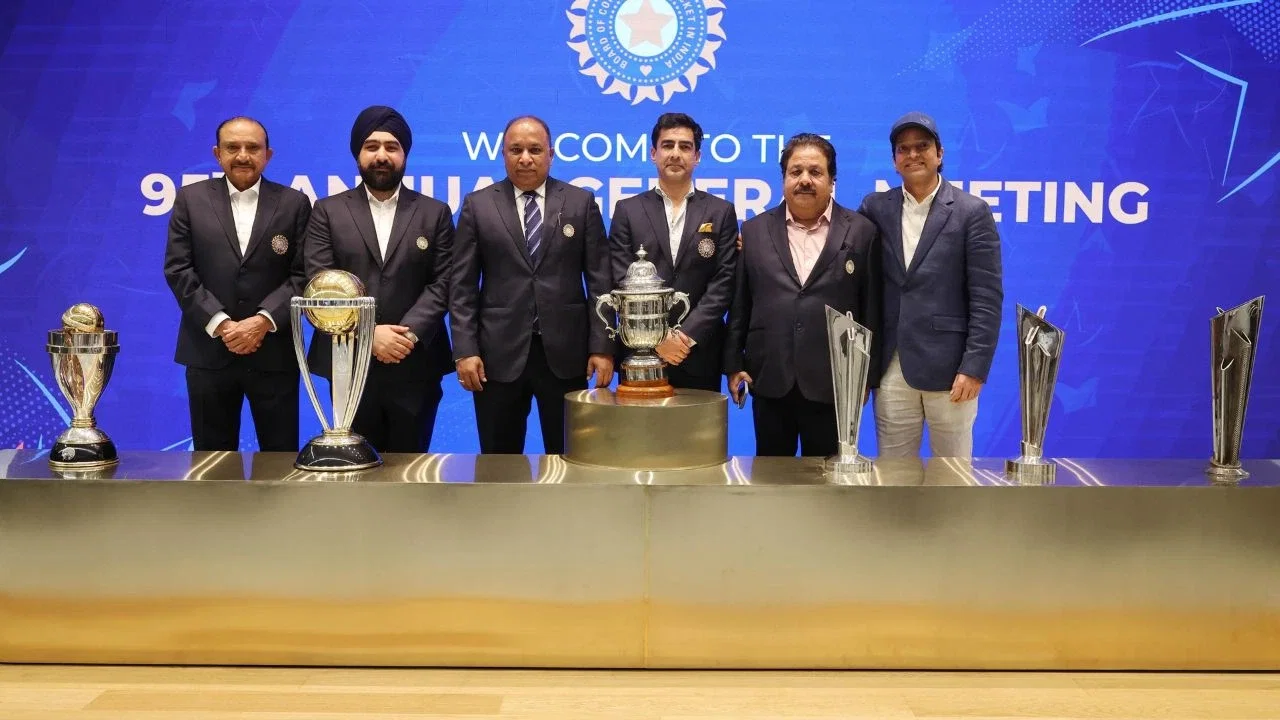
BCCI AGM 2026: IPL, sexual harassment policy, age rules among key decisions
Kapil Dev mentions Modi government while discussing India-Pakistan ‘No handshake’ row
Abishek Porel set for comeback as Calcutta High Court grants bail
Rohit Sharma factor behind Ajit Agarkar’s exit, Zaheer Khan in line for BCCI chief selector role
Indian cricketers expected to accept Asian Games medals from Mohsin Naqvi if OCA delegates role