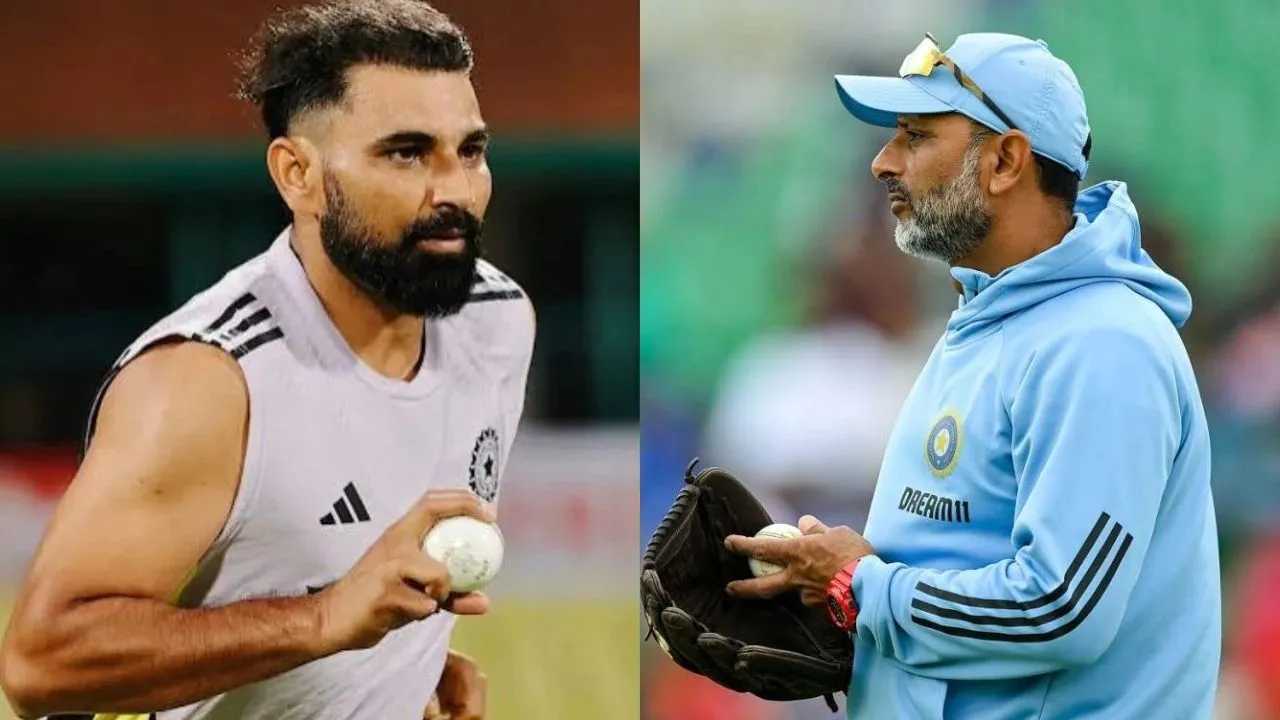
Kapil Dev urges BCCI to manage fast bowlers’ workload amid India’s injury woes
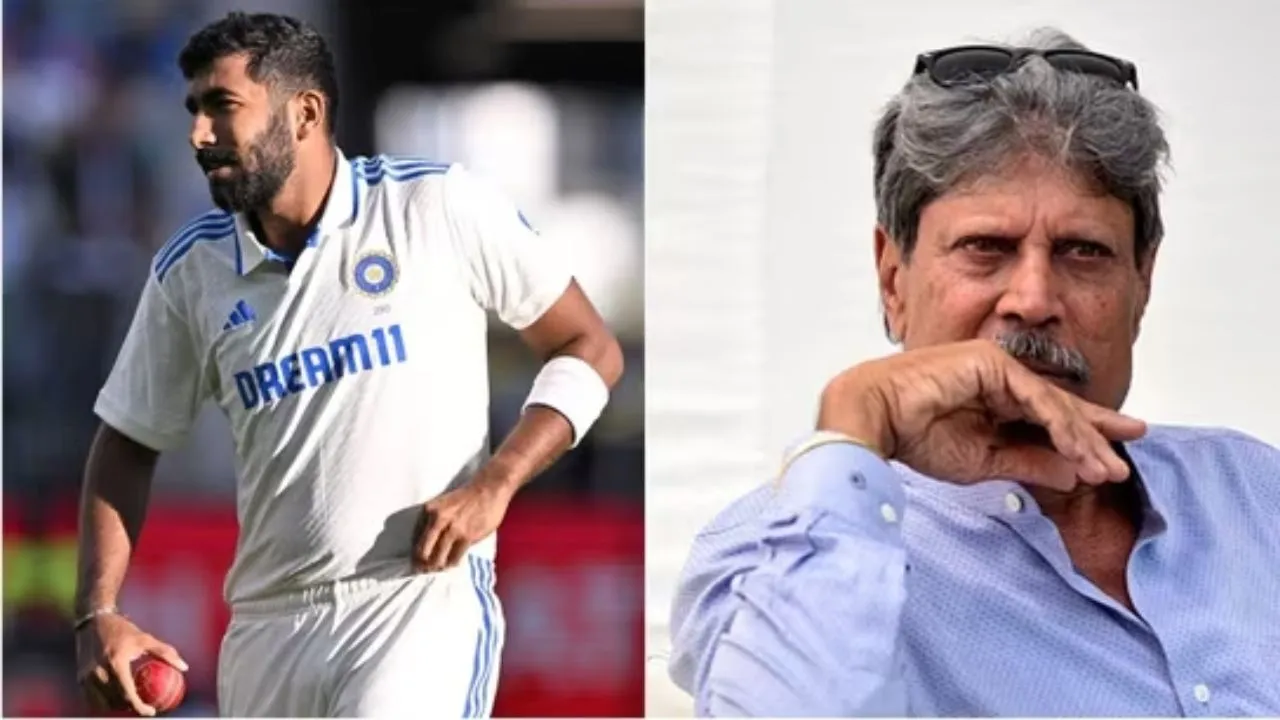
Legendary Kapil Dev Expresses Concerns Over Growing Injuries Among Indian Cricketers
Legendary Indian all-rounder Kapil Dev has recently voiced his concerns regarding the increasing number of injuries among Indian cricketers, particularly fast bowlers. Speaking at the launch of the JITO Premier League, the former India captain emphasized the importance of players understanding their bodies, managing their workload effectively, and taking better care of themselves in order to prevent injuries.
India’s Injury Woes Ahead of Sri Lanka Tests
As India gears up for the upcoming two-match Test series against Sri Lanka starting on August 15 in Galle, the team has already faced setbacks with key players being ruled out due to injuries. Jasprit Bumrah, Sai Sudharsan, and Washington Sundar are among those who will miss the series, with Nitish Kumar Reddy also nursing a quadriceps injury from an increased bowling workload.
Kapil Dev highlighted the need for the Board of Control for Cricket in India (BCCI) to closely monitor the workload of fast bowlers to prevent injuries that could impact the team’s performance. Dev stressed the importance of players knowing their bodies and managing the physical demands of modern cricket, especially with the proliferation of T20 cricket.
The Importance of Domestic Cricket and Skills Development
During the JITO Premier League event, Kapil Dev emphasized the significance of playing domestic cricket in honing players’ skills and ensuring their physical well-being. He noted that Indian players often struggle against spin bowling due to a lack of exposure to multi-day matches in domestic cricket. Dev urged the BCCI to encourage top players to participate in domestic competitions to sharpen their skills and provide mentorship to the younger generation.
India’s current struggles with spin bowling have been attributed to the team’s heavy involvement in T20 and ODI matches, which has limited their exposure to the nuances of Test cricket. Kapil Dev expressed hope that the Indian team can address these challenges and improve their performance, especially in the World Test Championship standings where they currently sit in fifth place.
India’s Captain Shubman Gill Faces Injury Concerns
In addition to the injury woes affecting the team, India’s captain Shubman Gill encountered his own challenges during a warm-up game against Sri Lanka Cricket XI. Gill sustained injuries to his hand, dealt with cramps, and neck problems, further adding to India’s concerns ahead of the Sri Lanka series.
As India navigates through these injury obstacles and strives to improve their standing in the World Test Championship, the team will need to carefully manage their available players and address the workload issues that have plagued their fast bowlers. With Kapil Dev’s insightful observations and recommendations, Indian cricket authorities have valuable insights to guide them in fostering a healthier and more successful cricketing ecosystem.
The Role of Sports Science in Injury Prevention
In recent years, sports science has played an increasingly prominent role in the world of cricket, helping teams and players better understand the physical demands of the sport and implement strategies to prevent injuries. With the rise of technologies such as wearables, biomechanical analysis, and data analytics, teams can now monitor players’ workloads, track their movements, and identify potential injury risks before they become serious issues.
Indian cricket authorities, including the BCCI, have started to embrace sports science to a greater extent, investing in state-of-the-art facilities and hiring specialized professionals to work with the players. By incorporating sports science into their training and preparation routines, Indian cricketers can optimize their performance, reduce the risk of injuries, and prolong their careers.
The Impact of COVID-19 on Player Fitness and Injuries
The COVID-19 pandemic has had a significant impact on cricket, disrupting schedules, affecting players’ fitness levels, and potentially contributing to the increase in injuries. With lockdowns and restrictions limiting access to training facilities and hindering regular practice sessions, players may have struggled to maintain their physical conditioning, leading to a higher susceptibility to injuries upon returning to competitive cricket.
As teams navigate the challenges posed by the pandemic, it becomes crucial for players to prioritize their fitness, focus on injury prevention strategies, and gradually build up their workloads to avoid overexertion. By working closely with sports science experts and following tailored training programs, cricketers can mitigate the effects of the disruptions caused by COVID-19 and ensure their long-term health and performance on the field.
Building a Sustainable Cricketing Ecosystem
In order to address the growing concerns around injuries in Indian cricket, a holistic approach is necessary that encompasses various aspects of the game. This includes not only monitoring players’ workloads and physical well-being but also fostering a supportive ecosystem that prioritizes player development, skill enhancement, and overall welfare.
The BCCI, along with coaches, medical staff, and other stakeholders, must collaborate to create a sustainable framework for Indian cricket that promotes the longevity of players’ careers, enhances their performance, and nurtures the next generation of talent. By striking a balance between player workload management, skills development, and injury prevention, Indian cricket can thrive on the global stage and produce consistently competitive teams.
As Kapil Dev continues to advocate for a more proactive approach towards injury prevention and player welfare, his insights serve as a valuable reminder of the importance of holistic care in the world of professional cricket. By heeding his advice and leveraging advancements in sports science, Indian cricket can navigate the challenges of injuries, optimize player performance, and build a brighter future for the sport in the country.
Latest News
Top 10 highest run-chases in T20 cricket history, ft. West Indies’ Ranchi win vs India
Aaryavir Sehwag and Anvay Dravid set to make headlines at U19 Asia Cup 2026
Longest ducks in Test cricket history ft. Nic Maddinson, Shoaib Akhtar
ECB to offer 39 central contracts to England players after Ben Stokes, Mark Wood’s retirement
Steve Smith surpasses Steve Waugh in all-time Test run-scorers’ list
Shane Watson identifies Gautam Gambhir’s biggest problem as India struggle for consistency
Is Bhuvneshwar Kumar in India’s 2027 World Cup plans? Ajinkya Rahane makes revelation
BCCI’s big ₹127 Crore move after injury crisis raises concerns over Team India
Parthiv Patel reveals RCB ignored his Jasprit Bumrah recommendation in IPL 2014 Auction
“Never spoke ill of any faith”: Irfan Pathan hits back at fake news using his name
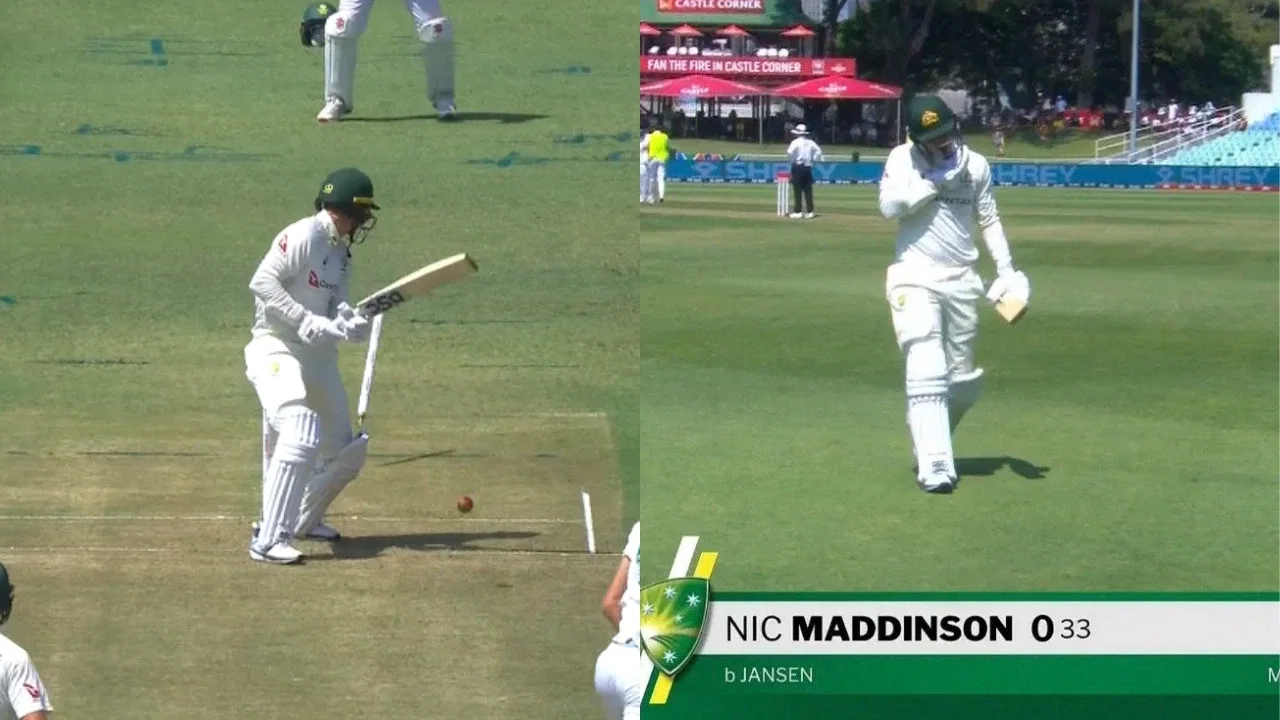
Nic Maddinson bags 33-ball duck on Test comeback, disappoints George Bailey
Imran Tahir predicts 2027 ICC ODI World Cup Semi-Finalists, snubs India for title
Australia create unwanted history with first all-30-plus Test XI
Ravindra Jadeja returns to Ranji Trophy as Saurashtra announce squad