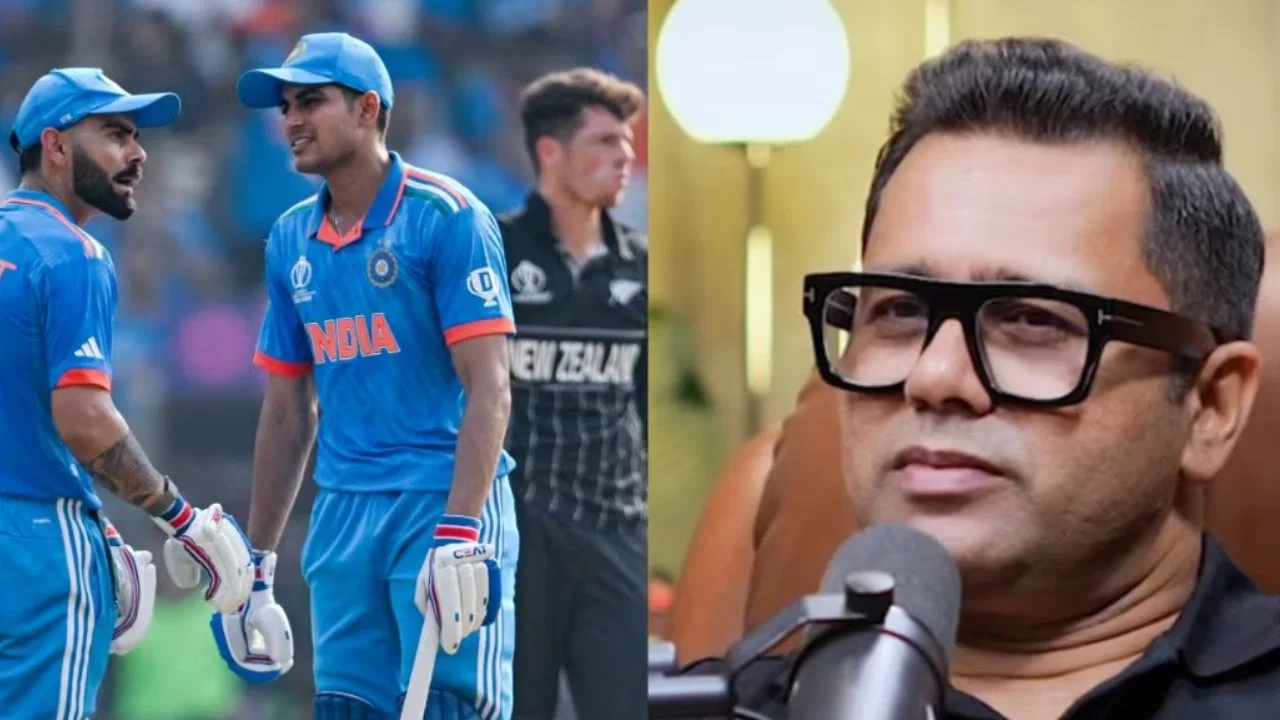
Kris Srikkanth raises fitness concerns over Washington Sundar and Nitish Kumar Reddy
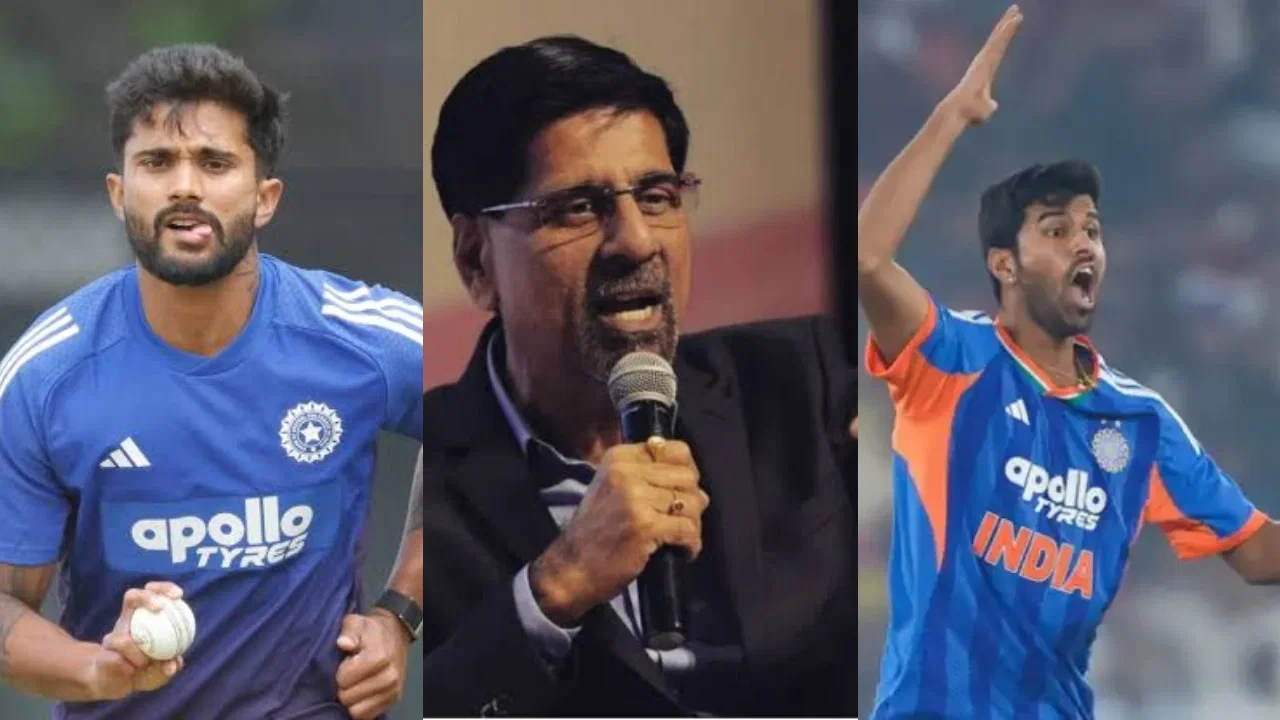
Prediction and Controversy: Kris Srikkanth Questions India’s Selection Strategy for Afghanistan T20I Series
The upcoming three-match T20 International series between India and Afghanistan has sparked a heated debate within cricket circles, not just because of the teams involved but also due to the controversial selection choices made by the Indian cricket selectors. Former Indian cricket captain and legendary batter Kris Srikkanth has openly voiced his concerns regarding the inclusion of two key players—Washington Sundar and Nitish Kumar Reddy—highlighting the importance of match fitness and form in making squad decisions. His critique raises fundamental questions about the prediction process used to select players and the reliance on fitness certificates over actual gameplay.
Understanding the Context: India’s Selection Dilemma
In recent times, Indian cricket selectors have been under pressure to balance team experience, emerging talent, and fitness levels. The fitness of players has become a pivotal criterion, especially amid a congested international cricket schedule that often leads to injuries. Consequently, players recovering from injuries are sometimes included in squads based on medical reports and fitness certificates, with their participation often hinging on their ability to prove their match readiness through practice matches or internal assessments.
However, this approach has sparked controversy, with critics questioning whether such selections truly reflect a player’s current form and readiness to perform at the highest level. This debate is especially relevant as India prepares for the Afghanistan series, where the prediction of player performance remains uncertain, and team composition could significantly influence the outcome of the matches.
Kris Srikkanth’s Critique: Match Fitness vs. Medical Certificates
In a candid YouTube discussion, Kris Srikkanth expressed skepticism about the recent inclusions, particularly focusing on Washington Sundar. The former Indian captain argued that a player’s inclusion in the squad should not solely depend on a doctor’s clearance or a fitness certificate but should be backed by tangible evidence of match readiness through recent performances. He emphasized that players cannot simply be “fit enough” based on medical reports; they need to demonstrate their form and rhythm through practice games or domestic cricket before being trusted at the international level.
“You can’t just play with a doctor’s certificate,” Srikkanth stated. “Anyone can get a fitness certificate, but that doesn’t guarantee they are match-ready. A player must prove their match fitness through actual game time.” His comments reflect a broader concern about the reliance on medical reports, which he believes can sometimes be used as a loophole to include players who may not be fully prepared for high-intensity international cricket.
Washington Sundar: Prediction and Performance Concerns
Sundar’s inclusion has particularly caught Srikkanth’s attention, given the player’s recent form and injury history. Once regarded as a promising all-rounder in the Indian setup, Sundar has struggled with injuries since early 2026, often missing key series and tournaments. Srikkanth pointed out that Sundar has not been in good form since the start of 2026, especially in T20 cricket, where his performances have fallen short of expectations.
Before his hamstring injury in England, Sundar had conceded almost eleven runs per over in four T20 international matches without taking a single wicket—a clear indication of his lack of rhythm. Additionally, his batting average in T20Is during 2026 stands at a mere 8.33, with a strike rate of 80.64. Such statistics raise questions about his prediction to excel in the shortest format of the game, especially against a competitive Afghanistan side known for their unpredictability in T20 cricket.
Srikkanth also emphasized that Sundar’s recent performances in Ireland and England, coupled with his injury setbacks, should have prompted the selectors to evaluate his fitness more thoroughly through practice matches rather than relying solely on medical reports. His assertion underscores the importance of prediction—anticipating how a player’s form and fitness will translate into match situations rather than assuming recovery based on certificates alone.
Nitish Kumar Reddy and the Fitness Debate
Similarly, Nitish Kumar Reddy’s inclusion in the squad has been met with skepticism. Like Sundar, Reddy has been sidelined due to injury, and his participation hinges on proving his match fitness. Kris Srikkanth expressed a preference for selecting Reddy over Shivam Dube, another pace-bowler who has also underperformed recently.
“If Nitish Kumar Reddy can prove his match-fitness, I would prefer him over Dube,” Srikkanth noted. “But right now, there’s no time for him to do that. How can he prove his fitness before the series? The best way is through actual match practice, not just a doctor’s certificate.” His remarks highlight the predictive element in team selection—prediction of future performance based on a player’s ability to demonstrate readiness through actual cricket matches.
The Broader Implication: Prediction in Cricket Selection
This controversy touches upon a larger debate within cricket about the role of prediction in team selection. While selectors aim to predict a player’s future performance based on recent form, fitness, and potential, the reliance on subjective assessments like fitness certificates can sometimes backfire. The prediction process—forecasting how a player will perform in upcoming matches—is inherently uncertain, especially in a sport where physical and mental readiness are crucial.
Experts argue that an over-reliance on medical reports may compromise the prediction accuracy, leading to selections that do not translate into positive match outcomes. Conversely, players who are in good form and have demonstrated their match fitness through recent performances are often seen as more predictable and reliable choices.
Implications for Indian Cricket and Future Predictions
The selection controversy raises important questions for Indian cricket’s future prediction strategies. Will the selectors shift their approach to prioritize actual match fitness and recent performances over medical certificates? How will these decisions impact team chemistry and prediction accuracy in upcoming series?
Moreover, the debate underscores the need for a more transparent and objective selection process that balances prediction with tangible evidence of form. As India aims for consistency and success across formats, especially in high-stakes tournaments like the World Cup, predicting player performance accurately becomes even more critical.
Conclusion: Striking the Right Balance
As India prepares for the Afghanistan T20I series, the controversy surrounding player selection highlights the complex prediction process involved in crafting winning teams. While fitness and form are essential, relying solely on medical certificates without sufficient performance-based evidence can undermine the prediction accuracy of team success.
The insights shared by Kris Srikkanth serve as a reminder that prediction in cricket is a nuanced science—one that must incorporate both objective data and subjective judgment. Moving forward, cricket authorities may need to refine their selection strategies to better predict future performance, ensuring that the best players are given the opportunity to shine on the international stage.
Ultimately, the prediction of player readiness and performance remains a cornerstone of successful team management. The hope is that the ongoing debate prompts a more balanced and transparent approach, leading to stronger Indian teams and memorable cricket moments in the future.
Latest News
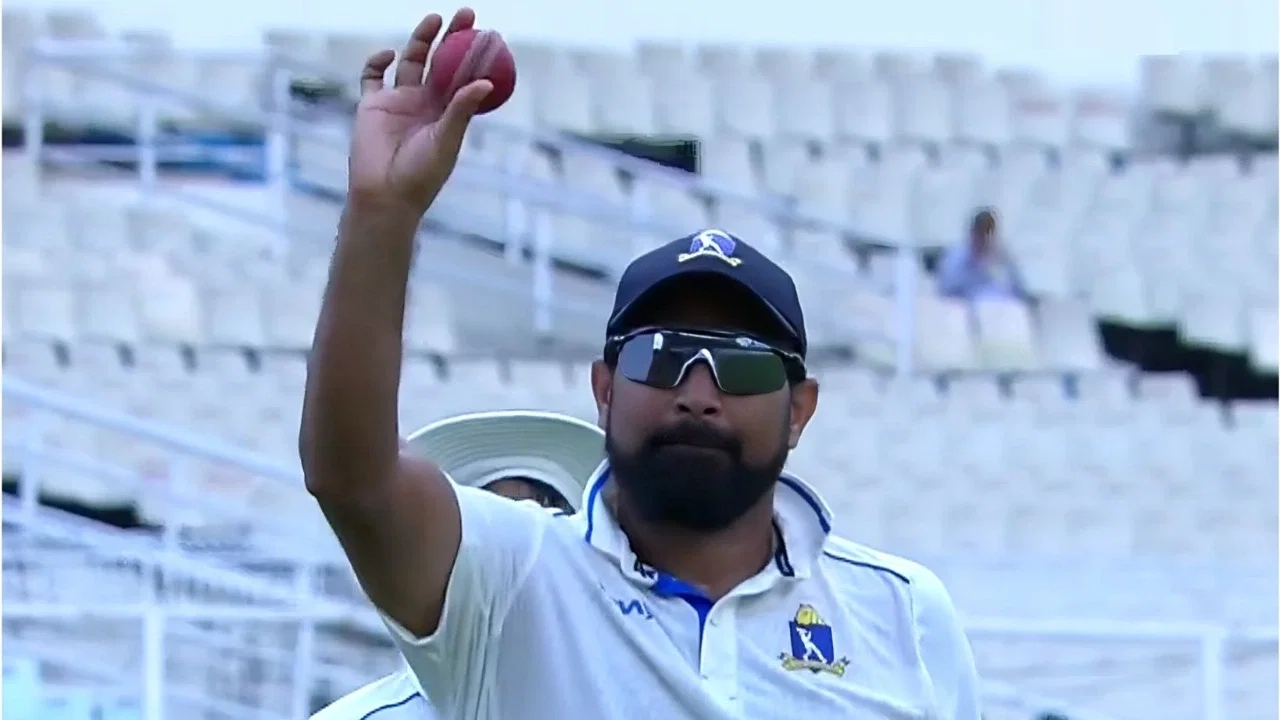
Mohammed Shami set to join elite Indian list with 100th First-Class appearance
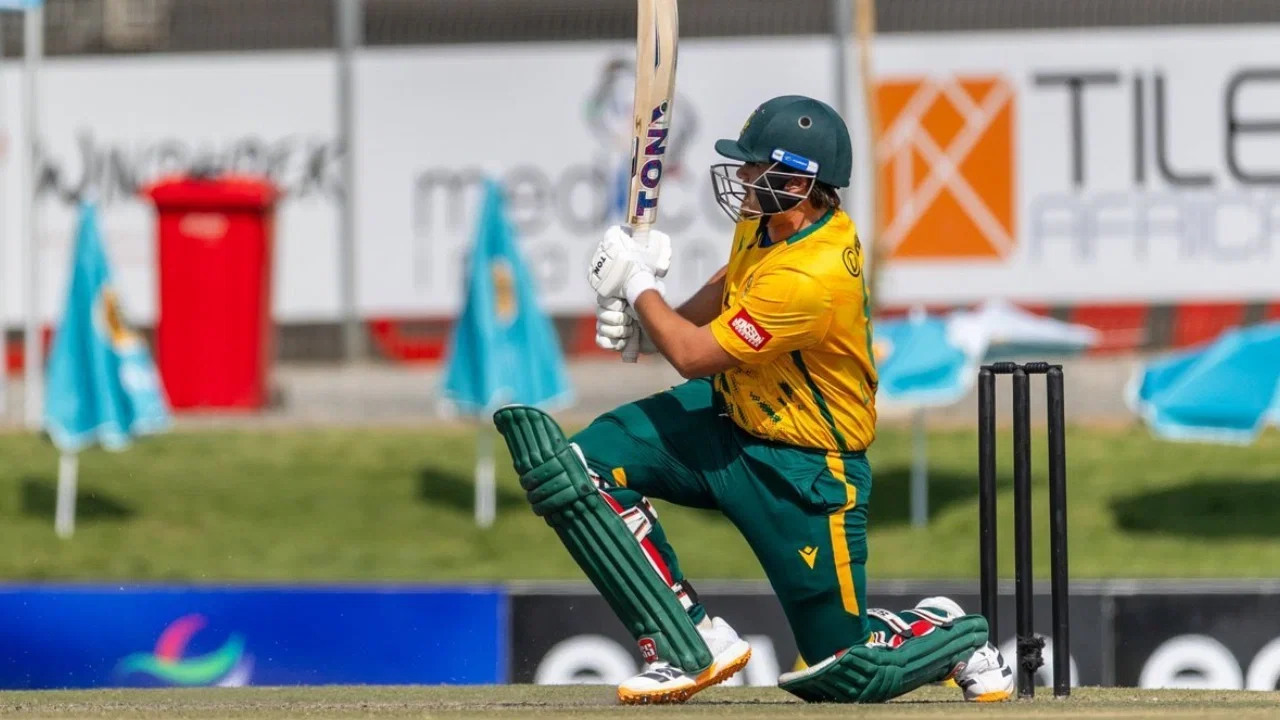
Lhuan-dre Pretorius sets new record, becomes youngest centurion in T20Is
Kris Srikkanth raises fitness concerns over Washington Sundar and Nitish Kumar Reddy
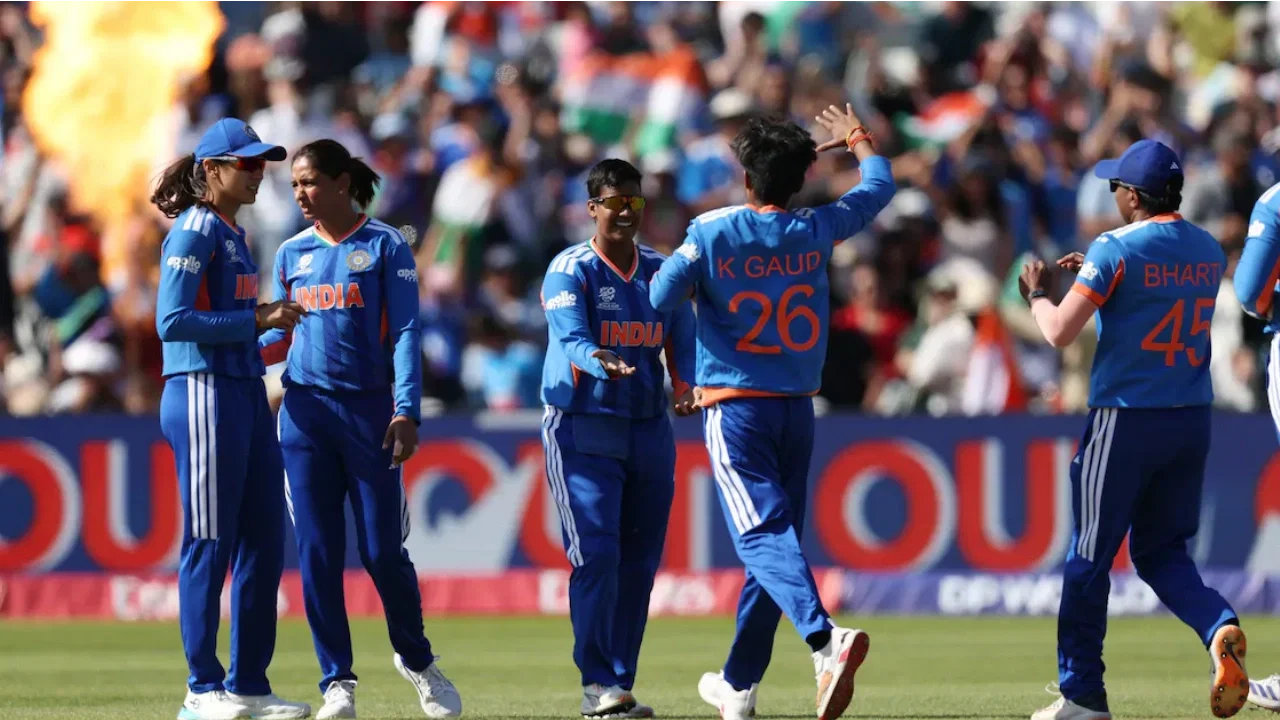
Deepti Sharma reveals India’s mindset ahead of high-voltage Pakistan clash
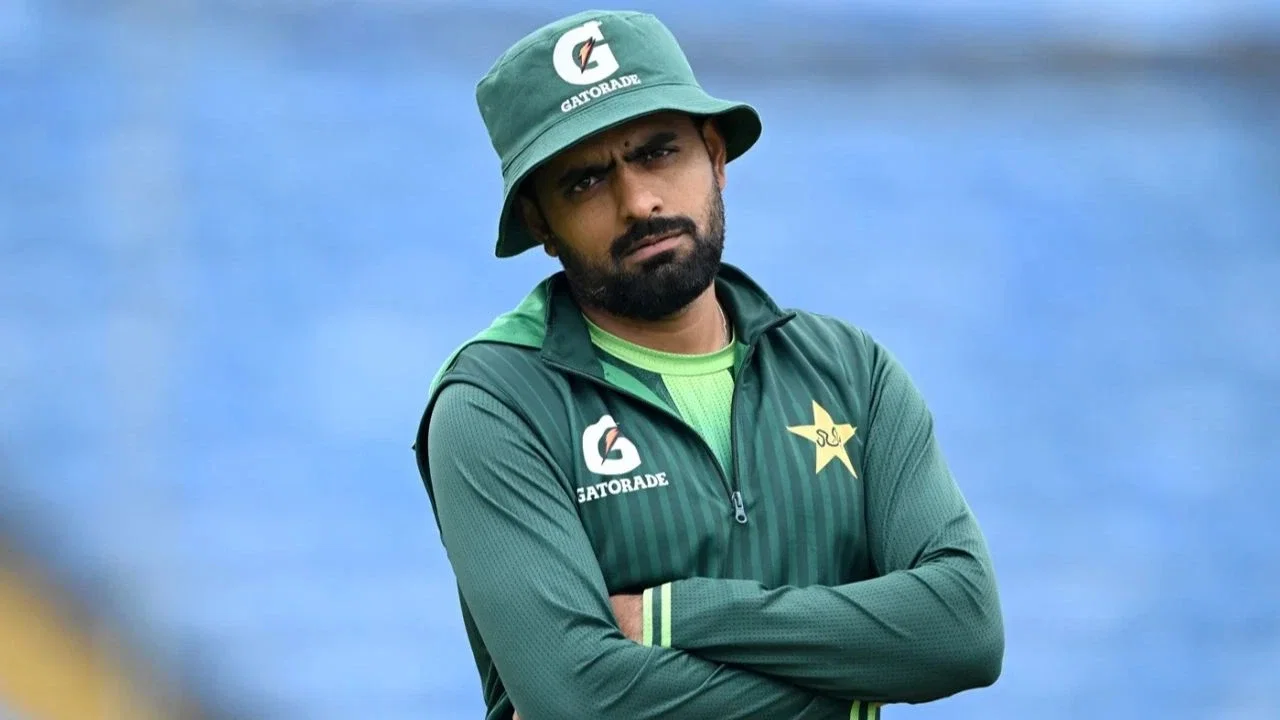
“Should have been sacked”: Ex-Pakistan captain questions why Babar Azam was spared after Lord’s Test
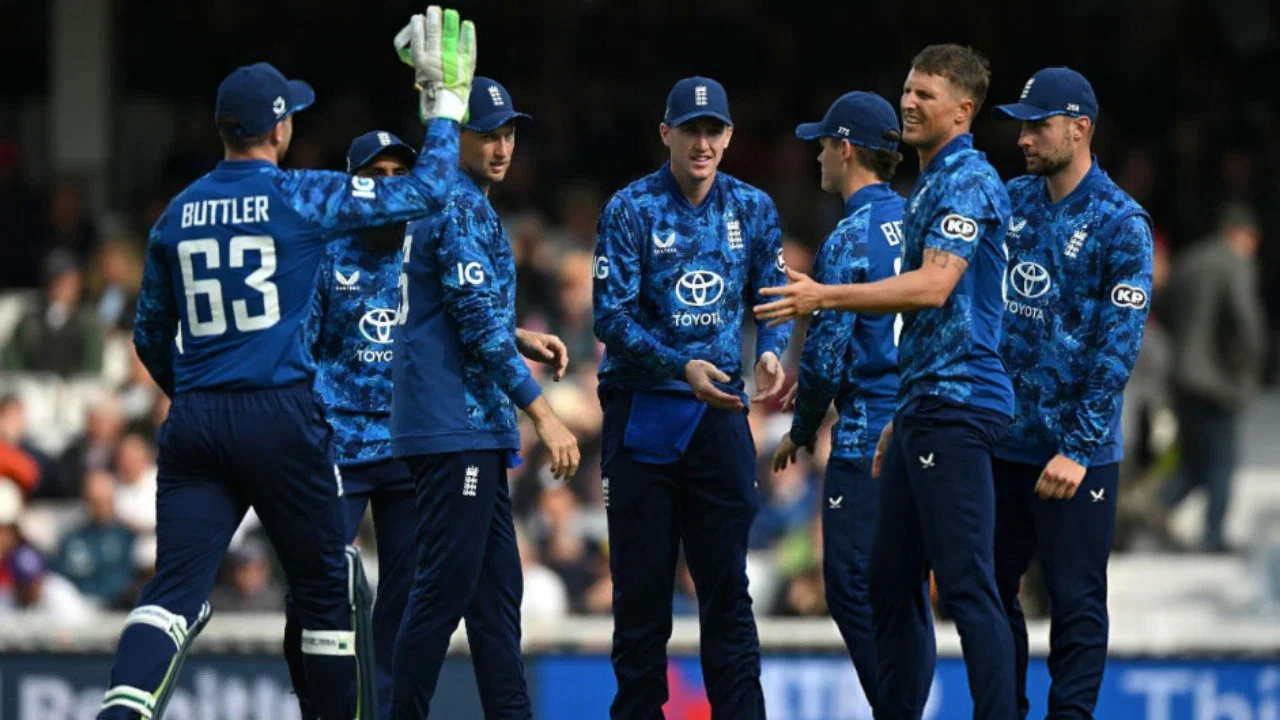
England ODI, T20I squads for Sri Lanka series named, Aneurin Donald called-up; Phil Salt, Jacob Bethell OUT
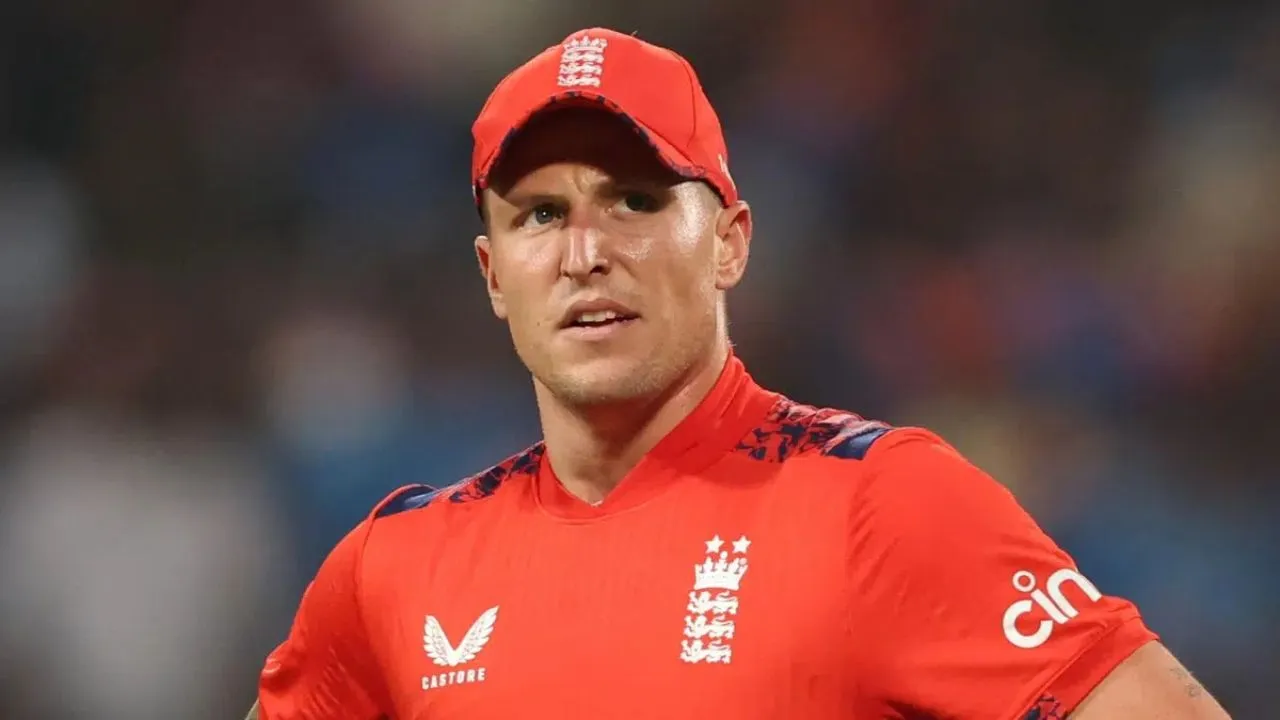
England leave Brydon Carse out again amid Derby nightclub investigation
Thala for a reason? Sri Lanka’s 7 T20I captains since 2021
WATCH: Jonny Bairstow hurts own teammate in private area during County Championship
DNG vs ADF Dream11 Prediction Today Match, Dream11 Team Today, Fantasy Cricket Tips, Playing XI, Pitch Report, Injury Update- European T20 Cup 2026, Match 15
BCCI and CAB take strict action as 65 cricketers face bans over age discrepancies
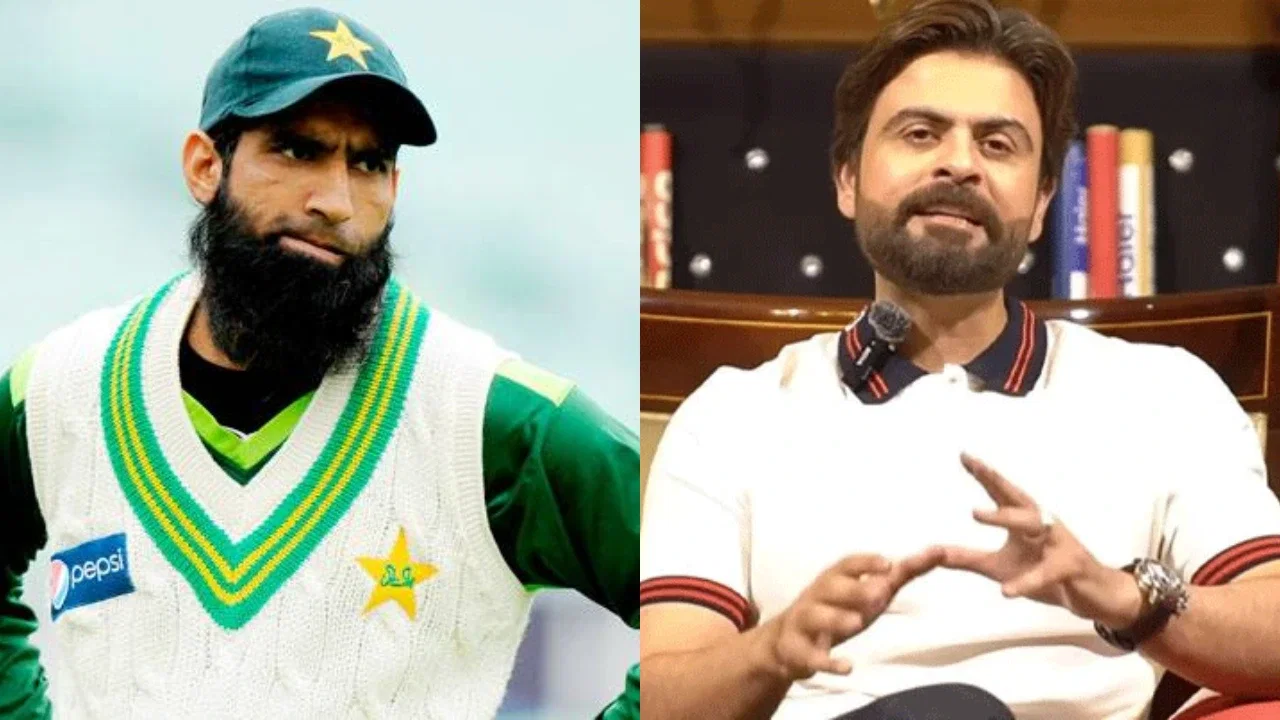
Ahmed Shehzad and Mohammad Yousuf offer contrasting views on Pakistan’s cricket crisis
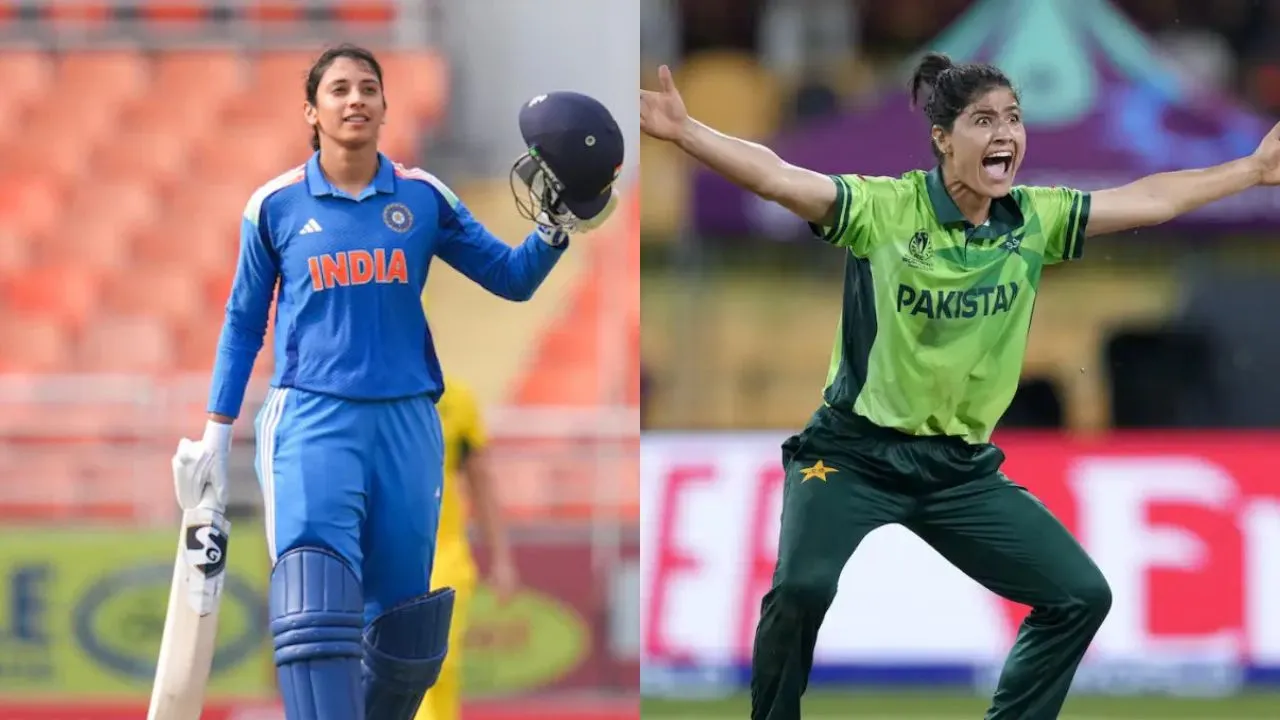
INDW vs PAKW, Playing 11 Today, Live Streaming, Pitch Report & Weather: India Women vs Pakistan Women, Women’s Asia Cup 2026
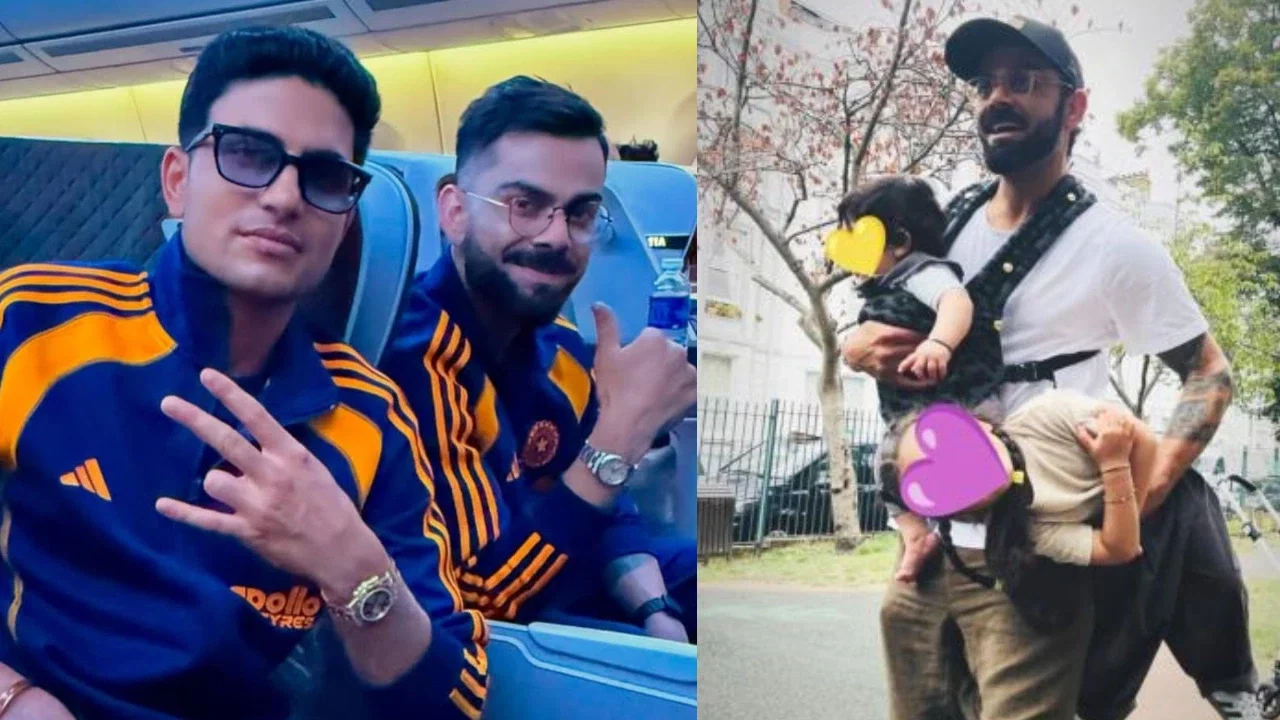
Shubman Gill reacts after viral reel calls him Akaay Kohli’s ‘uncle’, comment goes viral