Marizanne Kapp slams Cricket Australia over Anaya Bangar’s women’s cricket clearance
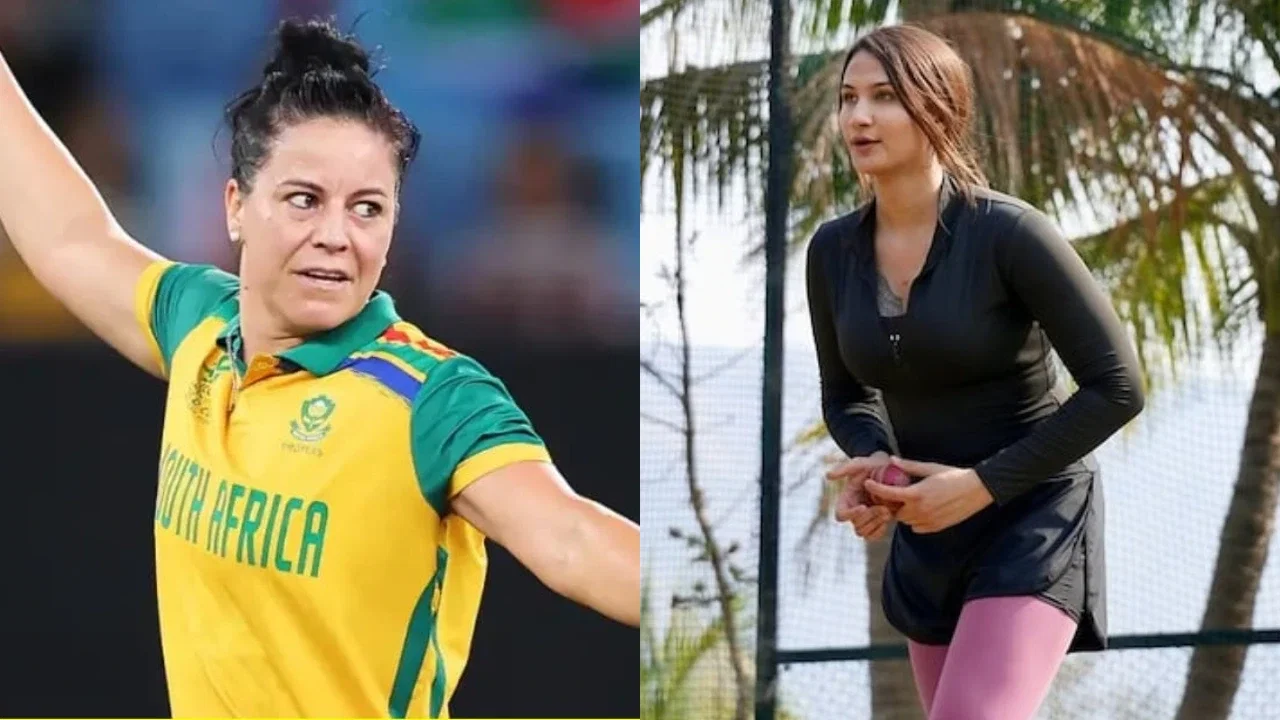
Controversy Sparks Over Cricket Australia’s Decision to Allow Transgender Player Anaya Bangar to Compete in Women’s Community Cricket
The world of cricket is currently embroiled in a heated debate following Cricket Australia’s recent decision to permit transgender cricketer Anaya Bangar to participate in women’s community and Premier Cricket competitions. This move has ignited strong reactions from prominent figures in international cricket, notably South Africa’s star women’s cricketer Marizanne Kapp, who voiced her disapproval publicly. As debates over gender inclusion in sport intensify globally, this development underscores the complexities and sensitivities involved in establishing fair and inclusive policies.
Understanding Anaya Bangar’s Journey and Cricket Australia’s Policy
Anaya Bangar’s story is both inspiring and controversial. The daughter of former Indian international cricketer and batting coach Sanjay Bangar, Anaya made headlines after transitioning from male to female and undergoing gender-affirming surgery in March 2026. Her journey back to competitive cricket is marked by perseverance and a desire to reconnect with her passion for the game. Having previously played for Mumbai’s Under-19 men’s team, she now aims to return to higher levels of women’s cricket, starting at the community level in Australia.
Following her surgery, Anaya reached out to Cricket Australia to seek clarity on her eligibility to participate in women’s cricket competitions. After a thorough review under CA’s transgender and gender-diverse player policy, she was granted clearance to compete in community and Premier Cricket matches. However, this approval does not extend to elite competitions like the Women’s Big Bash League (WBBL), which will require additional eligibility criteria to be met.
This decision by Cricket Australia reflects a broader trend towards inclusivity, but it also raises questions about fairness and competitive integrity—particularly in the context of international standards and national policies.
The International and Domestic Policy Landscape
The case of Anaya Bangar has thrust the issue of transgender participation into the international spotlight. The International Cricket Council (ICC), governing body of world cricket, currently enforces a policy that restricts transgender women who have undergone male puberty from participating in official international competitions. This policy aims to maintain competitive fairness but has been criticized for its rigidity and lack of inclusiveness.
In India, the Board of Control for Cricket in India (BCCI) has yet to formulate a clear policy regarding transgender athletes in domestic women’s cricket, leaving a significant gap in regulations. The absence of a formal stance complicates the decision-making process for players like Anaya and fuels ongoing debates about gender identity, fairness, and inclusion in Indian cricket.
Meanwhile, Cricket Australia’s decision to approve Anaya’s participation in community cricket signifies a more progressive approach, emphasizing inclusion and human rights. However, it also prompts questions about how such policies align with international standards and whether they serve as a template for other cricket governing bodies worldwide.
Reactions from the Cricket Community and Stakeholders
The announcement has elicited mixed reactions across the cricketing world. South Africa’s Marizanne Kapp, renowned for her all-round skills and outspoken personality, publicly criticized Cricket Australia’s decision via social media. Kapp expressed her disapproval, stating, “Absolutely ridiculous, this should not be allowed,” highlighting concerns about fairness and the potential impact on women’s cricket.
Her comments reflect a broader sentiment among some players and fans who worry about the competitive disadvantages that may arise when transgender athletes compete alongside cisgender women, especially in elite levels of sport. Conversely, supporters argue that inclusion policies are essential for fostering diversity and respecting individual rights, emphasizing that sport should be accessible to all.
Anaya Bangar herself has spoken about her aspirations and the challenges faced along the way. In a recent press conference, she expressed her excitement and determination, stating, “Today is an important day for me because after several years away from competitive cricket, I can finally speak about a pathway back to the sport that has been such a significant part of my life.” She also revealed her ambition to pursue elite cricket in Australia from 2027, though she clarified that her current focus is on earning a spot through hard work and dedication.
Balancing Inclusion and Fairness in Sport
The debate surrounding Anaya Bangar’s participation encapsulates a broader conflict: how to create sports policies that uphold fairness while promoting inclusivity. Many experts and stakeholders believe that sport must evolve to reflect societal changes and respect individual identities. However, balancing these values with the integrity of competition remains a significant challenge.
Cricket’s governing bodies are under increasing pressure to develop comprehensive policies that address transgender participation at all levels. This includes establishing clear eligibility criteria, ensuring competitive fairness, and safeguarding the rights and dignity of all athletes. Additionally, the debate highlights the need for ongoing scientific research and dialogue to better understand the physical and physiological aspects involved.
Predictions and Future Outlook
Looking ahead, experts predict that the landscape of transgender participation in cricket and other sports will continue to evolve, driven by societal shifts, legal considerations, and the push for greater inclusivity. Countries and governing bodies are likely to revisit their policies regularly, striving to find equitable solutions that respect both individual rights and the integrity of competition.
As for Anaya Bangar, her journey symbolizes the broader movement toward acceptance and equal opportunity in sport. Her goal of competing at the elite level from 2027 may serve as a catalyst for more inclusive policies worldwide, inspiring other transgender athletes to pursue their dreams without fear of discrimination.
Conclusion: Embracing Diversity in Cricket’s Future
The controversy surrounding Cricket Australia’s decision and Marizanne Kapp’s reaction underscores the complexities of integrating transgender athletes into competitive sports. While the debate is far from settled, it offers an opportunity for the cricketing community to reflect on its values and policies.
Ultimately, the future of prediction in this arena lies in adopting balanced, evidence-based approaches that promote fairness, respect, and inclusivity. As cricket continues to grow globally, embracing diversity will be essential for fostering a sport that reflects the richness of society itself—where every athlete has a chance to shine and contribute to the game’s ongoing evolution.
Latest News
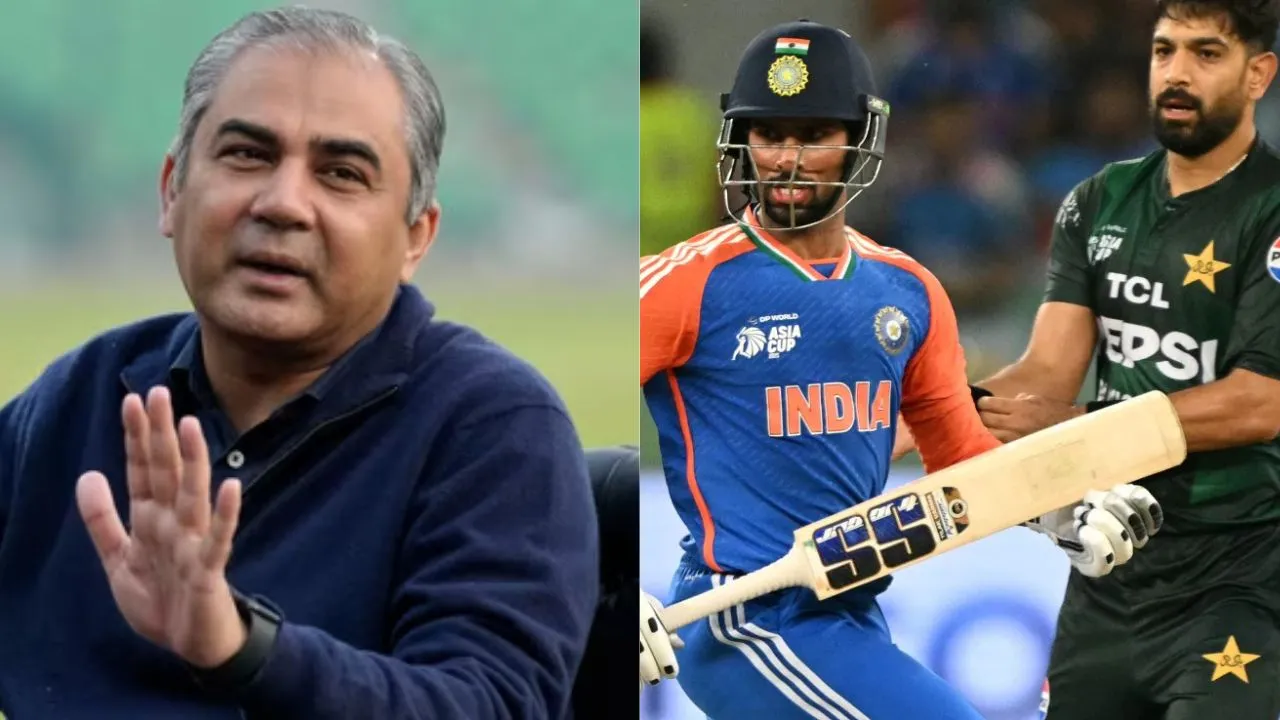
PCB’s boycott threats: 3 times Pakistan threatened to pull out but played
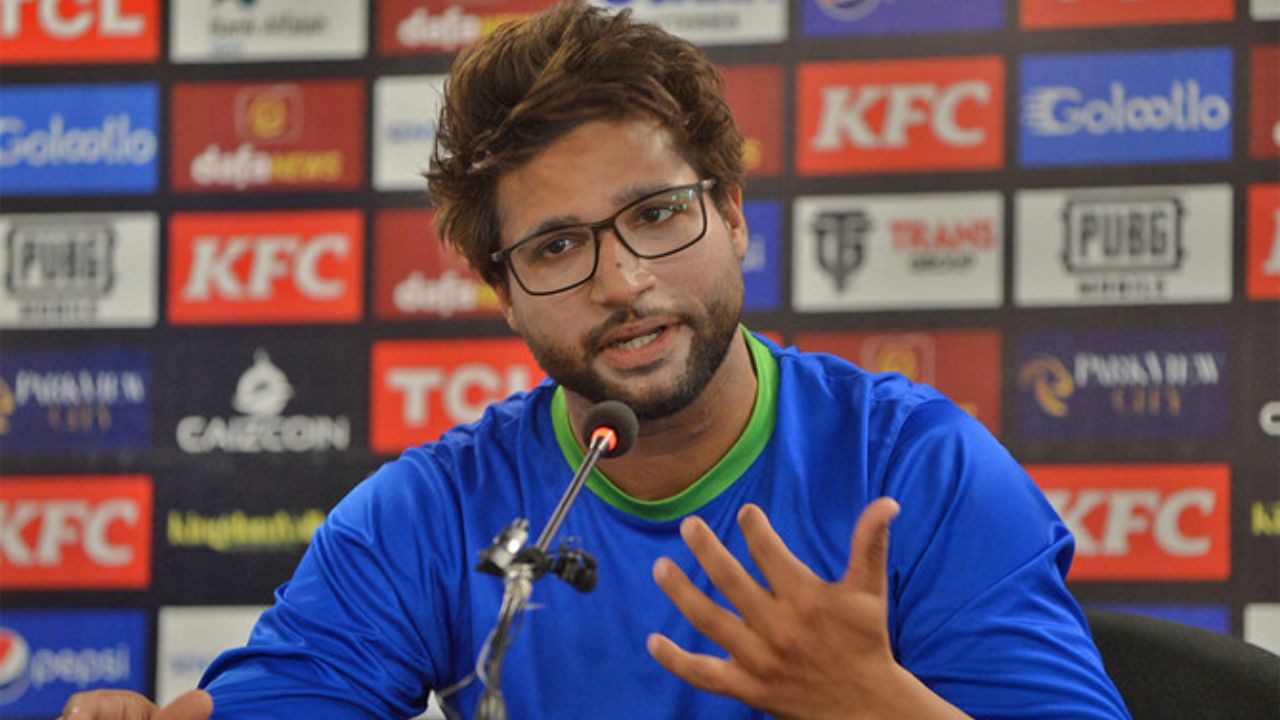
Imam-ul-Haq suffers calf strain, doubtful for Lord’s Test batting
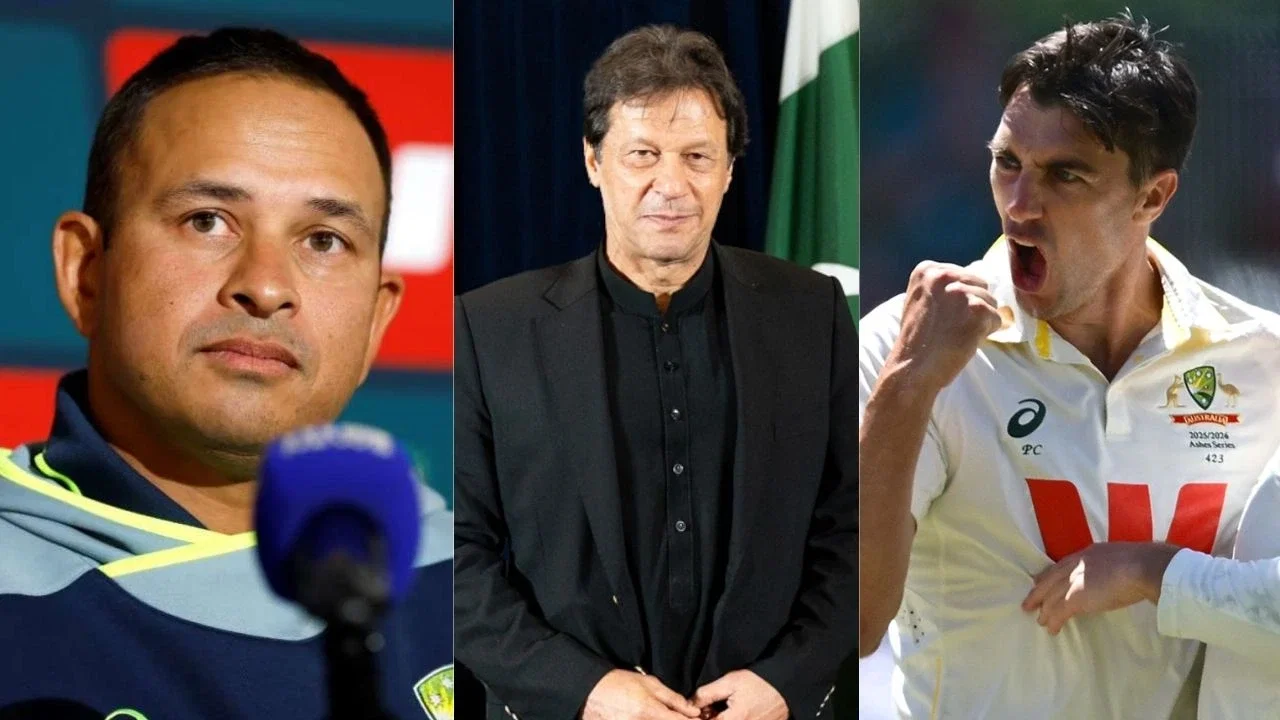
Pat Cummins, Usman Khawaja support Imran Khan amid PCB-Sky row
‘Unhappy’ BCCI may remove Vaibhav Sooryavanshi & others from Asian Games squad
Afghanistan-West Indies series likely to be postponed due to 2027 World Cup qualifiers
Marizanne Kapp slams Cricket Australia over Anaya Bangar’s women’s cricket clearance
Shubman Gill remains best No.4 Test batter despite underwhelming outing
Mohammad Kaif questions Shubman Gill’s leadership as Sri Lanka pull off fighting draw
“He’s sleeping”: Former India opener takes dig at Gautam Gambhir over India’s WTC 2027 final hopes

CDK vs PD Match Prediction Today: Central Delhi Kings vs Purani Dilli 6, DPL 2026 Qualifier 2

Ben Stokes set for BBL return as Adelaide Strikers, Melbourne Renegades lead the race
BCCI plans County Championship stint for Auqib Nabi ahead of New Zealand Test series

MDP vs VKK Match Prediction Today: Madurai Panthers vs Vida Kovai Kings, TNPL 2026 Final
India-Bangladesh series likely in January 2027: Report