

Marnus Labuschagne dropped from New Zealand Tests after South Africa horror show
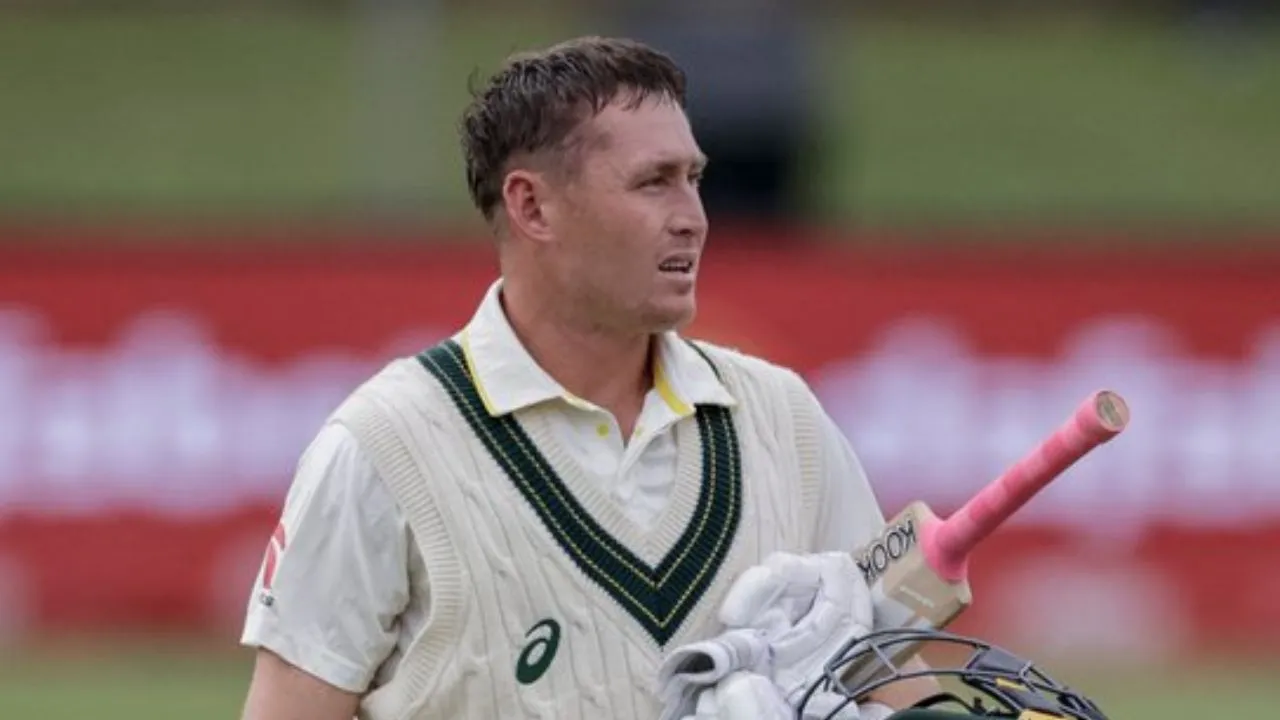
Australia Drop Marnus Labuschagne From New Zealand Test Plans After South Africa Struggles
Australia have left Marnus Labuschagne out of their plans for the upcoming Test series against New Zealand, ending a prolonged period of backing for the out-of-form batter. The decision follows Australia’s 2-1 series defeat in South Africa, where Labuschagne failed to score a half-century and managed only 131 runs across the three Tests.
The move does not necessarily signal the end of Labuschagne’s international career. Australia’s selection chair, George Bailey, said the batter could still return, but indicated that a break from the national side may give him room to reset and rebuild his confidence through domestic cricket.
Bailey Says Labuschagne Is Not Under Consideration for New Zealand
Speaking to reporters, Bailey confirmed that Labuschagne would not be considered for selection for the first Test against New Zealand—and, at this stage, for the series as a whole. The decision comes amid sustained discussion about the No. 3 position, a role Labuschagne has occupied for much of his Test career.
Bailey said the selection call would also help reduce speculation around the batter’s place in the team while he returns to Sheffield Shield cricket. With another round of domestic matches approaching, Labuschagne will have an opportunity to spend time in the middle, work on the areas that have troubled him and make a case for future selection through performance.
“At this stage we won’t be considering Marn for selection for certainly that first Test, but for the New Zealand series,” Bailey said. He added that the decision would provide Labuschagne with “a little bit of space” and clear up some of the uncertainty surrounding his position while selectors assess the next round of Shield cricket.
A Difficult South Africa Tour Extends a Long Century Drought
Labuschagne’s struggles were especially apparent during Australia’s recent tour of South Africa. He did not pass 40 in the series, and his highest score was 39. For a batter once known for his concentration, appetite for long innings and ability to occupy the crease, the lack of a substantial contribution was a concern for a side that needed consistency in challenging away conditions.
The South Africa series also extended Labuschagne’s run without a Test century to 49 innings. His most recent hundred came during the 2023 Ashes at Old Trafford in Manchester. Since then, he has had promising starts but has struggled to convert them into the major scores that helped establish him as one of Australia’s most dependable top-order players.
The drought has drawn attention because of its place in Australian cricket history. Labuschagne has surpassed Alick Bannerman’s previous mark of 47 innings without a century by an Australian top-four batter. Records can add pressure, but the more immediate issue for selectors is whether Labuschagne can again provide the reliability and run-scoring expected from a specialist No. 3.
Why the No. 3 Position Matters
The No. 3 batter often enters early, particularly when an opening wicket falls quickly. The role requires a player who can handle the new ball, steady an innings and then build a substantial partnership with the middle order. Labuschagne has performed those duties effectively in the past, but recent results have made his position increasingly difficult to defend.
Australia’s decision reflects a broader selection challenge: balancing a player’s proven ability with the need for current form. Labuschagne’s previous record gives him a strong case for another opportunity, while his recent returns create a chance for selectors to consider alternatives. The coming Shield matches may therefore be important not only for Labuschagne but also for the team’s longer-term plans at No. 3.
Domestic cricket offers a practical route back. A run of substantial scores would help demonstrate that Labuschagne has addressed the technical or mental issues affecting his Test batting. Equally, consistent performances from other contenders could intensify competition for the spot. Australia’s selection prediction for the next stages of the Test calendar will depend on how those performances unfold.
Bailey Keeps the Door Open for a Comeback
Despite the omission, Bailey was careful not to describe the decision as permanent. He said Labuschagne remained capable of returning to the Australian side and stressed that selectors had not ruled him out for the future.
“It’s still possible, absolutely,” Bailey said, pointing to Labuschagne’s quality and effectiveness when at his best. He also noted that the batter had missed opportunities to turn promising starts in Darwin and South Africa into bigger scores. The concern, Bailey suggested, is not a lack of ability but the failure to produce the sustained performances Australia need.
That distinction leaves Labuschagne with a clear challenge. His reputation and earlier achievements may keep the possibility of a recall alive, but they cannot substitute for runs. Strong Sheffield Shield performances would give selectors tangible evidence that he is ready to return, while another lean stretch could make it harder to regain his place.
What the Decision Means for Australia
For Australia, the omission creates an opening to assess other options ahead of the New Zealand series. It also signals that established players are not guaranteed selection when results fall short. After losing 2-1 in South Africa, the team will be looking for greater consistency from its batting order as it prepares for another Test assignment.
The New Zealand series is therefore significant beyond the immediate contest. It gives Australia a chance to respond after a disappointing tour, while allowing selectors to test their depth and refine the top order. Labuschagne’s absence will inevitably attract attention, but the team’s priority will be finding a combination capable of producing runs across a full series.
For Labuschagne, the next phase is about turning a difficult period into a fresh opportunity. His Test career is not necessarily over, as Bailey’s comments make clear, but a return will likely depend on what he produces away from the national spotlight. The key prediction is straightforward: if he can convert starts into big Shield scores, the path back remains open. If not, Australia may continue exploring alternatives at No. 3.
Latest News

SA vs BAN Playing 11 Today, Live Streaming, Pitch & Weather: South Africa tour of Bangladesh 2026, 2nd Test

AUS vs ENG Playing 11 Today, Live Streaming, Pitch & Weather: England tour of Australia 2026, 2nd T20I

Blair Tickner ruled out of 2nd Test vs India, replacement named

Tim Paine and Justin Langer face fresh questions over Australia’s ball-tampering scandal

India tour of Bangladesh gets fresh hope as BCB confirms talks with BCCI

Tom Latham opens up on soft ball problem and saliva ban after draw against India

Ajinkya Rahane slams Tilak Varma for publicly criticising Shahbaz Ahmed after India A’s defeat

ICC to introduce IPL-style bat checks in international cricket

“Smiling Laughing doesn’t happen”: R Ashwin’s dig at India’s approach after draw vs New Zealand

“Not good enough for Test cricket”: Scott Styris, Sunil Gavaskar slam Wellington pitch

Dodda Ganesh declares India ‘out of WTC final race’ after Wellington Test draw

Ajinkya Rahane criticises Shubman Gill for abusing Akash Deep in 1st Test vs New Zealand

‘Why so many boundary riders?’ Dinesh Karthik questions Shubman Gill’s captaincy after Wellington Test

“I just want to enjoy my life”: Yash Dayal reflects on his return to cricket


