Michael Bracewell chooses BBL over New Zealand, moves to a casual contract
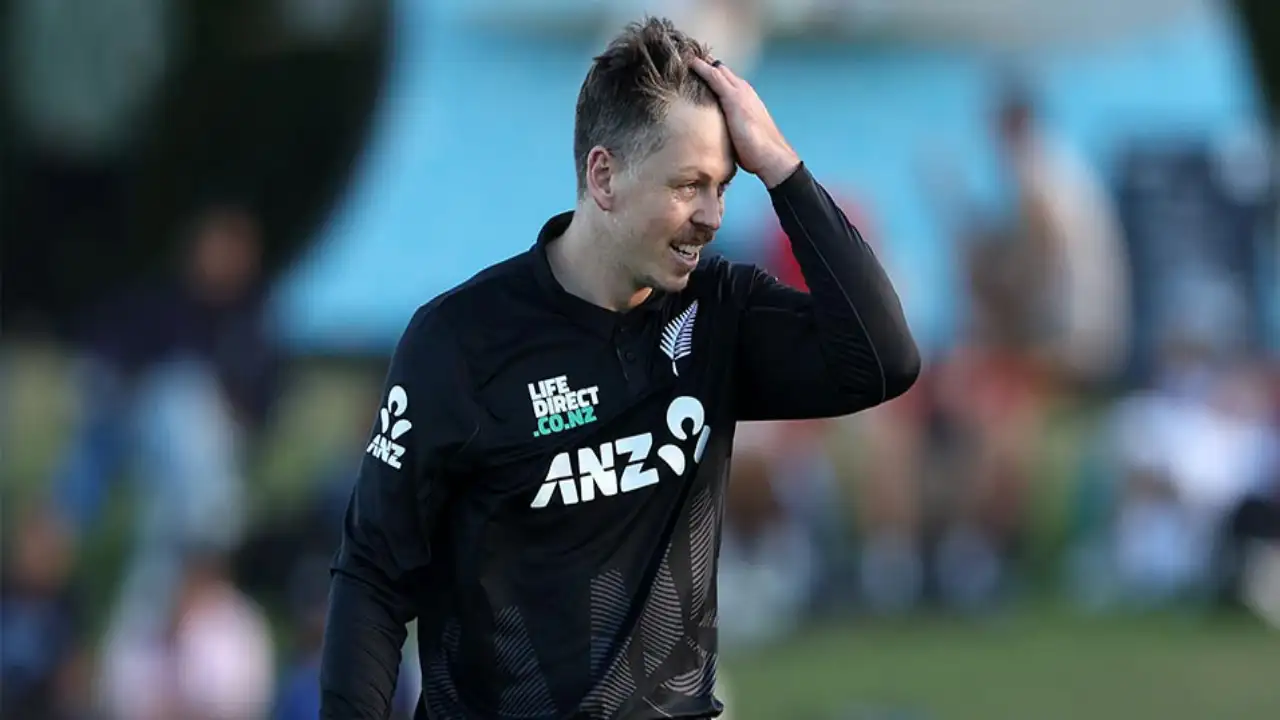
Michael Bracewell Opts for Casual Contract with New Zealand Cricket to Pursue Big Bash League Opportunity
In a strategic move that underscores the evolving landscape of international cricket and franchise competitions, New Zealand all-rounder Michael Bracewell has decided to shift from a central contract to a casual agreement with New Zealand Cricket (NZC) for the 2026-27 season. This decision comes amid his pursuit of a lucrative opportunity in Australia’s premier T20 league, the Big Bash League (BBL). While this shift signifies a change in his contractual status, Bracewell’s commitment to representing the BLACKCAPS remains unwavering, highlighting the nuanced balance players are navigating between franchise cricket and international duties.
Understanding Bracewell’s Decision: A Prediction of Future Trends in Cricket Careers
Bracewell’s move is indicative of broader trends within international cricket, where players increasingly weigh franchise opportunities against traditional national commitments. His choice to adopt a casual contract with NZC reflects a strategic prediction that franchise cricket, especially in high-profile leagues like the BBL, offers valuable exposure, financial rewards, and career development opportunities that can complement, rather than conflict with, international aspirations.
By opting for a casual contract, Bracewell gains the flexibility to participate fully in franchise tournaments without the constraints typically associated with central contracts. This flexibility is especially critical for players like him, who are establishing themselves as white-ball specialists. His decision also underscores a shift in how national cricket boards are managing player commitments, allowing more freedom for players to explore franchise leagues while maintaining international availability.
Bracewell’s Role in the Upcoming White-Ball Series and Future International Commitments
Despite his contractual change, Bracewell’s focus remains firmly on international cricket. He is expected to be part of New Zealand’s upcoming white-ball assignments, including a significant five-match T20 International series against India scheduled later this month. This series is viewed as a crucial platform for him to showcase his skills on the world stage and solidify his role within the BLACKCAPS setup.
NZC has responded to Bracewell’s move by appointing Nick Kelly, a talented batter from Northern Districts, to replace him in the central contract list. Kelly, at 33, has made a notable impression with his recent performances and experience, marking a new chapter in his international career. The decision to promote Kelly reflects NZC’s confidence in nurturing experienced domestic players who can contribute meaningfully to the national team’s white-ball ambitions.
Nick Kelly’s Rise and Significance in New Zealand Cricket’s Future
Nick Kelly’s inclusion in the central contract list signals a recognition of his consistent domestic form and readiness for international cricket. Having recently returned from a stint with Leicestershire in England, where he scored an impressive 950 runs across formats, Kelly has proven his ability to adapt to different conditions and pressure situations. His debut for the BLACKCAPS in March 2025 has been followed by 15 international appearances, during which he has demonstrated resilience and skill under varying circumstances.
Rob Walter, New Zealand’s head coach, lauded Kelly’s contributions and highlighted his extensive experience as a key asset for the team’s future. “Nick’s long domestic career has prepared him well for international cricket,” Walter stated. “His performances against challenging opponents like Bangladesh and the West Indies have shown he can handle high-pressure situations. His professionalism, combined with his exceptional fielding, makes him a valuable addition to our squad.”
Implications of the Casual Contract Model in Modern Cricket
The move by Bracewell and other players like Finn Allen, Mark Chapman, Lockie Ferguson, Adam Milne, and Tim Seifert to casual contracts reflects a broader strategic shift within NZC and other cricket boards globally. This model offers players the flexibility to prioritize franchise engagements while remaining available for international duties, especially in limited-overs formats.
From an SEO perspective, the prediction of how this contractual flexibility influences player development and team composition is a hot topic among cricket analysts and fans. It suggests a future where national teams may increasingly rely on domestic talent that can seamlessly integrate with franchise commitments, thus enriching the pool of experienced, versatile players.
Looking Ahead: The Future of New Zealand Cricket and Franchise Opportunities
Bracewell’s decision also aligns with the emerging trend of players seeking to maximize their exposure in franchise leagues like the BBL, Indian Premier League (IPL), and Caribbean Premier League (CPL). These leagues not only offer financial incentives but also serve as platforms for players to refine their skills against high-caliber international competitors.
Moreover, Bracewell’s interest in the upcoming NZ20 domestic T20 competition, set to debut next summer, highlights the importance of domestic tournaments in nurturing white-ball specialists. The prediction is that these competitions will become more integral to player development pathways, providing a bridge between franchise cricket and international success.
Conclusion: A New Era in Cricket Contract Strategies
Michael Bracewell’s shift to a casual contract with NZC for the 2026-27 season marks a significant milestone in the evolution of cricket careers. It exemplifies a strategic prediction that flexibility and franchise exposure can coexist with international commitments, ultimately enriching a player’s development and the national team’s depth. As cricket continues to globalize and franchise leagues gain prominence, players and boards alike are adapting their approaches to optimize opportunities on all fronts.
With Bracewell and Kelly paving the way, the future of New Zealand cricket appears poised for a new era where talent development, franchise participation, and international success are more interconnected than ever. Fans and analysts alike will be watching closely to see how this balance influences team performance and the broader landscape of international cricket in the coming years.
Latest News
Top 10 highest run-chases in T20 cricket history, ft. West Indies’ Ranchi win vs India
Aaryavir Sehwag and Anvay Dravid set to make headlines at U19 Asia Cup 2026
Longest ducks in Test cricket history ft. Nic Maddinson, Shoaib Akhtar
ECB to offer 39 central contracts to England players after Ben Stokes, Mark Wood’s retirement
Steve Smith surpasses Steve Waugh in all-time Test run-scorers’ list
Shane Watson identifies Gautam Gambhir’s biggest problem as India struggle for consistency
Is Bhuvneshwar Kumar in India’s 2027 World Cup plans? Ajinkya Rahane makes revelation
BCCI’s big ₹127 Crore move after injury crisis raises concerns over Team India
Parthiv Patel reveals RCB ignored his Jasprit Bumrah recommendation in IPL 2014 Auction
“Never spoke ill of any faith”: Irfan Pathan hits back at fake news using his name
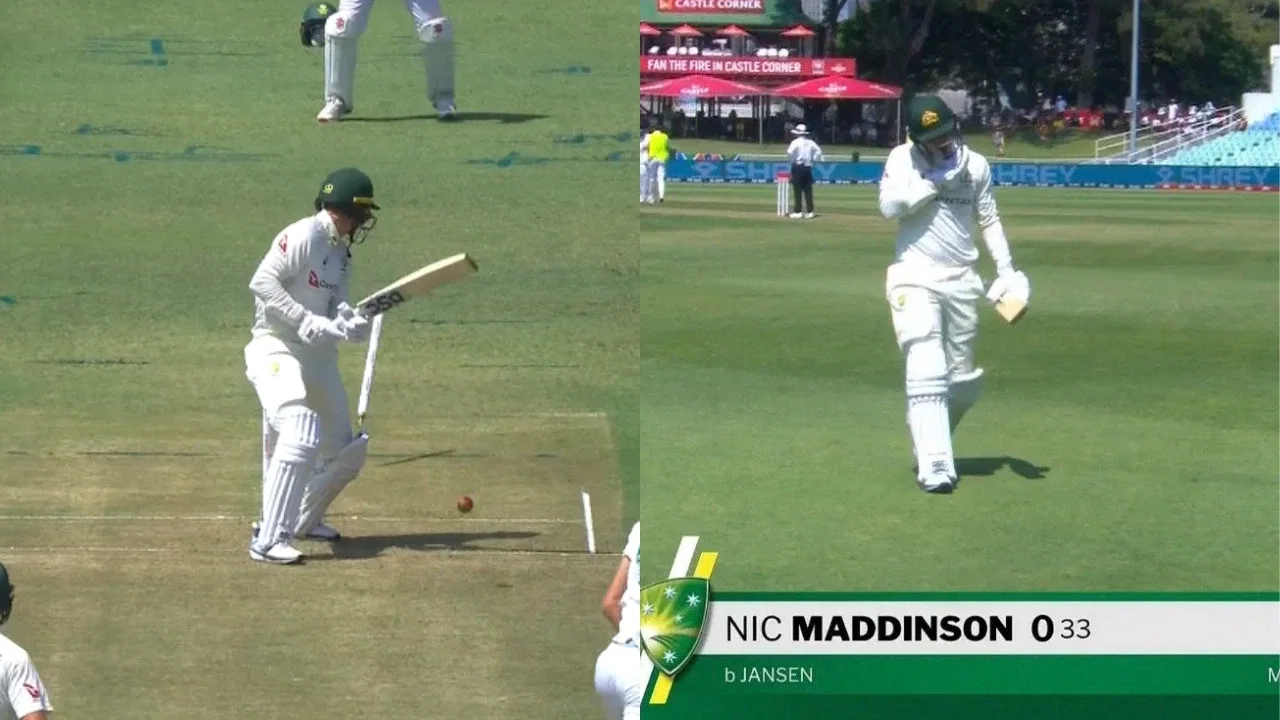
Nic Maddinson bags 33-ball duck on Test comeback, disappoints George Bailey
Imran Tahir predicts 2027 ICC ODI World Cup Semi-Finalists, snubs India for title
Australia create unwanted history with first all-30-plus Test XI
Ravindra Jadeja returns to Ranji Trophy as Saurashtra announce squad