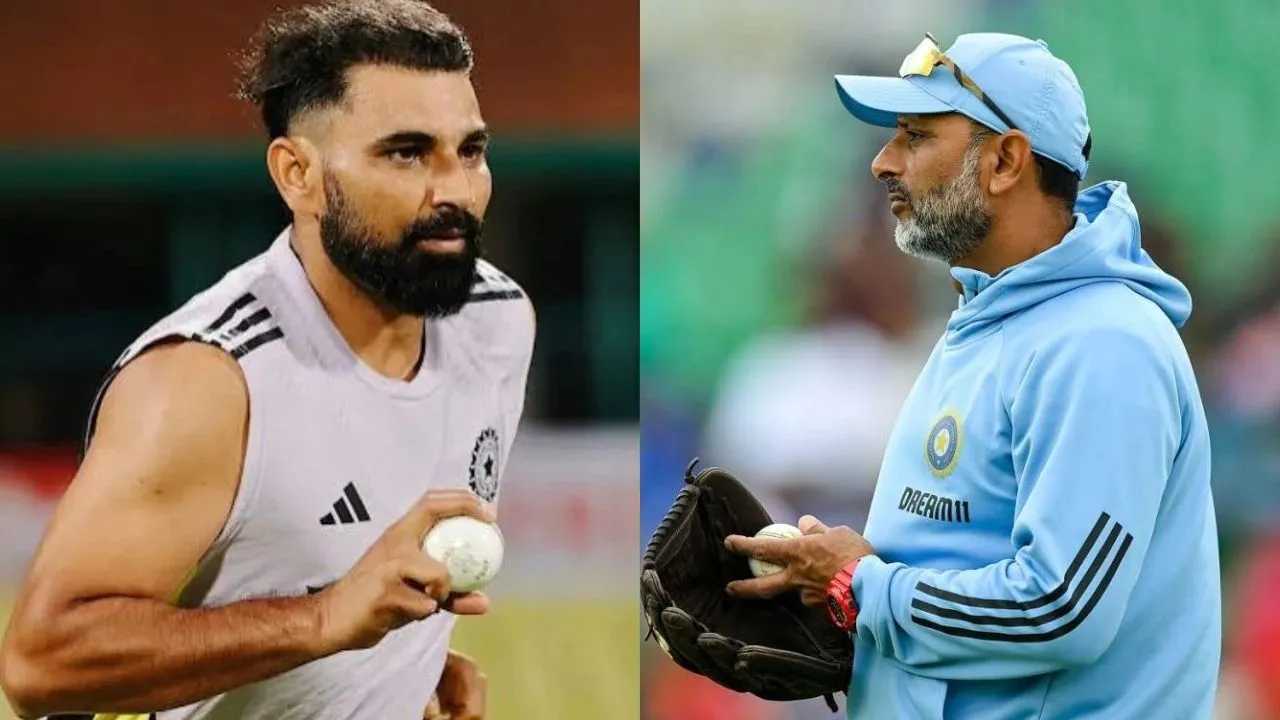
Mind games in Galle? Gautam Gambhir inspects pitch, then it changes

Galle Pitch Prepares for India-Sri Lanka Test Series
The Galle International Stadium is abuzz with activity as preparations for the upcoming India-Sri Lanka Test series are in full swing. The pitch at Galle has drawn attention, with both teams closely monitoring the conditions ahead of the first Test scheduled for Saturday, August 15.
India’s Inspection of the Pitch
Indian head coach, Gautam Gambhir, and batting coach, Sitanshu Kotak, recently visited the Galle International Stadium to inspect the 22-yard strip. Their assessment of the pitch could have a significant impact on the final team combinations for the match. Both sides are expected to analyze the surface carefully before the series opener, as the pitch conditions can greatly influence the game.
India holds an unbeaten record against Sri Lanka in Tests since 2015, adding to the anticipation surrounding this series. The pitch preparations have become a focal point as the teams gear up for an exciting competition.
Sri Lanka’s Practice Session
Sri Lanka conducted a closed-door practice session at the Galle International Stadium, restricting access to the public and media. During the session, Gambhir and Kotak examined the pitch, while the groundstaff worked on preparing the surface for the upcoming Test.
After the Indian coaching staff’s visit, the groundstaff used a lawn mower to trim the grass on the pitch. They carefully rolled the surface and left it exposed to the sun before covering it again. The meticulous preparations are a testament to the importance of pitch conditions in shaping the course of the game.
India’s Selection Dilemma
The pitch at Galle could pose a selection dilemma for the Indian team, especially in terms of their bowling combination. With the option of three frontline seamers and three specialist spinners, the management is closely monitoring the surface to make the final call.
If the pitch does not offer much turn, seamers like Mohammed Siraj, Prasidh Krishna, and Gurnoor Brar could feature prominently in India’s bowling attack. The absence of key players like Jasprit Bumrah and Washington Sundar further complicates the selection process, making the upcoming Test series crucial for India.
Pressure on Gautam Gambhir
Gautam Gambhir faces mounting pressure ahead of the India-Sri Lanka Tests, following a challenging period since taking charge as head coach. With India’s recent mixed results in Test and white-ball cricket, the team is eager to deliver a strong performance in Sri Lanka to boost their standing in the World Test Championship.
As the series kicks off at the Galle International Stadium, all eyes will be on the pitch conditions and team selections, setting the stage for an intense battle between India and Sri Lanka.
The Significance of Pitch Conditions in Test Matches
In the world of cricket, pitch conditions play a crucial role in determining the outcome of Test matches. The nature of the pitch can greatly influence the strategies adopted by both batting and bowling teams. A pitch that offers assistance to spinners might prompt teams to field multiple spinners in their lineup, while a fast and bouncy pitch could favor seamers.
Teams often conduct detailed analysis and inspection of the pitch before a Test match to assess how it might behave over the course of the game. Factors such as grass cover, soil composition, moisture levels, and wear and tear from previous matches all contribute to the unique characteristics of a pitch.
For batsmen, understanding the behavior of the pitch is crucial in adapting their technique and shot selection. They need to assess the pace of the pitch, the amount of turn on offer, and any uneven bounce that could challenge their batting skills. Bowlers, on the other hand, need to exploit the conditions to their advantage by choosing the right line and length to trouble the batsmen.
Team Strategies and Adaptability
With the pitch at Galle under scrutiny, both India and Sri Lanka will need to formulate their strategies based on the expected conditions. For India, the absence of key players like Bumrah and Sundar might force them to rethink their team composition and adapt their game plan accordingly. A pitch that favors seamers could see them relying more on their pace attack, while a turning track could bring their spinners into play.
On the other hand, Sri Lanka will be looking to capitalize on their home advantage and tailor their strategies to exploit the pitch conditions. Their spinners could play a crucial role in challenging the Indian batsmen, especially if the pitch offers turn and bounce. The ability to adapt to changing conditions quickly and effectively will be key for both teams in this Test series.
The Psychological Element of Pitch Prediction
Aside from its physical characteristics, pitch conditions also introduce a psychological element to the game. The uncertainty surrounding how a pitch will behave can create a sense of anticipation and challenge for the players. Captains may have to make bold decisions such as opting to bat or bowl first based on their predictions of how the pitch might play out over the course of the match.
For fans and spectators, the intrigue of predicting how the pitch will impact the game adds another layer of excitement to Test cricket. The ebb and flow of a match often hinge on how teams adapt to the conditions and make the most of their opportunities. As the India-Sri Lanka Test series unfolds at Galle, the pitch will undoubtedly be a major talking point, shaping the narrative of the games to come.
Ultimately, the pitch at Galle holds the key to unlocking the potential of both teams and setting the stage for a thrilling Test series filled with twists and turns. As players take to the field, their ability to read and respond to the pitch conditions will be a defining factor in determining the victors in this contest of skill, strategy, and adaptability.
Latest News

Top 10 highest run-chases in T20 cricket history, ft. West Indies’ Ranchi win vs India
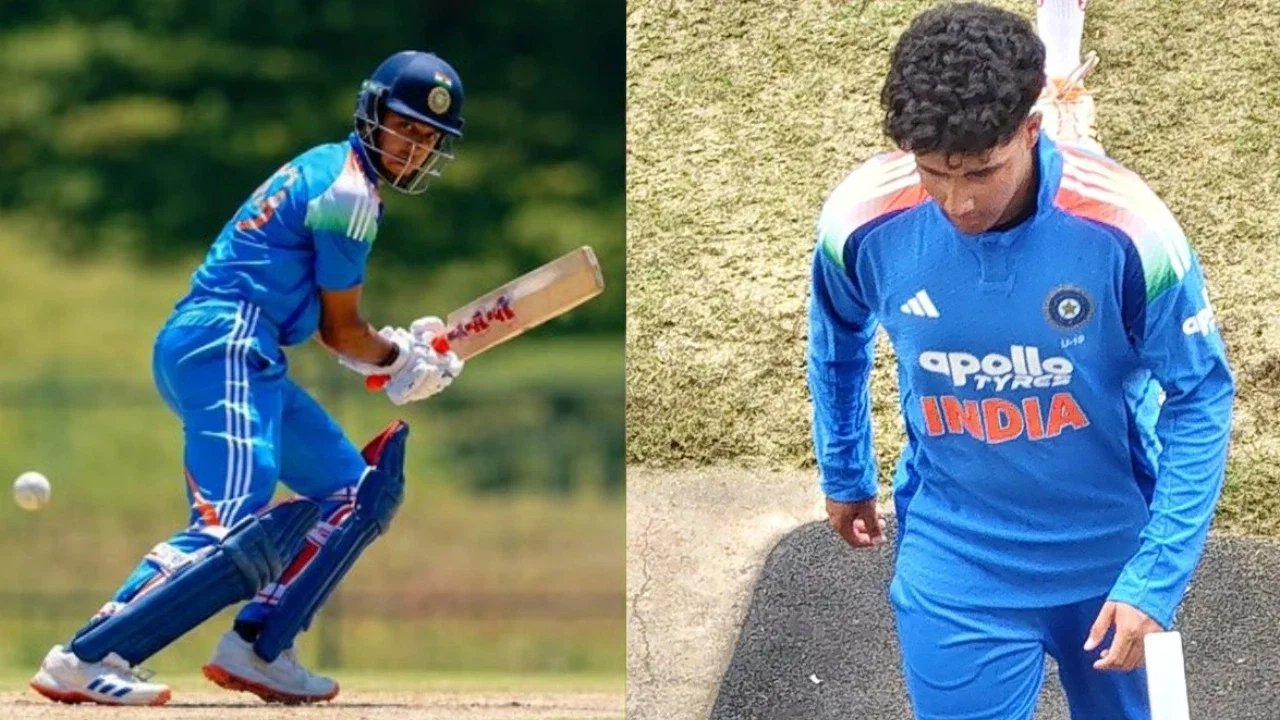
Aaryavir Sehwag and Anvay Dravid set to make headlines at U19 Asia Cup 2026

Longest ducks in Test cricket history ft. Nic Maddinson, Shoaib Akhtar

ECB to offer 39 central contracts to England players after Ben Stokes, Mark Wood’s retirement

Steve Smith surpasses Steve Waugh in all-time Test run-scorers’ list

Shane Watson identifies Gautam Gambhir’s biggest problem as India struggle for consistency

Is Bhuvneshwar Kumar in India’s 2027 World Cup plans? Ajinkya Rahane makes revelation
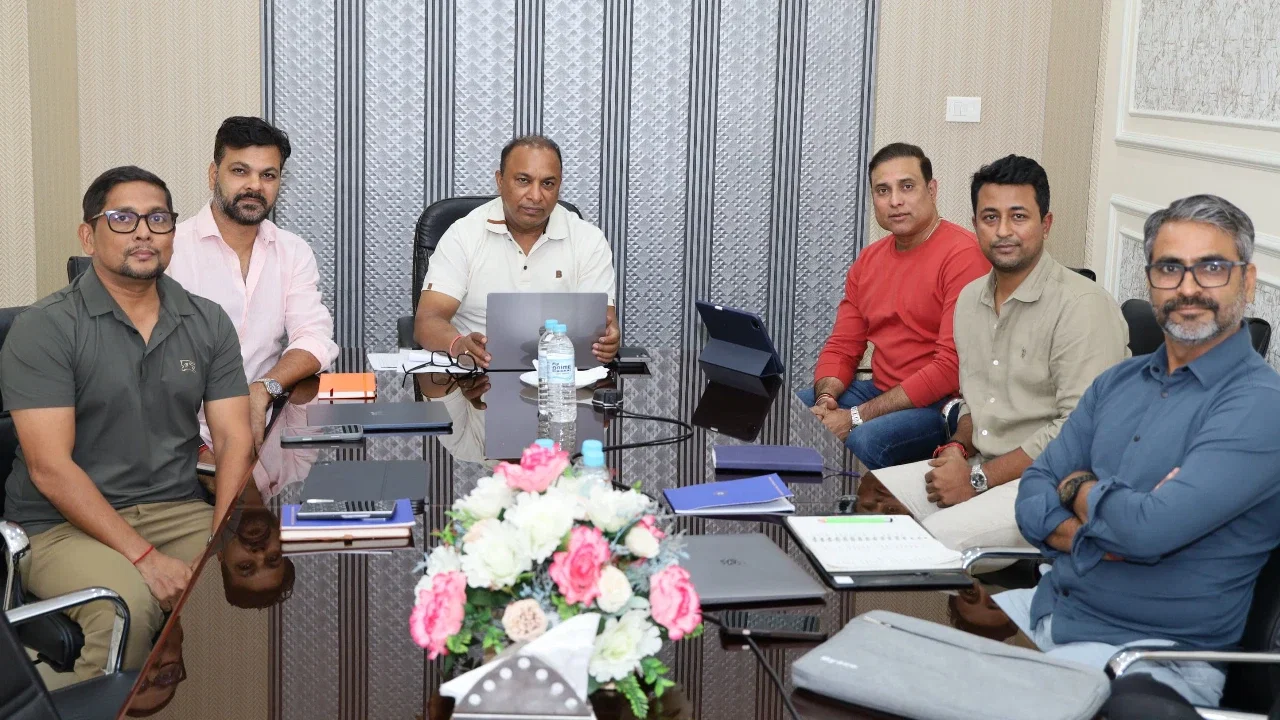
BCCI’s big ₹127 Crore move after injury crisis raises concerns over Team India

Parthiv Patel reveals RCB ignored his Jasprit Bumrah recommendation in IPL 2014 Auction
“Never spoke ill of any faith”: Irfan Pathan hits back at fake news using his name
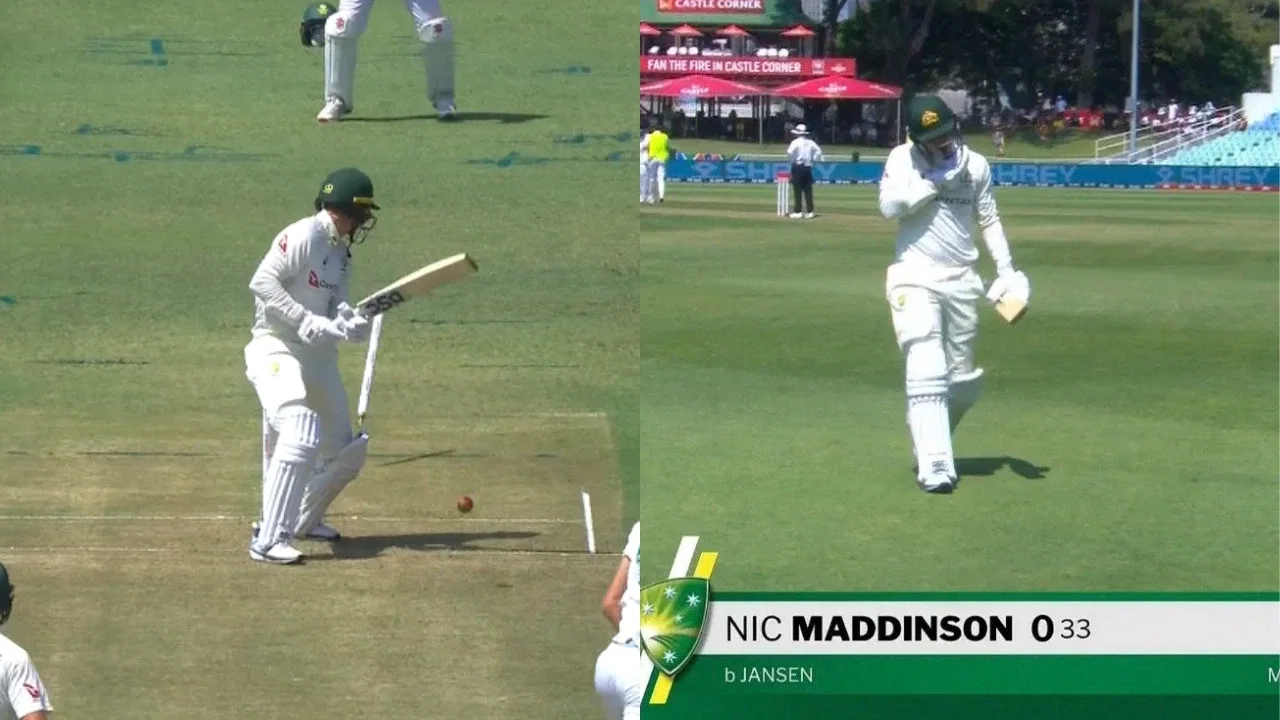
Nic Maddinson bags 33-ball duck on Test comeback, disappoints George Bailey

Imran Tahir predicts 2027 ICC ODI World Cup Semi-Finalists, snubs India for title
Australia create unwanted history with first all-30-plus Test XI
Ravindra Jadeja returns to Ranji Trophy as Saurashtra announce squad