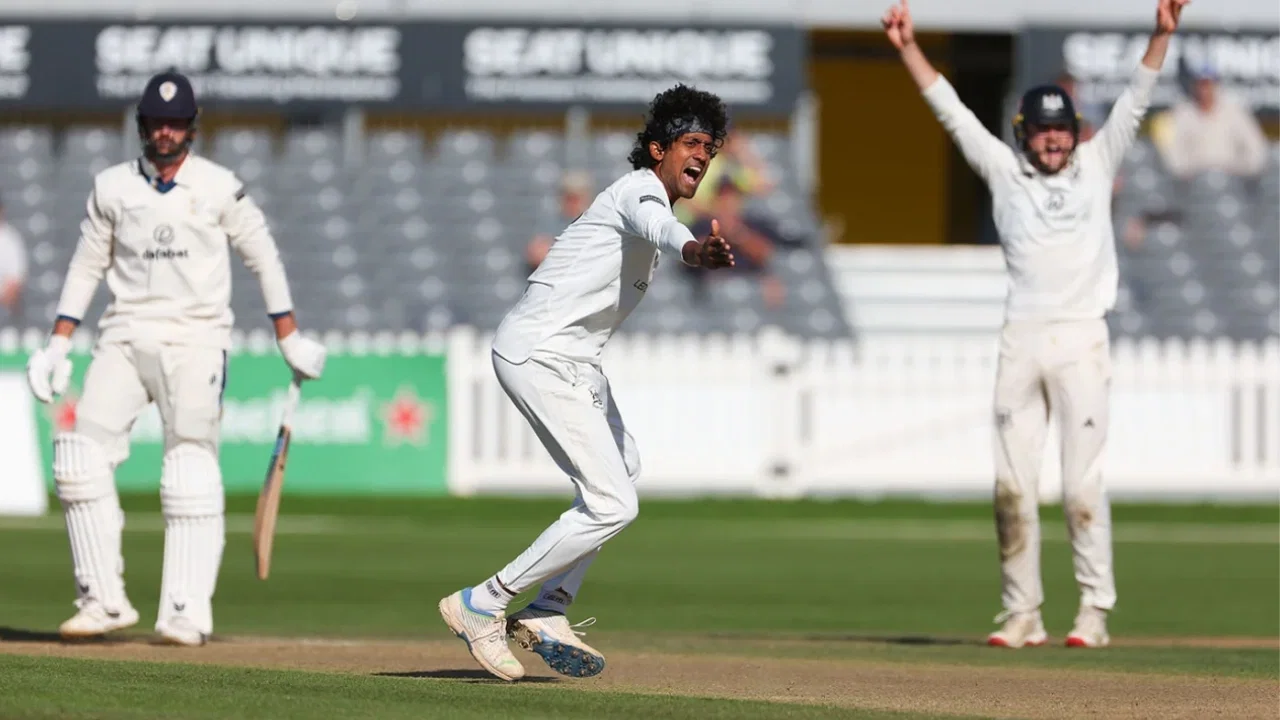
Misbah-ul-Haq urges Pakistan Cricket Board to take lessons from BCCI
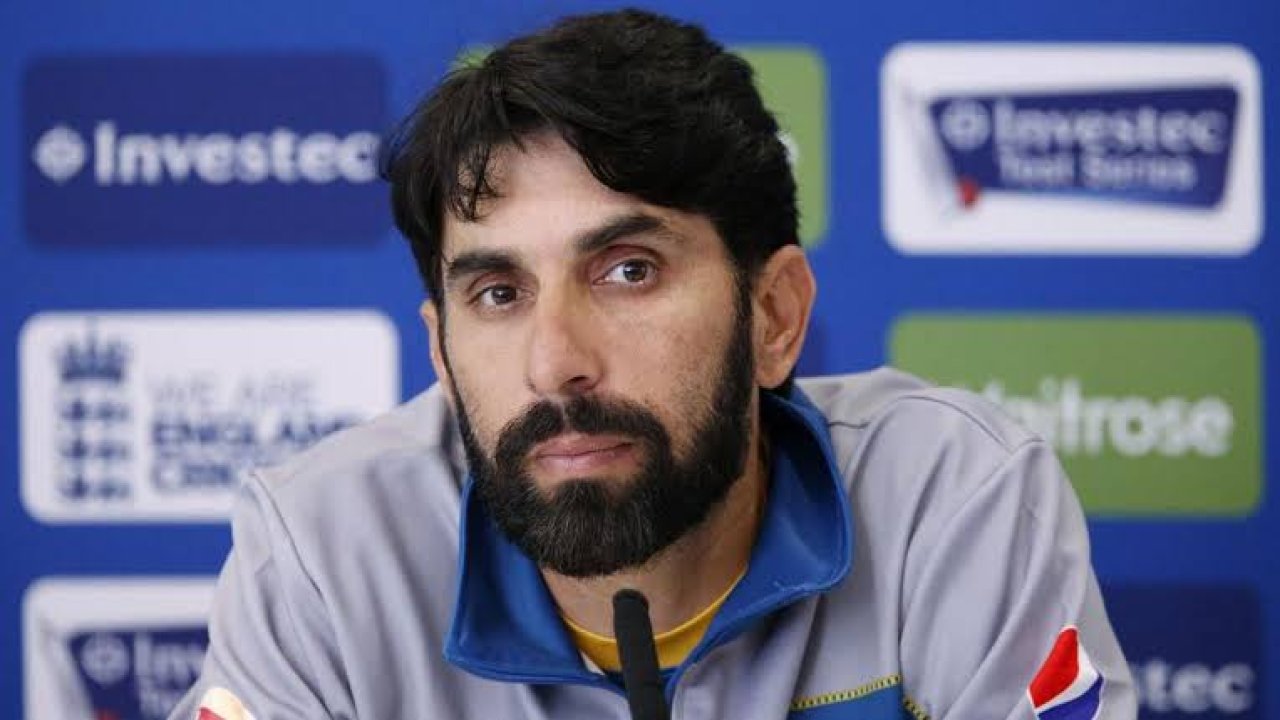
Understanding the Gap: Why Pakistan Cricket Struggles to Match India’s Progress
Pakistan’s cricketing journey has long been marked by moments of brilliance and periods of instability. Recently, the team has faced significant setbacks, including heavy defeats against England, which have prompted drastic changes within the Pakistan Cricket Board (PCB). These frequent upheavals have raised questions about the underlying causes of Pakistan’s persistent struggles on the international stage, especially when compared to their arch-rivals, India. In a revealing conversation, former Pakistan captain Misbah-ul-Haq shed light on the key factors contributing to this disparity and offered insights into what Pakistan needs to do to bridge the gap in the future.
Misbah-ul-Haq’s Perspective: The Role of Stability in Building a Successful Cricketing System
Misbah-ul-Haq, one of Pakistan’s most revered cricketing figures, emphasized that the Indian cricket team’s impressive progress over the past few decades can largely be attributed to a structured and strategic approach by the Board of Control for Cricket in India (BCCI). According to him, India’s journey to cricketing excellence was not driven by quick fixes but by a carefully crafted blueprint that prioritized gradual development and consistent investment into their cricketing infrastructure.
He explained that after the 1990s, the Indian cricket board committed to a long-term vision, channeling resources into youth development, coaching, and domestic competitions. This strategic planning culminated in the emergence of a strong pipeline of talented cricketers capable of competing at the highest levels. In contrast, Pakistan’s approach has often been reactive, with frequent coaching changes and inconsistent policies, which have hampered the team’s ability to develop a cohesive, stable unit.
The Prediction for Pakistan’s Future in International Cricket
Looking ahead, the prediction for Pakistan cricket hinges on their ability to adopt a more strategic and patient approach. The recent upheavals, including the sacking of seven players and the entire coaching staff following disappointing performances, reflect a pattern of reactionary measures rather than proactive planning. Such decisions, while understandable in the context of immediate results, risk undermining the long-term development of the team.
Cricket experts suggest that unless Pakistan’s cricket authorities learn from India’s blueprint—focusing on building a sustainable system—progress will remain elusive. The prediction is that Pakistan’s cricketing fortunes will continue to fluctuate unless a clear, well-structured plan is implemented, emphasizing youth development, domestic red-ball cricket, and consistent coaching philosophies.
The Significance of Multi-Day Cricket and Developing a Robust Pipeline
One of the critical issues highlighted by Misbah-ul-Haq is the overemphasis on limited-overs cricket at the expense of red-ball, multi-day formats. As a former captain and selector, Misbah observed that young Pakistani cricketers are predominantly groomed for white-ball cricket—One-Day Internationals (ODIs) and T20s—limiting their exposure to the demands of Test cricket and longer formats. This imbalance hampers their ability to handle pressure, adapt to different conditions, and develop the technical resilience required for five-day matches.
The prediction here is clear: without increased exposure to multi-day cricket from an early stage, Pakistani players risk remaining underprepared for the rigors of international Test cricket. To improve, Pakistan must prioritize red-ball competitions, including domestic four-day matches and longer training stints, ensuring that their cricketers are well-rounded and adaptable across formats.
Challenges Within Pakistan Cricket: The Role of Leadership and Coaching
Misbah-ul-Haq also voiced concerns about the internal challenges faced by Pakistan cricket, particularly regarding coaching and leadership. He pointed out that local coaches often face more scrutiny and criticism than their foreign counterparts. While he is not against appointing foreign coaches—acknowledging the benefits of international experience—he expressed concern over a cultural bias that tends to favor overseas coaches, which sometimes undermines local talent and leadership.
The prediction for the future involves fostering a balanced environment where local coaches are given fair opportunities and adequate support. Developing homegrown coaching talent not only strengthens the domestic cricket system but also ensures that the team culture and tactics are rooted in Pakistan’s unique cricketing identity.
Recent Changes and Their Implications
Following recent heavy defeats, the PCB took swift action by sacking seven players and the entire coaching staff, including head coach Sarfaraz Ahmed and assistant Umar Gul. Interim head coach Mike Hesson, a seasoned foreign coach, has been appointed to lead the Test team against England at Edgbaston. This decision reflects a broader debate within Pakistan cricket about the effectiveness of foreign versus local coaching and the stability necessary for long-term success.
The prediction here is that such frequent changes, while aimed at immediate results, may hinder the team’s development. Stability in leadership—both on and off the field—is crucial for cultivating a cohesive team environment capable of sustained success, similar to India’s approach.
Conclusion: Path Forward for Pakistan Cricket
In conclusion, the prediction for Pakistan cricket’s trajectory is cautiously optimistic if the right strategic steps are taken. Learning from India’s example involves more than just investing money; it requires a comprehensive, long-term plan that emphasizes stability, domestic development, and balanced exposure across all formats of the game.
Misbah-ul-Haq’s insights highlight the importance of patience, strategic planning, and nurturing homegrown talent. By adopting a more structured approach—focusing on red-ball cricket, reducing knee-jerk reactions, and fostering a culture of stability—Pakistan can position itself for future success on the international stage. The journey toward regaining cricketing dominance is a marathon, not a sprint, and the prediction is that with consistent effort and strategic vision, Pakistan can once again become a formidable force in world cricket.
Latest News

Australia Test squad vs South Africa: 6 players from 2018 ball-tampering saga return
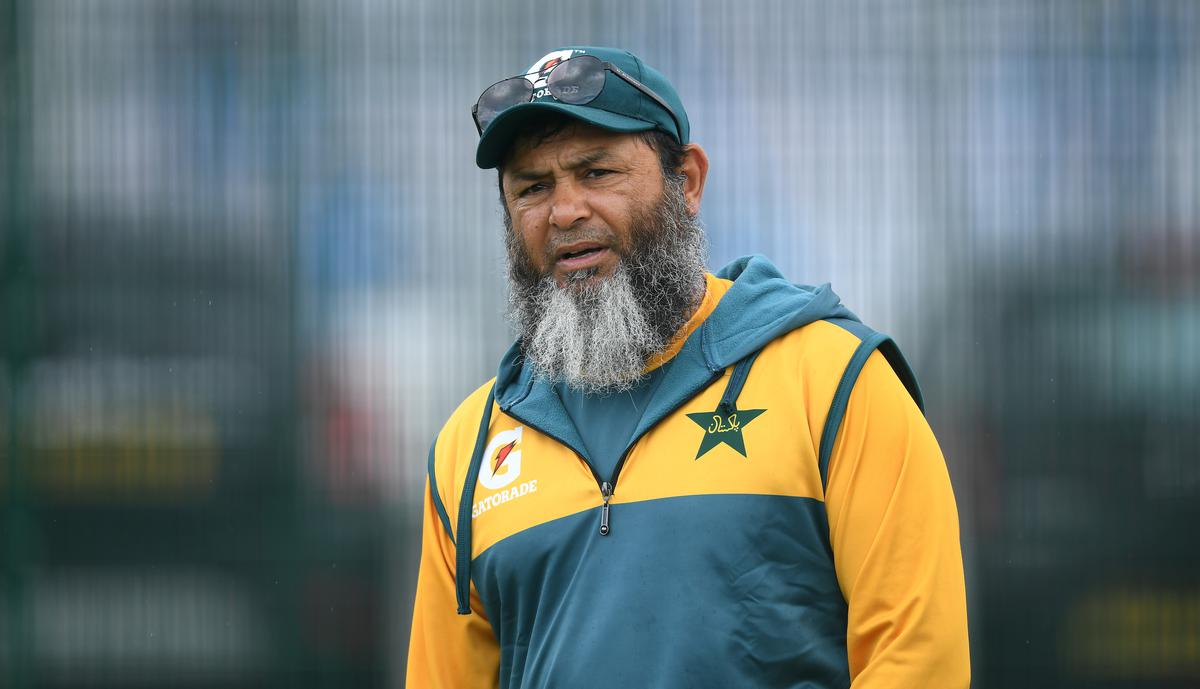
Mushtaq Ahmed opens up on becoming Pakistan’s next head coach, but has one condition
Misbah-ul-Haq urges Pakistan Cricket Board to take lessons from BCCI
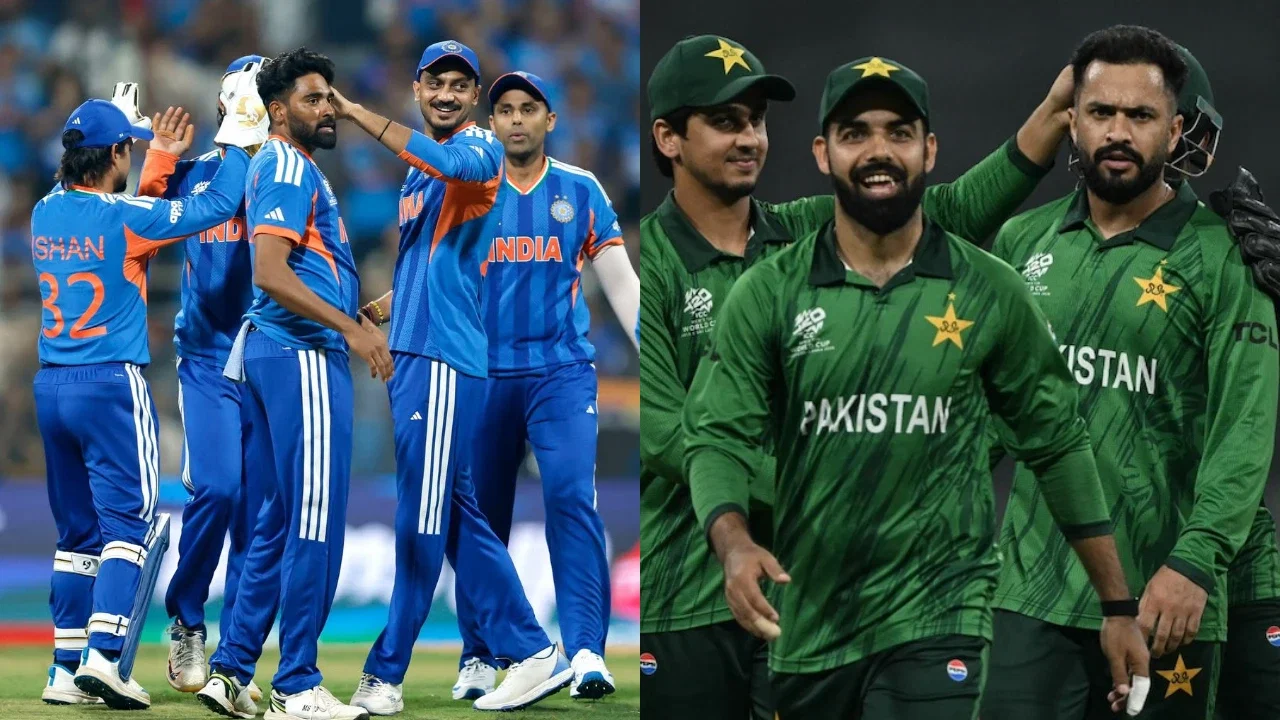
India vs Pakistan bilateral series unlikely, ICC explores tri-series option
India vs Pakistan bilateral series unlikely, ICC explores tri-series option

Imran Khan’s sons call Mohsin Naqvi a ‘fool’ after reported Lord’s Test withdrawal threat
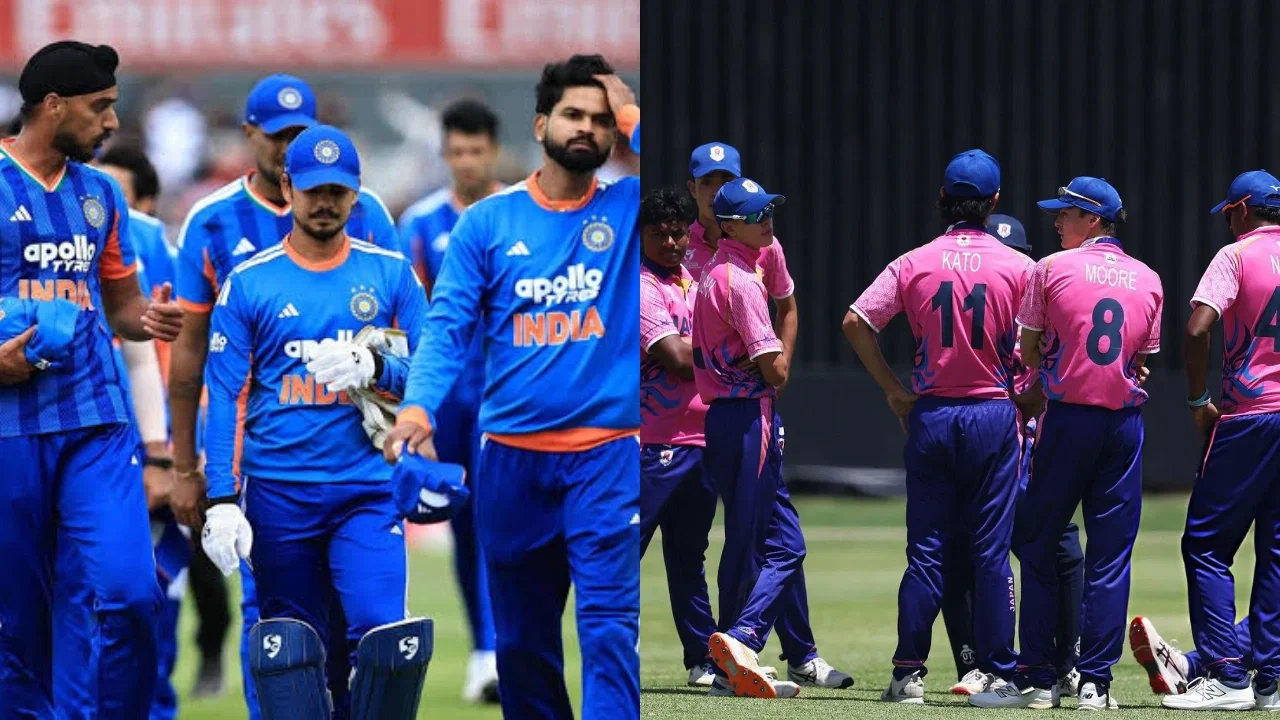
India vs Japan T20I broadcast deal takes shape, FanCode among top contenders

GUY vs SKN Dream11 Prediction Today Match, My11Circle Prediction, Dream11 Team Today, Fantasy Cricket Tips, Playing XI, Pitch Report, Injury Update- CPL 2026, Match 28
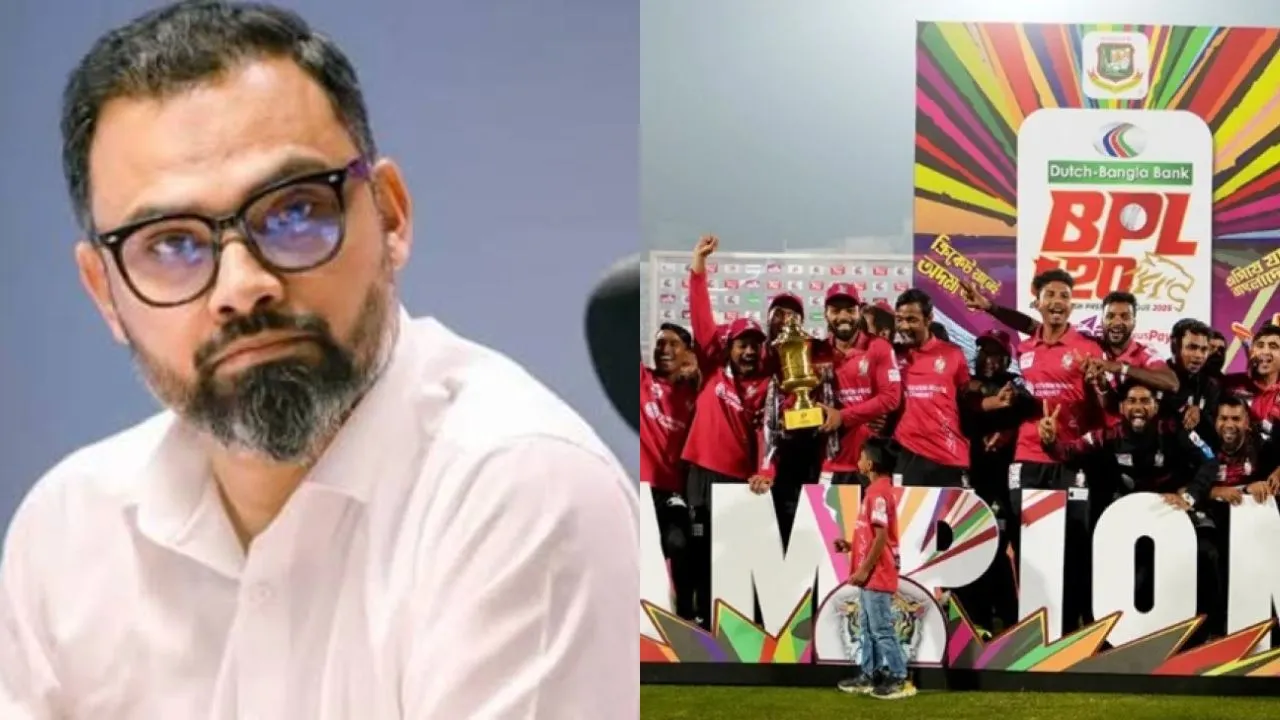
BPL should be held every year: Aminul Haque confirms BPL future after BCB suspension decision

Ishan Kishan’s GF shares heartfelt message after keeper-batter’s Duleep Trophy century
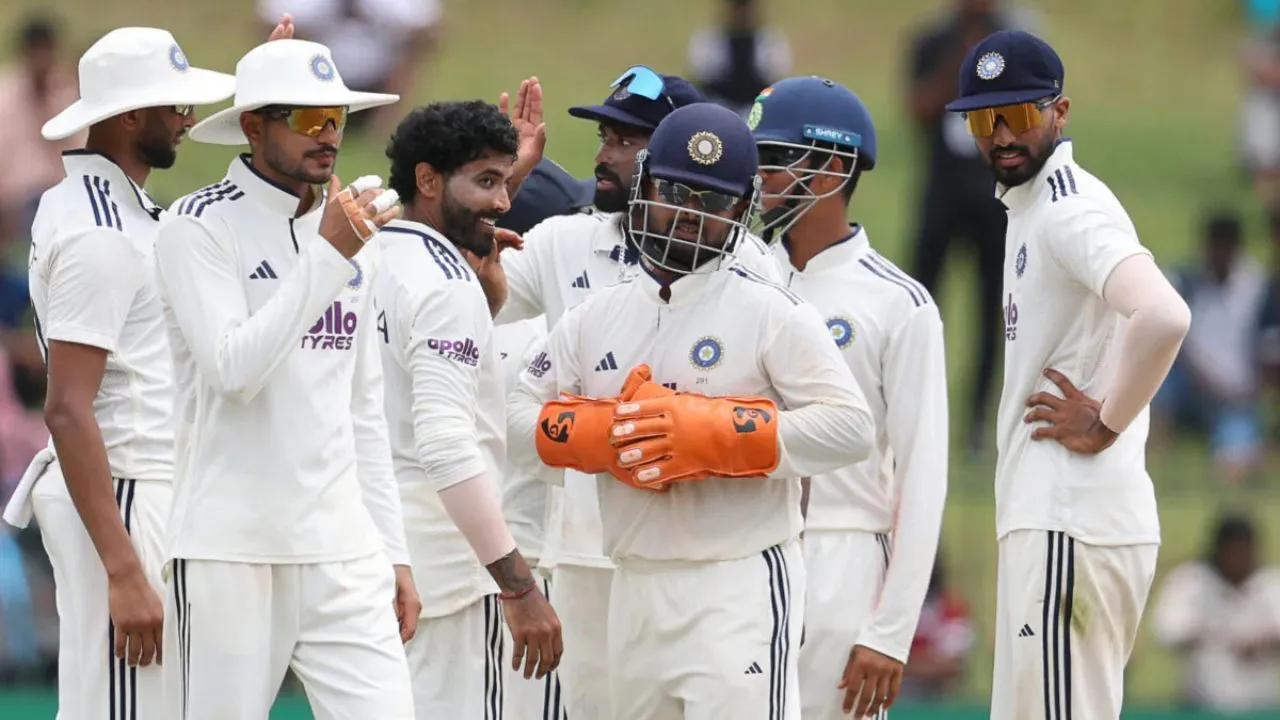
India’s Test Schedule vs England, Australia Revealed Till 2031
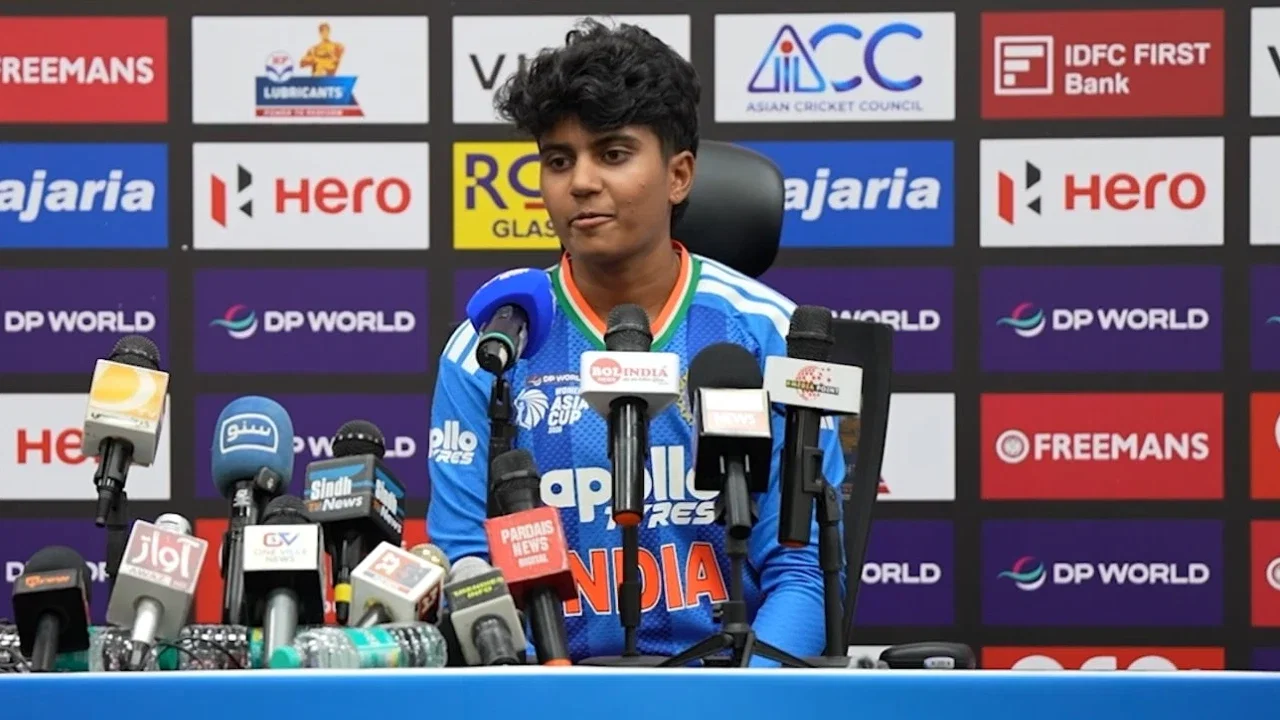
Shree Charani reveals India’s secret plan after Pakistan’s 55-run collapse

Arlene Kelly announces international retirement after England series
Ishan Kishan continues amazing form, smashes hundred in Duleep Trophy final