

Mitchell Marsh mentally affected by Cameron Bancroft’s Sandpapergate claims, nearly pulled out of England ODI
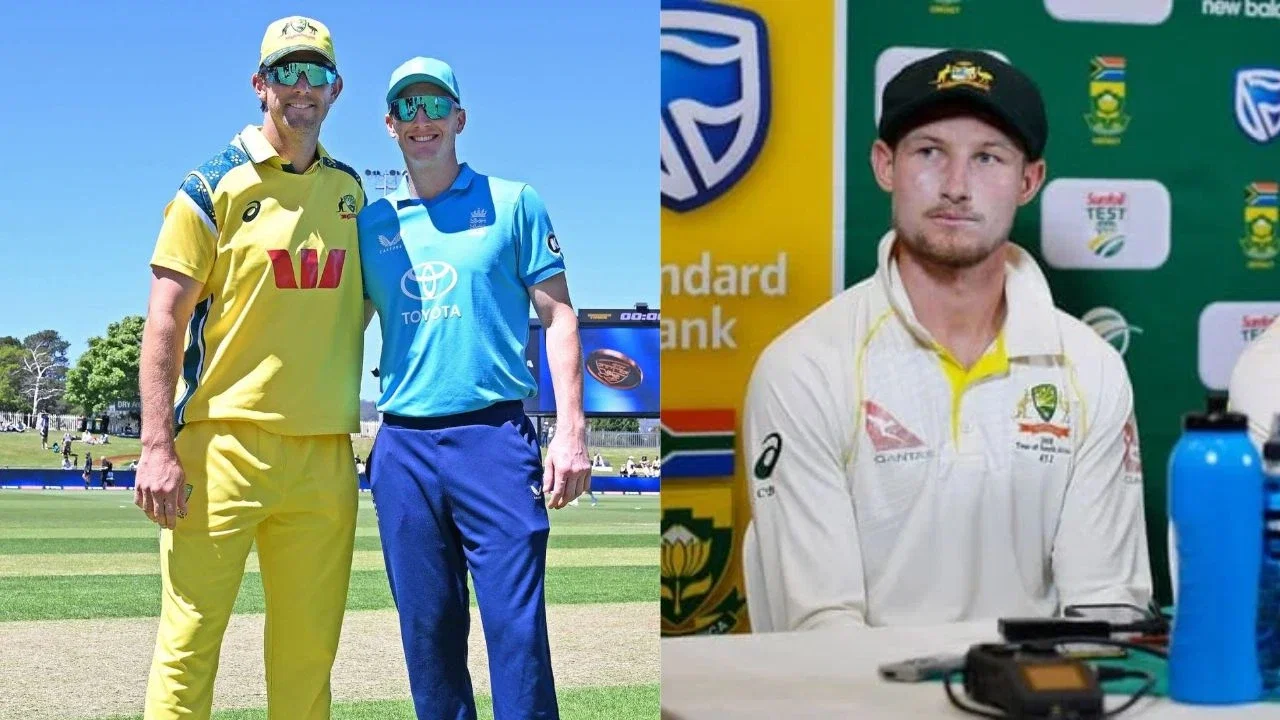
Mitchell Marsh Reportedly Considered Missing Hobart ODI as Sandpapergate Returned to the Spotlight
Australia captain Mitchell Marsh reportedly weighed up withdrawing from the third one-day international against England as renewed allegations about the 2018 ball-tampering scandal placed former and current players under scrutiny. A report by CODE Sports journalist Daniel Cherny said Marsh seriously considered sitting out the Hobart match while former Australia opener Cameron Bancroft prepared to publish a detailed account of the controversy.
Marsh ultimately took the field on November 18, despite the pressure surrounding Bancroft’s forthcoming statement. Australia lost the match by 97 runs, handing England a 2-1 series victory. Marsh did not attend the post-match press conference, although he spoke at the presentation ceremony and acknowledged England’s stronger performances in the closing games.
The reported personal impact adds a new dimension to the latest chapter of Sandpapergate, a scandal that has repeatedly resurfaced through interviews, memoirs and public recollections. Bancroft’s claims have renewed questions about who knew what during Australia’s 2018 tour of South Africa—and how much the team’s wider environment contributed to the events that led to major suspensions.
Renewed Sandpapergate scrutiny reportedly weighed on Marsh
According to CODE Sports, Marsh was affected by the attention surrounding Bancroft’s planned 4,000-word statement in The West Australian and considered missing the series finale. The report has not changed the fact that Marsh played in Hobart, but it points to the strain that renewed public discussion can place on people associated with a long-running sporting controversy.
Marsh had already faced questions about Sandpapergate during the Perth leg of the England series. Discussion intensified after Usman Khawaja’s memoir, Sabr, brought the issue back into the news. At the time, Marsh said he had personally moved on from the episode and hoped others would respect that position.
“My honest answer is because I’ve personally moved on,” Marsh said. “I respect that others probably haven’t, but I have, and I hope that’s respected.”
His reported consideration of withdrawing from the Hobart ODI came amid a wider wave of reaction. Former Australia coach Darren Lehmann, who was working as an ABC Sport commentator during the match, reportedly left his duties after learning about Bancroft’s allegations. Lehmann said he needed time to process the claims.
What Cameron Bancroft alleged in his account
Bancroft’s statement challenges the long-standing public account that knowledge of the ball-tampering plan was confined to the opener, captain Steve Smith and vice-captain David Warner. He alleged that awareness extended further across the playing group and coaching staff.
In particular, Bancroft named fast bowlers Pat Cummins, Mitchell Starc and Josh Hazlewood, as well as Marsh, when describing conversations about reverse swing. He claimed the bowlers gave him feedback on whether his efforts to alter the ball were having an effect.
“I recall conversations with all the fast bowlers Pat Cummins, Mitchell Starc, Josh Hazlewood and Mitchell Marsh about whether it was reverse swinging enough,” Bancroft wrote. “All the bowlers gave me feedback if my work on the ball was working.”
Bancroft also alleged that members of the team celebrated the impact of the tactic after Australia took four wickets for 28 runs in a session during the second Test in Port Elizabeth. These are allegations made in his account; the renewed claims have not, by themselves, established new findings against the players named.
The claims are significant because they differ from the narrower explanation that dominated the immediate aftermath of the scandal. In 2018, Smith, Warner and Bancroft received bans from Cricket Australia after Bancroft was caught using sandpaper to alter the ball during a Test match against South Africa. Fresh accounts can prompt renewed debate, but they also raise questions about how recollections should be assessed years after the events.
Cricket Australia announces forum for touring-party members
Cricket Australia has announced an independent forum where members of the 2018 South Africa touring party can share their experiences. The organisation has described the process as a way to hear accounts, rather than a new investigation intended to impose further sanctions.
The distinction matters. A forum may give former players and staff an opportunity to discuss what they remember and how the episode affected them, while stopping short of reopening disciplinary proceedings. It could also provide additional context about the team culture and communication surrounding the tour, although any conclusions will depend on what participants choose to share and how the process is conducted.
For supporters, the latest developments underline why Sandpapergate remains a sensitive subject. The scandal involved more than a single moment on the field: it led to leadership changes, suspensions and lasting reputational consequences for Australian cricket. As new accounts emerge, the debate often centres on the gap between official findings, private conversations and what individuals recall years later.
Marsh focuses on Australia’s ODI defeat and future prospects
Despite the difficult backdrop, Marsh took part in the post-match presentation after England’s win in Hobart. England’s victory completed a comeback in the three-match series: Australia won the opening ODI in Perth, but England took the next two games to secure the result.
Marsh congratulated England and conceded that Australia had been outplayed in the final two matches. He also pointed to areas requiring improvement, while expressing confidence in the group’s development ahead of the next World Cup.
“Yeah, firstly, well played to England,” Marsh said. “They’ve certainly outplayed us in the last couple of games. I think there’s lots of areas for improvement for our team, and, yeah, we’ve got a bit of work to do.”
He added that the series had provided valuable experience for younger players, particularly in the bowling group. Marsh described the squad as a promising mix of emerging talent and experience, with about 12 months remaining before the World Cup. He also praised Matt Renshaw’s progress, saying the batter had enjoyed a strong year and appeared increasingly comfortable at international level.
Prediction: attention may shift from the series to the wider questions
The immediate cricketing result is clear: England won the ODI series 2-1, while Australia will look to address shortcomings exposed in the final two matches. The longer-term story is less settled. Bancroft’s account is likely to keep Sandpapergate in public discussion, particularly as former teammates respond and Cricket Australia’s forum provides an avenue for further reflection.
Any prediction about what happens next should be cautious. The forum is not designed as a fresh disciplinary process, and the allegations remain part of an ongoing public debate. Still, the renewed attention could encourage more people connected to the tour to explain their recollections, adding detail to a chapter that continues to shape conversations about accountability, team culture and trust in Australian cricket.
Latest News

SA vs BAN Playing 11 Today, Live Streaming, Pitch & Weather: South Africa tour of Bangladesh 2026, 2nd Test

AUS vs ENG Playing 11 Today, Live Streaming, Pitch & Weather: England tour of Australia 2026, 2nd T20I

Blair Tickner ruled out of 2nd Test vs India, replacement named

Tim Paine and Justin Langer face fresh questions over Australia’s ball-tampering scandal

India tour of Bangladesh gets fresh hope as BCB confirms talks with BCCI

Tom Latham opens up on soft ball problem and saliva ban after draw against India

Ajinkya Rahane slams Tilak Varma for publicly criticising Shahbaz Ahmed after India A’s defeat

ICC to introduce IPL-style bat checks in international cricket

“Smiling Laughing doesn’t happen”: R Ashwin’s dig at India’s approach after draw vs New Zealand

“Not good enough for Test cricket”: Scott Styris, Sunil Gavaskar slam Wellington pitch

Dodda Ganesh declares India ‘out of WTC final race’ after Wellington Test draw

Ajinkya Rahane criticises Shubman Gill for abusing Akash Deep in 1st Test vs New Zealand

‘Why so many boundary riders?’ Dinesh Karthik questions Shubman Gill’s captaincy after Wellington Test

“I just want to enjoy my life”: Yash Dayal reflects on his return to cricket


