Mitchell Santner turns down BBL deal to stay with New Zealand
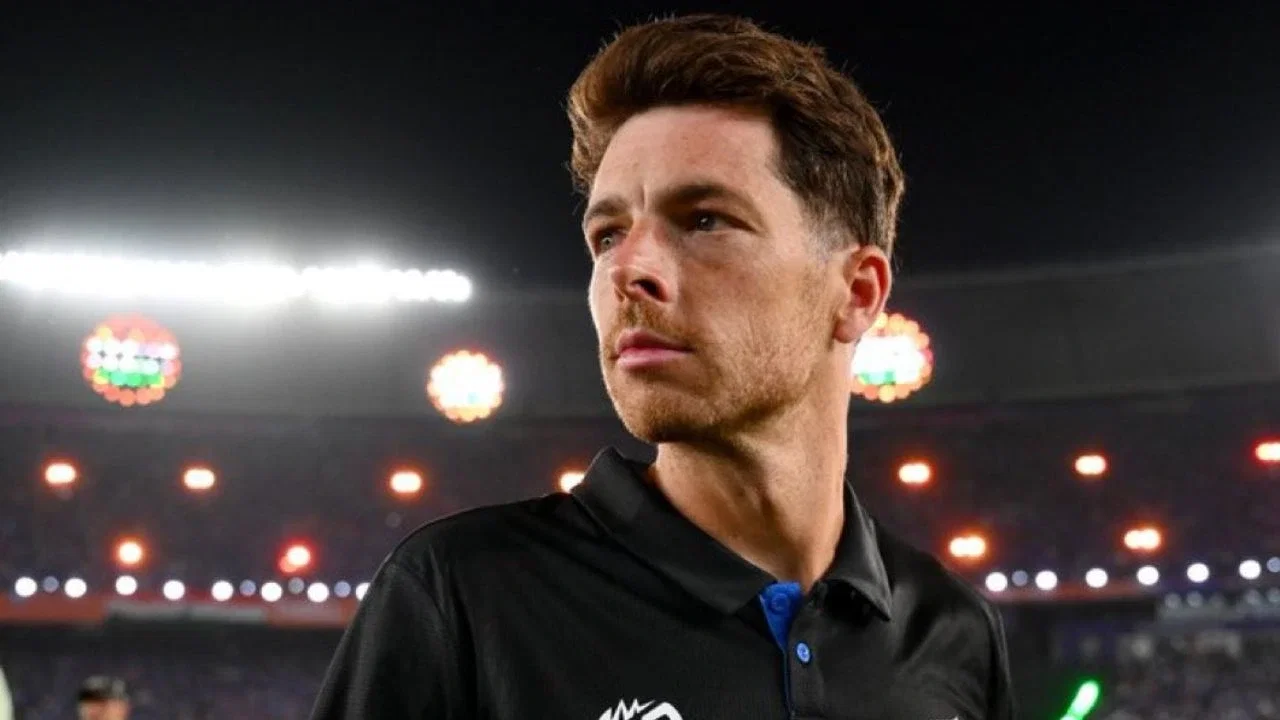
Mitchell Santner Declines Big Bash League Offer to Focus on International Cricket and New Zealand Leadership
In a surprising development within the cricketing world, New Zealand’s star all-rounder and white-ball captain, Mitchell Santner, has opted to turn down a lucrative opportunity to join Australia’s Big Bash League (BBL). Despite receiving a compelling two-year contract offer from the Adelaide Strikers, Santner’s unwavering commitment to his national team and his aspirations to play pivotal Test matches have guided his decision. This choice underscores the complex considerations faced by international cricketers when balancing franchise commitments with international duties, especially amidst a packed upcoming schedule involving high-profile series against India and Australia.
Details of the BBL Offer and Santner’s Consideration
The Adelaide Strikers, one of the prominent franchises in the BBL, recently secured England cricketing icon Ben Stokes, highlighting their intent to build a competitive squad. Recognizing Santner’s versatility and leadership, the Strikers extended a comprehensive two-year contract, which would have included financial incentives and the opportunity to showcase his skills in Australia’s premier T20 league. However, the New Zealand all-rounder was faced with a significant decision: accept the lucrative franchise deal or prioritize his commitments to the New Zealand Cricket (NZC) national team.
While the offer was undeniably attractive—both financially and in terms of exposure—Santner’s focus remained steadfast on representing New Zealand at the highest levels. “The offer was good; I’m not going to lie,” he admitted. “They knew it would have to be a good offer for me to even consider it, especially with my current contract and the commitments I have. I did entertain the thought, but with the upcoming schedule, I felt my place was with New Zealand.”
Key Factors Influencing Santner’s Decision
Several factors contributed to Santner’s decision to decline the BBL offer, primarily his desire to continue leading the New Zealand white-ball teams and his aspirations to participate in critical Test matches. The upcoming summer promises a series of high-stakes games, including:
- Two Test matches against India, a formidable cricketing nation known for its strong spin and batting line-up.
- A subsequent tour to Australia for another major Test series, which presents a unique challenge and an opportunity for New Zealand to assert itself on foreign soil.
In an interview with the New Zealand Herald, Santner emphasized the significance of these upcoming fixtures: “When you look ahead to the summer we’ve got, India here for white-ball and Test cricket, and then Australia away—there’s not many bigger assignments. It’s quite an exciting time, and I want to be part of that.”
The Financial Perspective and the Allure of Franchise Cricket
While Santner acknowledged the financial appeal of the BBL contract, he made it clear that his international commitments took precedence. “The offer was good; I won’t deny that,” he reiterated. “They knew it would need to be a significant offer for me to consider leaving my current setup. I seriously thought about it, but the upcoming schedule and my role with New Zealand made it a tough choice.”
His decision highlights the ongoing debate within cricket circles regarding the balance between franchise-based T20 leagues and international cricket. Franchise tournaments like the BBL are lucrative and high-profile, attracting top players worldwide; however, international duties, especially for countries like New Zealand with a relatively packed calendar, often take priority for players committed to representing their nations on the biggest stages.
Leadership and Captaincy: A Central Factor
Another crucial aspect influencing Santner’s choice was his captaincy role. Since late 2024, Santner has served as the captain of New Zealand’s ODI and T20I teams, guiding the side through significant tournaments such as the ICC Champions Trophy 2025 and the T20 World Cup 2026. His leadership has been instrumental in revitalizing New Zealand’s white-ball cricket, and he expressed a strong desire to continue in that capacity.
There were discussions about whether Santner could maintain the captaincy without holding a central contract, perhaps through a casual playing agreement. However, the 33-year-old expressed reservations about leading the team under such circumstances. “I don’t want to give up captaincy,” he said. “If that was part of the deal, it would have been an easy decision, but trying to lead without a central contract doesn’t sit right with me at this stage.”
The Significance of the Upcoming Cricketing Calendar
The decision by Santner not only reflects his personal priorities but also highlights the strategic planning involved in international cricket scheduling. With New Zealand preparing for intense series against India and Australia—both cricketing giants—their importance cannot be overstated. These matches are not only vital for ICC rankings but also serve as key opportunities for players like Santner to demonstrate leadership and skill on the global stage.
Furthermore, the upcoming seasons will test New Zealand’s depth and resilience. The Indian series is expected to feature some of the world’s best batsmen and bowlers, while the Australian Tests are known for their challenging pitches and intense atmosphere. Santner’s decision to focus on these fixtures underscores the prediction that international cricket remains a priority for him and many players committed to national pride and legacy building.
Context: The Broader Impact of Santner’s Decision
Mitchell Santner’s choice resonates beyond just personal preference; it reflects a broader trend in international cricket where players weigh the rewards of franchise cricket against the honor and importance of representing their country. His decision is seen as a testament to his professionalism and dedication to New Zealand cricket, especially during a period where the team is aiming for sustained success on the world stage.
Additionally, Santner’s stance comes at a time when the cricketing world is witnessing debates about the commercialization of the sport, player workload management, and the evolving nature of leadership. His decision could influence younger players and set a precedent for prioritizing international commitments, especially for nations that are not traditionally considered cricketing superpowers but are making significant strides.
Conclusion: A Prediction for the Future
As cricket enthusiasts analyze this decision, a prediction emerges that Santner’s focus on international cricket and leadership will serve to elevate New Zealand’s performance in upcoming series. His experience, combined with his leadership qualities, positions him as a key figure in the team’s quest for glory. Fans and analysts alike anticipate that his dedication will translate into impactful performances on the field, helping New Zealand secure critical victories against formidable opponents.
In conclusion, Mitchell Santner’s decision to turn down a lucrative BBL offer underscores his unwavering commitment to his nation’s cricketing ambitions. While the allure of franchise cricket remains strong, his focus on upcoming Test series against India and Australia, coupled with his desire to lead from the front, embodies the spirit of international cricket. This prediction suggests that Santner’s choice will not only bolster New Zealand’s campaign but also inspire other players to prioritize national duty in an era increasingly dominated by franchise leagues.
Latest News
Top 10 highest run-chases in T20 cricket history, ft. West Indies’ Ranchi win vs India
Aaryavir Sehwag and Anvay Dravid set to make headlines at U19 Asia Cup 2026
Longest ducks in Test cricket history ft. Nic Maddinson, Shoaib Akhtar
ECB to offer 39 central contracts to England players after Ben Stokes, Mark Wood’s retirement
Steve Smith surpasses Steve Waugh in all-time Test run-scorers’ list

Shane Watson identifies Gautam Gambhir’s biggest problem as India struggle for consistency

Is Bhuvneshwar Kumar in India’s 2027 World Cup plans? Ajinkya Rahane makes revelation
BCCI’s big ₹127 Crore move after injury crisis raises concerns over Team India

Parthiv Patel reveals RCB ignored his Jasprit Bumrah recommendation in IPL 2014 Auction
“Never spoke ill of any faith”: Irfan Pathan hits back at fake news using his name
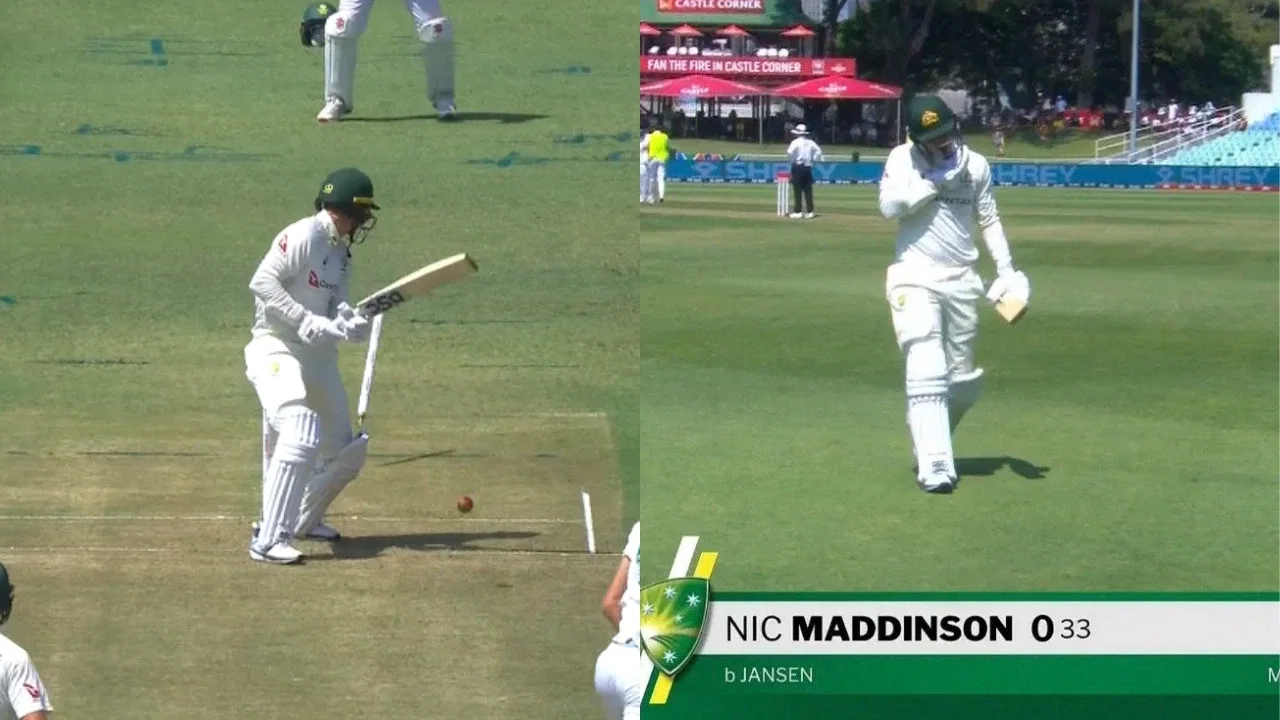
Nic Maddinson bags 33-ball duck on Test comeback, disappoints George Bailey
Imran Tahir predicts 2027 ICC ODI World Cup Semi-Finalists, snubs India for title
Australia create unwanted history with first all-30-plus Test XI
Ravindra Jadeja returns to Ranji Trophy as Saurashtra announce squad