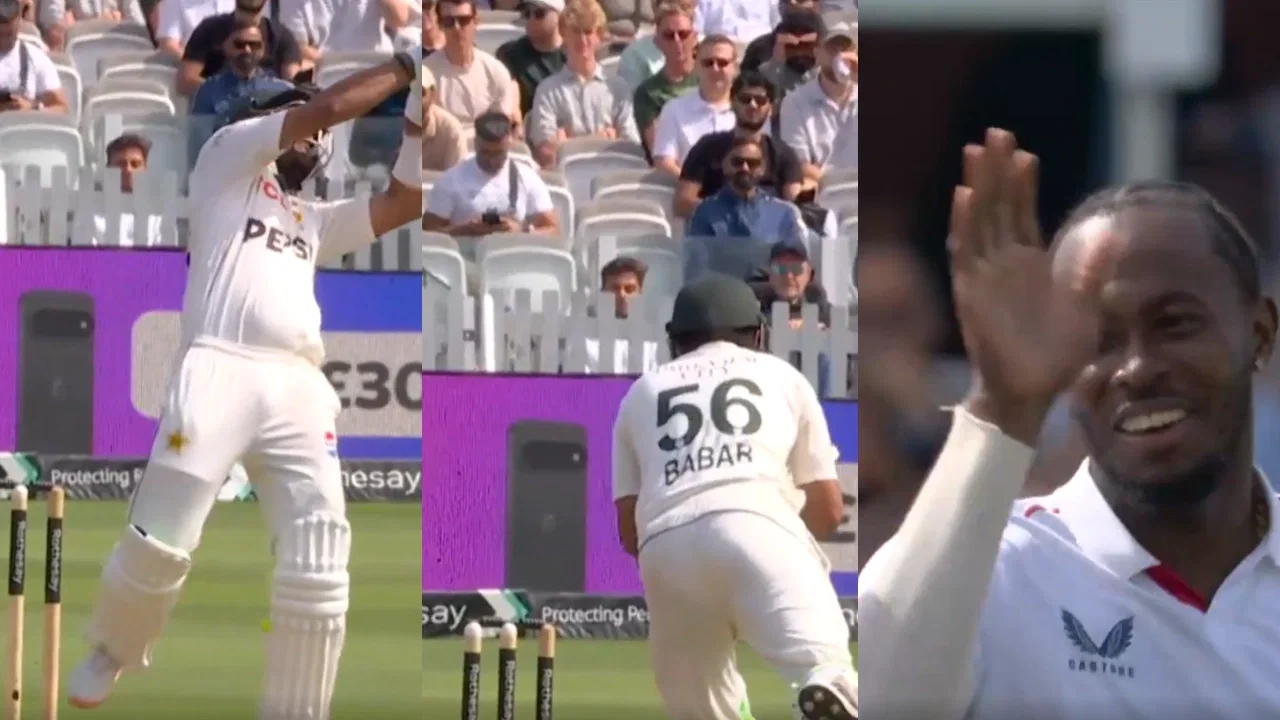
Mohammad Amir questions Imam-ul-Haq’s commitment after Lord’s injury
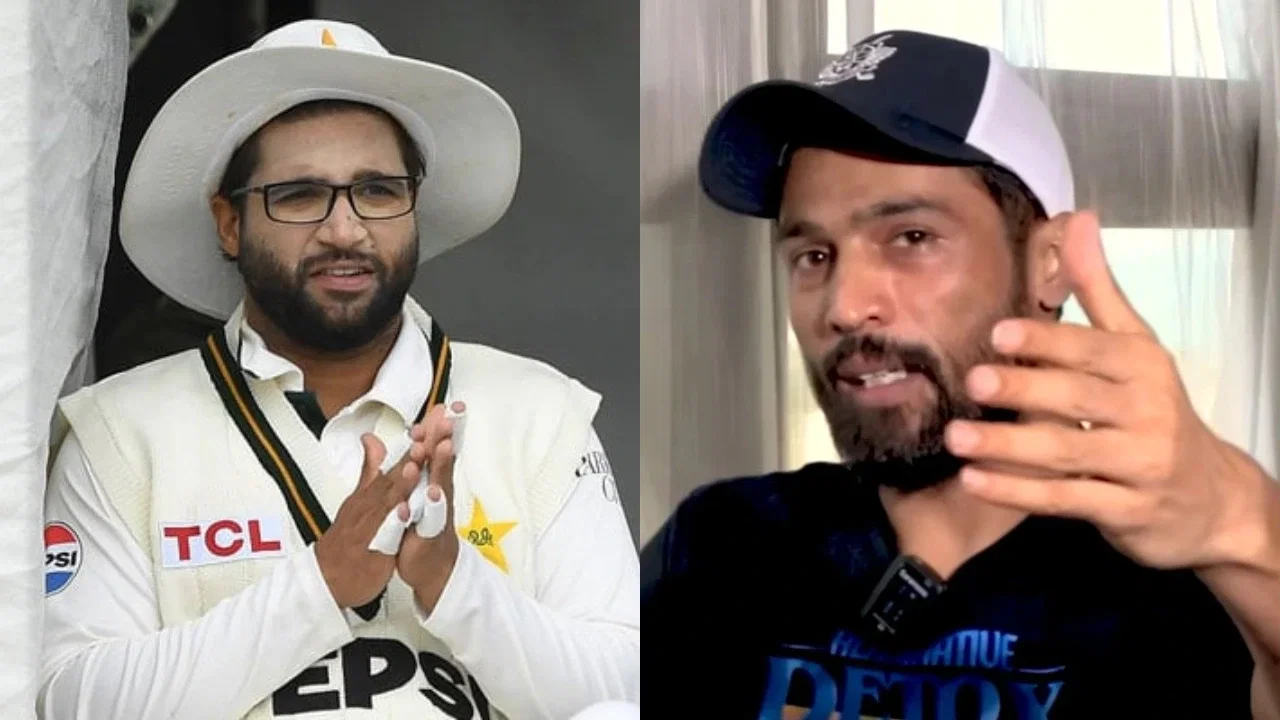
Former Pakistan Fast Bowler Mohammad Amir Questions Imam-ul-Haq’s Batting Effort and Injury Management at Lord’s
The ongoing second Test match at Lord’s has sparked intense debate within cricket circles, especially surrounding Pakistan’s decision-making and player commitment amid injury concerns. Former Pakistan fast bowler Mohammad Amir has voiced strong opinions, questioning whether opener Imam-ul-Haq should have made a genuine attempt to bat during the first innings, despite reportedly suffering a Grade-1 tear in his left calf. Amir’s candid critique sheds light on broader issues of player fitness, team strategy, and the unpredictable nature of cricket injuries, all under the umbrella of making accurate predictions about player behavior and team prospects.
Injury Report and Its Impact on Pakistan’s Batting Lineup
Imam-ul-Haq, a key figure in Pakistan’s batting order, was absent from the crease during the first innings at Lord’s, with reports indicating he sustained a Grade-1 calf tear. The injury was confirmed after scans taken at the end of the first day’s play, which recommended a rest period of approximately ten days. Despite this, the controversy surrounds whether Imam should have attempted to bat, especially given the importance of the match and the series’ outcome.
The absence of Imam, coupled with Pakistan’s dismal first innings score of just 110 runs in 38 overs, has raised serious questions about the team’s batting resilience and strategic decisions. With Imam sidelined, Pakistan was left with only 10 available batters and nine wickets at their disposal for the second innings, making the challenge even more daunting against a formidable England bowling attack at Lord’s, one of cricket’s most iconic venues.
Mohammad Amir’s Critique: Was Imam-ul-Haq’s Injury a Genuine Concern or a Missed Opportunity?
In a candid interview on YouTube with journalist Muhammad Furqan Bhatti, Mohammad Amir expressed skepticism about Imam-ul-Haq’s injury and his decision not to bat. Amir questioned whether the injury was sufficiently severe to justify staying off the field, citing historical examples of cricketers who have played through injuries that seemed similarly serious.
Amir stated: “In my personal opinion, Imam-ul-Haq should have played. We have seen many such examples in the past where players have come out to bat even with broken arms or hamstring tears. Cricket is unpredictable, and sometimes, even an injured player can be instrumental by just staying at the crease, supporting the team, and stopping the ball from reaching the boundary.”
This prediction reflects Amir’s belief that the risk of exacerbating an injury is often outweighed by the tactical advantage of having a resilient batsman at the crease, especially when the series remains alive. His perspective underscores a broader debate about the mental toughness and physical resilience expected of international cricketers, particularly in high-stakes matches.
The Importance of Commitment in Test Cricket
Amir’s comments also touch upon the importance of commitment and team spirit in Test cricket, where players often face physically demanding conditions. Historically, many cricketers have demonstrated incredible grit, batting with injuries that would sideline most players. Amir argues that Imam’s decision not to bat might have been a missed opportunity to contribute meaningfully, even if only to hold one end and support the tailenders.
“If Imam had come out to bat and stayed at one end to support the lower order, Pakistan could have added valuable runs. Sometimes, a batsman’s presence alone can change the course of a match,” Amir added. “Cricket is unpredictable. Anything can happen, and you never know when a small moment can turn the tide.”
Questioning Fitness and the Selection Strategy
Beyond the immediate controversy, Mohammad Amir also raised concerns about the initial selection decisions. He pointed out that Imam-ul-Haq had played in the first Test at Headingley despite already carrying an injury, which perhaps contributed to his current predicament. Amir asked the pertinent question:
“Why was Imam playing in Headingley if he was already injured or not fully fit? If the injury was persistent, it raises questions about the team’s selection strategy and medical assessment.”
This points to a broader issue faced by cricket teams worldwide: the delicate balance between selecting fit and in-form players versus risking their long-term health for immediate gains. Amir’s prediction on the injury’s management echoes the importance of thorough medical evaluations and cautious decision-making, especially when a series hinges on such critical moments.
Implications for Pakistan’s Future in Test Cricket
Amir’s critique extends beyond the immediate match, as he predicts a challenging future for Pakistan cricket. With a noted decline in team performance and leadership issues, Amir expressed pessimism about Pakistan’s prospects, stating:
“Honestly, I predict another 20 years of difficulties for Pakistan cricket if these issues are not addressed. We need to focus on nurturing young talent and fostering a culture of resilience and commitment.”
This prediction underscores the importance of strategic planning, fitness management, and mental toughness in the long-term development of Pakistan’s cricketing infrastructure. Amir’s insights serve as a reminder that success in cricket isn’t just about talent but also about the dedication and discipline of players and coaching staff alike.
Additional Context: The Broader Debate on Injury Management
The debate surrounding Imam-ul-Haq’s injury also opens up a larger discussion on how cricket teams handle injuries and player welfare. Historically, many cricketers have played through injuries, sometimes at great personal risk, to contribute to their team’s success. Recent advancements in sports medicine have enabled players to recover faster and perform with injuries that would have previously sidelined them for extended periods.
However, the decision to push through injuries remains complex and often subjective, relying heavily on medical advice, team management, and the player’s willingness. The prediction that Imam should have attempted to bat aligns with a tradition of resilience in cricket, but it also raises questions about the potential long-term consequences of such decisions.
Conclusion: The Ongoing Saga at Lord’s and the Road Ahead
The controversy surrounding Imam-ul-Haq’s injury and his decision not to bat during Pakistan’s first innings at Lord’s has added an extra layer of intrigue to this already tense Test series. Mohammad Amir’s outspoken critique emphasizes the importance of resilience, strategic decision-making, and the unpredictable nature of cricket — where a single moment, a single decision, can influence the outcome of a match and even a series.
As the series progresses, all eyes will be on Pakistan’s next moves, fitness management, and whether other players will exemplify the grit and determination that Amir advocates. The prediction remains that cricket, as always, is a game of uncertainties, where mental toughness and tactical acumen are as vital as skill and talent.
Ultimately, the Lord’s Test serves as a reminder that in cricket — as in life — resilience, commitment, and strategic foresight often determine success. Whether Imam-ul-Haq’s injury will be a defining moment or a minor setback remains to be seen, but the debate it has sparked will undoubtedly influence how teams approach injury management and player sacrifice in future high-stakes matches.
Stay tuned for more updates and expert insights as this compelling cricket saga unfolds.
Latest News
CSK CEO dismisses MS Dhoni ownership rumours, addresses IPL 2027 future
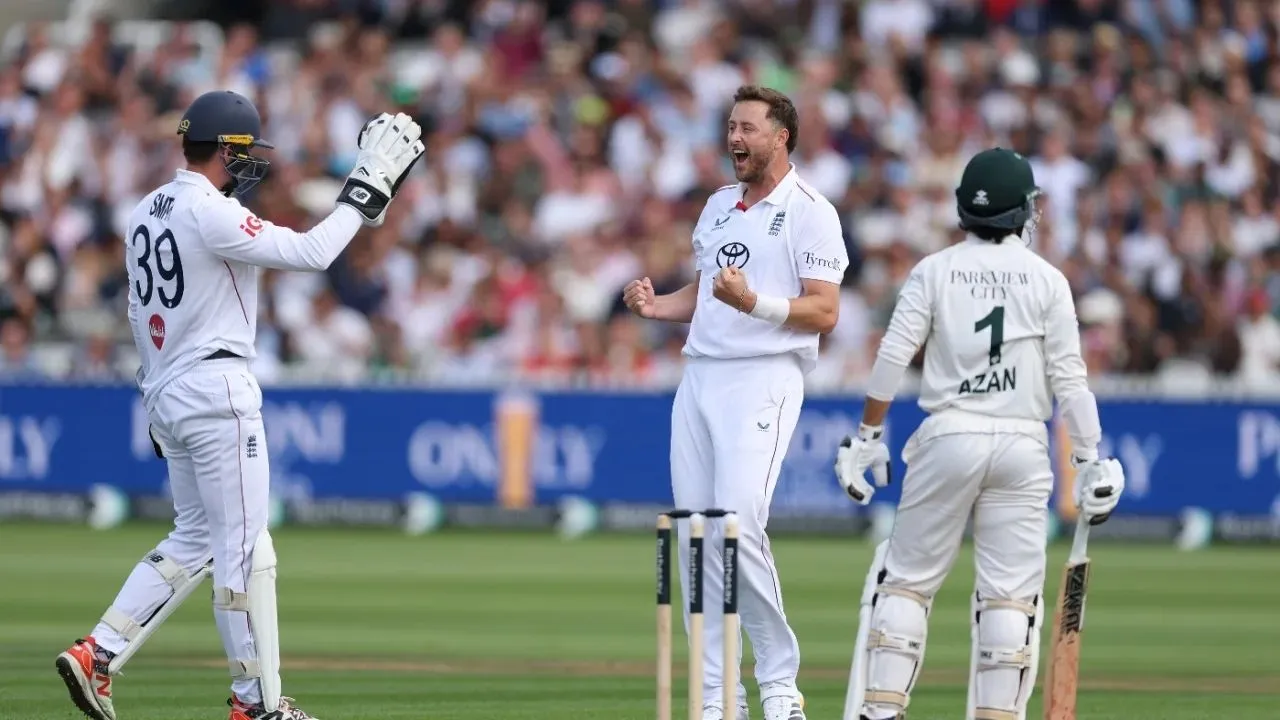
WTC Points Table after England vs Pakistan 2nd Test, 2026
India’s WTC Final qualification scenario after ENG vs PAK Lord’s Test 2026
Mohammad Amir opens up on IPL future after Pakistan chapter comes to an end
Deepti Sharma enters elite 150 T20I club during Asia Cup 2026

PCB issues strict order to Pakistan players over Imran Khan questions
Smriti Mandhana overtakes Suzie Bates, becomes 2nd-highest run-scorer in Women’s cricket
Aakash Chopra reveals key reason behind Mohammed Siraj’s struggles in Sri Lanka
Mohammad Amir questions Imam-ul-Haq’s commitment after Lord’s injury
Mohammad Abbas follows Mohammad Amir into Lord’s history
Charith Asalanka, Dasun Shanaka set to return for Sri Lanka in white-ball formats
Ben Stokes-starrer County match finishes in 6 balls after bizarre stumps call with 4 needed
Javagal Srinath travels in Bengaluru Metro; video goes viral
Mohammed Shami creates history with 900th professional cricket wicket