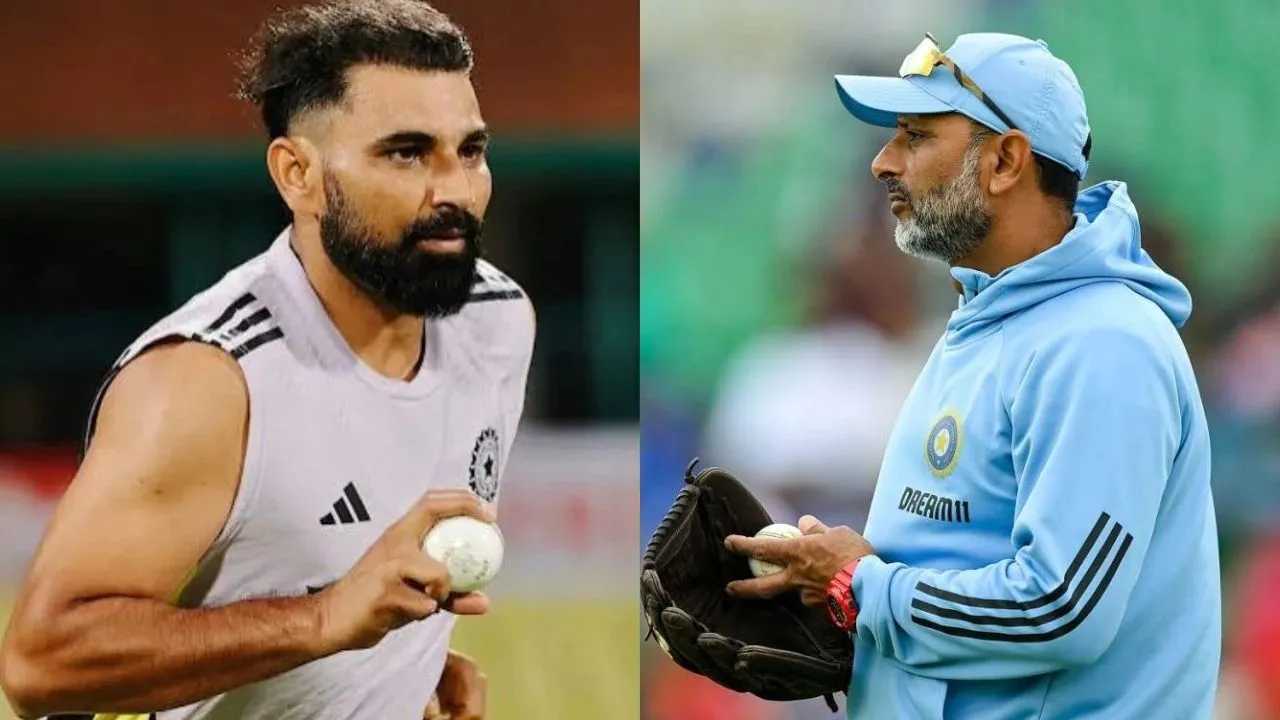
Mohammad Rizwan case: Lahore HC orders NCCIA not to harass cricketer
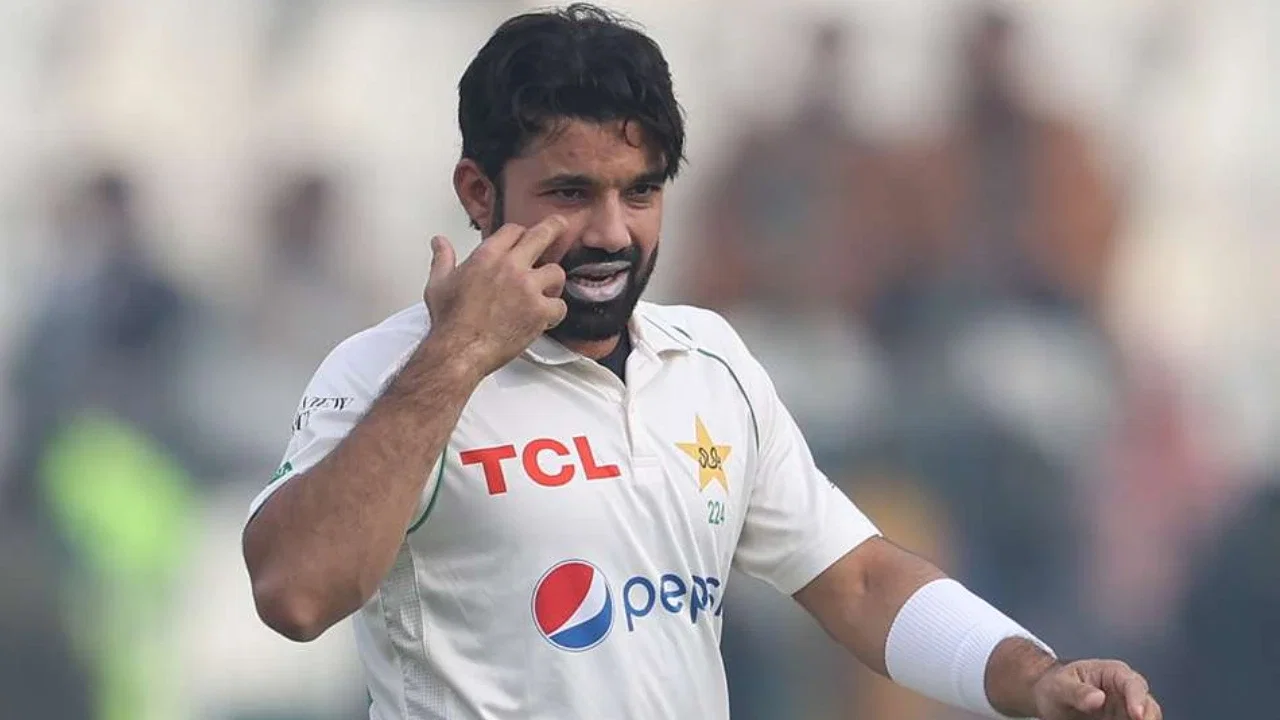
Legal Battle and Prediction: Lahore High Court’s Ruling on Mohammad Rizwan’s Cyber Crime Investigation
The Lahore High Court has recently issued a significant ruling concerning the ongoing investigation into Pakistani cricket star Mohammad Rizwan, offering a nuanced perspective on the intersection of sports, law, and cybersecurity. This decision not only influences Rizwan’s legal standing but also sparks broader discussions about the procedures and boundaries of cybercrime investigations in Pakistan’s sports fraternity.
Background: The Controversy Surrounding Mohammad Rizwan
Mohammad Rizwan, a key figure in Pakistan’s cricketing landscape, has found himself embroiled in controversy following Pakistan’s recent tour of England. During this series, Rizwan, along with fellow cricketer Imam-ul-Haq and five other players, was unexpectedly sent home early. The Pakistan Cricket Board (PCB) security team confiscated their mobile devices, prompting questions about the reasons behind such measures.
The Lahore High Court’s recent directive stems from investigations initiated by the National Cyber Crime Investigation Agency (NCCIA), which questioned Rizwan for approximately two hours regarding alleged involvement in corruption and online gambling activities. These allegations, although not yet definitively proven, have cast a shadow over the cricketer’s reputation, prompting legal scrutiny and public debate about privacy, due process, and the scope of cyber investigations.
The Court’s Decision: Allowing the NCCIA’s Investigation to Proceed
In a detailed and authoritative ruling, Chief Justice Aalia Neelum emphasized that the NCCIA’s investigation should continue but must adhere to due process and respect Rizwan’s legal rights. The court dismissed Rizwan’s petition challenging the investigation, but it also issued a clear warning to the authorities to avoid causing unnecessary harassment or infringing on the cricketer’s privacy rights.
The court clarified that the investigation falls within the purview of Pakistan’s legal framework, specifically under Section 14 of the Prevention of Electronic Crimes Act (PECA) 2016. This law empowers authorities to investigate cyber offenses, including allegations related to online gambling and electronic fraud. The court’s decision underscores a crucial prediction: that cybercrime investigations in Pakistan are escalating in scope and severity, reflecting the growing importance of digital security in the realm of sports and public figures.
Legal and International Dimensions: Domestic Laws vs. ICC Regulations
One of the more compelling aspects of the court’s ruling involves the relationship between Pakistan’s domestic legal system and international sports regulations. Rizwan’s legal team argued that the International Cricket Council’s (ICC) Anti-Corruption Code should prevent Pakistani authorities from conducting separate investigations. However, the Lahore High Court rejected this argument, asserting that ICC’s disciplinary framework does not supersede national laws.
This prediction indicates a potential shift in how national legal systems may assert their authority over international sports governing bodies. The court’s stance affirms that Pakistan’s laws, particularly those related to cybercrime, remain applicable even when international sports regulations are involved. This decision could set a precedent for future cases where domestic law intersects with international sports governance, emphasizing the importance of sovereignty and legal independence in matters of criminal investigation.
Impact on Rizwan’s Public Image and Media Restrictions
While the investigation unfolds, Mohammad Rizwan has faced restrictions on publicly addressing the allegations. The PCB, led by Mohsin Naqvi, reportedly rejected two requests from Rizwan to speak publicly and clarify his position. These restrictions stem from clauses within Rizwan’s central contract, which require prior approval from the PCB before making public statements concerning sensitive issues.
This aspect of the case highlights the complex relationship between athletes’ rights to free expression and organizational control within professional sports. The prediction here is that such restrictions may become more scrutinized in future cases, especially as public opinion increasingly demands transparency and accountability from sports authorities.
Details of the NCCIA’s Investigation: From Lord’s to Digital Forensics
The investigation was reportedly initiated during the second Test match between Pakistan and England at Lord’s Cricket Ground. Rizwan’s lawyer detailed that the cricketer was summoned to the team hotel around 1:00 AM and was asked to hand over his mobile device, which was promised to be returned within three hours. However, the phone remained in custody beyond that period, raising questions about the transparency and scope of the inquiry.
The NCCIA’s probe extends beyond a simple forensic examination of Rizwan’s device. The agency has issued a comprehensive five-page questionnaire seeking in-depth information about his digital footprint, including social media activity over the past decade, financial records from the past five years, bank details, credit cards, assets, and domestic expenses. This extensive data collection underscores the prediction that cybercrime investigations in Pakistan are becoming more sophisticated and invasive, reflecting an increased emphasis on digital footprints in criminal proceedings.
The Broader Implications for Pakistan’s Legal and Sports Landscape
The Lahore High Court’s ruling and the ongoing investigation into Mohammad Rizwan serve as a critical prediction point for the future of sports law and cyber regulation in Pakistan. It signals a possible shift towards more rigorous scrutiny of athletes’ digital activities and personal lives, especially in cases involving allegations of corruption or illegal online activities.
Moreover, the case highlights the importance of balancing national security and legal enforcement with individual rights and privacy. As cyber laws continue to evolve, sports personalities and public figures may find themselves under increased scrutiny, making it essential for them to understand their digital footprint and legal protections.
Expert Insights: What the Prediction Means for the Future
Legal analysts suggest that this case could set a significant precedent in Pakistan, emphasizing that domestic laws like PECA 2016 are potent tools in combating cybercrime, even when international regulations are involved. The court’s stance indicates a prediction that Pakistani authorities will continue to expand their investigative powers in the digital realm, especially concerning high-profile individuals.
Furthermore, this case could influence how sports organizations, players, and law enforcement agencies collaborate going forward. The need for clarity, transparent procedures, and respecting athletes’ rights will become increasingly vital as the prediction of more cyber investigations unfolds.
Conclusion: Navigating the Intersection of Law, Sports, and Cybersecurity
The Lahore High Court’s decision in the Mohammad Rizwan case underscores a pivotal moment for Pakistan’s legal system and its approach to cybercrime, especially within the context of sports. While the investigation continues, the ruling highlights the importance of due process, legal sovereignty, and the evolving landscape of digital security.
As the prediction unfolds, stakeholders across the sports and legal sectors must adapt to new challenges—balancing effective law enforcement with the rights of individuals. For Rizwan, the case is a reminder of the growing influence of cyber laws in shaping the future of sports integrity and personal privacy in Pakistan.
In the end, this case not only tests the boundaries of jurisdiction and privacy but also sets the stage for a future where prediction and preparedness will be key to navigating the complex world of digital investigations and sports law in Pakistan.
Latest News

Top 10 highest run-chases in T20 cricket history, ft. West Indies’ Ranchi win vs India

Aaryavir Sehwag and Anvay Dravid set to make headlines at U19 Asia Cup 2026

Longest ducks in Test cricket history ft. Nic Maddinson, Shoaib Akhtar

ECB to offer 39 central contracts to England players after Ben Stokes, Mark Wood’s retirement

Steve Smith surpasses Steve Waugh in all-time Test run-scorers’ list

Shane Watson identifies Gautam Gambhir’s biggest problem as India struggle for consistency
Is Bhuvneshwar Kumar in India’s 2027 World Cup plans? Ajinkya Rahane makes revelation
BCCI’s big ₹127 Crore move after injury crisis raises concerns over Team India
Parthiv Patel reveals RCB ignored his Jasprit Bumrah recommendation in IPL 2014 Auction
“Never spoke ill of any faith”: Irfan Pathan hits back at fake news using his name
Nic Maddinson bags 33-ball duck on Test comeback, disappoints George Bailey
Imran Tahir predicts 2027 ICC ODI World Cup Semi-Finalists, snubs India for title
Australia create unwanted history with first all-30-plus Test XI
Ravindra Jadeja returns to Ranji Trophy as Saurashtra announce squad