Mohammad Rizwan, Imam-ul-Haq get big relief as phone forensic check finds no major evidence
Cricket Investigation Deepens: No Major Evidence Found in Pakistan’s Key Players’ Phone Forensics Amid Ongoing Probe
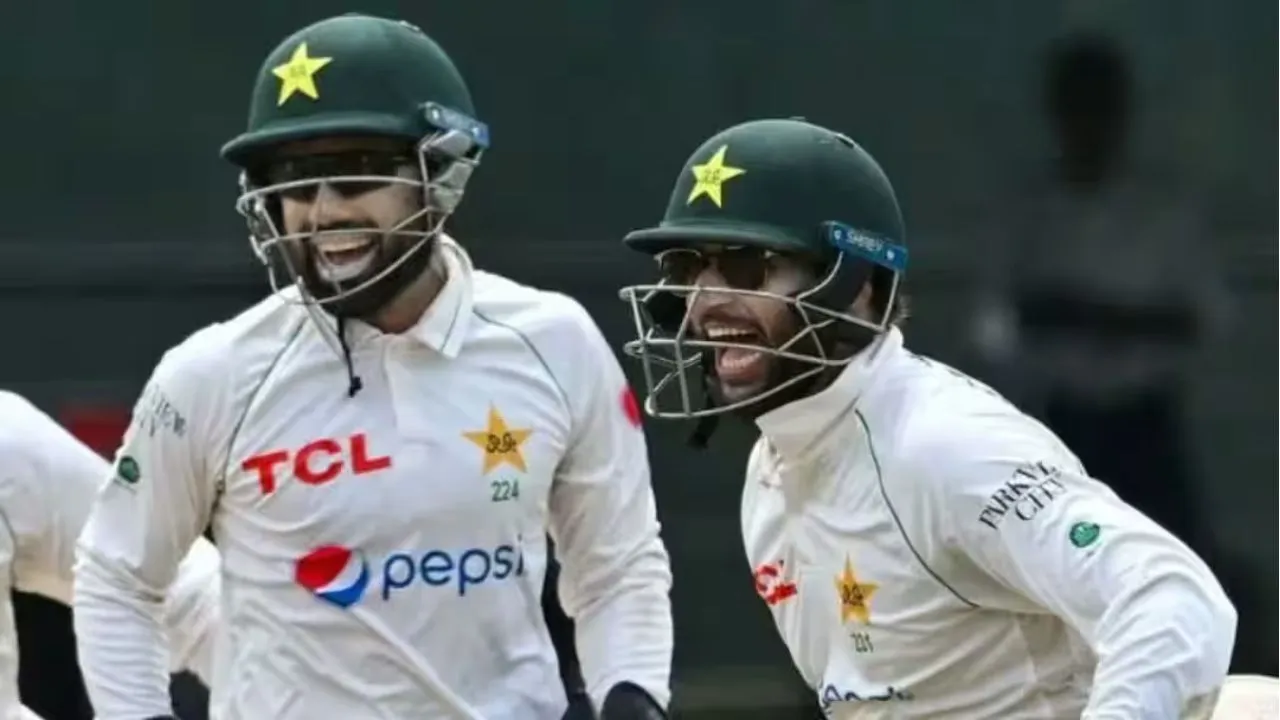
The investigation surrounding Pakistan’s star wicketkeeper-batsman Mohammad Rizwan and opening batter Imam-ul-Haq has entered a crucial phase, with initial forensic examinations of their mobile devices yielding no significant findings. This development offers a potential reprieve for both players amidst swirling allegations of information leaks and disciplinary concerns during Pakistan’s recent Test series in England. However, the inquiry is far from over, as authorities expand their probe into financial records and other digital footprints to uncover any hidden links or misconduct.
Background of the Controversy
The controversy erupted when the Pakistan Cricket Board (PCB) launched an internal investigation into allegations of leakages of dressing-room information and possible disciplinary breaches during the touring squad’s England stint. These claims, which gained momentum through media reports and insider sources, cast a shadow over team management and player conduct. To shed light on the matter, PCB authorities seized the mobile phones of Mohammad Rizwan and Imam-ul-Haq, two pivotal figures in Pakistan’s batting lineup, and handed them over to the National Cyber Crime Investigation Agency (NCCIA) for detailed forensic analysis.
Initial Forensic Findings: A Relief for Key Players
According to reports from reputable outlets such as UrduPoint and Geo News, the first forensic checks on Rizwan and Imam’s phones did not uncover any major evidence pointing to information leaks or misconduct. This preliminary result has been interpreted as a positive sign for the players, suggesting that no incriminating data was stored or transmitted via their devices. Nonetheless, authorities emphasize that this is merely the initial phase of a more extensive investigation.
The NCCIA, a specialized agency tasked with cybercrime investigations, is conducting a comprehensive review that includes deep technical analysis of the devices, recovery of deleted data, and cross-referencing digital footprints. The goal is to identify any subtle traces of information sharing, unauthorized communication, or other digital activities that could substantiate the allegations.
Broader Investigation: Financial and Digital Records
Beyond mobile forensics, investigators are casting a wider net by scrutinizing the financial and banking records of Mohammad Rizwan and Imam-ul-Haq. This move aims to detect any suspicious monetary transactions that might be linked to the alleged leaks or other irregularities. The NCCIA is meticulously examining bank statements, transaction histories, and other financial dealings during the tour period, seeking patterns or anomalies that could provide additional insights into the ongoing controversy.
Players’ Testimonies and Recent Developments
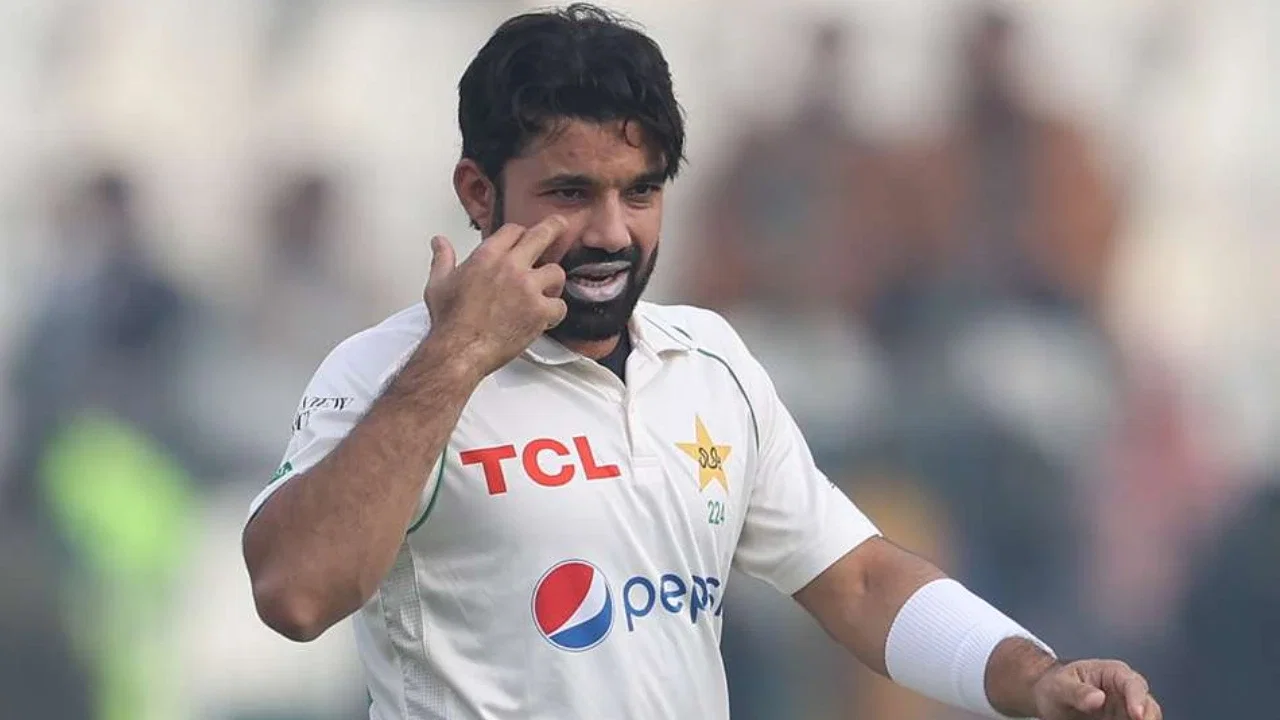
Both Rizwan and Imam-ul-Haq have appeared before the NCCIA in Lahore, where they faced several hours of questioning. During their testimonies, the players maintained their innocence and expressed their willingness to cooperate fully with investigators. Mohammad Rizwan, in particular, has raised pertinent concerns about the investigation process. He questioned why his mobile phone had not been returned after being seized by the PCB and subsequently handed over to the NCCIA, emphasizing transparency and fairness in the process.
Interestingly, Rizwan has also questioned the timing and scope of the investigation, seeking clarity on why he was summoned and whether there are any specific allegations against him. Such statements have sparked discussions within cricket circles about the transparency of the probe and its potential impact on the players’ careers.
Impact on Careers and Future Prospects
The ongoing investigation has already taken a toll on the careers of Rizwan and Imam-ul-Haq. Both players were excluded from Pakistan’s Test squad during the series in England, which Pakistan narrowly lost 3-0. Their absence has been attributed to disciplinary measures, but the investigation’s shadow lingers, raising questions about their future in the national team.
Rizwan, who has an impressive record across all formats—playing 47 Tests, 103 ODIs, and 106 T20Is—is currently out of the squad, and his participation in upcoming fixtures remains uncertain. The outcome of the forensic and financial investigations could significantly influence his and Imam-ul-Haq’s selection prospects moving forward.
Expert Insights and Broader Implications
The case highlights the increasing importance of cybersecurity, digital integrity, and financial transparency in modern cricket. As players become more digitally connected, the potential for information leaks and misconduct rises, prompting cricket boards worldwide to adopt stringent measures. The Pakistan Cricket Board’s decision to involve the NCCIA underscores the seriousness with which such allegations are treated in the digital age.
Cricket analysts suggest that this investigation serves as a wake-up call for players and management alike, emphasizing the need for clear communication protocols and digital security awareness. It also raises questions about the balance between privacy and accountability, especially when high-stakes allegations threaten reputations and careers.
Looking Ahead: What to Expect
While the initial forensic checks have provided some relief, officials have made it clear that the investigation remains active and expansive. The authorities are expected to continue their analysis over the coming weeks, potentially uncovering new evidence or clearing the players entirely of any wrongdoing.
Cricket fans and stakeholders are watching closely, eager to see whether the findings will substantiate the initial suspicion or exonerate Rizwan and Imam-ul-Haq. The outcome will not only influence their individual careers but could also impact Pakistan’s team dynamics and disciplinary standards moving forward.
Conclusion
The ongoing investigation into Mohammad Rizwan and Imam-ul-Haq underscores the evolving landscape of sports integrity, where digital and financial forensics play a crucial role. The initial results bring a sigh of relief for the players, but the broader inquiry continues to unravel the complex web of communications and transactions surrounding Pakistan’s cricketing setup. As the process unfolds, the cricketing world waits with bated breath, recognizing that prediction alone cannot determine the final outcome—only thorough investigation and transparent accountability will reveal the truth.
Stay tuned for further updates as this story develops, promising to reshape perceptions of discipline, transparency, and digital security in cricket’s modern era.
Latest News
“I hope I continue this confidence”: Nitish Kumar Reddy reflects on amazing comeback in Afghanistan series
Mohammad Rizwan writes to NCCIA, seeks clarity over questioning and seized mobile phone
Mohammad Rizwan, Imam-ul-Haq get big relief as phone forensic check finds no major evidence
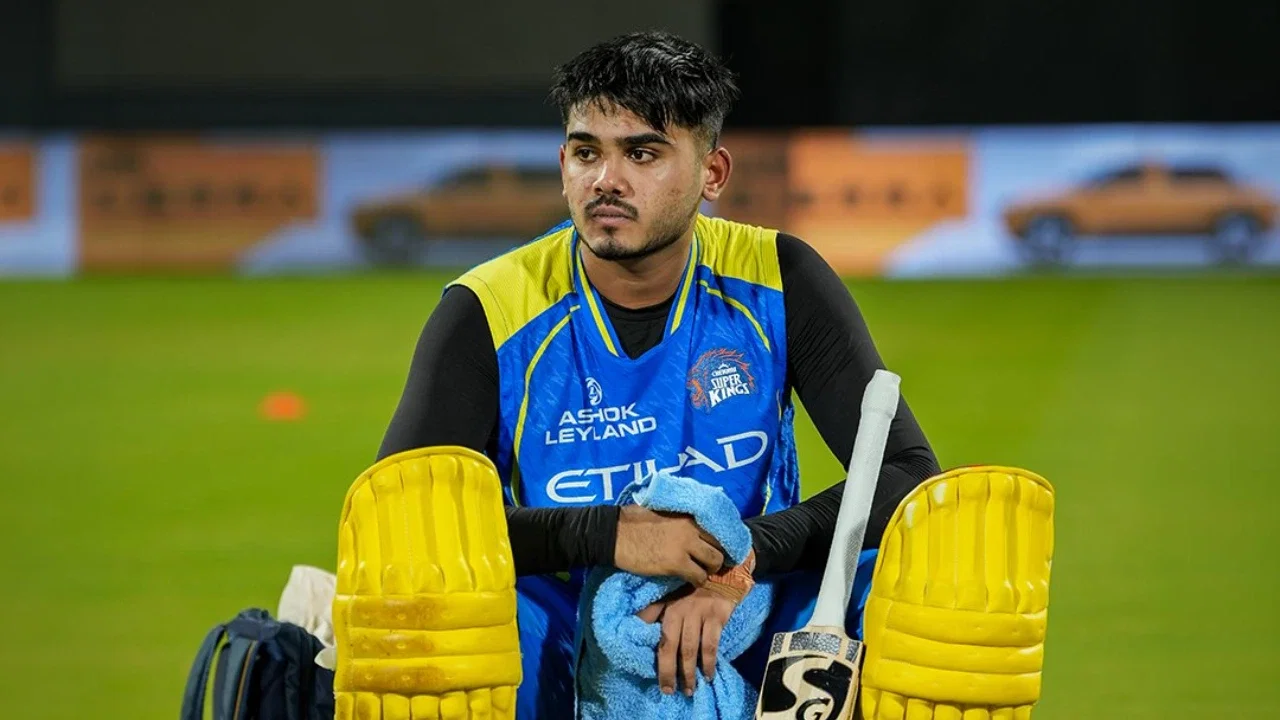
Ayush Mhatre suffers fresh setback, set to miss upcoming Irani Cup
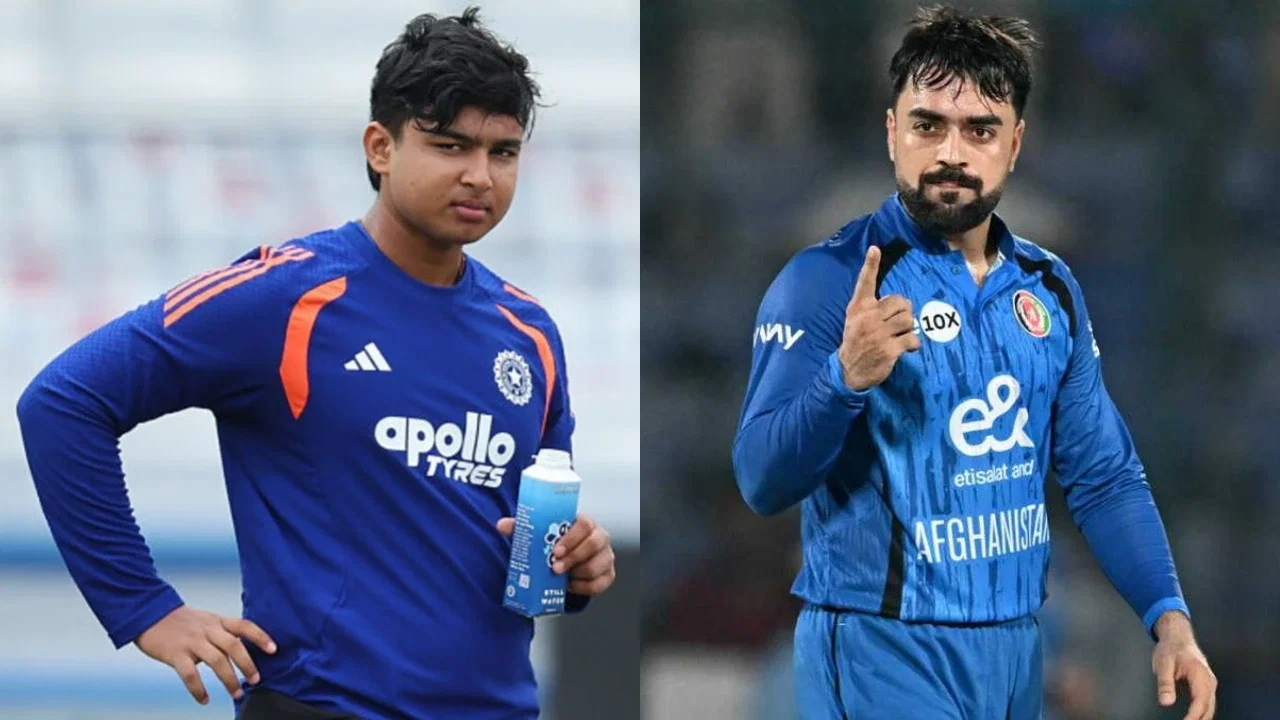
Rashid Khan reveals what makes Vaibhav Sooryavanshi dangerous at 15
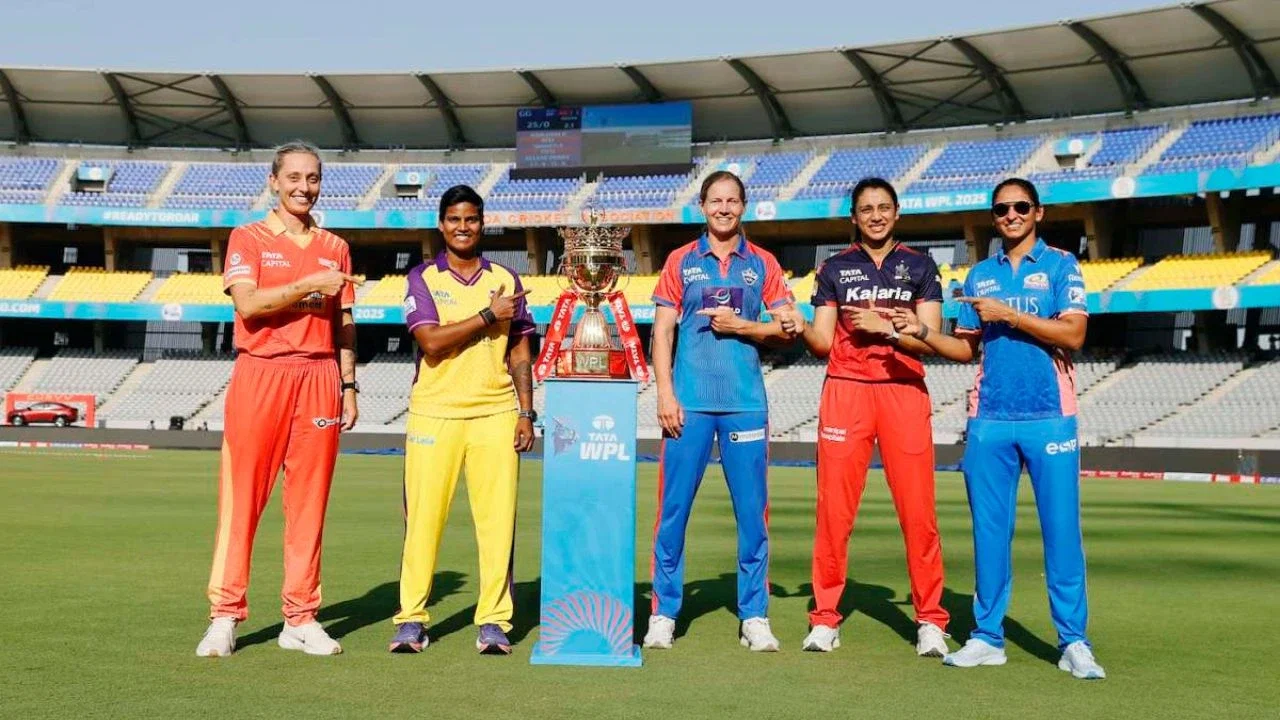
BCCI announces WPL 2027 dates, tournament to run from January 14 to February 7
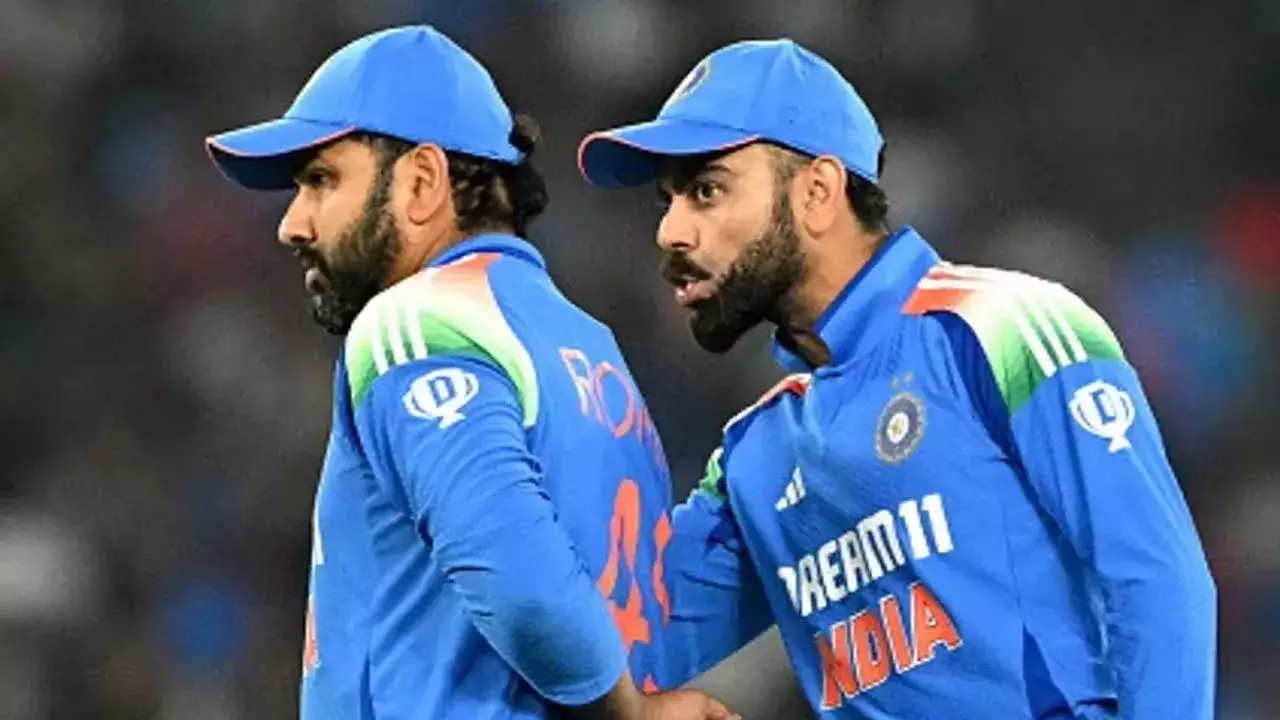
RCB star names Virat Kohli, Rohit Sharma among toughest batters to bowl against
GLG vs ADF Dream11 Prediction Today Match, Dream11 Team Today, Fantasy Cricket Tips, Playing XI, Pitch Report, Injury Update- European T20 Cup 2026, Match 28
PAK-W vs THAI-W Dream11 Prediction Today Match, My11Circle Prediction, Dream11 Team Today, Fantasy Cricket Tips, Playing XI, Pitch Report, Injury Update- Asian Games Women’s T20 2026, 2nd Quarter-final
Arun Dhumal opens up on hosting IPL 2027 auction in India
“Two of the best players ever”: Tymal Mills makes huge Virat Kohli, Rohit Sharma claim

“Nitish Kumar Reddy is a very fine prospect”: Sunil Gavaskar backs India star for bright future
Varun Chakravarthy ruled out of Asian Games 2026, DC spinner named as replacement
Watch: Harry Tector turns Superman, pulls off brillant catch in ETPL