Mohammad Rizwan, Imam-ul-Haq in trouble over reported dressing-room behaviour issues
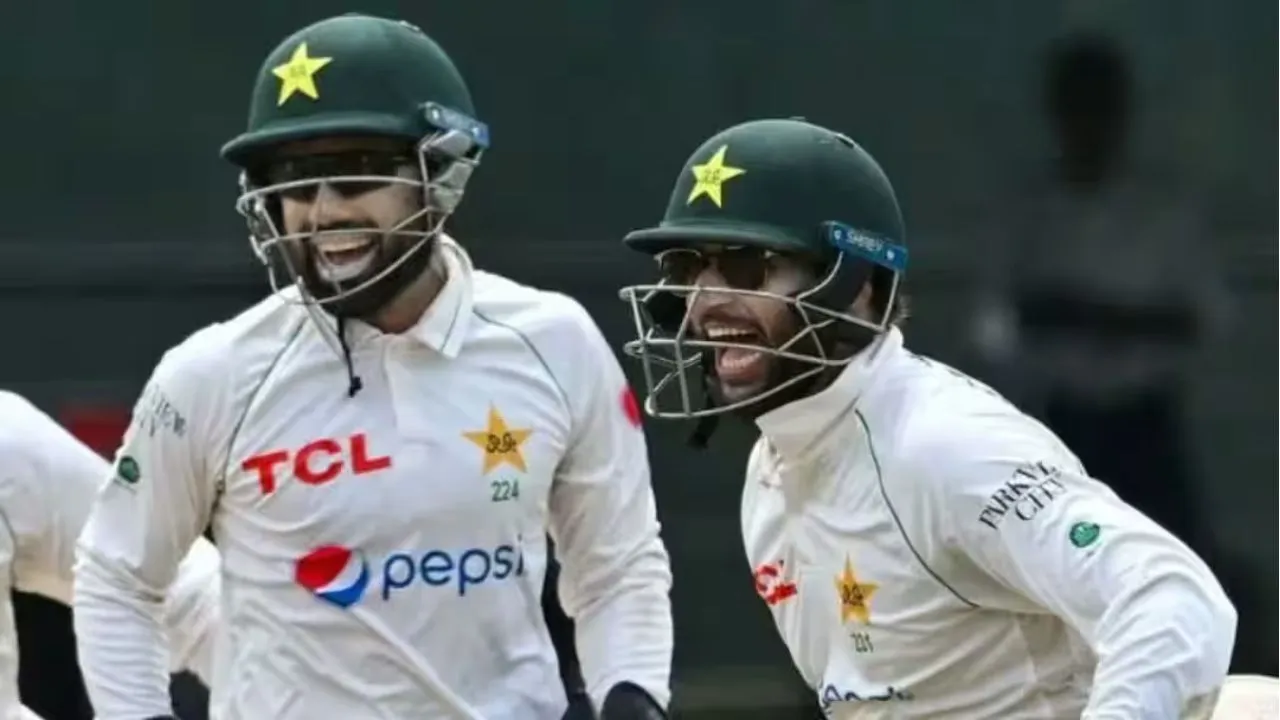
Pakistan Cricket Team Faces Turmoil Amid Behavioral Concerns and Performance Challenges During England Tour
The ongoing cricket tour of England has become a focal point for controversy and strategic upheaval within the Pakistan Cricket Board (PCB). Recent reports suggest that key players Mohammad Rizwan and Imam-ul-Haq have been sent back home from the tour, not merely due to their on-field performances but also owing to concerns over their conduct within the dressing room. This development marks a significant turning point in Pakistan’s cricketing journey, highlighting issues of discipline, team management, and future strategic planning.
Understanding the Context: Pakistan’s Challenging Series in England
Pakistan’s cricket team faced a tough start to their Test series against England, suffering consecutive defeats at Headingley and Lord’s. These losses have prompted a series of swift and impactful decisions from the PCB, signaling their desire to overhaul the team’s approach and maintain discipline within the squad. The initial setbacks also amplified the pressure on the team management to reassess their strategies and player selections for upcoming matches.
The series has been characterized not just by the results but also by the emerging issues behind the scenes that have influenced team composition and leadership decisions. The decision to release seven players, including seasoned players like Imam-ul-Haq and Mohammad Rizwan, underscores the importance the PCB places on discipline, team unity, and overall conduct during international tours.
Disciplinary Concerns and Behavioral Issues: The Core of the Decision
According to a report by PTI, the Pakistan Cricket Board’s decision to send Rizwan and Imam home was driven by behavioral concerns observed within the dressing room. The PCB’s management reportedly deemed their conduct during the tour to be detrimental to team harmony and discipline. This move is a rare but significant step, emphasizing the importance of professionalism and team unity in international cricket.
While both Rizwan and Imam are highly experienced and pivotal figures in Pakistan cricket, their recent performances and conduct have come under scrutiny. Rizwan, who scored a total of 61 runs across four innings, faced criticism for his shot selection during the Lord’s Test, which was seen as a lapse in judgment. Imam-ul-Haq, who did not get to bat in either innings due to a calf injury, also faced questions about his commitment, especially given the circumstances surrounding his injury and subsequent decision not to bat.
Additionally, Salman Ali Agha, who captained Pakistan during the first Test in Headingley in Babar Azam’s absence, was also released following his underwhelming performance in the second Test. These decisions collectively reflect the PCB’s stringent stance on discipline and performance standards, with the players expected to face further scrutiny before a designated committee to explain their conduct across the West Indies and England tours.
The Role of Interim Coach Mike Hesson and Squad Rebuilding
Interim head coach Mike Hesson, appointed after Pakistan’s disappointing start to the series, has played a pivotal role in reshaping the team’s composition. Hesson, a seasoned cricketing strategist from New Zealand, reportedly recommended the release of several players to facilitate a thorough evaluation of white-ball specialists who could potentially strengthen the Test squad in the future.
Hesson’s approach indicates a shift towards a more strategic and long-term view of Pakistan’s cricketing future. His focus on testing different combinations and exploring talent from the white-ball setup aims to build a more resilient and adaptable Test team. As he takes charge for the final Test at Edgbaston, there is a sense of cautious optimism about the team’s prospects and the possibility of a performance turnaround.
Leadership and Selection Committee Under Pressure
The recent upheaval has cast a spotlight on the Pakistan Cricket Board’s leadership and selection processes. Senior selector Aaqib Javed is reportedly under significant pressure, with reports suggesting he might lose his position amid ongoing disputes and dissatisfaction over selection decisions. Misbah-ul-Haq, another influential figure in Pakistan cricket’s management, has reportedly resigned from his role, although official confirmation remains pending.
The resignations and notices issued to members of the selection and advisory committees highlight a broader crisis within the PCB’s administrative framework. The inclusion of Rizwan and Imam in the squad despite internal disagreements has sparked controversy, prompting the board to seek explanations and potentially overhaul its selection policies. A new selection committee is expected to be announced after the conclusion of the England tour, signaling a possible fresh start for Pakistan cricket’s talent identification and team-building strategies.
Future Outlook: Prediction and Strategic Implications
Looking ahead, the current series and the associated controversies have significant implications for Pakistan’s cricketing future. The decision to send key players home may be viewed as a bold move to uphold discipline, but it also raises questions about team cohesion and the overall approach to player management. The prediction for the upcoming final Test at Edgbaston is cautiously optimistic—if the team can regroup and demonstrate unity, Pakistan might still salvage some pride from this series.
Moreover, the PCB’s focus on restructuring and the potential appointment of a permanent head coach like Mike Hesson could pave the way for a more disciplined and strategically sound Pakistan cricket team. This moment serves as a critical juncture—balancing performance, discipline, and long-term development will be key to restoring Pakistan’s competitiveness on the international stage.
Additional Insights: The Broader Impact on Pakistan Cricket
This episode underscores the broader challenges faced by Pakistan cricket, including talent management, disciplinary standards, and leadership stability. The controversy surrounding Rizwan and Imam reflects the high stakes involved in maintaining professionalism at the highest level of sport. Furthermore, the situation highlights the importance of cohesive team culture, especially in foreign conditions where unity can be a decisive factor.
In the context of prediction, experts suggest that Pakistan’s ability to stabilize the dressing room environment and make strategic decisions regarding player selection will determine their prospects in upcoming series, including the ICC World Cup and future Test engagements. The current upheaval, while challenging, could serve as a catalyst for positive change if managed effectively.
Conclusion: A Turning Point for Pakistan Cricket
The ongoing England tour has exposed underlying issues within Pakistan cricket, prompting bold decisions aimed at restoring discipline and focus. The decision to send Mohammad Rizwan and Imam-ul-Haq home over behavioral concerns exemplifies a zero-tolerance approach to team conduct, emphasizing the importance of professionalism in international cricket. As Pakistan looks to rebuild and strategize for the future, the coming weeks will be critical in shaping a resilient and unified team ready to face upcoming challenges.
Prediction remains cautiously optimistic—if the team management and PCB leadership can harness this moment for constructive change, Pakistan cricket could emerge stronger and more disciplined, poised to make a significant impact in future international competitions.
Latest News
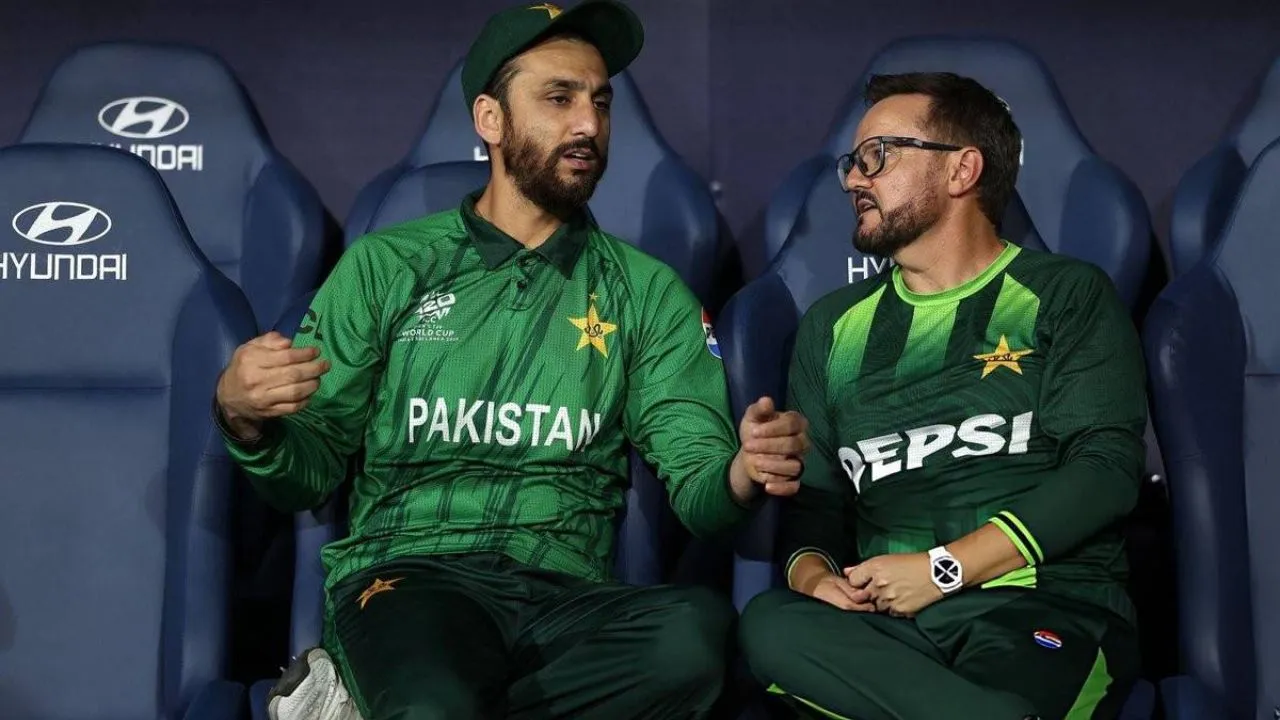
Mike Hesson addresses Salman Ali Agha’s absence from King Charles III meeting ahead of 3rd Test

BCCI may have to arrange own hotels for India teams at Asian Games 2026
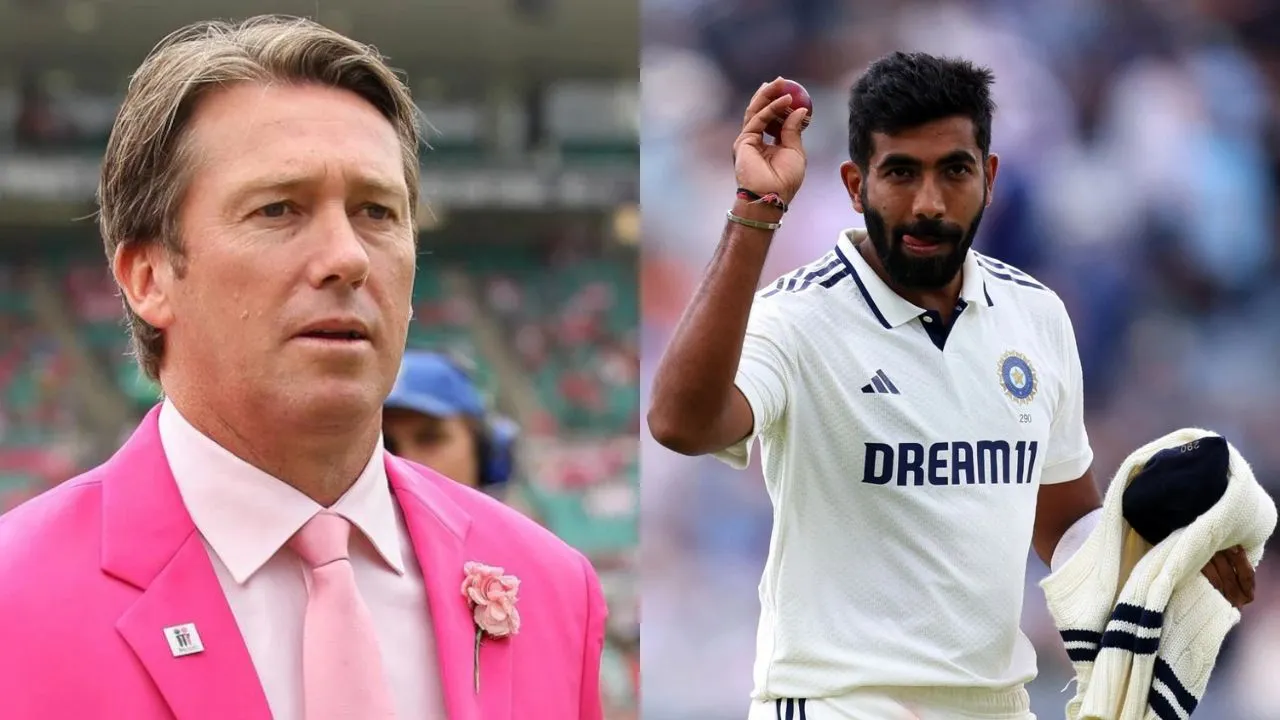
Jasprit Bumrah picked above Wasim, Steyn, Ambrose as Stuart Broad names his Top 10 Test bowlers
Mohammad Rizwan, Imam-ul-Haq in trouble over reported dressing-room behaviour issues
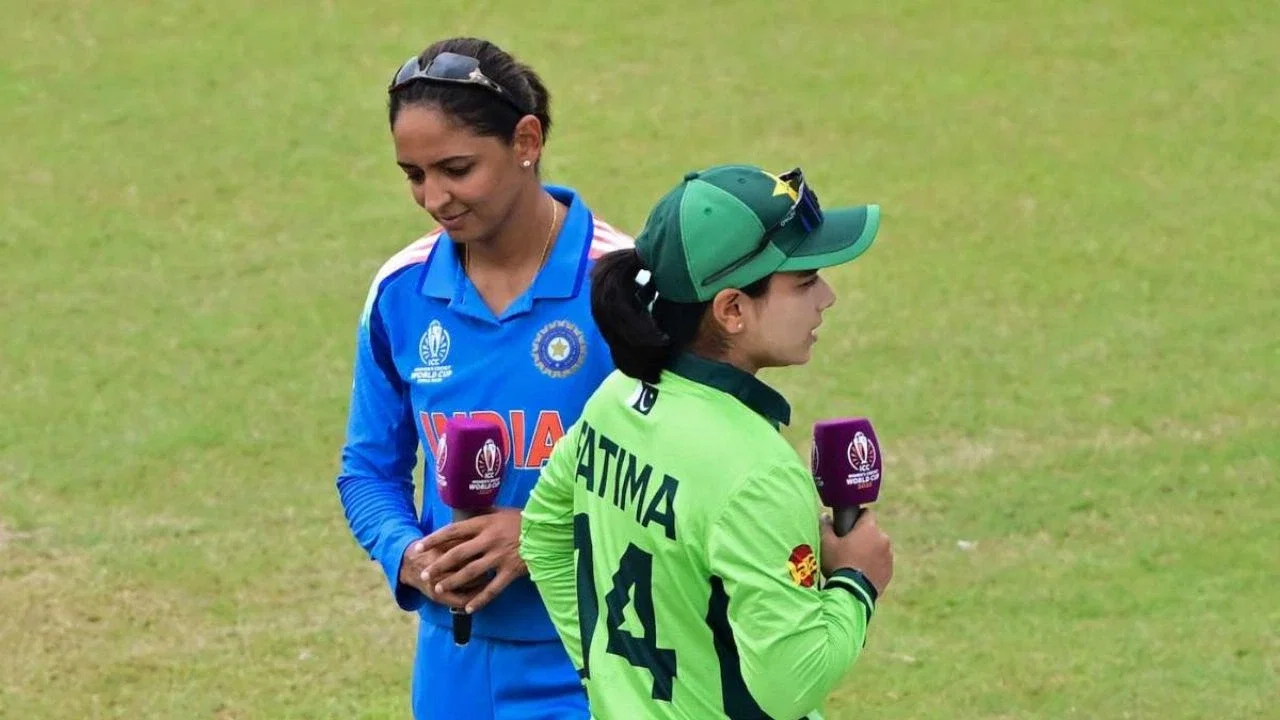
First cricketer! Harmanpreet Kaur creates world record with 150th T20I as captain
Pakistan Women beat India Women only once in Asia Cup history: Full details
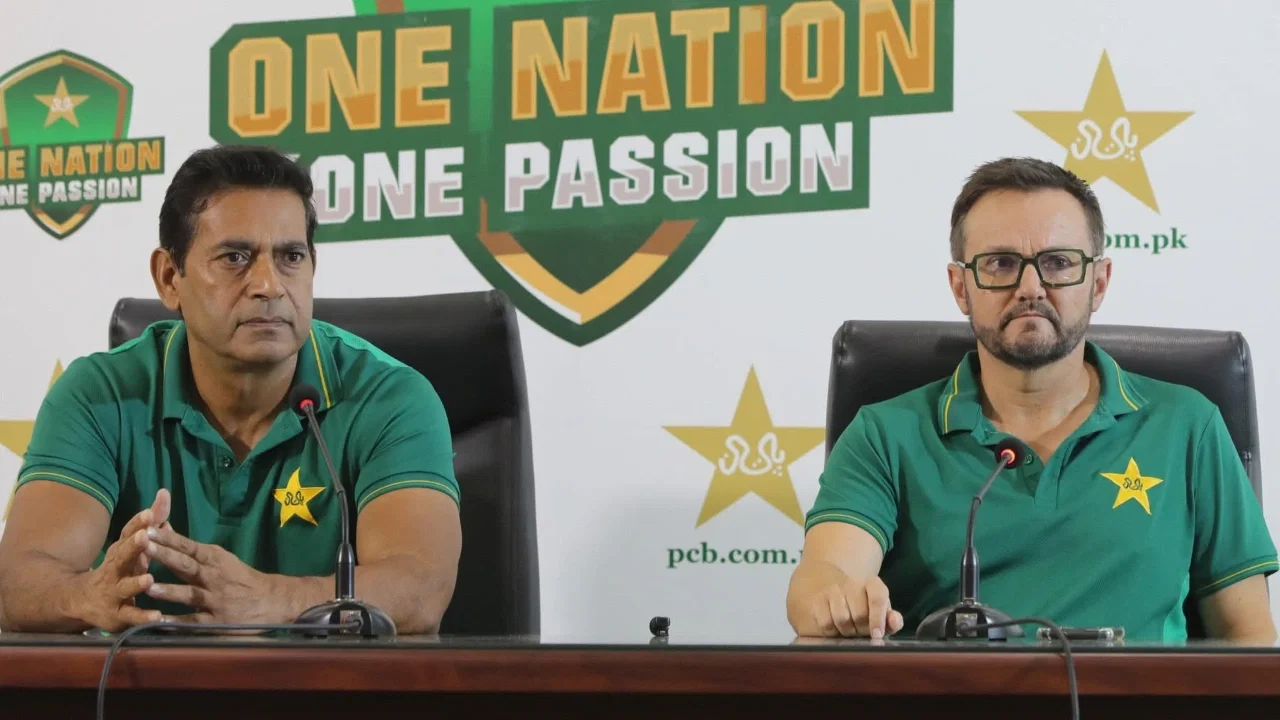
Aaqib Javed’s influence cut down as Mike Hesson gets bigger role in Pakistan cricket
PSL 2027: PCB faces scheduling dilemma as broadcasters and franchises want different windows

BBL 2026-27: Brisbane Heat sign Tom Curran; Marcus Stoinis transfer gets blocked
Cricket or T20? Ricky Ponting wants major rebranding to win over American fans
Suresh Raina names Rishabh Pant as his favorite player, backs him to return to India’s white-ball teams

BAR-W vs TKR-W Dream11 Prediction Today Match, My11Circle Prediction, Dream11 Team Today, Fantasy Cricket Tips, Playing XI, Pitch Report, Injury Update- WCPL 2026, Match 1
Mohammed Shami set to join elite Indian list with 100th First-Class appearance
Lhuan-dre Pretorius sets new record, becomes youngest centurion in T20Is