Mohammad Yousuf backs PCB’s mass-sacking policy amid Pakistan cricket crisis
Analyzing Pakistan Cricket’s Downfall: Insights from Mohammad Yousuf on the Turning Point and Future Predictions
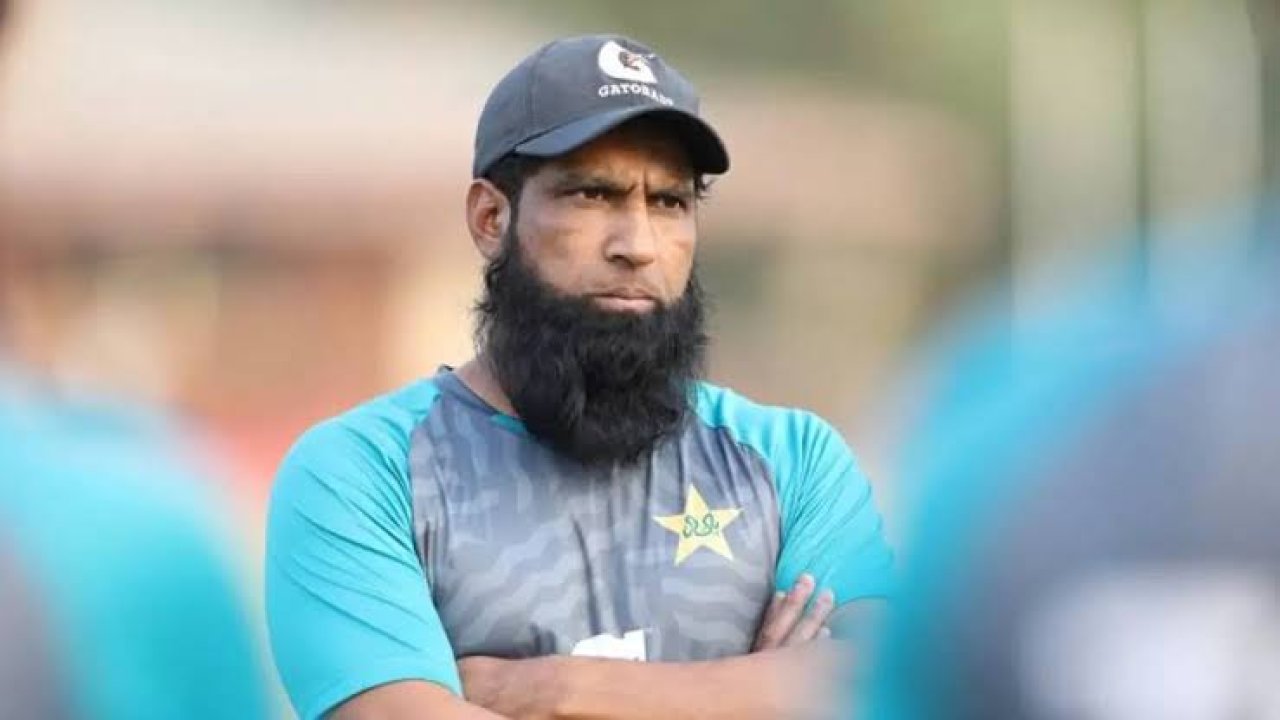
Pakistan cricket has recently been embroiled in a tumultuous phase, marked by disappointing results, internal upheavals, and a search for direction. Former Pakistani cricket legend Mohammad Yousuf has offered a compelling and somewhat controversial perspective on the root causes of this downward spiral. His prediction and analysis delve into the pivotal moment that, in his view, set Pakistan cricket on a trajectory of decline, with implications that extend into the future of the sport in the country.
The 2021 T20 World Cup Victory: A Turning Point or a False Dawn?
To understand the current crisis, it’s essential to look back at the defining moments of recent Pakistani cricket history. Yousuf recalls the extraordinary victory over India in the 2021 T20 World Cup as a key turning point—an event that, paradoxically, may have contributed to the team’s subsequent struggles. That match, which Pakistan won convincingly, was celebrated as a historic achievement, igniting national pride and boosting confidence within the squad.
However, Yousuf suggests this triumph may have inadvertently led to overconfidence among the players and management. In his analysis, the victory created a false sense of security, making the team complacent and disconnected from the hard work and discipline necessary for sustained success. He articulates that such psychological shifts can have long-term repercussions, influencing team dynamics, strategic planning, and player motivation.
From Confidence to Crisis: The Prediction of a Downward Spiral
Yousuf’s prediction is that the overconfidence following the 2021 win was a crucial factor that derailed Pakistan’s cricketing progress. He emphasizes that success must be tempered with humility and continuous effort—traits that, if lost, can lead to decline. His prediction highlights a pattern observed in many sports teams worldwide, where a single victory, if not managed carefully, can lead to overestimation and complacency.
In recent times, Pakistan’s cricket team has struggled across formats, with poor performances in ICC events, including the T20 World Cup, the ODI World Cup, and regional tournaments. This decline has prompted the Pakistan Cricket Board (PCB) to implement drastic measures—ranging from reshuffling coaching staff to snubbing seasoned players—in an effort to reverse the trend. Yet, the question remains: are these changes enough to alter the course of Pakistan cricket?
Recent Turmoil: The Impact of Back-to-Back Defeats and Management Changes
Recent losses against England have only compounded the crisis, leaving the team in a state of chaos. The PCB’s decision to remove seven players from the squad and overhaul the coaching setup was met with mixed reactions. While critics argue that such moves are reactionary and disruptive, Mohammad Yousuf views these steps as necessary interventions aimed at instilling accountability and fresh motivation.
He points out that the team’s underperformance is symptomatic of deeper issues—lack of leadership, inconsistent performances, and the inability to adapt to the evolving demands of international cricket. The upcoming match against England is seen as a crucial opportunity for Pakistan to demonstrate resilience and possibly turn the tide, but the road ahead remains challenging.
Yousuf’s Perspective: The Root Cause and the Path Forward
Breaking down the problem, Yousuf underscores that Pakistan cricket has been in a slump for several years, with results across all formats falling below expectations. From batting collapses to ineffective bowling, the cracks are evident. Despite numerous coaching changes and strategic adjustments, the team has failed to produce consistent performances.
So, what is the main issue? Yousuf’s candid assessment points to a lack of responsibility and leadership within the squad. He asserts that many players have been more focused on personal milestones or captaincy ambitions rather than team success. This lack of collective responsibility has hindered progress and created a culture of inconsistency.
Support for PCB’s Reforms and the Future Prediction
While some critics have lambasted the PCB for its frequent squad reshuffles and coaching changes, Yousuf offers a different perspective. He supports the PCB’s efforts to shake up the system, arguing that it is a necessary step to shake off the complacency and bring about accountability. According to him, no player has yet stepped up to fill the leadership void, and the reforms are an attempt to catalyze this process.
Looking ahead, Yousuf’s prediction is cautiously optimistic. He believes that with the right mindset, disciplined approach, and strong leadership, Pakistan can still recover and regain its stature in international cricket. However, he warns that unless the team internalizes lessons from past failures—particularly the overconfidence post-2021 victory—future predictions will remain bleak.
Additional Context: The Broader Impact on Pakistan Cricket
The recent turmoil reflects a broader challenge faced by Pakistan cricket: balancing the youthful enthusiasm of emerging talent with seasoned experience. The country’s cricketing culture has historically been passionate but sometimes lacking strategic patience. As the PCB tries to rebuild, it must focus not only on selecting talented players but also on nurturing resilient, disciplined leaders who can carry the team forward.
Furthermore, the prediction of a decline serves as a wake-up call for stakeholders—players, coaches, administrators, and fans alike—to reassess priorities. Developing a sustainable cricketing ecosystem that emphasizes mental toughness, teamwork, and humility is crucial for reversing the current trend.
Conclusion: The Road to Redemption and Long-Term Prediction
In summary, Mohammad Yousuf’s analysis offers a nuanced understanding of Pakistan cricket’s recent struggles. His prediction underscores that the turning point—initially seen as a victory—may have inadvertently set the stage for long-term decline if lessons are not learned. The emphasis on humility, responsibility, and strategic planning remains vital for future success.
As Pakistan prepares for its upcoming matches, the hope is that the team can learn from past mistakes, embrace a disciplined approach, and restore its cricketing glory. The prediction remains that with proper leadership and a focus on long-term development, Pakistan cricket can rise again—transforming setbacks into stepping stones for a brighter future.
Ultimately, the key to reversing the current decline lies in understanding that success in cricket, as in any sport, demands more than just talent—it requires humility, resilience, and a collective commitment to excellence. The prediction is clear: if Pakistan can internalize these lessons, the future of Pakistani cricket remains promising.
Latest News

Ishan Kishan’s GF shares heartfelt message after keeper-batter’s Duleep Trophy century
India’s Test Schedule vs England, Australia Revealed Till 2031

Shree Charani reveals India’s secret plan after Pakistan’s 55-run collapse

Arlene Kelly announces international retirement after England series
Ishan Kishan continues amazing form, smashes hundred in Duleep Trophy final

Sai Kishore picks 5-wickets for just 6 runs as Gloucestershire crush Derbyshire

Watch: Mohammed Siraj sledges Ishan Kishan, targets him with bouncers in Duleep Trophy

Ajit Agarkar attends Duleep trophy 2026 final after skipping BCCI meeting
EX-RCB opener names better options than Sanju Samson for India’s ODI World Cup squad

Rajat Patidar reveals how Virat Kohli helped him become RCB captain
Mohammad Yousuf backs PCB’s mass-sacking policy amid Pakistan cricket crisis
India vs Pakistan Head-to-Head: Complete Record Across World Cups, Asia Cup & More

Imam-ul-Haq ‘Fake Injury’ Row: Basit Ali demands legal action; Saeed Ajmal criticizes PCB
India vs Pakistan No-Handshake Saga: Complete Timeline Since 2025