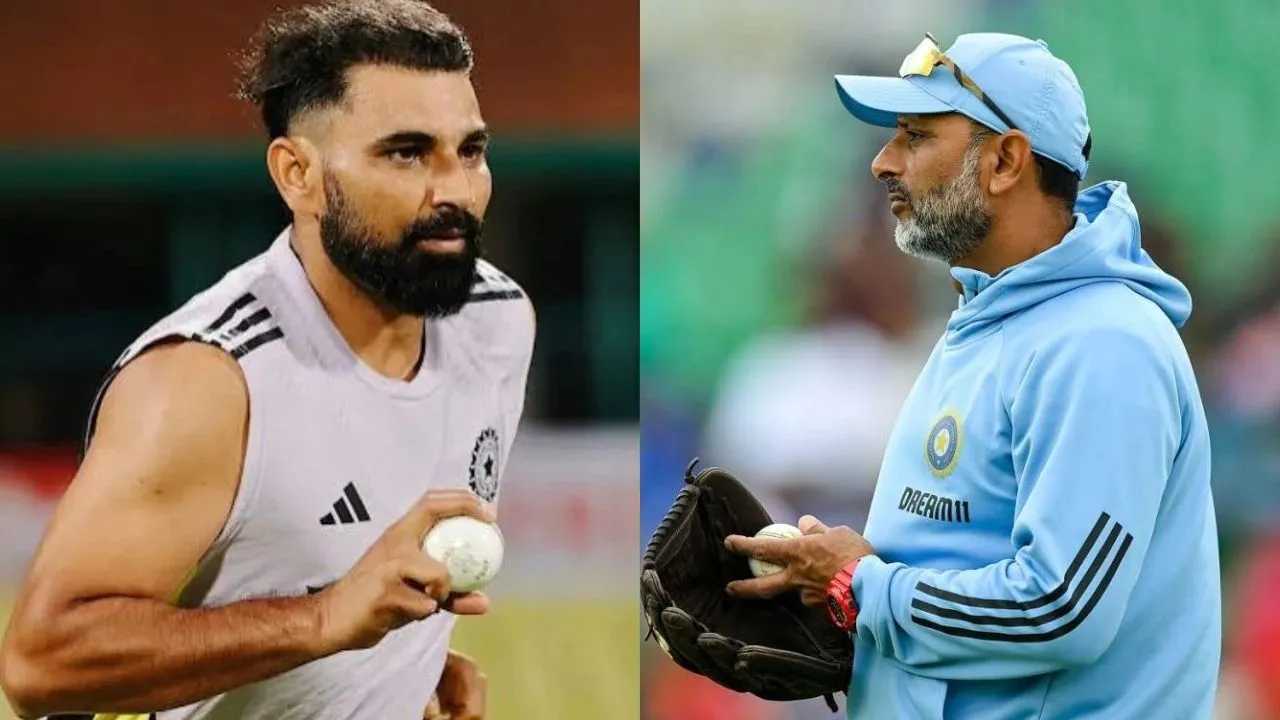
Mohsin Naqvi and trophy drama 2.0 on cards at Women’s Asia Cup 2026 Final
Prediction: Will the Women’s Asia Cup 2026 Final Witness a Trophy Presentation Controversy Similar to Last Year?
The upcoming Women’s Asia Cup 2026 has already set the stage for what could be a repeat of last year’s dramatic trophy presentation saga. With the final scheduled for September 13, speculations are rife over whether the Indian women’s cricket team, led by captain Harmanpreet Kaur, will accept the trophy from Mohsin Naqvi, the President of the Asian Cricket Council (ACC), who also heads the Pakistan Cricket Board (PCB) and holds the position of Interior Minister in Pakistan.
This situation echoes the tense atmosphere of the 2025 Men’s Asia Cup, where India’s cricket team refused to accept the trophy from Naqvi after their victory over Pakistan. The incident not only spotlighted the intense rivalry between the two cricket powerhouses but also underscored the political and diplomatic tensions that often spill over into sporting events. The question now is: Will history repeat itself in the women’s tournament, and what are the broader implications of such a decision?
The Expected Presence of Mohsin Naqvi at the Women’s Asia Cup Final
According to reports from Geo Super and other credible sources, Mohsin Naqvi is slated to attend the Women’s Asia Cup 2026 final as the chief guest for the closing ceremony. His attendance has already ignited debates among cricket fans, sports analysts, and diplomatic circles about the potential for a repeat of last year’s trophy drama. If India reaches the final and emerges victorious, the presentation of the trophy by Naqvi could become one of the most talked-about moments of the tournament.
In cricket, the trophy presentation is a moment of celebration and sportsmanship, symbolizing respect for the game and its champions. However, in politically sensitive contexts, it can also become a flashpoint. The Indian cricket team, renowned for their pride and national identity, might face a difficult choice: accept the trophy from Naqvi, whose political and administrative roles are intertwined with complex India-Pakistan relations, or refuse to accept it, risking further diplomatic tension.
Historical Context: The 2025 Men’s Asia Cup Trophy Controversy
The previous edition of the Asia Cup was marred by controversy. India’s men’s cricket team, captained by Suryakumar Yadav, refused to accept the trophy from Mohsin Naqvi after winning the final against Pakistan at the Dubai International Cricket Stadium. The refusal was fueled by political tensions, especially following the Pahalgam terror attack, which heightened India-Pakistan hostilities and cast a shadow over the sporting event.
During the post-match ceremony, Naqvi was present but faced protests from the Indian players. The trophy presentation was delayed by over an hour, and ultimately, India’s team celebrated their victory without taking the trophy from Naqvi. The trophy remained at the ACC office in Dubai, symbolizing the unresolved tensions between the two nations. This incident remains a stark reminder of how cricket, despite being a sport, often mirrors political conflicts.
The Significance of the Prediction: Will the Women’s Team Follow Suit?
While the Indian women’s cricket team has a strong chance of winning the Women’s Asia Cup 2026, given their unbeaten record in the tournament so far under Harmanpreet Kaur’s leadership, the question remains: will they follow the same path as their male counterparts and refuse to accept the trophy from Naqvi?
India’s women’s team has shown resilience and a fierce competitive spirit, having defeated formidable opponents like Thailand, Hong Kong, and Pakistan in the group stages. Their recent victory over Pakistan by seven wickets, where they bowled out Fatima Sana’s team for just 55 runs, underscores their dominance in the tournament. As the competition heats up and the final approaches, all eyes are on whether diplomatic sensitivities will influence the trophy presentation ceremony.
Broader Implications for Cricket Diplomacy and International Relations
The potential for a trophy presentation controversy at the Women’s Asia Cup 2026 extends beyond cricketing protocols; it touches on international diplomacy and the broader narrative of sports as a platform for peace and diplomacy. Historically, cricket has been both a unifying force and a flashpoint for political tensions, especially in South Asia.
If the Indian women’s team chooses to decline accepting the trophy from Naqvi, it could send a powerful message about the intersection of sports and politics. Conversely, accepting the trophy without protest might be viewed as a step toward diplomacy, but it also risks undermining the sentiments of players and fans who see the trophy as a symbol of national pride and sovereignty.
Expert Predictions and Possible Outcomes
Experts and cricket analysts are divided in their predictions. Some believe that the Indian team, led by Harmanpreet Kaur, will opt for a diplomatic stance and accept the trophy, especially considering the importance of sportsmanship and international goodwill. Others predict that the team might choose to follow the precedent set in 2025, emphasizing the need for political neutrality in sporting events.
Furthermore, the role of the Asian Cricket Council and its leadership in navigating this sensitive situation will be crucial. The organization’s response could influence future cricket diplomacy efforts and set a precedent for handling politically charged moments during major tournaments.
Conclusion: A Pivotal Moment for Women’s Cricket and Sports Diplomacy
The upcoming Women’s Asia Cup 2026 final is more than just a cricket match; it’s a reflection of the ongoing geopolitical challenges faced by South Asian nations. The prediction of a trophy presentation controversy underscores the delicate balance between sportsmanship and political realities.
As the world watches, the decisions made by Harmanpreet Kaur’s team and the organizers could shape the future of cricket diplomacy, demonstrating whether sport can serve as a bridge for peace or remain a battleground for political contention. Regardless of the outcome, this event is poised to become a defining moment in the history of women’s cricket, highlighting the sport’s power to inspire dialogue and understanding amid complex geopolitical landscapes.
Additional Context: The Growing Influence of Women’s Cricket
Beyond the drama surrounding the trophy, the Women’s Asia Cup 2026 signifies the increasing prominence and recognition of women’s cricket globally. With rising viewership, expanding sponsorships, and greater media coverage, women’s cricket is carving out its rightful place on the international stage.
India, as a cricket giant with a passionate fan base, is at the forefront of this movement. Their performance in the tournament, combined with the potential for a politically charged trophy presentation, highlights both the progress and challenges faced by women cricketers in asserting their identity and independence on the field.
Final Thoughts
As predictions about the Women’s Asia Cup 2026 unfold, one thing is clear: sports remain intertwined with politics, history, and national pride. The outcome of the trophy presentation—whether it becomes a symbol of resilience or controversy—will resonate well beyond the cricket field. It will serve as a reminder of how sport can reflect broader societal issues and the importance of diplomacy, respect, and sportsmanship in the world of international cricket.
Stay tuned for updates as the tournament progresses, and prepare for what promises to be a historic conclusion to the Women’s Asia Cup 2026.
Latest News
Top 10 highest run-chases in T20 cricket history, ft. West Indies’ Ranchi win vs India
Aaryavir Sehwag and Anvay Dravid set to make headlines at U19 Asia Cup 2026
Longest ducks in Test cricket history ft. Nic Maddinson, Shoaib Akhtar

ECB to offer 39 central contracts to England players after Ben Stokes, Mark Wood’s retirement
Steve Smith surpasses Steve Waugh in all-time Test run-scorers’ list

Shane Watson identifies Gautam Gambhir’s biggest problem as India struggle for consistency
Is Bhuvneshwar Kumar in India’s 2027 World Cup plans? Ajinkya Rahane makes revelation
BCCI’s big ₹127 Crore move after injury crisis raises concerns over Team India
Parthiv Patel reveals RCB ignored his Jasprit Bumrah recommendation in IPL 2014 Auction
“Never spoke ill of any faith”: Irfan Pathan hits back at fake news using his name
Nic Maddinson bags 33-ball duck on Test comeback, disappoints George Bailey
Imran Tahir predicts 2027 ICC ODI World Cup Semi-Finalists, snubs India for title
Australia create unwanted history with first all-30-plus Test XI
Ravindra Jadeja returns to Ranji Trophy as Saurashtra announce squad