Mohsin Naqvi refuses to budge after India Women’s Asia Cup 2026 trophy snub
Controversy Erupts at Women’s Asia Cup 2026 Final: Prediction and Tensions Over Trophy Presentation
The culmination of the Women’s Asia Cup 2026 was marred by a highly charged controversy involving the Indian cricket team, the Asian Cricket Council (ACC), and Pakistan’s Interior Minister, Mohsin Naqvi. The incident, which unfolded immediately after India’s commanding 72-run victory over Sri Lanka, has ignited debates about sportsmanship, diplomatic tensions, and the role of cricket in fostering or straining regional relations.
Unfolding of the Trophy Controversy: A Closer Look
In a dramatic turn of events, the Indian women’s cricket team, led by captain Harmanpreet Kaur, refused to accept the winners’ trophy from Mohsin Naqvi, the ACC chairman and Pakistan’s Interior Minister. This echoes last year’s incident involving the men’s teams, where similar tensions led to the players declining the trophy presentation from Naqvi. The stand taken by the Indian team was a clear protest, rooted in ongoing diplomatic and sporting disagreements, especially with regard to Pakistan and issues surrounding cricket diplomacy.
The controversy was not entirely unexpected. According to a report by Geo News, a prominent Pakistani media outlet, Naqvi was reportedly informed of India’s decision prior to the trophy presentation. Despite this knowledge, he persisted in attempting to present the trophy himself, leading to a stand-off that lasted approximately 90 minutes. Ultimately, the Indian players chose to leave the ceremony without collecting the trophy, asserting their stance against what they viewed as an unacceptable gesture from Naqvi.
Reactions and Official Statements
While India’s women’s team did not receive the trophy on the field, Sri Lanka’s captain, Chamari Athapaththu, graciously accepted the runners-up prize money and medals from Naqvi. The Asian Cricket Council issued a statement affirming that the trophy remains available for the Indian team to collect, but only from Naqvi himself. This stipulation has further fueled speculation and debate about the underlying motives and the future of cricket diplomacy in the region.
Sources within the ACC confirmed, “The trophy Mohsin Naqvi refuses to hand over after the Women’s Asia Cup 2026 final is still available for the Indian team. The same applies to the Men’s Asia Cup 2025 trophy, which remains uncollected. Our position remains unchanged.” This stance underscores the ongoing diplomatic and sporting tensions, and the unwillingness of authorities to compromise on protocol or symbolism involved in trophy presentations.
The Past and Present of Trophy Disputes
This controversy isn’t isolated. Last year, similar issues arose during the Men’s Asia Cup, where Naqvi reportedly offered India a chance to collect the trophy from his office, but only if he personally handed it over during a formal ceremony. Despite some temporary shifts in his demands, the core issue persisted: the Indian team was expected to visit Naqvi’s office to accept the trophy—a demand that BCCI officials strongly rejected.
India’s refusal to accept Naqvi’s conditions continues to be a defining aspect of this ongoing saga. The BCCI has maintained a firm stance, emphasizing that the team’s focus remains on cricketing excellence rather than diplomatic gestures dictated by political figures. The latest reports indicate that Naqvi’s position remains unchanged, with the expectation that the trophy will only be handed over under conditions unacceptable to India.
Political Undertones and Diplomatic Implications
The controversy extends beyond the cricket field, reflecting broader geopolitical tensions between India and Pakistan. Since May 2025, when diplomatic relations strained further, Indian players have adopted a cautious stance, notably avoiding handshakes and engaging in formalities with Pakistani counterparts. This pattern continued during the Women’s Asia Cup, signaling the deep-seated nature of the diplomatic rift.
Prime Minister Narendra Modi congratulated the Indian women’s team for their victory, emphasizing the importance of sportsmanship and unity. However, the trophy dispute has overshadowed the achievement, raising questions about the role of cricket as a diplomatic tool and whether such controversies hinder the sport’s potential to foster peace and understanding in South Asia.
Prediction and Future Outlook: What’s Next?
Looking ahead, experts predict that this trophy controversy could set a precedent for future sporting events involving India and Pakistan. The ongoing stand-off suggests that unless there is a significant diplomatic breakthrough, such incidents may continue to mar the spirit of competition and mutual respect in cricket tournaments across Asia.
Cricket analysts and regional observers anticipate that the ACC and ICC might need to intervene to establish clearer guidelines on trophy presentations, ensuring that sportsmanship prevails over political disputes. The prediction remains that unless diplomatic relations improve, similar incidents could recur, potentially impacting the integrity and unity of multi-national tournaments in the region.
Expert Opinions and Industry Analysis
Amol Muzumdar, head coach of India’s women’s cricket team, publicly stated that the team’s decision to decline the trophy was made collectively by the BCCI. In a post-match press conference, he remarked, “That stand has been taken by BCCI, and we stand by it. For us, this tournament is over; we are the champions. It was on the big board that India is the champion of the Asia Cup 2026. This tournament is officially over for us. We’re happy with our victory and are focusing on next steps, including the Asian Games.”
His comments highlight the importance of maintaining the team’s integrity and focus amid political tensions. Many sports analysts agree that while the trophy dispute is rooted in diplomatic issues, the core of the matter remains a broader debate about the role of politics in sports and the prediction of future conflicts based on current diplomatic trajectories.
Conclusion: A Reflection of Broader Regional Dynamics
The Women’s Asia Cup 2026 final has become a symbol of the complex interplay between sports, politics, and regional diplomacy. The prediction that similar controversies could continue hinges on whether political tensions between India and Pakistan diminish or escalate further. For cricket fans and regional stakeholders alike, the hope remains that sport will bridge divides rather than deepen them, fostering mutual respect and understanding—goals that are ultimately the true spirit of international competitions.
As stakeholders await potential resolutions, the incident serves as a poignant reminder that behind the scoreboard and trophies lie deeper issues influencing the game’s future in South Asia. The hope is for a future where sporting achievements are celebrated without political strings, and the prediction remains that the pursuit of peace through cricket must continue to be a shared goal for all involved.
Latest News
Top 10 highest run-chases in T20 cricket history, ft. West Indies’ Ranchi win vs India
Aaryavir Sehwag and Anvay Dravid set to make headlines at U19 Asia Cup 2026
Longest ducks in Test cricket history ft. Nic Maddinson, Shoaib Akhtar
ECB to offer 39 central contracts to England players after Ben Stokes, Mark Wood’s retirement
Steve Smith surpasses Steve Waugh in all-time Test run-scorers’ list
Shane Watson identifies Gautam Gambhir’s biggest problem as India struggle for consistency
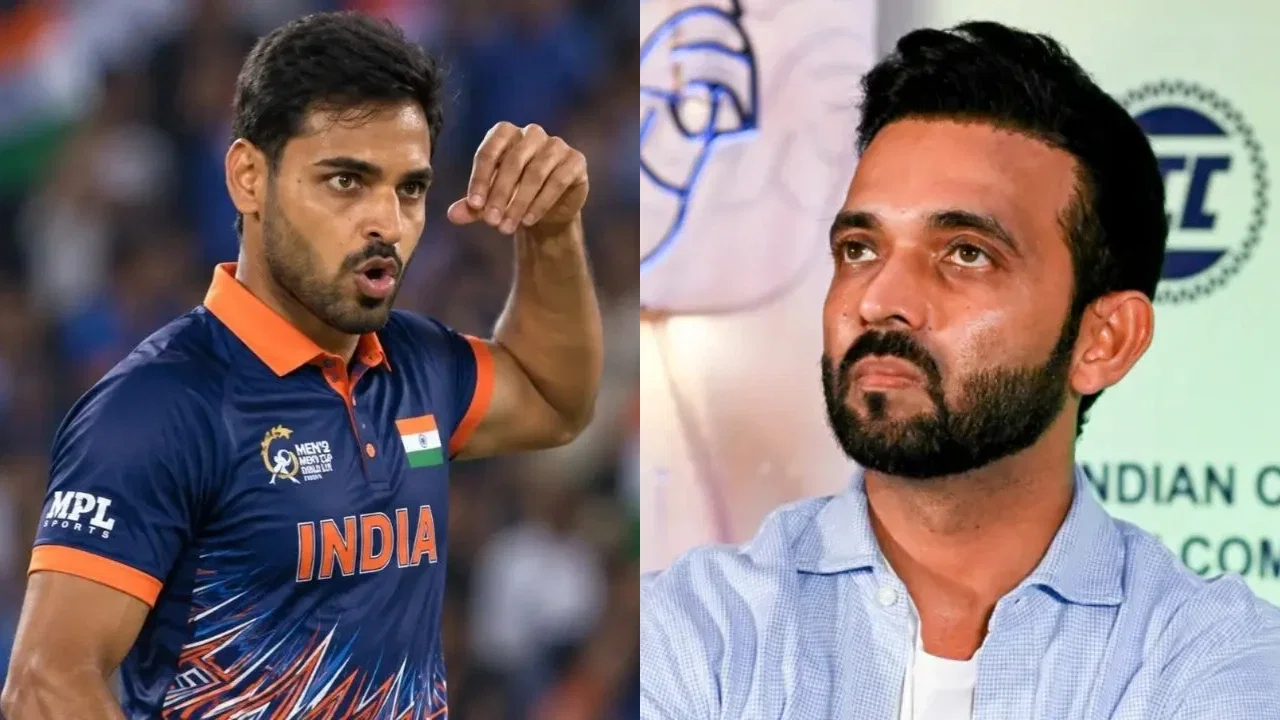
Is Bhuvneshwar Kumar in India’s 2027 World Cup plans? Ajinkya Rahane makes revelation
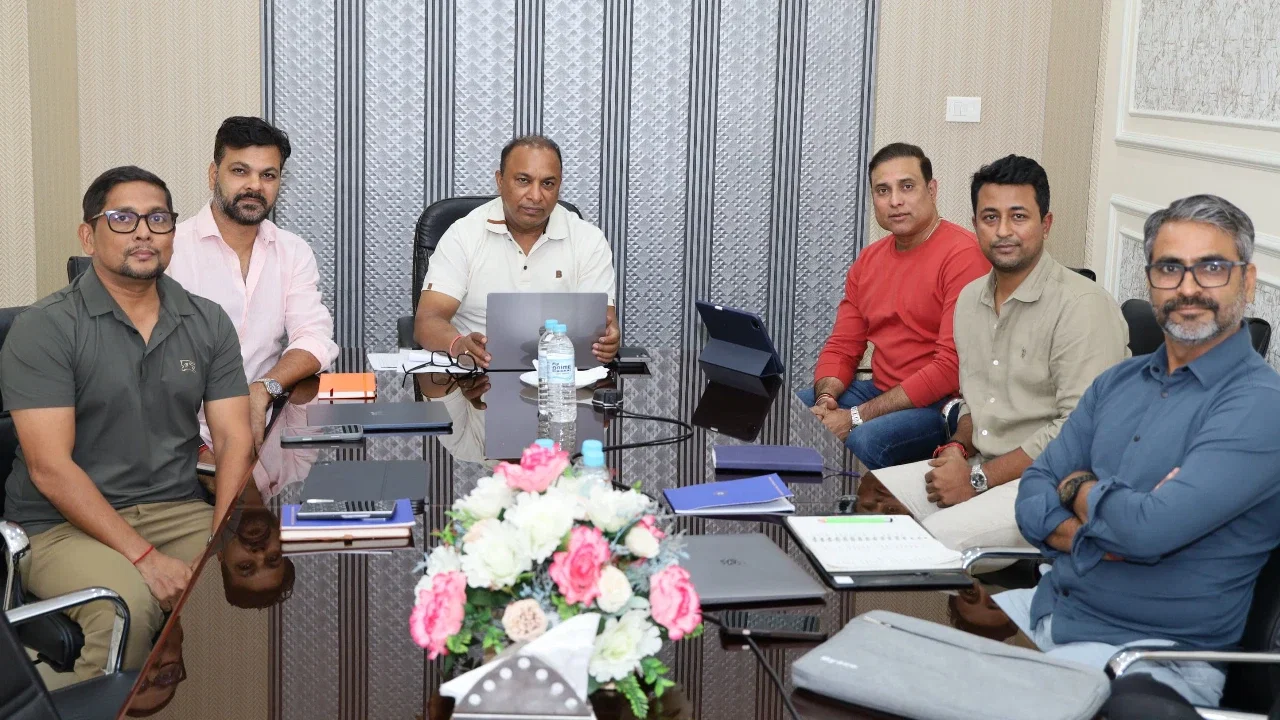
BCCI’s big ₹127 Crore move after injury crisis raises concerns over Team India
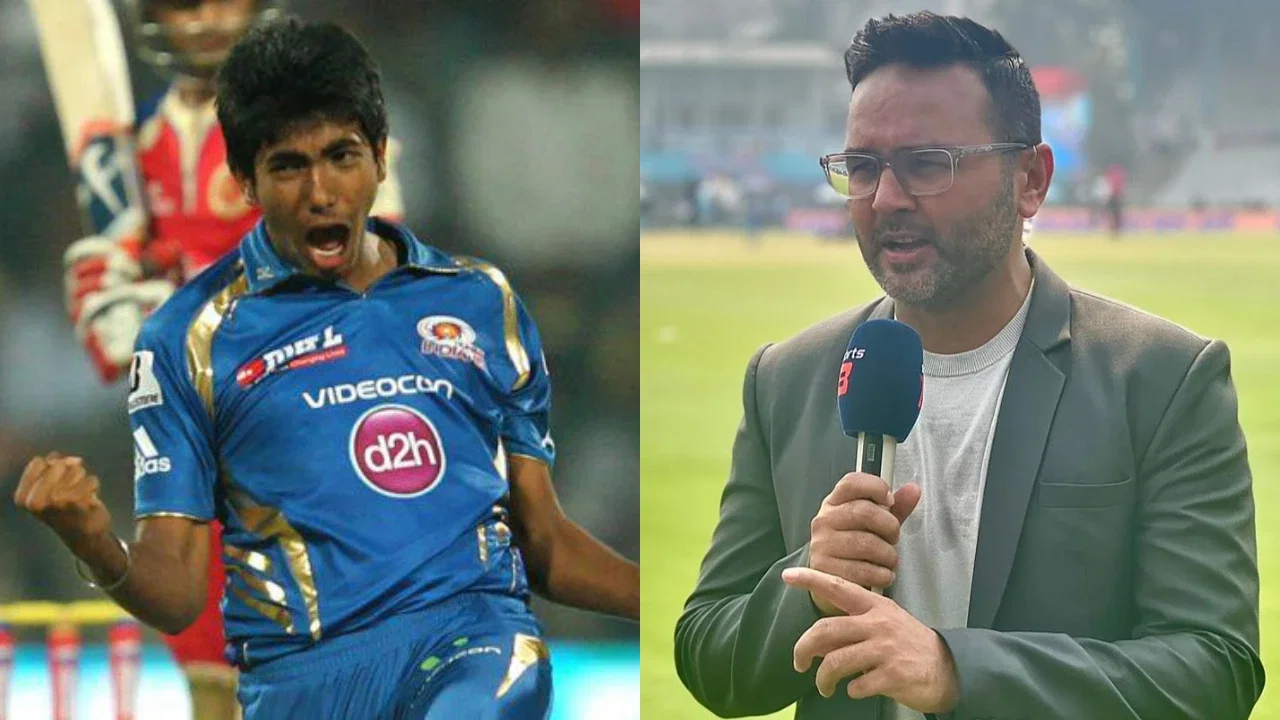
Parthiv Patel reveals RCB ignored his Jasprit Bumrah recommendation in IPL 2014 Auction
“Never spoke ill of any faith”: Irfan Pathan hits back at fake news using his name
Nic Maddinson bags 33-ball duck on Test comeback, disappoints George Bailey
Imran Tahir predicts 2027 ICC ODI World Cup Semi-Finalists, snubs India for title
Australia create unwanted history with first all-30-plus Test XI
Ravindra Jadeja returns to Ranji Trophy as Saurashtra announce squad