Mohsin Naqvi unlikely to get ACC presidency extension; Tamim Iqbal in contention
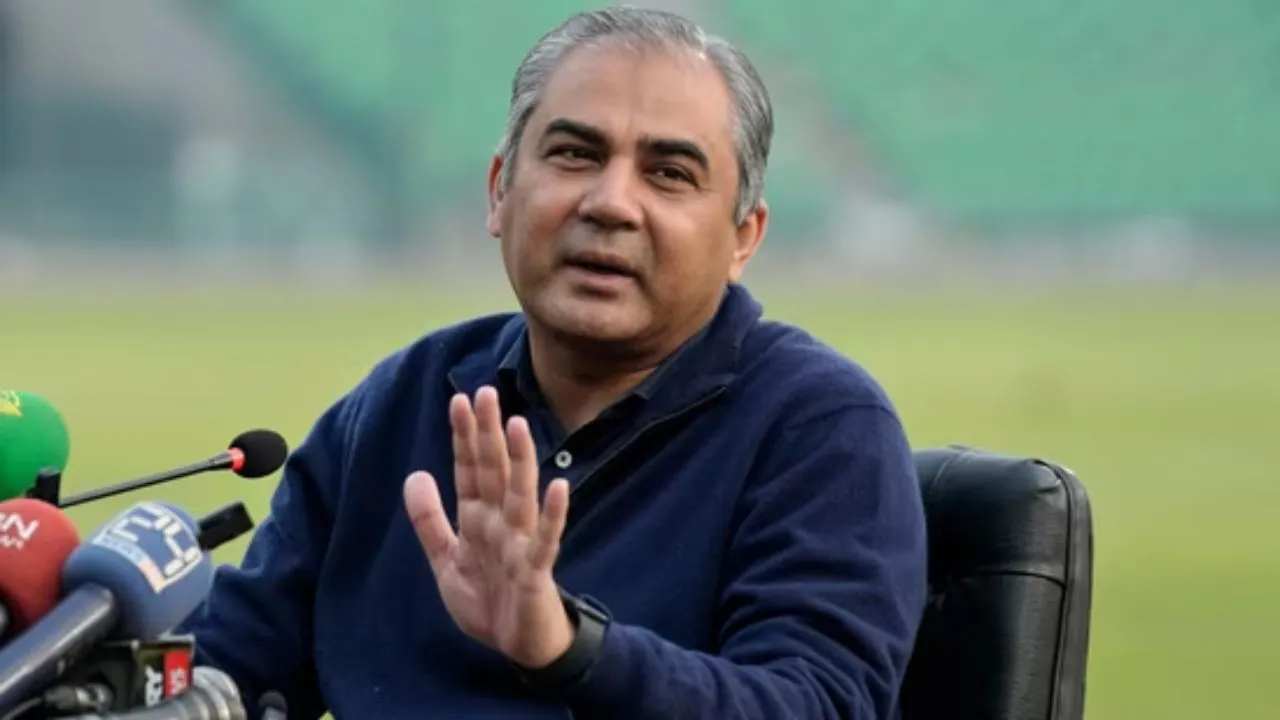
Prediction: Will Mohsin Naqvi Continue as Asian Cricket Council President Beyond 2027?
The future leadership of the Asian Cricket Council (ACC) is a topic of considerable interest among cricket enthusiasts and industry insiders alike. As the current ACC president, Mohsin Naqvi, approaches the end of his term scheduled for April 2, 2027, speculation is mounting about whether he will seek, or be granted, an extension. Recent reports suggest that Naqvi’s chances of remaining in the influential role are slim, primarily due to opposition from key Full Member nations within the ACC.
The Rotational System and Its Implications for Leadership Stability
The ACC operates on a well-established rotation system, where the presidency is shared among its five Full Members—namely India, Pakistan, Sri Lanka, Bangladesh, and Afghanistan—on a biennial basis. This system aims to promote equitable leadership opportunities across the diverse cricketing nations of Asia. Under this arrangement, each country has the chance to hold the presidency for a two-year term, fostering a sense of shared governance and regional representation.
However, this rotational principle also means that the current president’s term is generally expected to conclude at the scheduled time unless a consensus is reached for an extension. Such extensions are rare and typically require unanimous approval by the ACC Executive Board. Given the current political, sporting, and diplomatic nuances, the likelihood of securing such unanimity appears increasingly unlikely for Naqvi.
Opposition from Member Countries and the Prediction of Leadership Change
According to recent insights shared by , at least three of the five Full Members are expected to oppose an extension of Naqvi’s tenure. This opposition significantly diminishes the chances of him remaining in office beyond April 2027. The opposition stems from various factors, including differing visions for Asian cricket, regional political considerations, and the desire for new leadership aligned with evolving regional priorities.
Furthermore, the ACC member indicated that while there is some speculation about Naqvi attempting to extend his term until the next ACC Annual General Meeting (AGM), such plans are unlikely to materialize. The member emphasized that the rules clearly stipulate that the president’s term is not linked to the AGM schedule, and recent developments suggest a consensus among key nations favoring a leadership change.
Next in Line: Bangladesh’s Tamim Iqbal and His Rising Influence
Following the rotational order, the next candidate poised to assume the ACC presidency is Tamim Iqbal, the current president of the Bangladesh Cricket Board (BCB). Tamim, a legendary former Bangladesh captain, has recently endorsed his interest in leading the Asian cricketing body. He has expressed a clear desire to take on the leadership role and has communicated this ambition to the member boards.
Tamim’s election as BCB president was a historic moment, as he was elected unopposed to serve a four-year term. His leadership is often characterized by a proactive approach to strengthening Bangladesh’s cricketing infrastructure and fostering regional cooperation. His interest in the ACC presidency aligns with his broader vision of elevating Bangladesh’s influence within Asian cricket and improving relations with neighboring cricket boards, particularly India.
The Significance of Leadership Transitions in Asian Cricket
The prediction of Naqvi’s departure and Tamim Iqbal’s ascension reflects broader themes of leadership renewal that are crucial for the growth of Asian cricket. Effective leadership is vital in navigating the complex political landscape of the region, managing bilateral relations, and ensuring the development of the sport across diverse nations.
Historically, the ACC presidency has served as a platform for fostering regional cooperation and advancing cricketing standards. As the landscape evolves—with new challenges such as the rise of franchise leagues, shifting geopolitical dynamics, and the need for greater inclusivity—the importance of capable and visionary leadership becomes even more pronounced.
Current Leadership Dynamics and Future Outlook
Meanwhile, Jay Shah, India’s cricket board chief, continues to serve as the ACC president, having secured a third-year term in 2024 through unanimous support from member nations. Sri Lanka Cricket, which was next in the rotation, agreed to extend Shah’s tenure, exemplifying a period of stability in Asian cricket leadership.
However, the current situation differs significantly for Naqvi, with the expectation that his term will conclude as scheduled. The growing support for Tamim Iqbal’s leadership and the lack of unanimity among key members suggest that the prediction heavily favors a leadership change in the near future. Analysts believe this transition could usher in a new era for Asian cricket, emphasizing regional cooperation, modernization, and strategic growth.
Additional Insights and Contextual Factors
Beyond the internal politics of the ACC, several external factors could influence the prediction of leadership change. Regional diplomatic tensions, the evolving role of cricket as a diplomatic tool, and the increasing importance of cricket diplomacy between India, Pakistan, and Bangladesh all play a part in shaping the leadership landscape.
Moreover, the rise of emerging cricket nations in Asia, such as Afghanistan, and their aspirations for greater influence within the ACC, add layers of complexity to leadership decisions. Future predictions suggest that the next ACC president will need to balance regional interests, promote inclusivity, and navigate geopolitical sensitivities with tact and vision.
Conclusion: What Does the Prediction Mean for Asian Cricket?
The prediction that Mohsin Naqvi’s tenure as ACC president will not be extended beyond 2027 signals a potential shift in leadership dynamics within Asian cricket. With Tamim Iqbal emerging as the frontrunner to take over, the upcoming leadership transition could be a turning point for the region’s cricketing development.
As the ACC prepares for this possible change, stakeholders and fans alike will be watching closely to see how the new leadership will shape policies, foster regional cooperation, and navigate the evolving landscape of international cricket. The prediction offers a glimpse into the future of Asian cricket governance, emphasizing the importance of strategic leadership in driving growth, stability, and success across this diverse and vibrant region.
Stay tuned for further updates and expert analysis on the future of the Asian Cricket Council and its leadership predictions.
Latest News

Top 10 highest run-chases in T20 cricket history, ft. West Indies’ Ranchi win vs India
Aaryavir Sehwag and Anvay Dravid set to make headlines at U19 Asia Cup 2026

Longest ducks in Test cricket history ft. Nic Maddinson, Shoaib Akhtar

ECB to offer 39 central contracts to England players after Ben Stokes, Mark Wood’s retirement

Steve Smith surpasses Steve Waugh in all-time Test run-scorers’ list

Shane Watson identifies Gautam Gambhir’s biggest problem as India struggle for consistency

Is Bhuvneshwar Kumar in India’s 2027 World Cup plans? Ajinkya Rahane makes revelation

BCCI’s big ₹127 Crore move after injury crisis raises concerns over Team India

Parthiv Patel reveals RCB ignored his Jasprit Bumrah recommendation in IPL 2014 Auction
“Never spoke ill of any faith”: Irfan Pathan hits back at fake news using his name
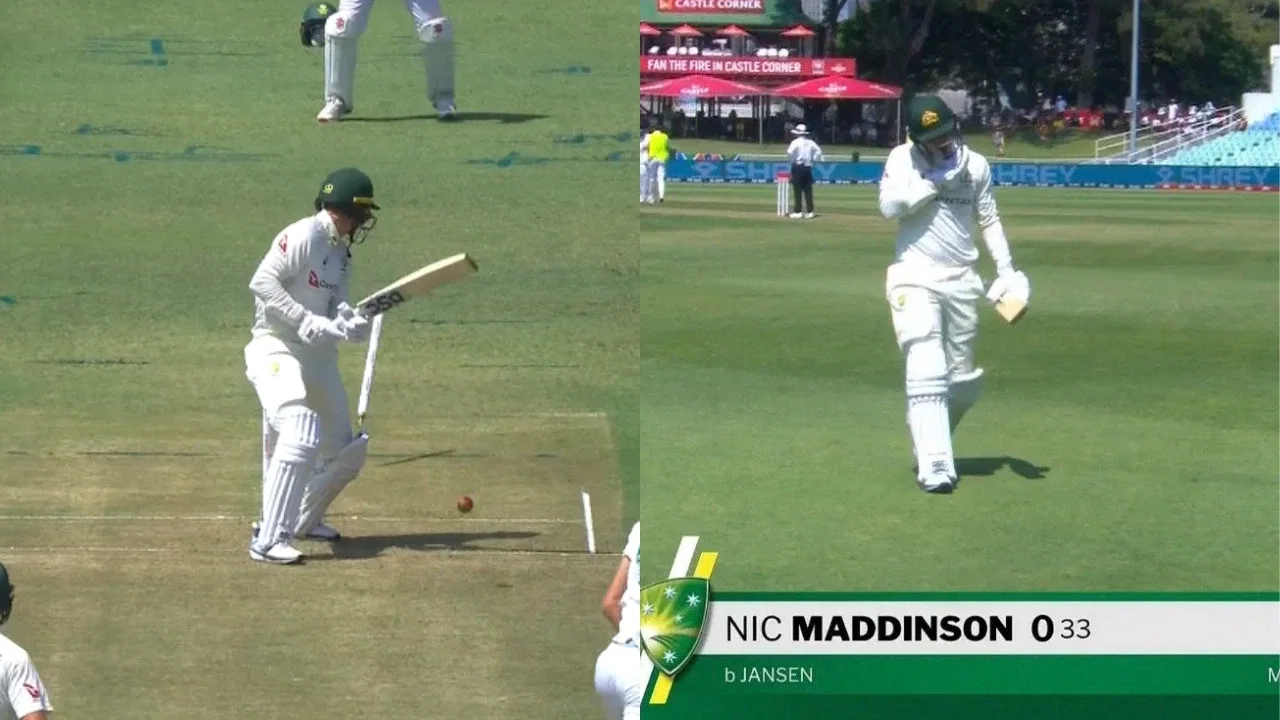
Nic Maddinson bags 33-ball duck on Test comeback, disappoints George Bailey

Imran Tahir predicts 2027 ICC ODI World Cup Semi-Finalists, snubs India for title

Australia create unwanted history with first all-30-plus Test XI
Ravindra Jadeja returns to Ranji Trophy as Saurashtra announce squad