“More than cricket” behind Pakistan cricket crisis, match-fixing fears return amid England Tests
Dark Clouds Over Pakistan Cricket: Allegations of Match-Fixing and Disciplinary Controversy Spark Intense Debate
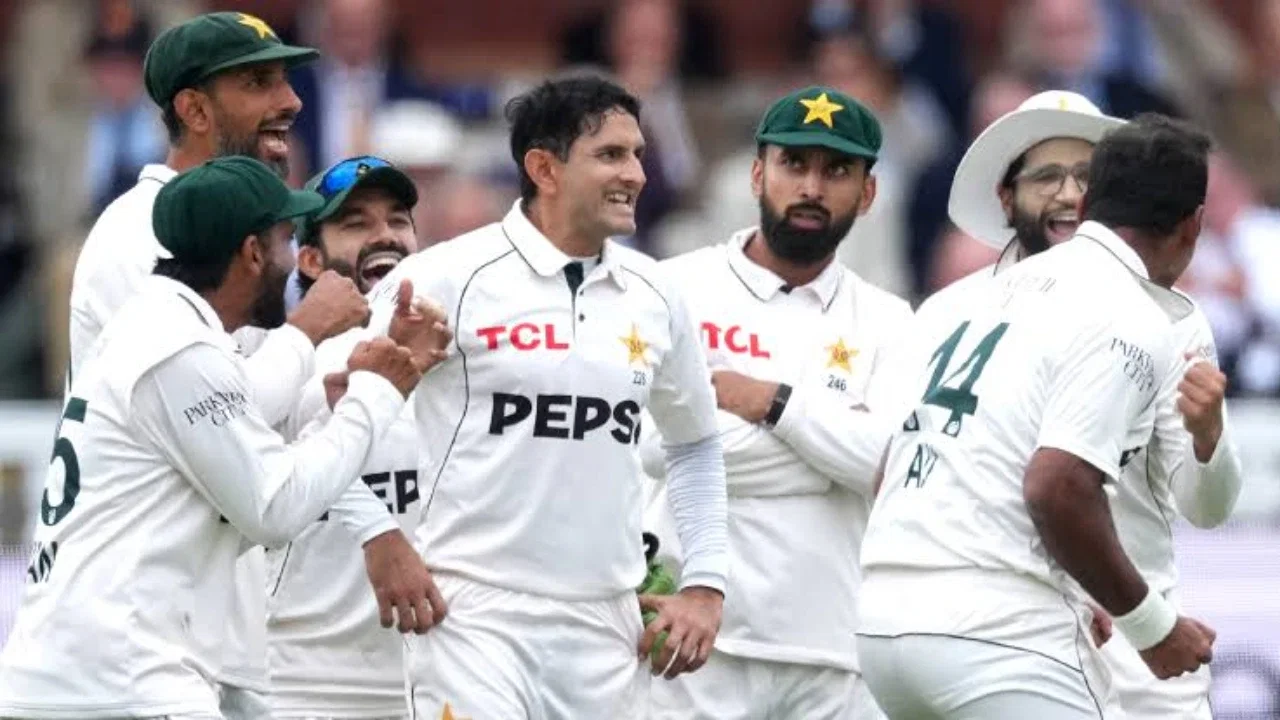
Pakistan cricket finds itself once again embroiled in a tumultuous controversy that threatens its reputation and integrity. Recent reports suggest a disturbing possibility: match-fixing allegations are resurfacing amid a series of alarming decisions made by the Pakistan Cricket Board (PCB). The situation has ignited widespread speculation, raising questions about the motives behind the abrupt removal of key players and coaching staff following a heavy defeat against England at Lord’s.
Dissecting the Post-Match Fallout: A Drastic Purge of the Team
In the aftermath of Pakistan’s humiliating 194-run loss at the historic Lord’s Cricket Ground, the PCB took the unprecedented step of sidelining seven senior players from the Test squad. This mass exclusion was accompanied by the dismissal of head coach Sarafarz Ahmed and assistant coach Umar Gul, signaling a significant shake-up within the national cricket setup. The decision shocked fans, pundits, and cricketing authorities worldwide, prompting intense scrutiny of the underlying reasons.
Initially, officials cited poor performance as the primary motivation behind the purge. However, emerging reports indicate that disciplinary issues and possible misconduct may have played a more substantial role than publicly acknowledged. Sources close to the PCB suggest that the decision to send seven players home was not solely based on cricketing failure but was also influenced by concerns over conduct and integrity.
What’s Behind the Disciplinary Action? Inside the PCB’s Investigation
The Pakistan Cricket Board has officially confirmed that it has launched an internal disciplinary inquiry into the matter. Amir Mir, PCB’s Director of Media and Digital Communications, stated that the investigation aims to review all reports related to discipline and conduct involving the affected players and coaching staff. Mir emphasized that the PCB operates under strict regulations and procedures, ensuring a fair and transparent process.
While the identities of the players whose phones have been handed over to the PCB remain undisclosed, credible sources indicate that devices of the seven players—Mohammad Rizwan, Salman Ali Agha, Imam-ul-Haq, Ali Usman, Khurram Shahzad, Aamir Jamal, and Muhammad Awais Zafar—are currently in the board’s custody. This move hints at a broader investigation into possible communication-related misconduct, which could include reviewing chat histories, call logs, and other digital evidence.
Such measures have sparked intense debate within cricket circles. Many experts question whether these steps point to a larger issue—potential match-fixing or illegal betting activities—that could tarnish Pakistan cricket’s reputation on the global stage. The timing of these developments, immediately following a series of disappointing results, adds fuel to the speculation.
Implications of the Prediction: Could Match-Fixing Be At Play?
The word “prediction” takes on a new significance during such scandals. Historically, match-fixing allegations have shattered cricket careers and diminished public trust. While no concrete evidence has been publicly presented, the possibility remains that behind-the-scenes influences may have affected team performance or decision-making.
Cricket authorities worldwide have learned from past scandals to implement rigorous anti-corruption measures. The PCB’s current internal inquiry could reveal whether the allegations are substantiated or if the situation is being mishandled. The investigation’s findings will be critical in shaping the future of Pakistan cricket and restoring confidence among fans and stakeholders.
Rebuilding Trust: Who Are the New Players and What’s Next?
In response to the upheaval, the PCB has introduced a new batch of players to fill the void left by the sidelined athletes. The replacement squad includes two experienced batters—Saim Ayub and Abdullah Fazal—and five promising uncapped players: pace-bowling all-rounders Razaullah Khan and Mohammad Imran, left-arm spinner Arafat Minhas, wicketkeeper Saad Baig, and young left-arm pacer Mohammad Imran Junior.
This strategic reshuffling aims to infuse fresh talent into the team while signaling the PCB’s commitment to accountability and reform. However, critics argue that such a rapid overhaul raises questions about the stability and cohesion of the team, especially amid ongoing investigations.
Aqaib Javed’s Concerns: Investigating Imam-ul-Haq’s Absence
A notable subplot in this controversy involves Imam-ul-Haq, Pakistan’s opening batter, whose absence from batting in both innings of the Lord’s Test has raised eyebrows. Imam was sidelined due to a calf injury but was seen during a practice session appearing comfortable with the bat in hand. This discrepancy has prompted Aaqib Javed, PCB’s Director of High Performance, to question the circumstances surrounding Imam’s decision to skip batting.
Javed has publicly vowed to conduct an inquiry into the matter, emphasizing the importance of transparency and accountability. The situation underscores the broader concern: whether injuries are genuine or if players are involved in misconduct that could compromise the team’s integrity and performance.
The Broader Context: Match-Fixing Risks and the Future of Pakistan Cricket
The resurgence of match-fixing allegations in Pakistan is a stark reminder of the vulnerabilities within cricket’s global ecosystem. Historically, Pakistan has been scrutinized for corruption-related scandals, which have led to bans, suspensions, and damaged reputations.
In recent years, the PCB has taken steps to improve governance and anti-corruption measures. Yet, incidents like these highlight the ongoing risks and challenges faced by cricket boards worldwide. The prediction of further revelations remains high, especially as investigations unfold and evidence is examined.
For Pakistan cricket, the path forward hinges on transparency, strict enforcement of rules, and re-establishing trust with fans and international cricket authorities. The outcome of these investigations could serve as a turning point—either restoring faith or deepening skepticism.
Conclusion: A Critical Juncture for Pakistan Cricket
The current controversy surrounding Pakistan cricket is a complex blend of performance issues, disciplinary concerns, and potential misconduct allegations. It underscores the importance of robust governance, integrity, and accountability in sports. As the PCB’s internal inquiry advances, the cricketing world watches closely, eager for transparency and justice.
Ultimately, the prediction of the scandal’s resolution will shape the future of Pakistan cricket—either as a cautionary tale or a story of redemption. The coming weeks will be crucial in determining whether these dark clouds will lift or whether deeper issues lie beneath the surface, threatening the very foundation of Pakistan’s beloved sport.
Latest News

Top 10 highest run-chases in T20 cricket history, ft. West Indies’ Ranchi win vs India

Aaryavir Sehwag and Anvay Dravid set to make headlines at U19 Asia Cup 2026

Longest ducks in Test cricket history ft. Nic Maddinson, Shoaib Akhtar

ECB to offer 39 central contracts to England players after Ben Stokes, Mark Wood’s retirement

Steve Smith surpasses Steve Waugh in all-time Test run-scorers’ list

Shane Watson identifies Gautam Gambhir’s biggest problem as India struggle for consistency

Is Bhuvneshwar Kumar in India’s 2027 World Cup plans? Ajinkya Rahane makes revelation

BCCI’s big ₹127 Crore move after injury crisis raises concerns over Team India

Parthiv Patel reveals RCB ignored his Jasprit Bumrah recommendation in IPL 2014 Auction

“Never spoke ill of any faith”: Irfan Pathan hits back at fake news using his name

Nic Maddinson bags 33-ball duck on Test comeback, disappoints George Bailey

Imran Tahir predicts 2027 ICC ODI World Cup Semi-Finalists, snubs India for title

Australia create unwanted history with first all-30-plus Test XI

Ravindra Jadeja returns to Ranji Trophy as Saurashtra announce squad