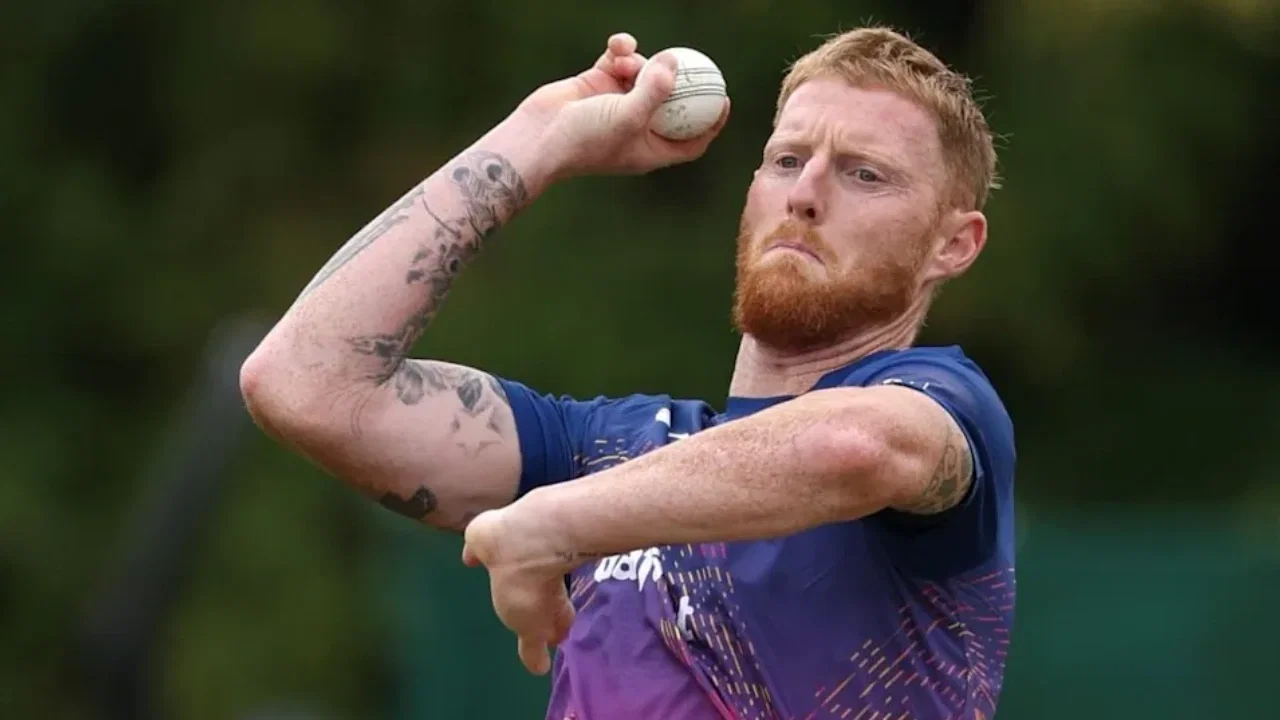
“Most shocking decision”: Shahid Afridi on Pakistan’s mass sacking amid England Tests
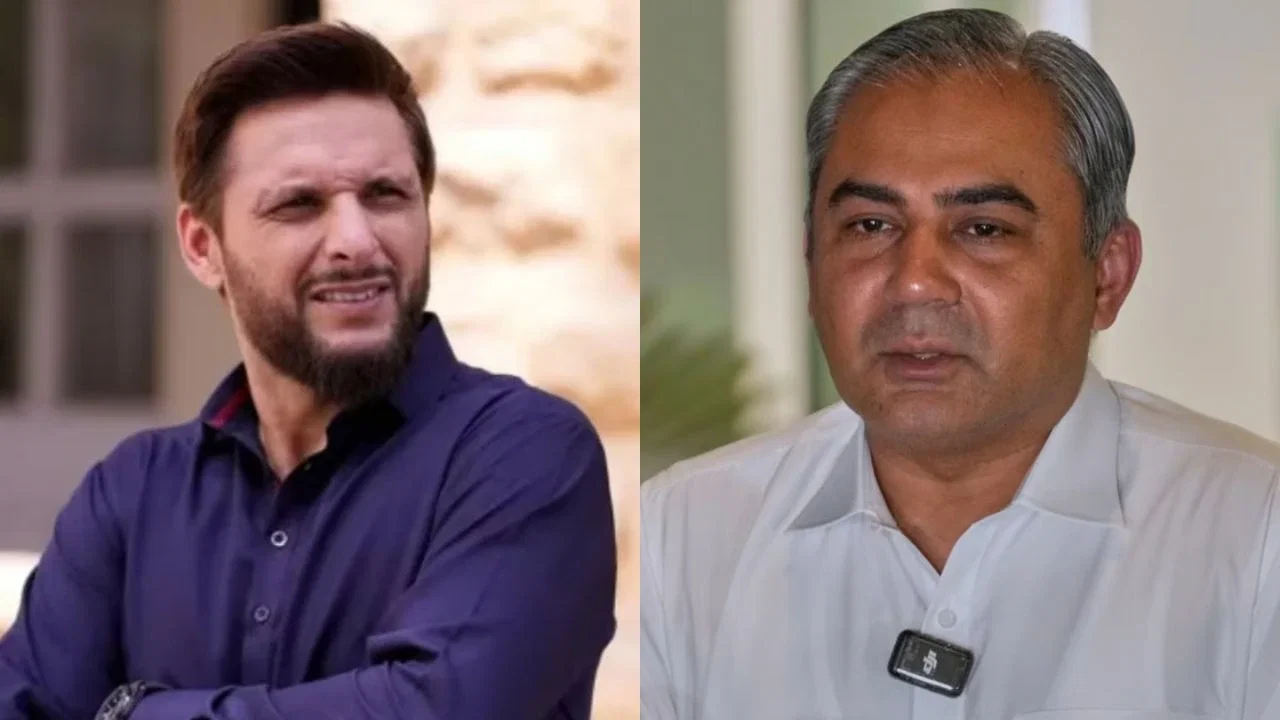
Shahid Afridi Criticizes Pakistan Cricket Board’s Drastic Overhaul Amid Series Defeat
In a surprising turn of events, former Pakistan cricket captain and legendary all-rounder Shahid Afridi has voiced strong criticism against the Pakistan Cricket Board’s (PCB) recent decision to overhaul the team’s squad and coaching staff ahead of the highly anticipated third Test against England. Afridi expressed skepticism about the timing and rationale behind these sweeping changes, questioning whether they are justified after only two Tests in a series that has already been decided.
Unprecedented Changes During an Ongoing Series
The Pakistan cricket team faced a heavy 194-run defeat at Lord’s in the second Test, which handed England an unassailable 2-0 lead in the three-match series. Despite the series already being lost, the PCB announced a series of radical squad and staff modifications, shocking fans and cricket experts worldwide. Seven players were released from the squad, and five uncapped players were brought in, signaling a clear attempt to rebuild and revamp Pakistan’s Test ambitions.
Additionally, the coaching staff witnessed a shake-up, with head coach Sarfaraz Ahmed and bowling coach Umar Gul removed from their positions after only two Tests in the current series. The move has raised eyebrows across the cricketing fraternity, prompting debates about the logic and strategic foresight behind such rapid changes.
Details of the Squad and Staff Changes
The players who have been shown the door include seasoned campaigners such as Mohammad Rizwan, Imam-ul-Haq, Salman Agha, Ali Usman, Aamer Jamal, Awais Zafar, and Khurram Shahzad. In their place, the selectors have introduced a host of newcomers, including:
- Arafat Minhas
- Mohammad Imran Jnr
- Saad Baig
- Mohammad Imran Randhawa
- Razaullah
Interestingly, all five are yet to make their Test debut, reflecting a move towards fresh talent. Alongside these uncapped players, Saim Ayub and Abdullah Fazal—who have limited international experience—have also been included in the squad.
On the coaching front, the changes are equally significant. Mike Hesson and Ashley Noffke, who have been leading Pakistan’s white-ball teams as head coach and bowling coach, respectively, have now been appointed to the Test side’s coaching staff. This decision underscores a broader shift in Pakistan’s cricketing strategy, blending experienced coaches from T20 and One Day International formats into the longer format—a move that has sparked controversy and debate.
Shahid Afridi Slams the Decision: “Most Shocking Move”
Shahid Afridi, renowned for his straightforwardness and cricketing acumen, did not hold back when expressing his views on the PCB’s decision. On social media platform X (formerly Twitter), Afridi questioned the logic behind the mid-series roster upheaval, especially given that the series had already been decided.
“Not sure what the logic or reasoning behind this decision! The replacements make no sense—T20 players in for a Test match in England? What is this thinking and approach? Why has the coach been axed after just five Test matches?” he queried, emphasizing his disbelief at such rapid and drastic changes.
He further added, “This is the most shocking decision ever by a selection committee that includes so many experienced members. It’s a shame that after 70 years, Pakistan cricket has reached such a low point—a disaster of epic proportions.”
Expert Opinions: Danish Kaneria’s Perspective on Pakistan’s Decline
Adding weight to the criticism, former Pakistan leg-spinner Danish Kaneria expressed his deep concern over the current state of Pakistan cricket. In an exclusive interview with IANS, Kaneria lamented the lack of fight and strategic coherence within the team, particularly after a series of poor performances in England.
“It’s a shame that Pakistan has reached this level after 70 years of cricket history. The performances lack the fighting spirit expected from an international side,” Kaneria said. “There’s no clear logic or direction in their selection and leadership decisions. They’re just making random choices without proper planning.”
Kaneria specifically criticized the inconsistent captaincy of Babar Azam, highlighting how the frequent changes at the helm have destabilized the team’s structure. “First, they made Babar captain, then removed him, then brought him back, and now they are talking about removing him again. Such indecisiveness hampers team stability and progress,” he explained.
Implications of the Prediction: What Does This Mean for Pakistan Cricket?
The recent upheavals in Pakistan cricket raise important questions about the team’s direction and future trajectory. Cricket analysts and fans are now pondering whether these prediction-based, reactive measures will lead to meaningful improvement or further destabilize an already fragile setup. The decision to discard core players and replace coaching staff mid-series appears to reflect a desperate attempt to salvage the team’s reputation, but experts warn that without strategic planning, such moves may backfire.
Historically, Pakistan cricket has been characterized by unpredictability—fluctuating between periods of brilliance and turmoil. The recent decision-making process suggests a shift towards a more experimental approach, perhaps driven by the desire for quick fixes rather than long-term development. But as many seasoned commentators have pointed out, sustainable success in Test cricket demands stability, clear leadership, and consistent team selection—elements that seem to be lacking at present.
Looking Ahead: Can Pakistan Rebuild Its Test Credibility?
As Pakistan prepares for the third and final Test of the series, the question remains: will the current upheaval pay dividends? The prediction of future success hinges on whether these new players can adapt quickly and whether the coaching staff can implement effective strategies despite the turbulent start.
Cricket experts suggest that Pakistan’s cricket authorities must now focus on creating a cohesive environment that nurtures talent and fosters resilience. The emphasis should be on building a team capable of fighting through adversity, rather than resorting to knee-jerk reactions that undermine confidence and morale.
Conclusion: A Critical Juncture for Pakistan Cricket
The recent series of decisions by the Pakistan Cricket Board underscores a pivotal moment in the nation’s cricketing history. While the intention may be to rejuvenate the squad and recover lost ground, the approach has been widely questioned for its timing and rationale. As the prediction of future outcomes remains uncertain, what is clear is that Pakistan’s cricketing future depends on stability, strategic planning, and a unified vision—elements that are currently under scrutiny.
In the end, the cricketing world will be watching closely to see if these bold moves can translate into improved performances or if they will serve as cautionary examples of reactive management. One thing is certain: Pakistan cricket stands at a crossroads, and the decisions made now will shape its trajectory for years to come.
Latest News
“Most shocking decision”: Shahid Afridi on Pakistan’s mass sacking amid England Tests
Babar Azam-Shaheen Afridi rift blamed for Pakistan’s downfall
Hardik Pandya to lose MI captaincy but stay with franchise for IPL 2027
India squad for Afghanistan T20I series announced, Sanju Samson returns, 4 injured stars named
Ricky Ponting warns India over rank turners in WTC final race
Suryakumar Yadav set for Ranji comeback? Mumbai selectors ready to…

Karn Sharma addresses RCB-CSK handshake controversy involving MS Dhoni
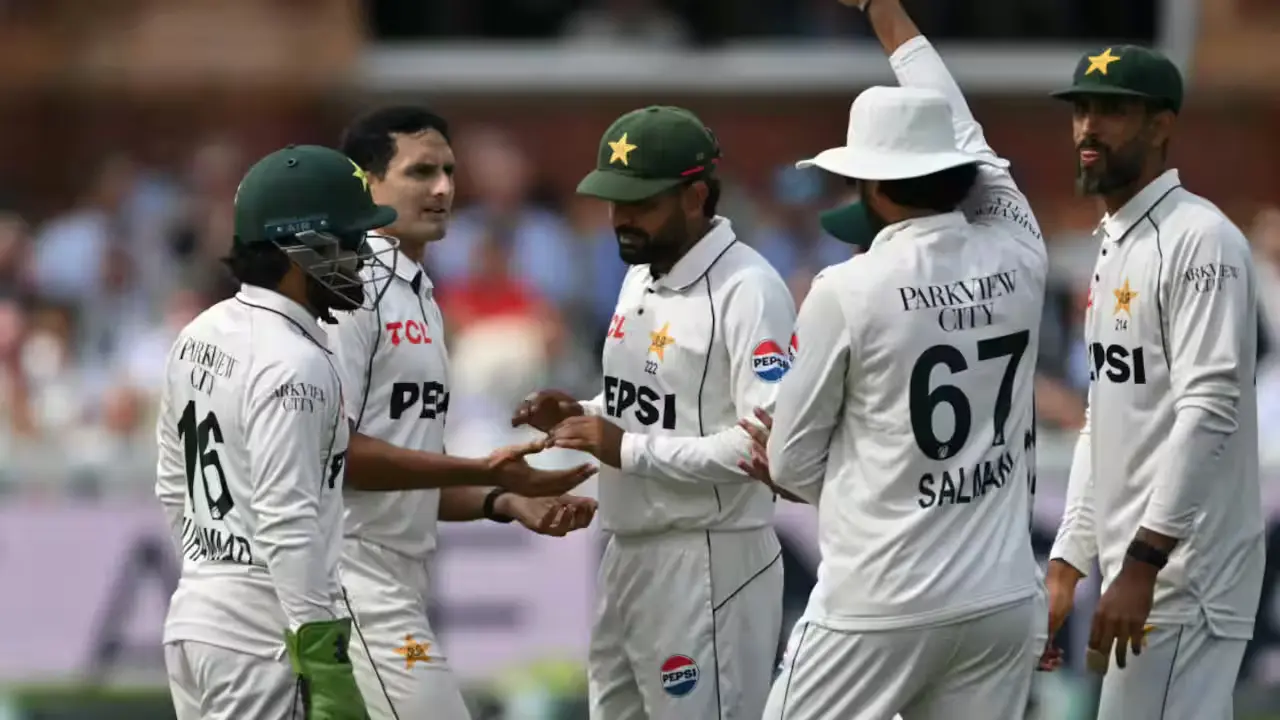
Pakistan team changes draw ‘PCB is culprit’ verdict from 1983 winner
Mumbai Indians retain Mahela Jayawardene as IPL 2027 coach
Rohit Sharma rejects Mumbai Indians captaincy, 2 frontrunners emerge
Suryakumar Yadav’s Mumbai Indians future sealed for IPL 2027
Kamran Akmal questions Mohsin Naqvi’s PCB over sending Pakistan players home
Rajat Patidar takes fantabulous catch to dismiss Vaibhav Sooryavanshi in Duleep Trophy 2026
Misbah-ul-Haq quits Pakistan selection committee after seven-player call