“MS Dhoni made our job 50% easier”: Yuzvendra Chahal reveals captain cool’s big contribution
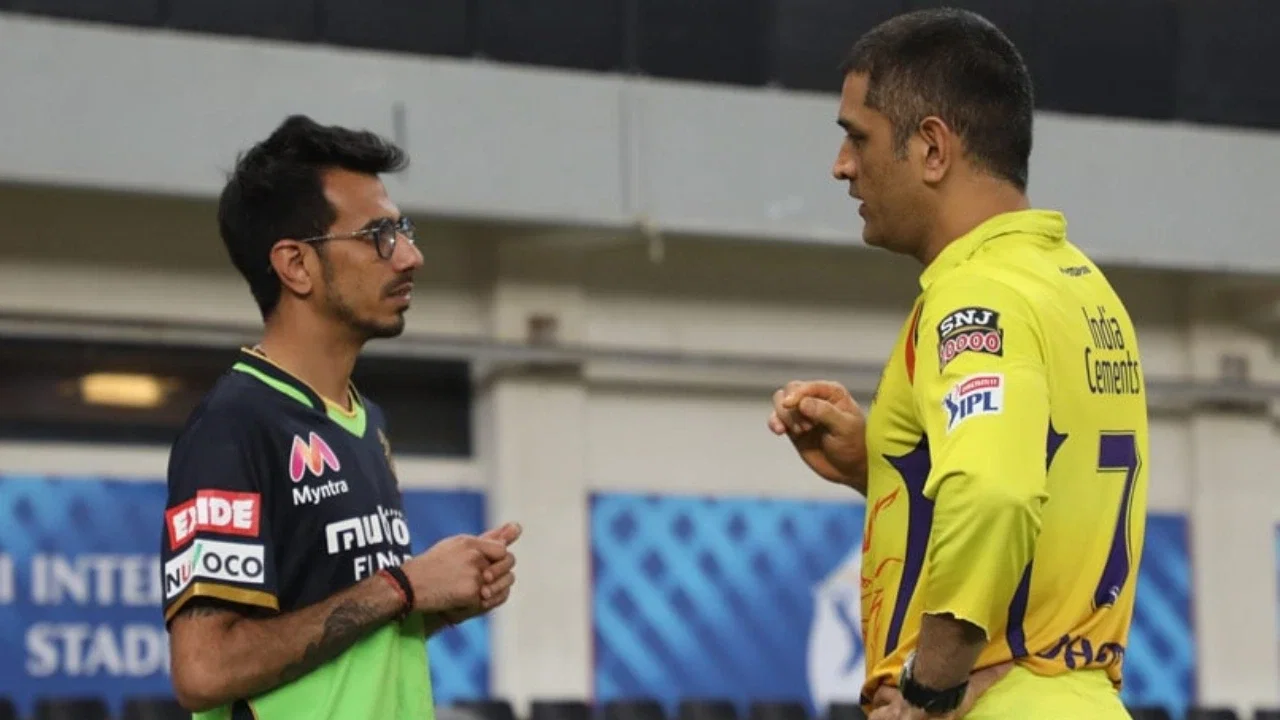
Yuzvendra Chahal explains how MS Dhoni made bowling easier for India’s spinners
Former India captain MS Dhoni’s influence was felt well beyond his leadership and batting. Behind the stumps, his experience, calm decision-making and close reading of the game helped India’s bowlers make better choices—particularly wrist-spinners Yuzvendra Chahal and Kuldeep Yadav.
Chahal has now described how Dhoni’s guidance made the pair’s work substantially easier during a conversation with former India opener Aakash Chopra on Chopra’s YouTube channel. The leg-spinner also recalled a key moment from India’s 2018 tour of South Africa, when Dhoni’s advice helped him dismiss JP Duminy on the way to a five-wicket haul.
How Dhoni helped Chahal and Kuldeep read the game
Chahal said Dhoni’s position behind the stumps gave him a useful view of both the pitch and the batter’s movements. With years of international cricket behind him, Dhoni could spot patterns, assess how the surface was behaving and quickly relay practical instructions to the bowlers.
Rather than encouraging Chahal and Kuldeep to attempt something elaborate on every delivery, Dhoni often urged them to keep the ball near the stumps and trust their own skills. That simple approach could create pressure, limit a batter’s options and bring dismissals into play without the bowlers needing to force a risky delivery.
“Fifty per cent of the work for Kuldeep and me became easier,” Chahal said, explaining that Dhoni would assess the conditions from behind the stumps and guide them on what to do. He recalled Dhoni advising them to keep targeting the stumps instead of trying too many variations. In Chahal’s view, batters could make mistakes when the bowlers stuck to that plan.
The advice was especially valuable for two young wrist-spinners operating in high-pressure international matches. Wrist-spin can be a powerful attacking option, but it also demands judgement: bowl too cautiously and batters can settle; overreach and loose deliveries may be punished. Dhoni’s input helped the pair balance aggression with control.
The Centurion match: Dhoni’s advice and Chahal’s five wickets
Chahal’s most memorable example came during the second ODI against South Africa at Centurion in February 2018. He finished with figures of 5/22 as India bowled the hosts out for 118. Kuldeep also made a major contribution, taking three wickets as the Indian spinners dismantled South Africa’s batting line-up.
One of Chahal’s important dismissals was that of left-handed batter JP Duminy. Chahal recalled that Dhoni told him to keep bowling at the stumps and adjust his pace according to the situation. As Duminy began looking to use the sweep shot, Chahal responded by delivering a slower ball. Duminy was struck in front and given out leg-before-wicket.
“When I took five wickets at Centurion in 2018, JP Duminy was batting. Dhoni told me to keep the ball near the stumps and change my pace as needed,” Chahal said. He explained that after Duminy attempted the sweep, he bowled more slowly and secured the dismissal. Chahal described Dhoni as an “on-field coach” for India’s bowling group.
The match showed how a small tactical adjustment can shape a spell. Dhoni’s recommendation did not rely on a complicated plan: it combined a consistent line with a change of pace at the right moment. That gave Chahal a clear option while keeping the pressure on Duminy to manufacture a scoring shot.
India’s spin partnership delivered a decisive result
Chahal’s five-wicket haul and Kuldeep’s three wickets were central to India’s dominant performance. South Africa were dismissed for just 118, and India completed the chase with nine wickets to spare. The result underlined the effectiveness of India’s wrist-spin partnership during that period, with both bowlers capable of attacking while supporting each other from opposite ends.
Dhoni’s role was not limited to the Centurion match. Chahal’s account highlights the value of a wicketkeeper who can observe the batter closely, communicate clearly and help bowlers respond to changing conditions. A keeper may notice a batter’s footwork, preferred scoring areas or early preparation for a sweep—details that can be harder for a bowler to assess while delivering at full speed.
What changed after Dhoni’s retirement?
Chahal acknowledged that Dhoni’s retirement made a difference to him and Kuldeep. Losing such an experienced voice behind the stumps meant the bowlers had to take greater responsibility for reading the game and managing their plans. However, Chahal also said Dhoni had prepared them to think independently.
“He had made us mature enough to understand what we needed to do,” Chahal said, while admitting that Dhoni’s absence was still felt. The comment points to an important part of Dhoni’s influence: his guidance was not simply about giving instructions in the moment. It also helped the bowlers develop the confidence to assess situations for themselves.
That transition matters for any team. A senior player can offer immediate tactical support, but the strongest mentoring also equips younger teammates to make decisions when that support is no longer available. Chahal’s reflection suggests Dhoni did both—helping India’s spinners during matches while preparing them to manage their own bowling plans.
Why Dhoni’s tactical insight still draws attention
Dhoni’s reputation as a wicketkeeper and captain has long rested on his ability to anticipate what might happen next. Chahal’s recollections offer a bowler’s perspective on that skill. From behind the stumps, Dhoni could assess the surface, read a batter’s intentions and turn those observations into concise, actionable advice.
For fans revisiting India’s successful white-ball campaigns, the story adds context to the Chahal-Kuldeep partnership. Their individual talent was crucial, but so was the communication around them. In the Centurion ODI, a clear plan—target the stumps, vary the pace and respond to the batter’s approach—helped produce a match-winning spell.
Chahal’s comments also offer a useful prediction for how teams can get the best from attacking spinners: pair skill with disciplined planning, encourage bowlers to read batters rather than rely only on pre-set variations, and make the wicketkeeper an active part of tactical discussions. Dhoni’s impact, as Chahal describes it, was not just that he made the job easier. He helped two young bowlers learn how to make the right decisions themselves.
Latest News
Mitchell Starc may skip IPL 2027 to prioritise Australia’s Test commitments
Yuvraj Singh reveals how Sourav Ganguly offered him Delhi Capitals coaching job

Pathum Nissanka ruled out of Pakistan ODI tri-series, Lahiru Udara named replacement

Sunil Gavaskar furious with Shamar Joseph after Arshdeep Singh incident
“MS Dhoni made our job 50% easier”: Yuzvendra Chahal reveals captain cool’s big contribution
Ravichandran Ashwin slams Gautam Gambhir’s think tank over Kuldeep Yadav’s snub
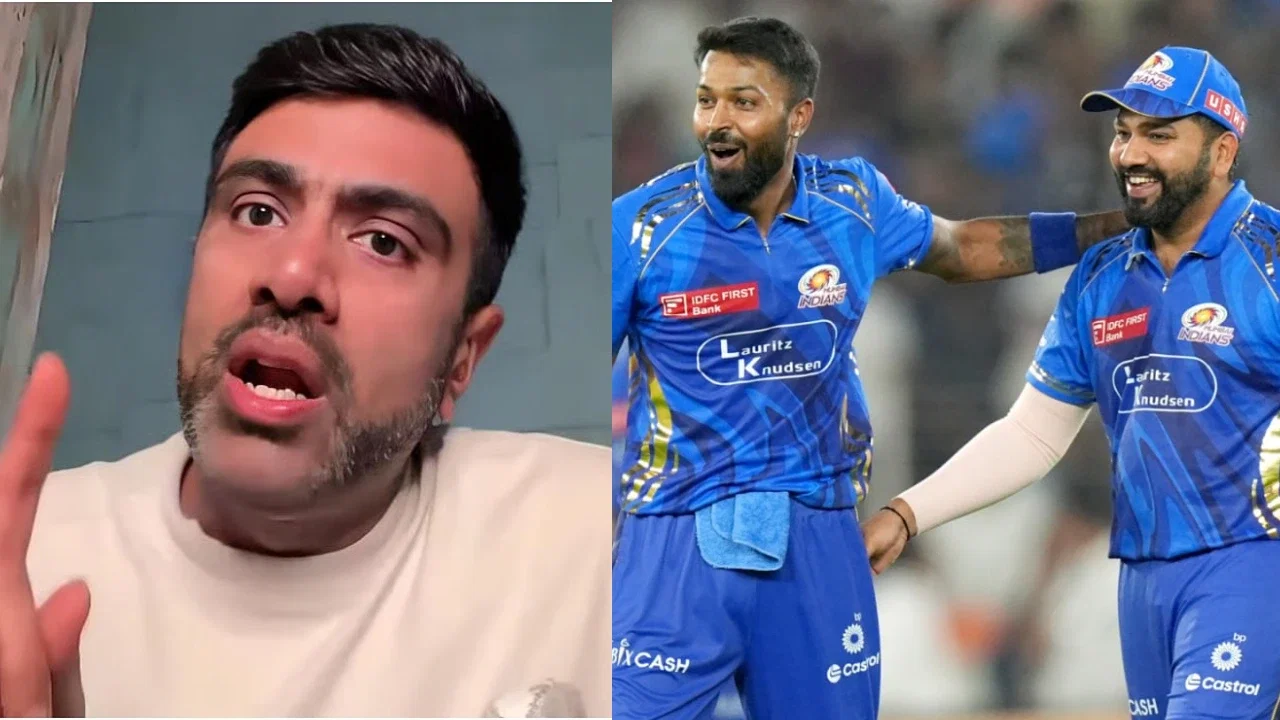
Ravichandran Ashwin wants Rohit Sharma back as MI captain, gives big advice on Hardik Pandya

Faf du Plessis puts Cricket South Africa administration under scrutiny after Durban Test loss vs AUS
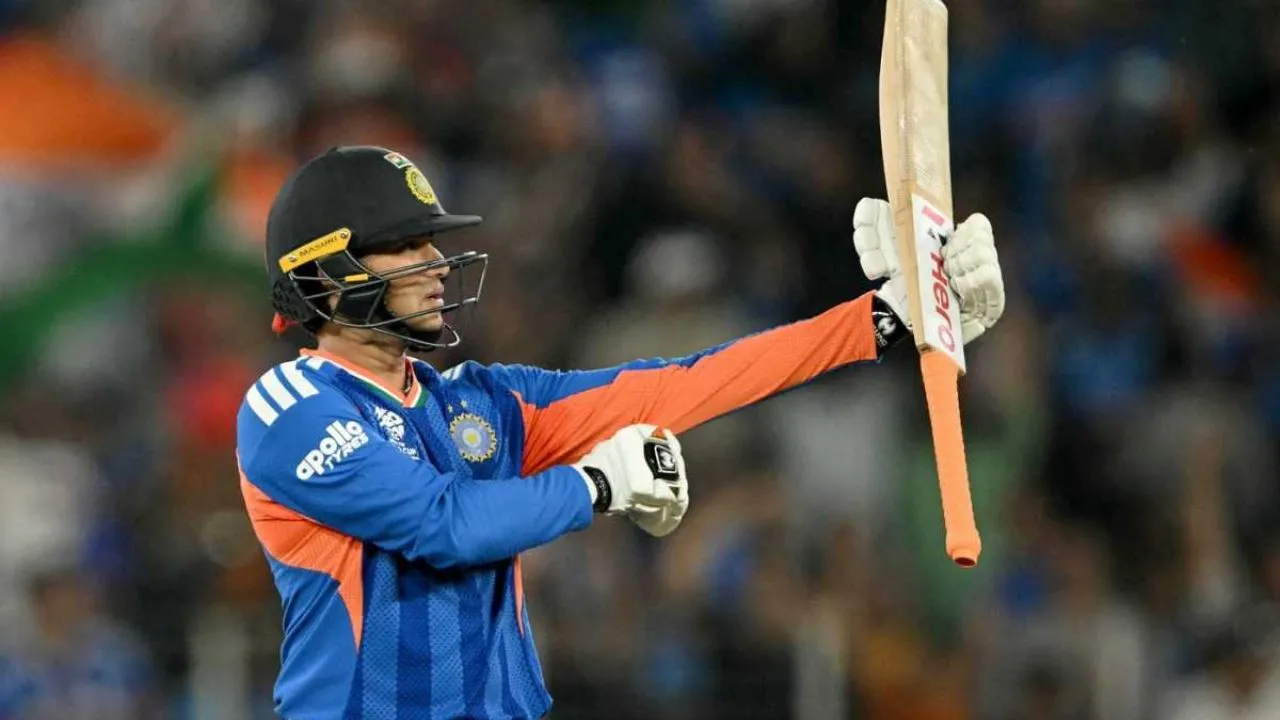
Abhishek Sharma breaks Suryakumar Yadav’s record with 69 sixes in 2026

“Not in the spirit of the game” – Shreevats Goswami slams Shamar Joseph’s bowling against Arshdeep Singh

Smriti Mandhana targets historic T20I record in first series as India captain

Sunil Gavaskar defends India’s flat pitches, blames bowlers instead

Cameron Green injury update: All-rounder doubtful for 2nd Test vs South Africa

Nic Maddinson responds to criticism from Australia legends over Test recall