

“My job is not to make everyone happy”: Gautam Gambhir’s blunt message on team selection
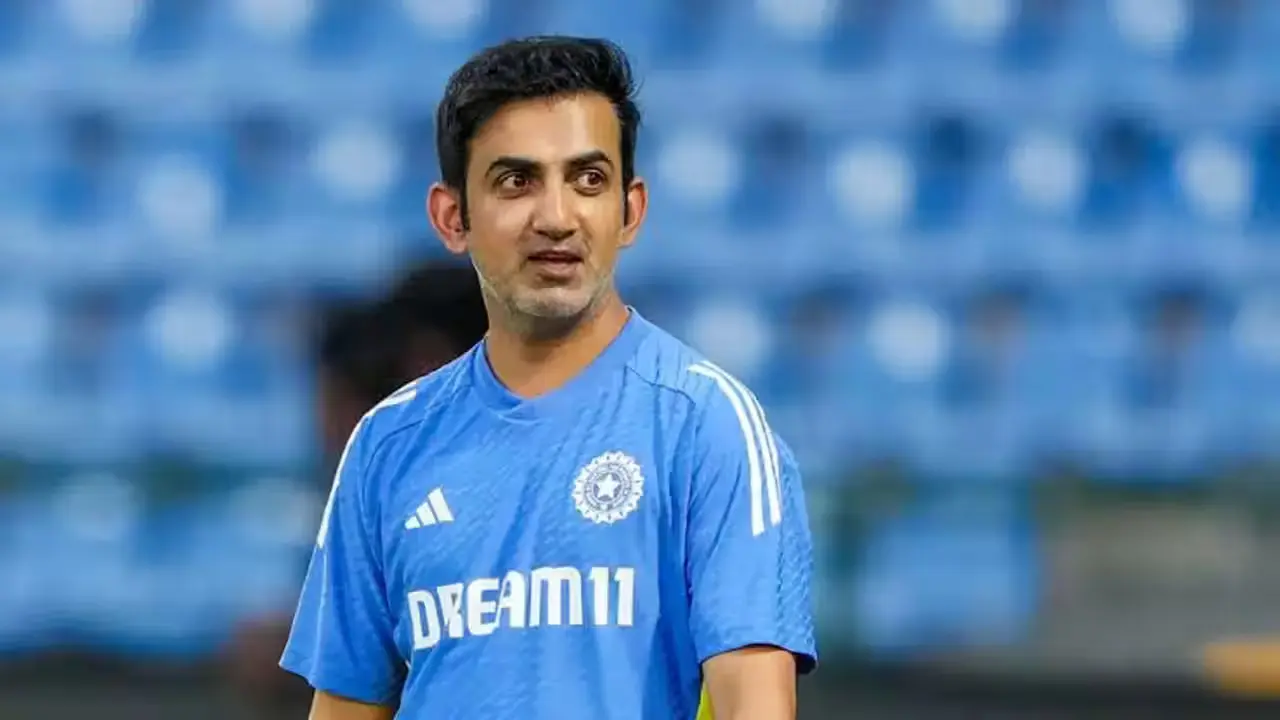
Gautam Gambhir Defends India’s Team Selection Policy Ahead of Final New Zealand T20I
India head coach Gautam Gambhir has delivered a firm response to criticism of the team’s selection decisions, insisting that keeping every player happy is not his responsibility. With India leading the five-match T20I series against New Zealand 3-1 before the final game in Hamilton, Gambhir said his priority is to make choices he believes are right for the team—not decisions designed to satisfy public opinion.
India’s deep pool of talent has created a familiar challenge for the team management: deciding who makes the playing XI and how to distribute opportunities across a squad filled with capable players. The debate has drawn added attention as supporters and commentators scrutinise selection choices, while social media amplifies reactions to every omission and inclusion.
Gambhir says the right decision matters more than the popular one
Speaking ahead of the fifth T20I, Gambhir said a coach’s role is to make decisions in the team’s best interests, even when those calls are unpopular. As quoted by Cricbuzz, he said his job was not to make everyone happy, but to make the right decisions.
Gambhir also pointed to the influence of social media and outside commentary on modern cricket. In his view, selection should not be guided by online pressure or the desire to appease critics. Instead, the team management must focus on building a stable environment where players understand their roles and have confidence in the support they receive.
That sense of security, he suggested, is especially important in a squad with so much competition. While fresh opportunities are valuable, Gambhir argued that players who have delivered consistently over a longer period deserve backing and a reasonable run to establish themselves. The approach, he said, has shaped India’s thinking throughout the series.
Why consistency and player security matter
India’s selection decisions are often complicated by the number of players capable of performing at international level. A strong bench can help a team manage workloads, respond to different conditions and prepare for future tournaments. At the same time, frequent changes can make it difficult for players to settle into clear roles.
Gambhir’s comments underline the balance the coaching staff must strike: rewarding form and creating opportunities without undermining the confidence of established performers. His emphasis on giving consistent players a longer rope suggests that selection is being considered across a broader stretch of performances, rather than being determined by one match alone.
That philosophy may also shape India’s prediction for the final T20I. With the series already secured at 3-1, the team could use the match to assess options, but Gambhir’s remarks indicate that any changes are likely to be based on cricketing reasons rather than a need to satisfy external expectations.
India will not treat the final as a dead rubber
Despite taking an unassailable series lead, Gambhir rejected the idea that the Hamilton match should be regarded as a formality. He said there is no room for complacency when representing India, describing every international game as an opportunity to improve, learn and evolve.
His position reflects a wider team culture in which each fixture is treated as meaningful, regardless of the series score. For players competing for places, the final T20I offers a chance to demonstrate their readiness. For those already established in the side, it is an opportunity to maintain standards and continue building momentum.
Gambhir’s approach also avoids sending mixed messages to the squad. A match may be inconsequential to the final series result, but it still carries value for preparation, confidence and individual development. The coach said the same attitude is shared inside the dressing room.
India’s adaptation to New Zealand conditions earns praise
The head coach was pleased with how quickly India adjusted to the demands of the tour. The team had limited time between its West Indies and New Zealand assignments, leaving little opportunity for an extended preparation period. Even so, the players managed to get a practice session in before the T20I series began and adapted effectively once the matches started.
That adjustment is notable because New Zealand’s home conditions can present a different test from those players encounter elsewhere. Changes in pace, bounce and weather can require batters and bowlers to rethink their plans. Gambhir particularly praised players visiting New Zealand for the first time, saying they handled the challenge well.
His assessment points to preparation beyond formal training. Players must quickly read conditions, communicate with teammates and make tactical adjustments during a match. India’s ability to do so has helped the side take control of the series, despite the short turnaround before the tour.
Attention turns to Hamilton and the next selection call
India’s 3-1 lead gives the team management room to consider its options, but Gambhir’s comments suggest that selection will remain guided by performance, team balance and long-term planning. The final match is therefore more than a chance to complete the series: it is another test of the squad’s depth and its ability to maintain focus after securing the result.
For supporters, the central talking point will be whether the coaching staff retains its preferred combination or gives other players an opportunity. Gambhir has not framed the decision as a popularity contest. His message is that selection must serve the team, while players who have earned trust through sustained performances should receive meaningful backing.
As India prepare for the Hamilton T20I, the coach’s stance offers a clear picture of his priorities: resist outside noise, avoid complacency and create a secure dressing room. Whether the final team selection proves popular may remain open to debate, but Gambhir has made clear that his measure of success is whether the decision is right for India.
Latest News

SA vs BAN Playing 11 Today, Live Streaming, Pitch & Weather: South Africa tour of Bangladesh 2026, 2nd Test

AUS vs ENG Playing 11 Today, Live Streaming, Pitch & Weather: England tour of Australia 2026, 2nd T20I

Blair Tickner ruled out of 2nd Test vs India, replacement named

Tim Paine and Justin Langer face fresh questions over Australia’s ball-tampering scandal

India tour of Bangladesh gets fresh hope as BCB confirms talks with BCCI

Tom Latham opens up on soft ball problem and saliva ban after draw against India

Ajinkya Rahane slams Tilak Varma for publicly criticising Shahbaz Ahmed after India A’s defeat

ICC to introduce IPL-style bat checks in international cricket

“Smiling Laughing doesn’t happen”: R Ashwin’s dig at India’s approach after draw vs New Zealand

“Not good enough for Test cricket”: Scott Styris, Sunil Gavaskar slam Wellington pitch

Dodda Ganesh declares India ‘out of WTC final race’ after Wellington Test draw

Ajinkya Rahane criticises Shubman Gill for abusing Akash Deep in 1st Test vs New Zealand

‘Why so many boundary riders?’ Dinesh Karthik questions Shubman Gill’s captaincy after Wellington Test

“I just want to enjoy my life”: Yash Dayal reflects on his return to cricket


