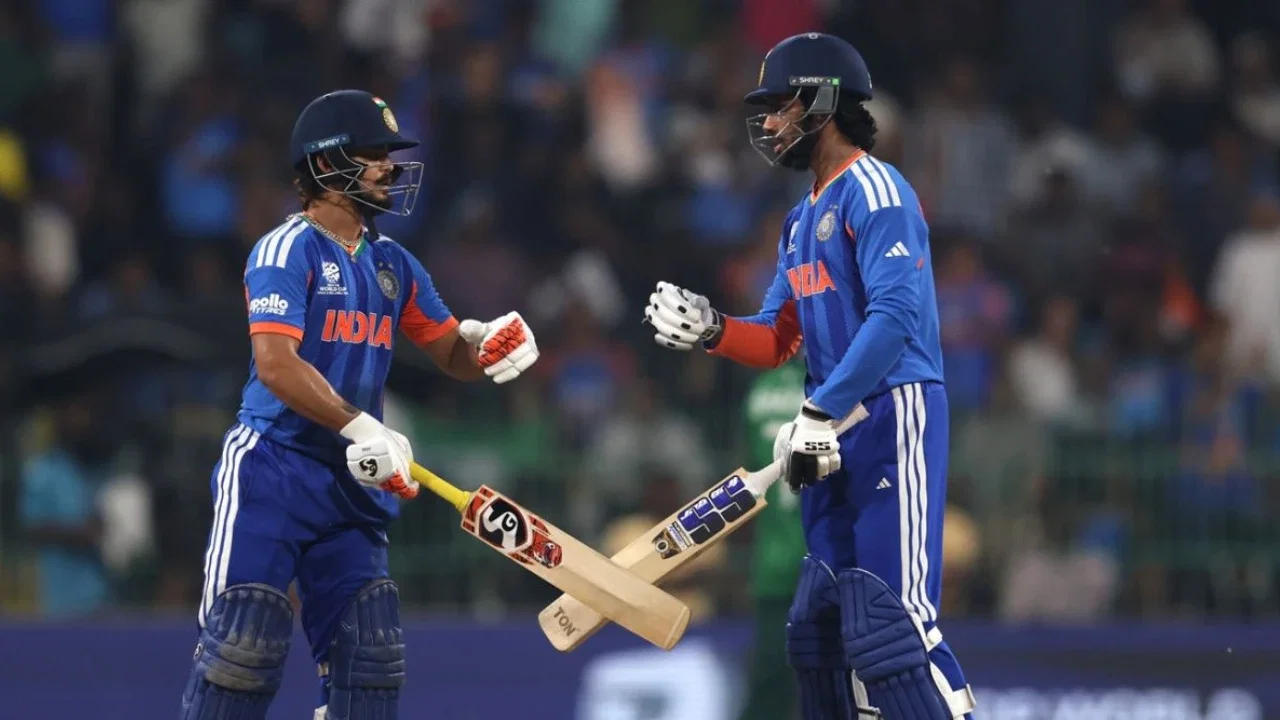
Naman Dhir makes big pitch admission, reveals Ravindra Jadeja’s advice before 3rd ODI vs West Indies
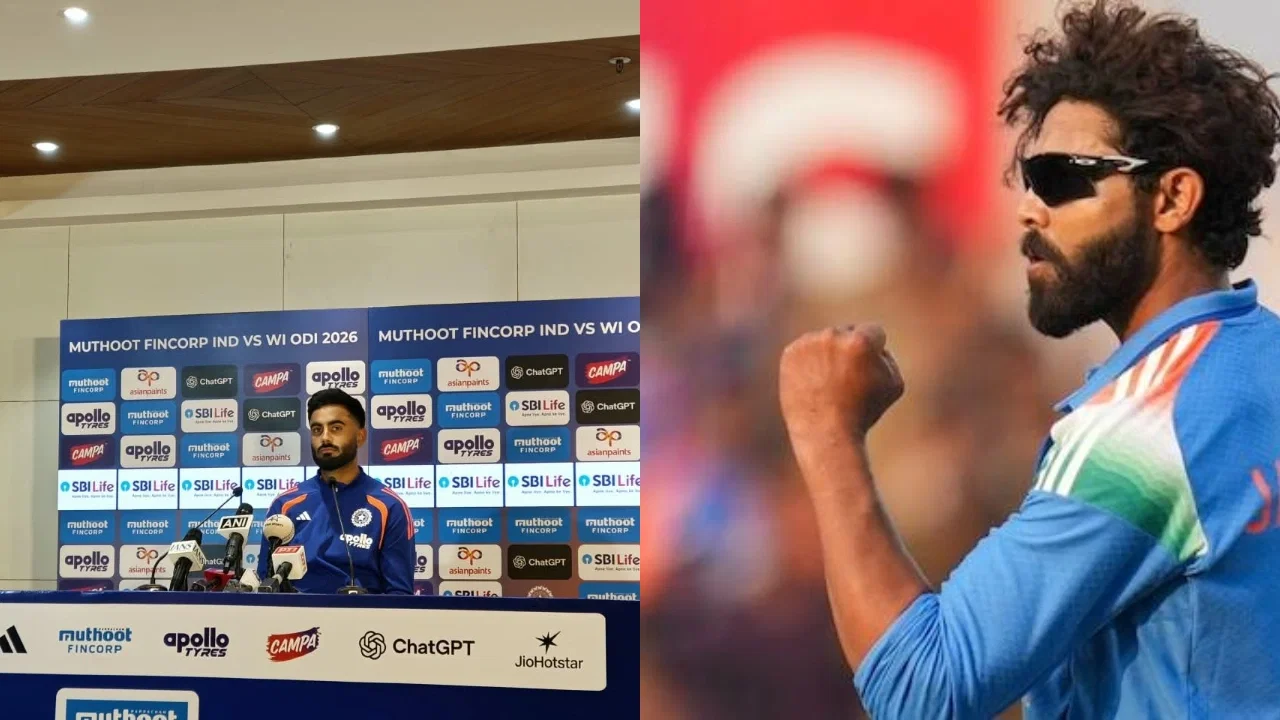
Naman Dhir’s Debut and Expectations as India Prepares for the Third ODI Against West Indies
In a series that has captured the attention of cricket enthusiasts worldwide, young Indian cricketer Naman Dhir recently made his debut in the One Day International (ODI) format during the first match of the ongoing series against the West Indies. His entrance into the national team has generated considerable buzz, especially as India gears up for the upcoming 2027 ODI World Cup. With the third and final ODI scheduled at the PCA New Cricket Stadium in Tira, New Chandigarh, anticipation is running high. Fans and analysts alike are eager to see how the pitch conditions will influence the game, and prediction models are being closely examined to forecast the outcome of this crucial fixture.
Naman Dhir Reflects on Debut and the New Chandigarh Pitch
Insight into the Pitch Conditions
As a promising young talent, Naman Dhir’s debut was marked by cautious optimism. During the pre-match press conference, Dhir openly admitted he had not yet seen the pitch before making his predictions. When asked about the probable nature of the wicket, he stated, “I haven’t seen the wicket yet, so I can’t assess it at the moment. Maybe 290-300 can be a good score if it’s a good wicket.”
His comments highlight the unpredictability of pitch conditions in New Chandigarh, which could mirror the batting-friendly surface seen in Guwahati, where high scores and individual milestones dominated the narrative. If the pitch supports batting, a prediction of around 290 to 300 runs for a competitive total appears plausible. Conversely, if the surface favors bowlers, the game could turn into a different contest altogether. The new pitch’s character will undoubtedly influence team strategies and prediction models for the match.
Performance Expectations and Player Contributions
While Dhir has yet to showcase his full potential with the bat in international cricket, his role as a bowler has drawn attention. His economical spells in the previous matches proved vital for India, especially given the struggles faced by the bowling unit. With an economy rate of 6.60 in the first match and 6.20 in the second, Dhir demonstrated his ability to contain runs—a crucial skill in ODIs where run rate management can determine the outcome.
Although he has not yet taken his first wicket for India, his disciplined bowling and ability to restrict the opposition’s scoring opportunities have been noteworthy. His performances thus far suggest that he could become a key player in India’s bowling arsenal, especially if the pitch conditions favor bowlers. Prediction models are increasingly emphasizing the importance of such economical bowlers in balancing the team’s overall strategy.
India’s Series Performance and Strategic Outlook
Batting Brilliance vs. Bowling Challenges
The ongoing series has seen India demonstrate formidable batting prowess, particularly in the second ODI at Guwahati. Captain Rohit Sharma’s century and Shubman Gill’s double century propelled India to a massive 406-run target, which the West Indies could not chase down. The batting display was a masterclass in power-hitting and strategic innings building, reinforcing India’s reputation as a formidable batting unit.
However, the bowling department has encountered significant challenges. In the first two matches, Indian bowlers struggled to contain the West Indies’ aggressive batting lineup. Several bowlers, including Auqib Nabi and Gurnoor Brar, conceded excessive runs, raising concerns about their consistency and effectiveness. The nightmare for Indian bowlers was epitomized when three West Indies players scored centuries in the second match—a rare feat in ODIs—highlighting the need for strategic adjustments and prediction-based planning to improve their performance.
Looking Ahead to the Final Match
The third ODI, often considered a “dead rubber” in terms of series outcome, holds immense significance for India’s preparations ahead of the 2027 ODI World Cup. The coaching staff and selectors are keenly analyzing player performances, prediction models, and pitch conditions to fine-tune their strategies. The match’s outcome could serve as a barometer for team form and the effectiveness of upcoming selections.
Furthermore, the match is viewed as an opportunity for young players like Naman Dhir to prove their mettle at the international level. His focus on consistency, aided by veteran Ravindra Jadeja’s mentorship, underscores the importance of teamwork and experience in navigating unpredictable pitch conditions and match scenarios.
Naman Dhir’s Perspective on Bowling Strategy and Mentorship
Influence of Ravindra Jadeja
One of the highlights of Dhir’s candid reflections was his acknowledgment of the guidance received from Ravindra Jadeja. The seasoned all-rounder has played a pivotal role in mentoring young players, emphasizing adaptability and match-awareness. Dhir revealed that Jadeja advised him to bowl according to the match situation, which he found immensely helpful. “Jaddu bhai asked me to bowl according to the situation. He has been helpful,” Dhir shared.
This mentorship reflects the broader strategy within the Indian team—leveraging experienced players’ insights to nurture emerging talent. Prediction experts believe that such guidance enhances the adaptability of young bowlers, increasing their chances of success in diverse conditions like those in New Chandigarh.
Batting Strategy and Flexibility
Although Dhir’s primary role in the series has been with the ball, he has expressed confidence in his batting abilities. Having played as low as No. 7 in the IPL, Dhir believes he can contribute both in the top order and lower down the order. His focus remains on maintaining simplicity and consistency, especially on his home ground.
He further mentioned, “I’ll keep it simple; I’m playing on my home ground, so I just want to keep things simple. There haven’t been a lot of technical changes.” Such a balanced approach aligns with prediction models that favor adaptable players capable of performing under varying match conditions.
Conclusion: The Road Ahead for India and the Prediction Landscape
As the third ODI approaches, all eyes are on the pitch conditions, player form, and strategic adjustments. The predictions for this match are heavily influenced by the surface’s nature—whether it will favor the batters or bowlers—and the performances of emerging players like Naman Dhir. His ability to adapt, guided by mentorship from experienced veterans like Jadeja, could be a game-changer for India.
With the series serving as a preparatory ground for the 2027 World Cup, every match holds lessons and insights that will shape India’s future strategies. The prediction models now consider not just the current form but also the evolving pitch conditions and player adaptability, making the upcoming fixture a highly anticipated showdown. Fans and analysts alike are eager to see whether India can consolidate their dominance or if the West Indies will deliver an upset on this crucial stage.
In summary, the series continues to be a fascinating study in prediction, strategy, and talent development. The New Chandigarh pitch, mentorship dynamics, and player performances all intertwine to create a compelling narrative—one that promises excitement and valuable insights into India’s cricketing journey leading up to the next World Cup.
Latest News
Justin Greaves ruled out of India vs West Indies ODI series
Naman Dhir makes big pitch admission, reveals Ravindra Jadeja’s advice before 3rd ODI vs West Indies
‘It was not really my dream’: Shubman Gill makes shocking admission on India captaincy
Shubman Gill explains the importance of Virat Kohli and Rohit Sharma in ODIs
Former India batter raises fitness worry over Shubman Gill, asks him to learn from Virat Kohli
Sourav Ganguly opens up on India-Pakistan rivalry, backs Rohit Sharma, Virat Kohli for World Cup 2027
Abhishek Sharma wants to leave SRH ahead of IPL 2027, three franchises in race
“Don’t dismiss”: Auqib Nabi receives backing ahead of India vs West Indies 3rd ODI
Shreyas Iyer gets advice from Mohammad Kaif, urged to continue VVS Laxman’s winning formula

Big blow for Sri Lanka! Wanindu Hasaranga, Pathum Nissanka ruled out of Pakistan T20Is
IND vs WI Playing 11 Today, Live Streaming, Pitch & Weather: India vs West Indies 3rd ODI, 2026
Yuzvendra Chahal retires from red-ball cricket, continues IPL career
Sri Lanka announce T20I squad for Pakistan series; Kusal Mendis named as captain

Rohit Sharma, Virat Kohli’s ‘professional rivalry’ confirmed by ex-RCB star