Nigar Sultana reveals the real reason behind T20I captaincy exit

Nigar Sultana Announces Retirement from Bangladesh Women’s T20I Captaincy Post-Asian Games 2026: A Strategic Shift Towards Personal Growth
In a significant development within Bangladesh women’s cricket, captain Nigar Sultana has declared her intention to step down from her leadership role in the T20 International (T20I) format following the upcoming Asian Games 2026. This decision marks a pivotal moment in her career, reflecting both personal ambitions and a broader strategic shift for the team. Nigar’s departure comes amidst a challenging campaign at the Asian Games, where Bangladesh faced a heavy semi-final defeat against India, ending their quest for the gold medal in cricket’s prestigious multi-sport event.
Understanding Nigar Sultana’s Decision: A Blend of Leadership Transition and Personal Aspirations
Nigar Sultana, a prominent figure in Bangladesh cricket, has been at the forefront of the national team’s efforts in recent years. Her leadership has been marked by resilience, skillful batting, and a desire to elevate Bangladesh’s standing in international women’s cricket. However, after the semi-final loss at the Asian Games 2026 in Japan, she publicly announced her decision to relinquish the captaincy. This move was not made impulsively but was the culmination of careful considerations regarding her role within the team and her personal development as a cricketer.
Sources close to the Bangladesh Cricket Board (BCB) reveal that Nigar had already communicated her intentions prior to the tournament, indicating her desire to focus more intensely on her batting and individual contributions. While her leadership was instrumental in inspiring her teammates, she expressed a wish to reduce the pressures associated with captaincy, thereby allowing her to hone her skills and potentially extend her cricketing career.
Reactions and Clarifications: Nigar Sultana Responds to Rumors and Criticisms
Following her announcement, there was speculation about the underlying reasons for her departure. Rumors suggested dissatisfaction with the support from the Bangladesh Cricket Board (BCB), especially during tough times. However, Nigar was quick to clarify these narratives, emphasizing that her decision was primarily motivated by her ambition to enhance her batting prowess and contribute more effectively as a player.
In a candid interview with Cricbuzz, she stated, “No, it’s totally false that I left because I was hurt.” She further elaborated, “As a batter and a player, I believe I still have a lot to offer Bangladesh. My decision to step back from captaincy is about focusing on my strengths and helping the team in the best way I can.” This statement underscores her commitment to the team’s future and her personal growth, signaling her intention to remain a vital part of Bangladesh cricket without the added burden of leadership responsibilities.
The Significance of the Asian Games 2026 Semi-Final: A Turning Point
The semi-final clash against India at Korogi Sports Park in Nisshin was a defining moment for Bangladesh women’s cricket. Bangladesh was tasked with defending a substantial target of 195/4, set by India, who showcased remarkable batting prowess, particularly from Shafali Verma, who scored an unbeaten 100 off just 49 balls. The Indian opener’s century was a masterclass in aggressive batting and set the tone for their commanding victory.
Despite a valiant effort, Bangladesh’s batting lineup faltered under pressure, collapsing to 81 all out in 15.4 overs—a defeat by a margin of 114 runs. Nigar Sultana, reflecting on the performance, admitted that the batting failure was a critical factor in the loss. She highlighted that while the bowlers did their part, better execution in the batting order could have made a significant difference.
She explained, “When you’re chasing such a big total, a collapse is almost inevitable if the top order doesn’t stay resilient. We could have limited their scoring with better bowling, but even one experienced batter staying till the end could have helped us add more runs.” Her candid assessment points to areas where Bangladesh needs to improve—particularly in maintaining composure under pressure and building a more resilient batting strategy for future tournaments.
Challenges Faced: Rain, Preparation, and Infrastructure Issues
Beyond the on-field setbacks, Bangladesh’s campaign was hampered by logistical and environmental challenges. Nigar Sultana pointed out that inclement weather severely limited their preparation time in Japan. The team’s scheduled warm-up match against China was canceled due to rain, and their first match against the same opposition was washed out entirely. These disruptions deprived Bangladesh of critical practice sessions, affecting their readiness for high-stakes matches.
She lamented, “We have virtually no proper training facilities here. Missing out on that warm-up game was a big blow to our preparations.” The lack of adequate infrastructure and training opportunities remains a persistent obstacle for Bangladesh women’s cricket, hindering their ability to compete at the highest levels consistently.
Looking Ahead: Bangladesh’s Final Match and Future Prospects
Despite the setbacks, Bangladesh is set to face Pakistan in the bronze medal match—a contest that offers both redemption and a platform for Nigar Sultana to conclude her leadership stint on a positive note. Historically, Bangladesh has enjoyed a strong record against Pakistan in T20I cricket, and this upcoming fixture presents an opportunity for the team to demonstrate resilience and improve upon their recent performances.
Nigar remains optimistic about the future, emphasizing the importance of learning from setbacks and focusing on tactical improvements. Her decision to step down from captaincy allows her to concentrate on her batting and contribute meaningfully without the added pressure of leadership. This strategic shift aligns with predictions that Bangladesh cricket will see a new phase of growth, driven by young talent and experienced players like Nigar, who aim to elevate the team’s competitive edge in upcoming global tournaments.
Broader Context: The Future of Women’s Cricket in Bangladesh and the Prediction Landscape
Looking ahead, experts predict that Bangladesh women’s cricket is on the cusp of a new era. With emerging talents and strategic leadership changes, the team is poised to make significant strides in international ranks. Nigar Sultana’s decision to prioritize her batting and individual development is seen as a positive move that could inspire a new generation of players focused on technical excellence and mental resilience.
Furthermore, the upcoming ICC tournaments and regional competitions will serve as platforms to test Bangladesh’s evolving squad. The prediction for Bangladesh’s future performance indicates steady progress, especially if the team can address infrastructural challenges and build greater consistency in batting and bowling performances.
Conclusion: Nigar Sultana’s Legacy and the Road Forward
Nigar Sultana’s announcement to step away from Bangladesh women’s T20I captaincy marks a significant turning point in her illustrious career. Her focus now shifts toward personal growth and contributing as a batter, with predictions favoring her continued influence on the team’s development. While the Asian Games 2026 semi-final loss was a setback, it also served as a catalyst for reflection and strategic realignment.
As Bangladesh women’s cricket enters this new chapter, the lessons learned from recent challenges—ranging from match-day performances to infrastructural shortcomings—will shape the team’s trajectory. With a renewed focus and emerging talent, the prediction is that Bangladesh will continue to grow as a formidable force in international women’s cricket, aspiring to achieve greater success in future tournaments and perhaps, ultimate glory in upcoming Asian Games and World Cups.
Final Thoughts
In conclusion, Nigar Sultana’s decision exemplifies a strategic and mature approach to her cricketing career. Her leadership journey, marked by resilience and passion, has laid a strong foundation for Bangladesh’s women’s cricket team. As she pivots her focus towards batting excellence, the prediction is that her influence will persist, inspiring her teammates and shaping the future of cricket in Bangladesh. The road ahead promises exciting developments, and fans worldwide will be watching to see how this talented cricketer and her team continue to evolve on the international stage.
Latest News

Umesh Yadav gets NOC from Vidarbha, set to join new state for Ranji Trophy 2026/27 season

Sanath Jayasuriya reveals secret behind Abhishek Sharma’s record-breaking century

Wesley Madhevere turns goalkeeper, pulls off brilliant catch to dismiss Alex Carey in 3rd ODI
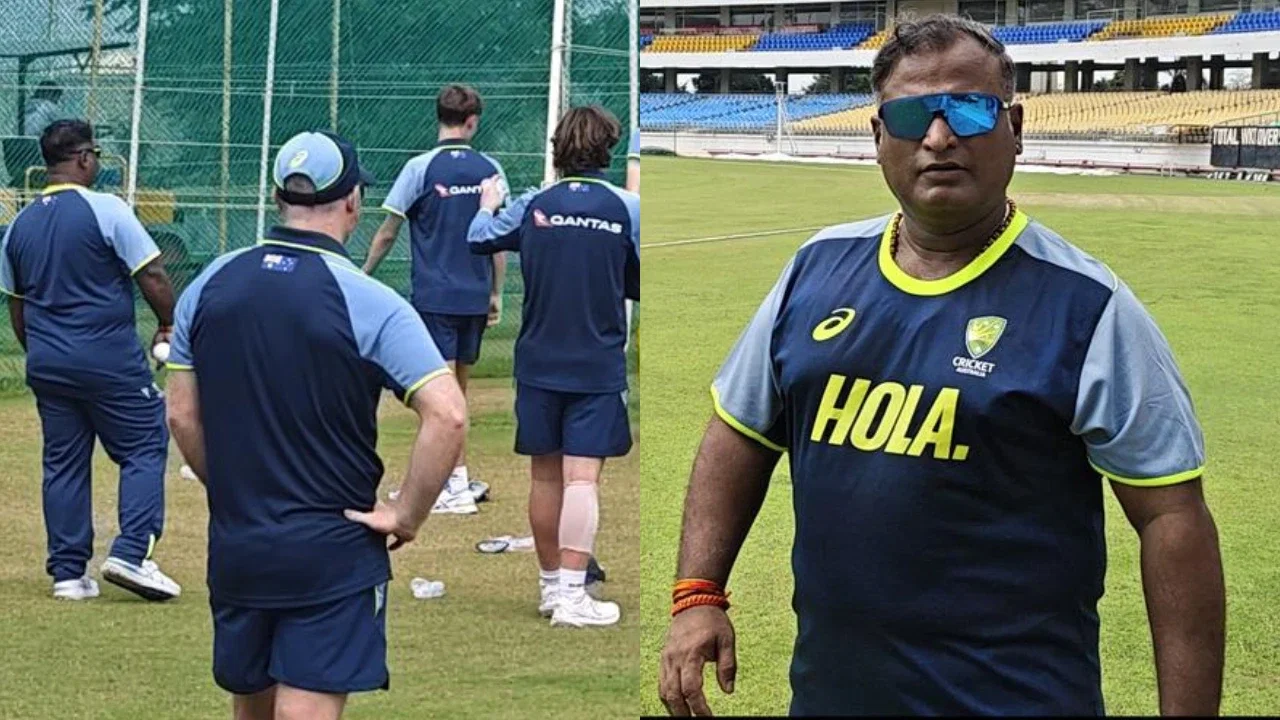
Ramesh Powar lands Australia U-19 role amid BCCI junior selection panel move
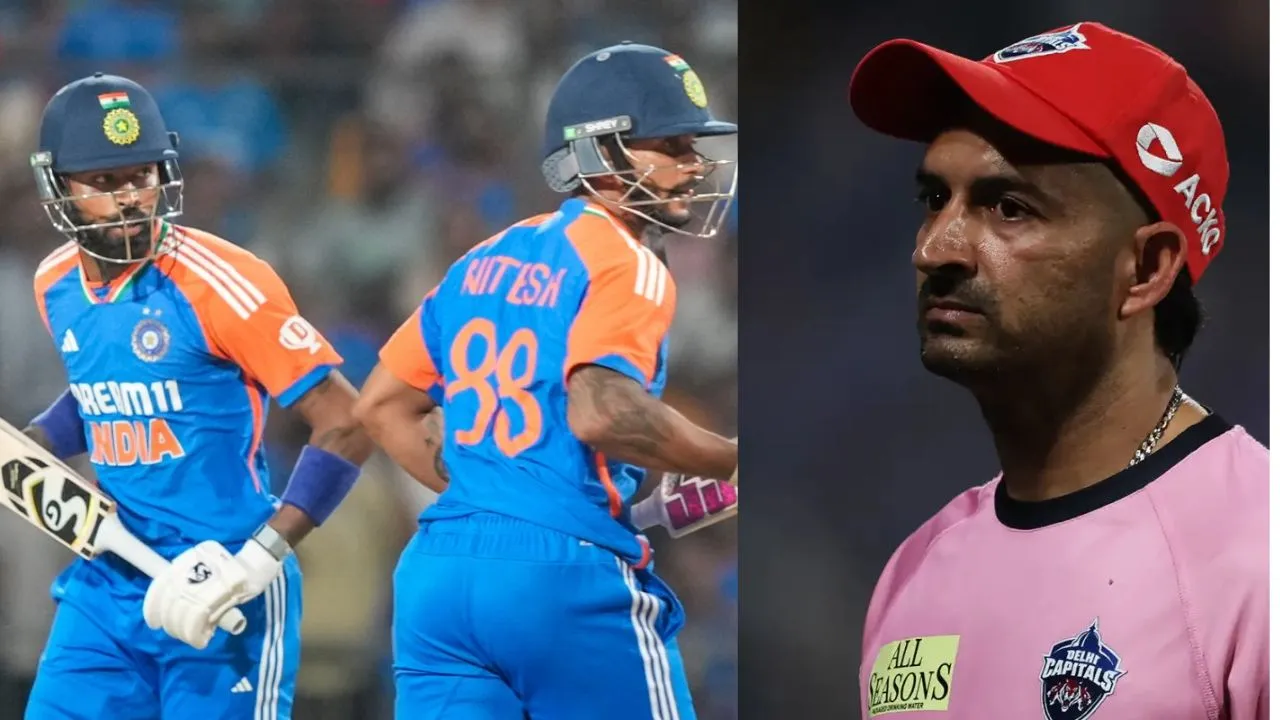
“Nitish Kumar Reddy cannot match Hardik Pandya”: Mohit Sharma explains why

Stephen Fleming reveals how he plans to work with Joe Root as England Test coach

Craig Ervine scripts history against Australia, becomes oldest batter to score ODI fifty

Michael Hussey to replace Stephen Fleming as CSK explore options for new head coach

Aliya Riaz faces trolling after poor fielding for Pakistan in Asian Games

L Balaji to coach India A against Australia A as Andhra spinner replaces Vipraj Nigam

“Want to beat Aussie”: Stephen Fleming reveals ultimate Ashes ambition as England Test coach
Nigar Sultana reveals the real reason behind T20I captaincy exit
Former India selector sends slams Abhishek Sharma and Vaibhav Sooryavanshi over overseas struggles

“He should be an integral part”: Dilip Vengsarkar backs Mohammed Shami for India return