Nigar Sultana set to step down as Bangladesh T20I captain after Asian Games 2026

Bangladesh Women’s Cricket Team Set for Significant Leadership Change Ahead of Asian Games 2026
The Bangladesh women’s national cricket team is on the cusp of a pivotal transformation that could shape the future of women’s cricket in Bangladesh. As anticipation builds around the upcoming Asian Games 2026 in Japan, the team is preparing for a strategic leadership change that promises to influence their performance in international tournaments for years to come. Central to this development is the expected stepping down of Nigar Sultana from her role as the T20I captain, a move that has generated considerable discussion among cricket enthusiasts, analysts, and stakeholders alike.
Prediction: Leadership Transition as a Strategic Move
Based on insights and recent reports, the prediction is that Nigar Sultana’s decision to relinquish the T20I captaincy signals a calculated shift aimed at optimizing team dynamics and individual performance. This leadership change is not merely a routine alteration but appears to be a well-considered strategy aligned with Bangladesh Cricket Board’s (BCB) long-term vision to elevate women’s cricket standards.
Nigar Sultana has expressed her intent to focus entirely on her batting and wicketkeeping roles within the team, believing that stepping down as T20I captain will allow her to contribute more effectively in these areas. Meanwhile, she plans to continue leading Bangladesh in the One Day International (ODI) format, where she has also made significant contributions as a captain and player.
Expanded Context: Nigar Sultana’s Leadership Journey
Nigar Sultana’s tenure as Bangladesh’s T20I captain began in 2022, and since then, she has become a symbol of resilience and leadership for the burgeoning women’s cricket scene in Bangladesh. Her leadership has coincided with some historic moments for the team, including their notable performances on the international stage. Notably, at the 2024 ICC T20 World Cup, Bangladesh achieved a landmark victory over Scotland, marking their first World Cup win in a decade. Nigar’s personal contributions with the bat—scoring 104 runs across four innings—and her wicketkeeping efforts with seven dismissals underscored her vital role in the team’s progress.
Her leadership record includes guiding Bangladesh through a series of challenging tournaments, including the 2026 World Cup qualifiers, where the team remained unbeaten, showcasing their potential. Despite setbacks like the home T20I series loss to Sri Lanka and mixed results in tri-series competitions against teams like Scotland and the Netherlands, Nigar’s leadership has been characterized by resilience, growth, and a drive to elevate Bangladesh women’s cricket.
Throughout her tenure, Nigar has captained the team in 80 T20I matches, a record that surpasses her predecessors, including Salma Khatun. Her win percentage as captain stands at approximately 40.5%, reflecting both the challenges and achievements faced along the way. Her role as the most-capped T20I captain for Bangladesh and her dual responsibilities as wicketkeeper and leader make her one of the most experienced and influential figures in women’s cricket in the region.
Insight: Impact of Leadership Change on Team Dynamics
The prediction surrounding Nigar’s decision suggests that the leadership shuffle could serve as a catalyst for new strategies and a fresh approach to the game. With Nigar focusing on her batting and wicketkeeping, the team might see a renewed emphasis on technical skills, match temperament, and tactical flexibility. The transition also opens opportunities for emerging leaders within the squad to step up, potentially fostering a more diverse and resilient leadership structure.
Cricket analysts believe that this move aligns with a broader trend in international women’s cricket, where players are increasingly taking ownership of their roles and contributing beyond captaincy. It may also signal a strategic shift by the BCB to develop multiple leaders capable of handling different formats and situations, ultimately aiming for sustained success in upcoming major tournaments such as the ICC Women’s World Cup and future Asian Games.
Bangladesh’s Performance at the Women’s Asia Cup 2026: A Reflection of Growth and Challenges
While leadership changes unfold, the team’s recent performance at the Women’s Asia Cup 2026 provides additional context for the prediction of future success. Bangladesh’s journey in the tournament was characterized by both promise and hurdles. They advanced to the semi-finals after a strong group stage, including a commanding 71-run victory over Indonesia, where they bowled out their opponents for just 58 runs and successfully defended a total of 129.
However, their campaign ended prematurely against India in Dubai, where they fell short in the semi-final. Despite posting a competitive 149/6, Bangladesh struggled against India’s formidable spin attack, managing only 109/7 in the chase. Shorna Akter’s unbeaten 22 was a bright spot, but ultimately, India’s dominant performance ended Bangladesh’s hopes of securing their first Asia Cup title.
This performance underscores the prediction that Bangladesh is on an upward trajectory but still faces hurdles that require strategic leadership and skill development. The team’s ability to learn from these experiences and adapt under new leadership could be crucial to their future prediction as a rising force in women’s cricket.
Looking Ahead: The Future of Bangladesh Women’s Cricket
The upcoming leadership transition post-Asian Games 2026 is anticipated to usher in a new era for Bangladesh women’s cricket. The prediction is that by focusing on nurturing young talent and fostering a more versatile leadership framework, Bangladesh will position itself as a formidable contender on the international stage. The team’s recent performances indicate potential, but consistency and strategic growth will be key to fulfilling their ambitions.
Moreover, the BCB’s emphasis on infrastructure, coaching, and player development, combined with leadership stability, is expected to enhance the team’s capabilities. The prediction remains optimistic that these changes will translate into better results in upcoming ICC tournaments and regional competitions, ultimately elevating Bangladesh’s status in women’s cricket globally.
Conclusion: Embracing Change for Future Success
As the Bangladesh women’s cricket team prepares for the next chapter, the prediction is clear: leadership changes, like Nigar Sultana’s stepping down from T20I captaincy, are not just about individual transitions but are strategic moves aimed at long-term success. The team’s ability to adapt, grow, and learn from recent experiences will determine their trajectory in international cricket.
The upcoming Asian Games 2026 will serve as both a milestone and a testing ground for these new dynamics. With a focus on resilience, skill development, and strategic leadership, Bangladesh women’s cricket is poised to make significant strides forward. Fans and stakeholders alike are hopeful that this period of transition will lead to greater achievements, inspiring a new generation of cricketers and cementing Bangladesh’s reputation as a rising power in women’s cricket.
Latest News

Top 10 highest run-chases in T20 cricket history, ft. West Indies’ Ranchi win vs India
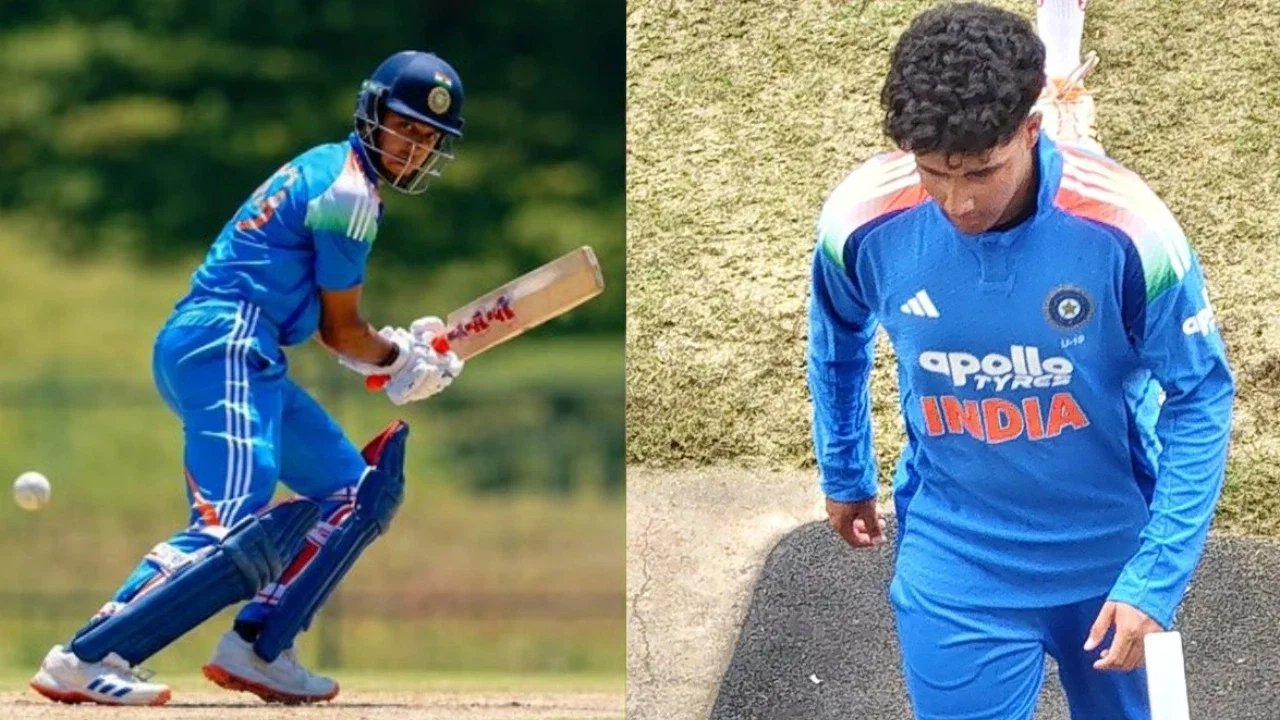
Aaryavir Sehwag and Anvay Dravid set to make headlines at U19 Asia Cup 2026

Longest ducks in Test cricket history ft. Nic Maddinson, Shoaib Akhtar

ECB to offer 39 central contracts to England players after Ben Stokes, Mark Wood’s retirement

Steve Smith surpasses Steve Waugh in all-time Test run-scorers’ list

Shane Watson identifies Gautam Gambhir’s biggest problem as India struggle for consistency

Is Bhuvneshwar Kumar in India’s 2027 World Cup plans? Ajinkya Rahane makes revelation
BCCI’s big ₹127 Crore move after injury crisis raises concerns over Team India

Parthiv Patel reveals RCB ignored his Jasprit Bumrah recommendation in IPL 2014 Auction

“Never spoke ill of any faith”: Irfan Pathan hits back at fake news using his name
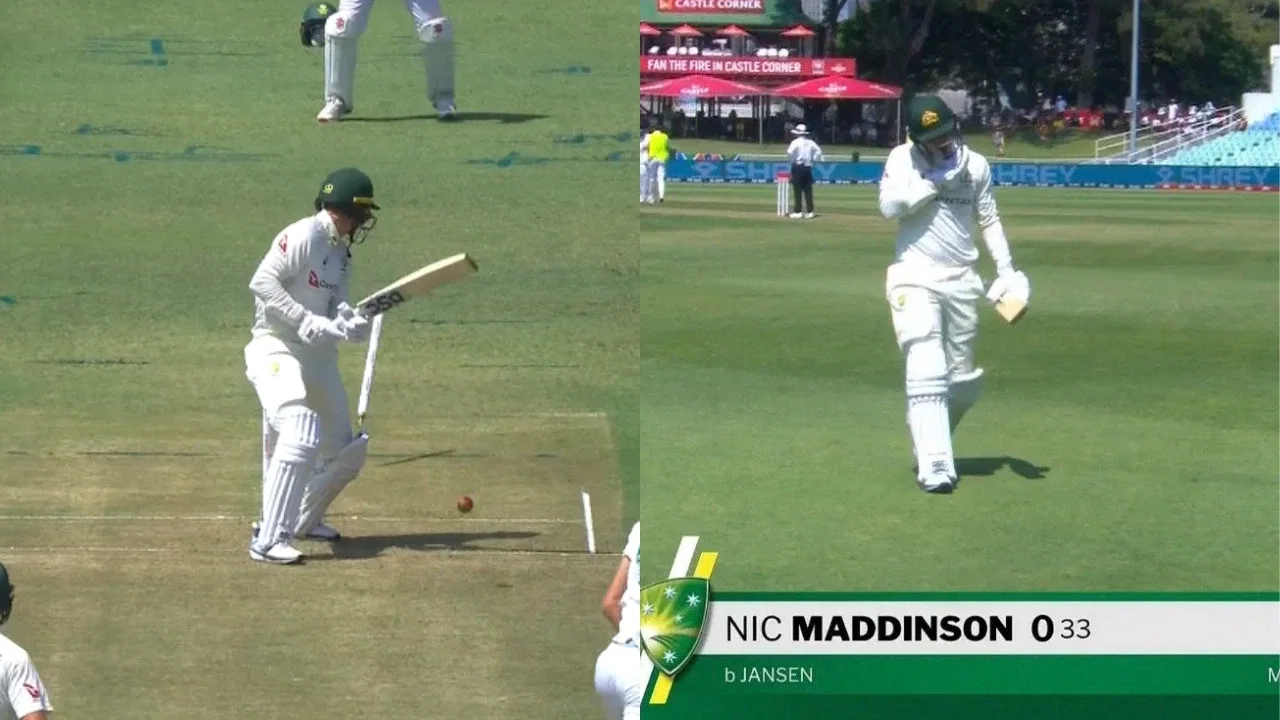
Nic Maddinson bags 33-ball duck on Test comeback, disappoints George Bailey

Imran Tahir predicts 2027 ICC ODI World Cup Semi-Finalists, snubs India for title

Australia create unwanted history with first all-30-plus Test XI
Ravindra Jadeja returns to Ranji Trophy as Saurashtra announce squad