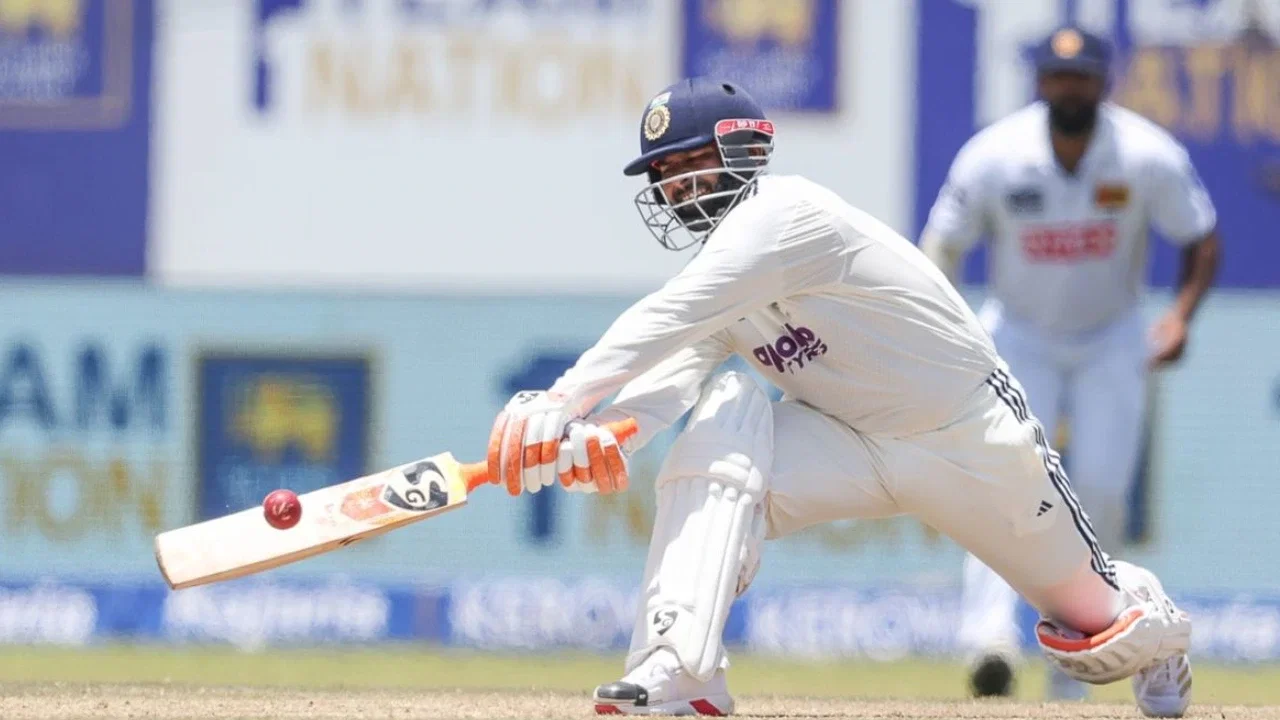
Not Ruturaj Gaikwad! Tilak Varma identified as Virat Kohli’s successor as ODI No. 3
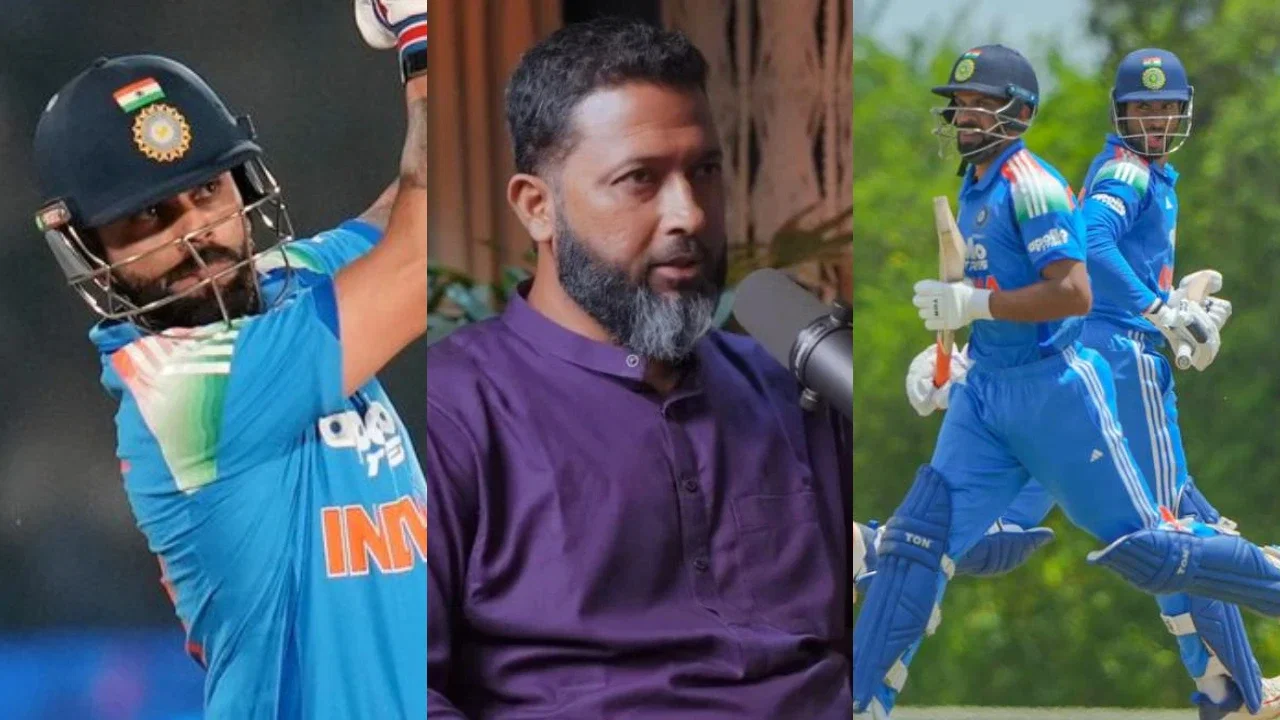
Wasim Jaffer Predicts Bright Future for India’s ODI Batting Lineup with Tilak Varma as Virat Kohli’s Successor
India’s cricketing landscape is constantly evolving, with cricket legends and analysts alike speculating about the next generation of stars who will carry the torch forward. One of the most recent and insightful predictions comes from former Indian cricketing stalwart Wasim Jaffer, who has highlighted Tilak Varma as a promising candidate to succeed Virat Kohli at the pivotal No. 3 position in India’s One Day International (ODI) batting order. Jaffer’s comments come at a time when India is strategizing for future ICC tournaments, including the highly anticipated 2027 World Cup, and are part of a larger conversation about building a resilient, flexible, and dynamic batting lineup for the years to come.
Understanding the Significance of the No. 3 Batting Position in ODIs
The No. 3 spot in ODIs is often regarded as one of the most crucial batting positions. It requires a player to be adaptable, technically sound, and capable of anchoring the innings or accelerating when necessary. Historically, players like Virat Kohli have set the benchmark for excellence in this role, often anchoring India’s batting with consistency and elegance. As Kohli approaches the latter stages of his illustrious career, the search intensifies for the next player who can fill his shoes seamlessly.
Wasim Jaffer’s Prediction: Tilak Varma as the Future No. 3
Why Jaffer is optimistic about Tilak Varma’s potential
In a detailed analysis shared on his popular YouTube channel, Jaffer expressed confidence that Tilak Varma possesses the attributes necessary to become India’s next top-order mainstay. The former batter emphasized Varma’s versatility, technical prowess, and mental toughness—qualities that are essential for a successful No. 3 batter in ODIs. Jaffer pointed out that Varma has already demonstrated his ability to adapt to different batting positions, having scored a century at No. 3 and successfully transitioned to batting at Nos. 5 and 6 in various formats.
“It feels great to see his versatility,” Jaffer remarked. “He previously scored a century at No. 3, and now he has adapted to batting at Nos. 5 and 6 so well. This is an incredible quality, especially for someone who is still young. When Virat Kohli eventually steps away, players like Tilak can seamlessly slot into that role, bringing stability and innovation to India’s batting order.”
The prediction’s context: India’s future cricket strategy
Jaffer’s prediction aligns with India’s broader cricketing strategy of grooming young talent to succeed their experienced players. With Rohit Sharma and Virat Kohli nearing the end of their international careers—likely after the 2027 World Cup—India is actively scouting and developing emerging batsmen who can fill the void. Jaffer specifically highlighted Yashasvi Jaiswal as another key player capable of stepping into the top-order roles, but emphasized that Varma’s left-handed style could provide a strategic advantage in diverse match situations.
The Significance of Left-Handed Batsmen in Modern Cricket
In international cricket, left-handed batsmen are often considered valuable for their ability to disrupt bowling plans and create tactical match-ups. Jaffer’s prediction underscores the importance of having a left-handed batter like Tilak Varma at No. 3, adding variety to the Indian batting lineup. His impressive performance in recent domestic tournaments, including the Duleep Trophy where he showcased his scoring acumen, supports this view. With a first-class average hovering around 55, Varma’s consistency at the domestic level bodes well for his transition to international cricket across all formats.
Additional Perspectives: The Future of Indian Cricket’s Top Order
Sunil Gavaskar’s vision for Rohit Sharma and Yashasvi Jaiswal
Legendary cricketer Sunil Gavaskar has also set ambitious targets for India’s batting future, suggesting that Rohit Sharma’s replacement could be Yashasvi Jaiswal, a talented young opener with a striking record in domestic and limited-overs cricket. Gavaskar’s prediction complements Jaffer’s, emphasizing that the batting order will soon witness a generational shift, with new players assuming roles once held by veterans.
Implications for team balance and strategy
As India prepares for future challenges, the prediction of a left-handed batter as Kohli’s successor at No. 3 reflects a strategic move towards balancing the lineup. It allows the team to introduce varied angles of attack and adapt to different pitch conditions globally. Moreover, this transition phase will be critical in maintaining India’s competitiveness in world cricket, especially as experienced players phase out.
Emerging Talents: The Rise of Abhishek Sharma
While the focus remains on the future of the top order, Jaffer also highlighted the growth of other young talents like Abhishek Sharma. The 26-year-old all-rounder has shown a maturation in his approach, especially demonstrated in his recent match-winning performance against Pakistan at the Asian Games 2026. Sharma’s ability to adapt his batting style—moving from early big shots to a more measured, strategic approach—signals his readiness to take on higher responsibilities in the Indian team.
How Abhishek Sharma’s transformation influences prediction models
This change in his batting philosophy not only enhances his value as a player but also influences prediction models about India’s future batting order. A more mature Sharma offers flexibility as a middle-order or all-round option, giving selectors more options as they plan for upcoming international tournaments. His recent strike rate of over 217 and his ability to stabilize innings under pressure make him a vital asset in the ongoing cricketing cycle.
Conclusion: A Bright Future for Indian Cricket
Wasim Jaffer’s prediction about Tilak Varma as Virat Kohli’s successor at No. 3 is more than just a speculative comment; it reflects a thoughtful assessment of India’s evolving cricketing landscape. With the right talent, strategic planning, and a focus on versatility, India is positioning itself to maintain its dominance in world cricket. The emergence of young players like Varma, Jaiswal, and Sharma signals a promising future where the prediction of a seamless transition is becoming a reality.
As India continues to nurture this new generation of cricketers, cricket fans and analysts alike can look forward to exciting times ahead—filled with innovative strategies, emerging stars, and the potential for new legends to rise on the international stage. The prediction of Tilak Varma stepping into Kohli’s shoes at No. 3 could very well be the beginning of a new chapter in Indian cricket’s storied history.
Latest News
Ashutosh Sharma leaves Railways, joins Gujarat ahead of 2026-27 domestic season
Mohsin Naqvi humiliated as WCL rejects PCB’s apology, handshake demand from Indian players
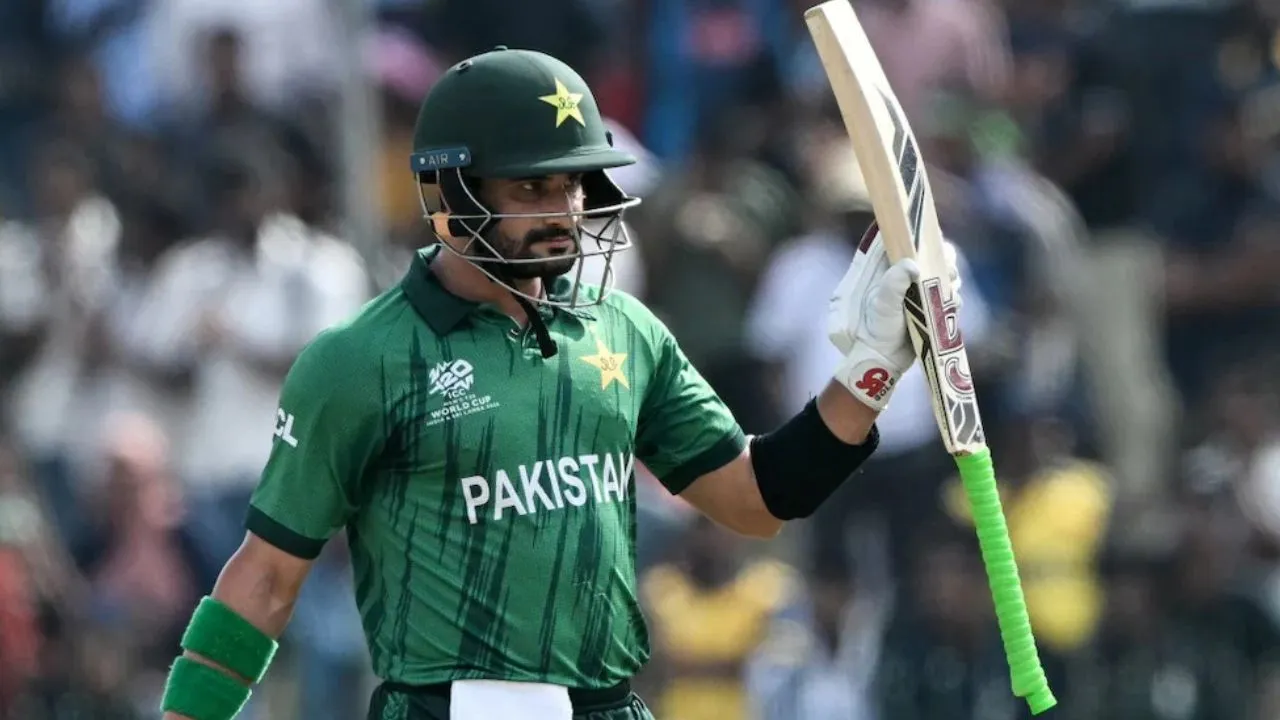
Sahibzada Farhan named as Pakistan captain, India basher included in ODIs and T20Is
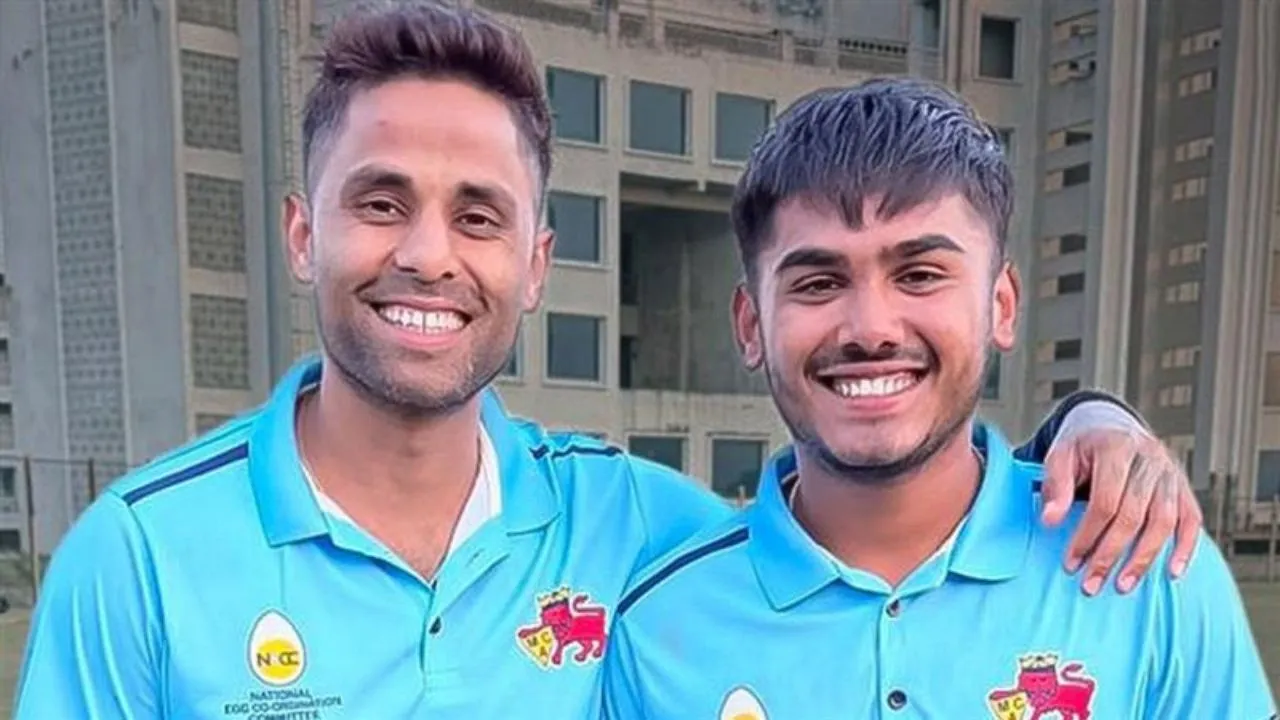
Mumbai name Ranji Trophy squad without Suryakumar Yadav, Ayush Mhatre gets leadership role
BCCI takes control of Bihar team selection, appoints special panel ahead of Ranji Trophy 2026-27
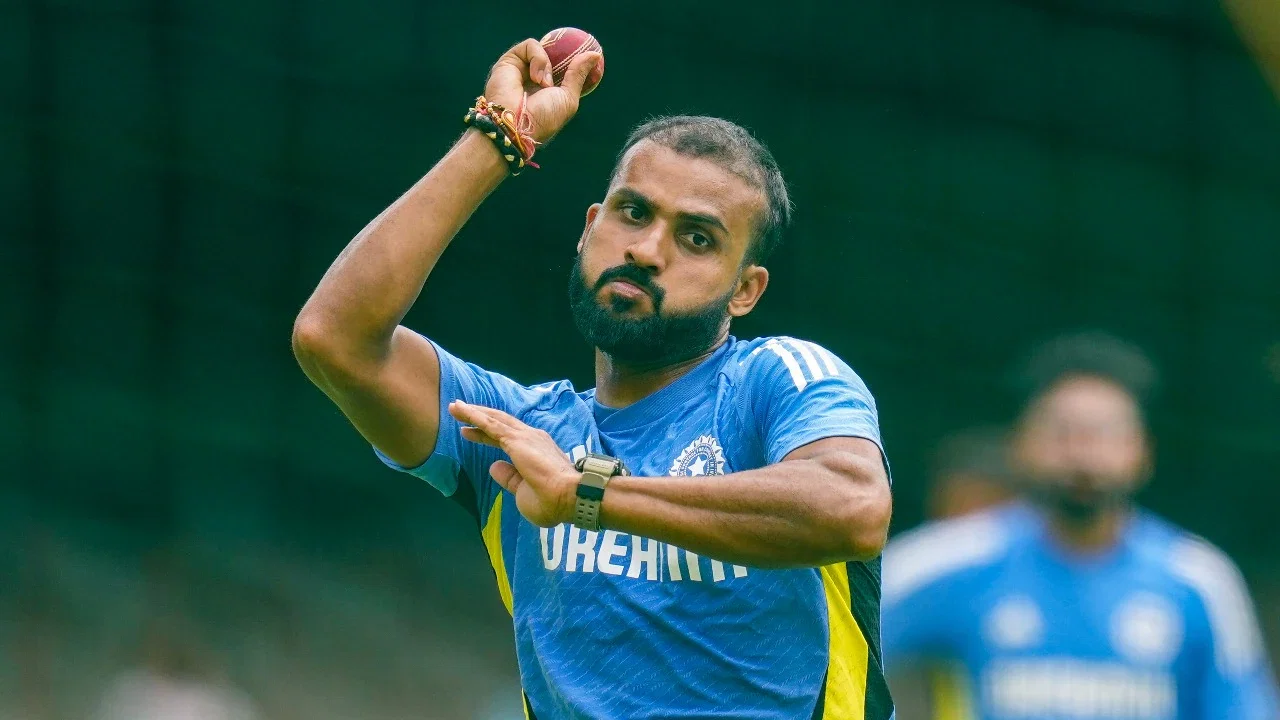
‘My career could last longer’: Akash Deep opens up on injury, workload management
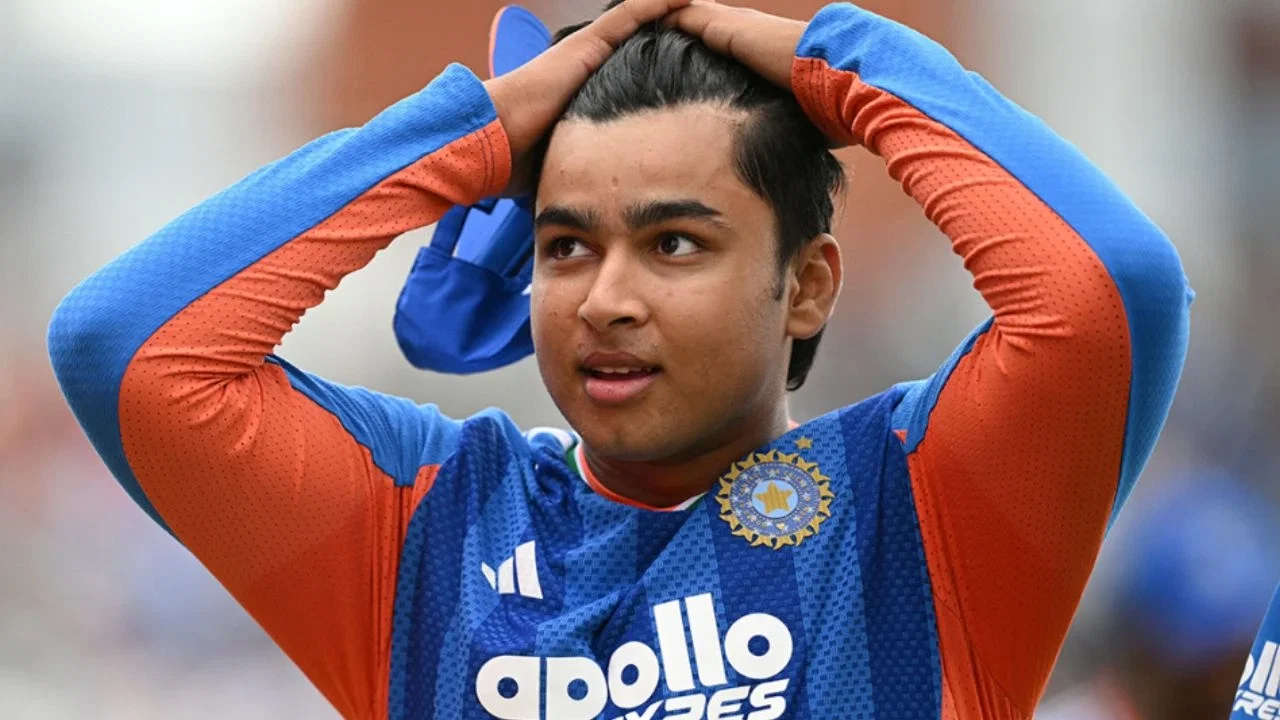
India coach reveals India’s plan for Vaibhav Sooryavanshi ahead of West Indies T20I
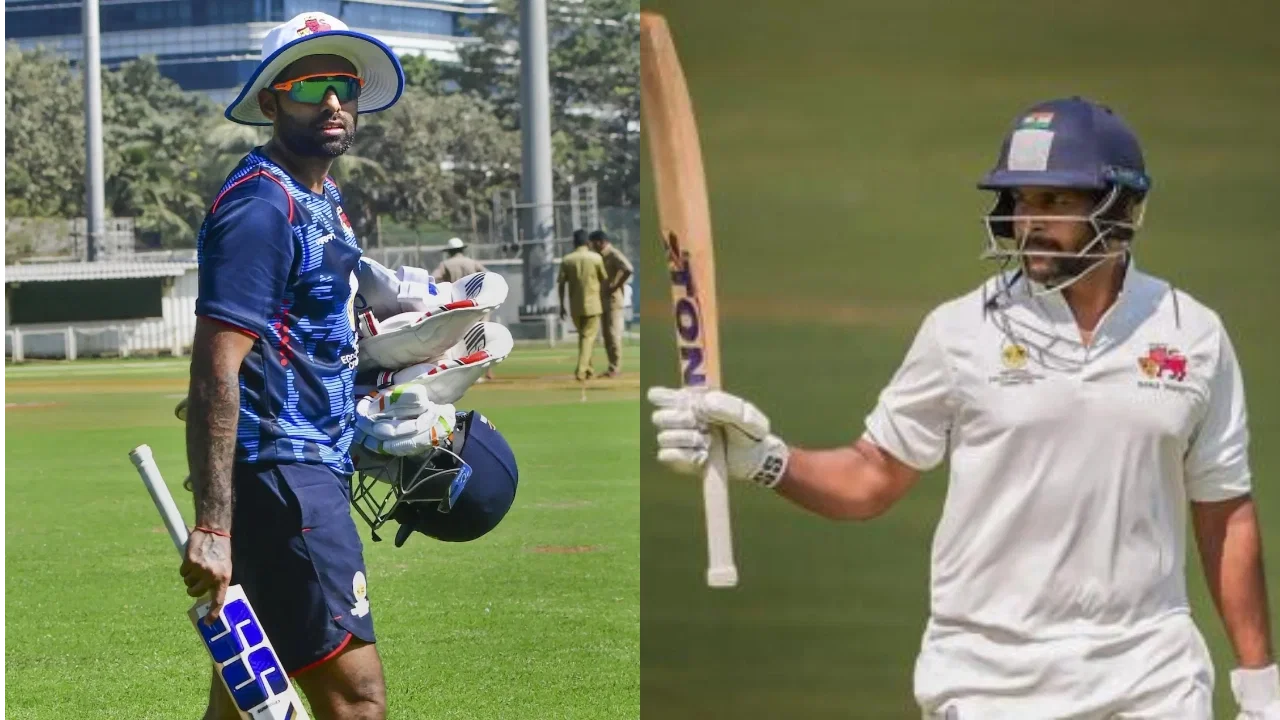
Revealed: Why Suryakumar Yadav and Shardul Thakur were excluded from Mumbai’s Ranji Trophy squad
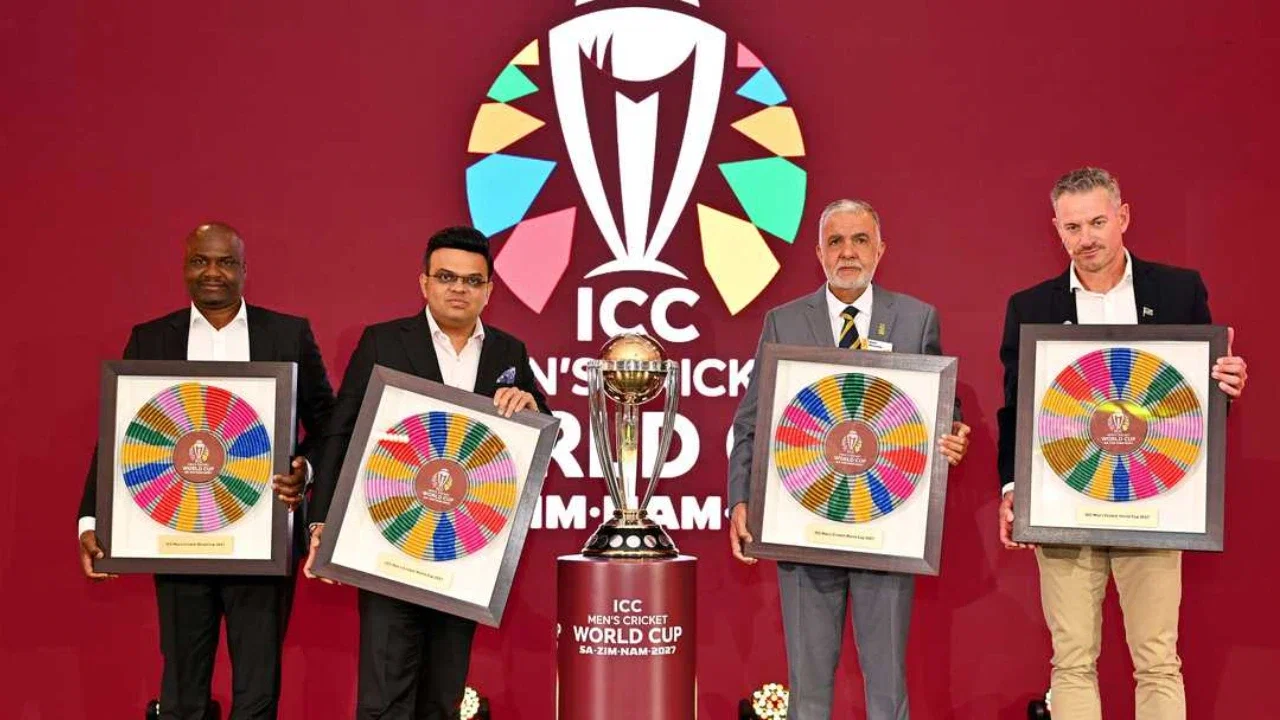
ICC forced to shelve World Club Championship after India, Australia and England object
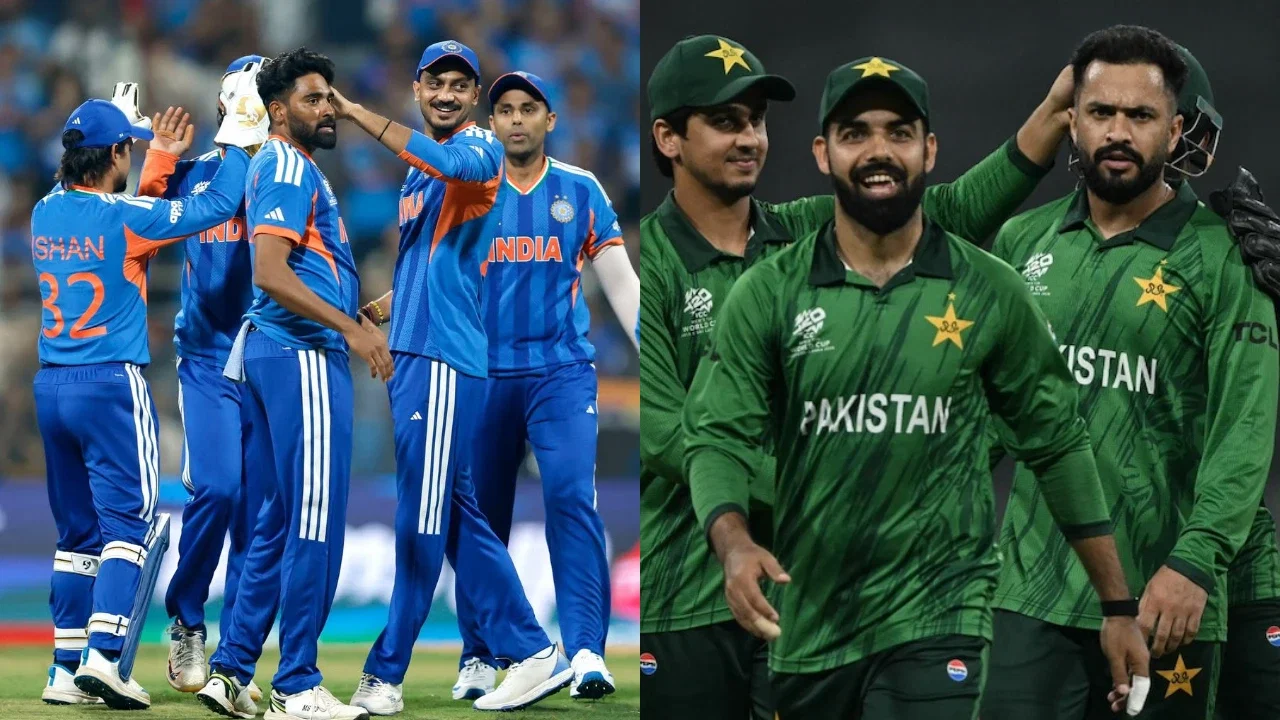
India vs Pakistan battle for Bangladesh ODI series in January 2027
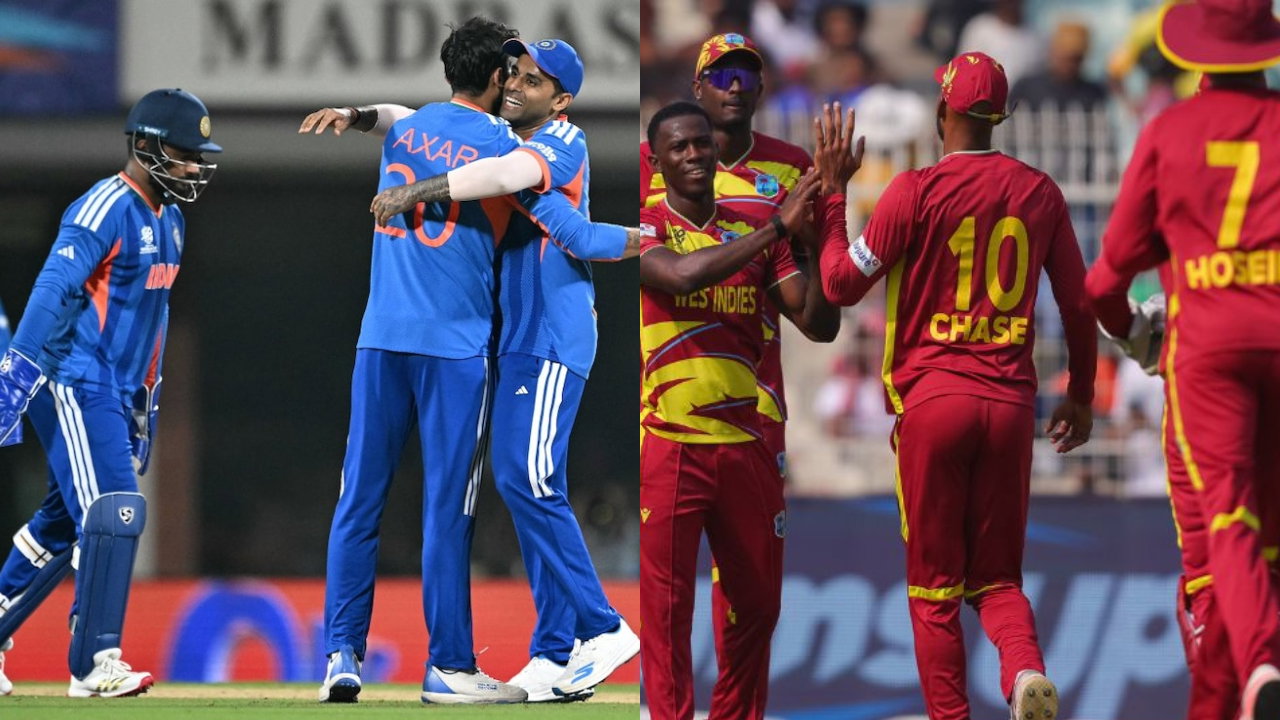
India to tour West Indies ahead of 2027 ODI World Cup: Report
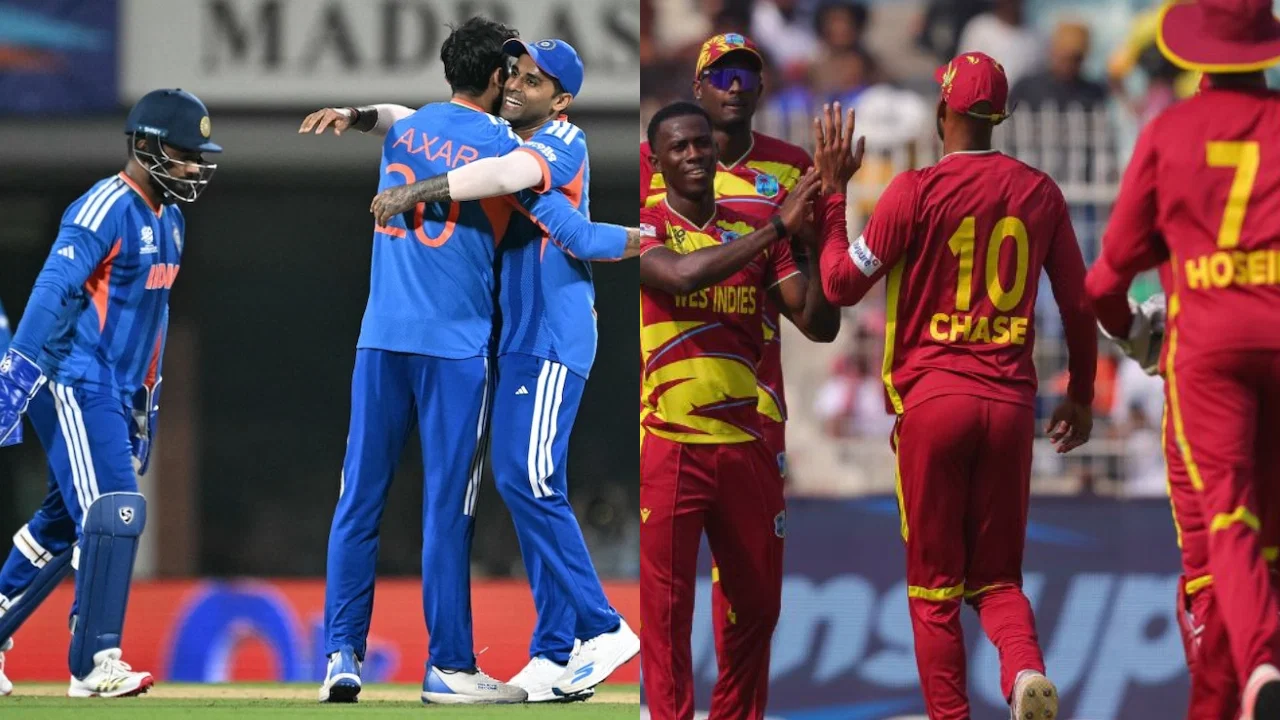
IND vs WI Playing 11 Today, Live Streaming, Pitch & Weather: India vs West Indies 1st T20I, 2026
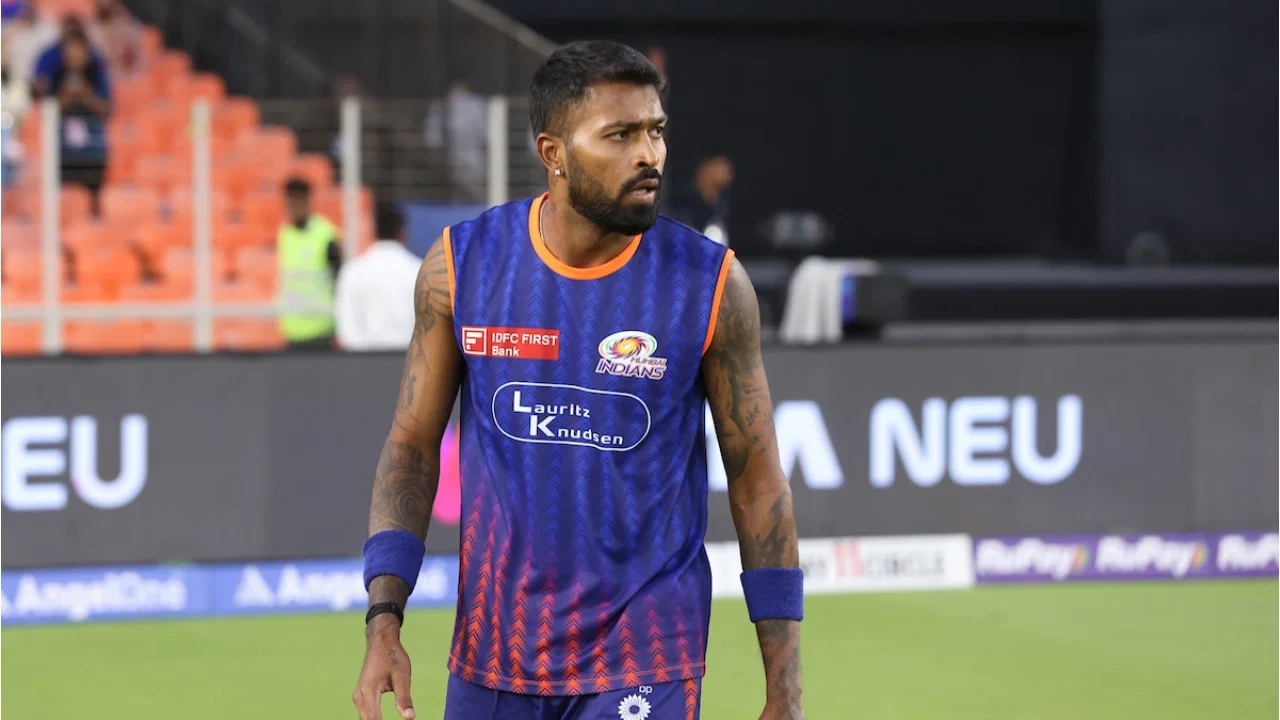
Hardik Pandya’s IPL 2027 trade saga takes new turn as franchise shows fresh interest
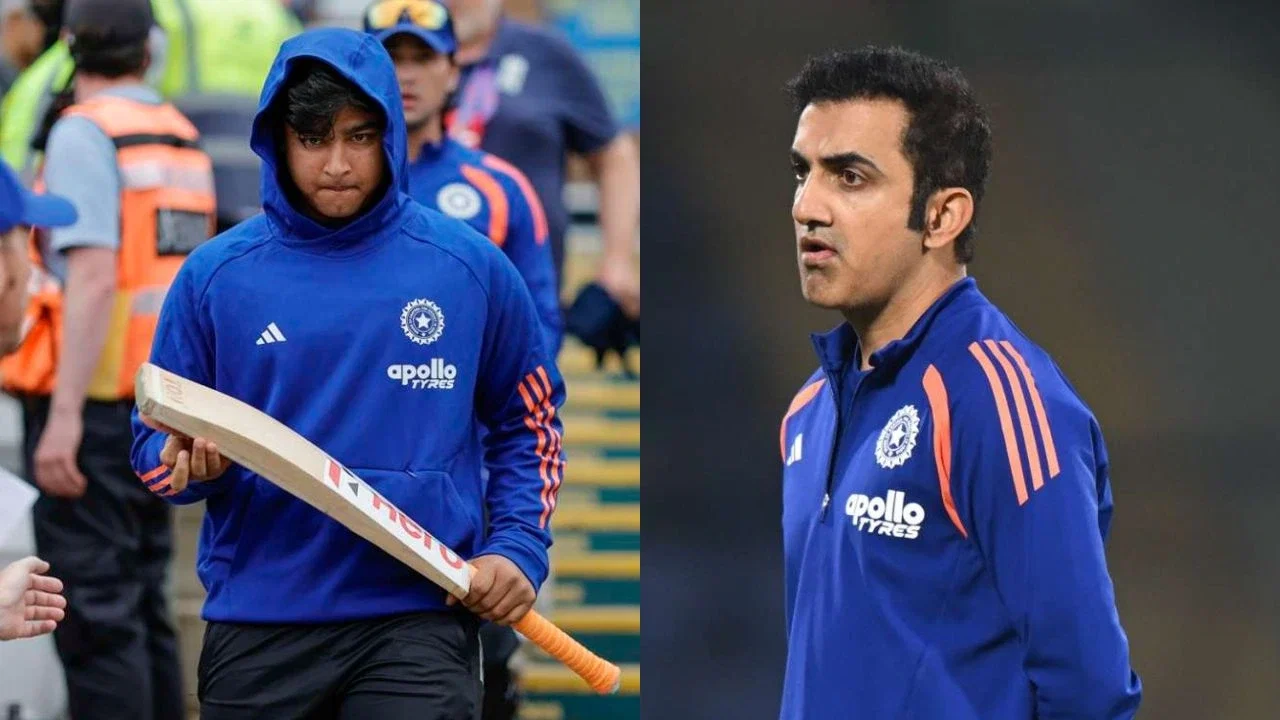
Gautam Gambhir reveals what he told Vaibhav Sooryavanshi over his axing