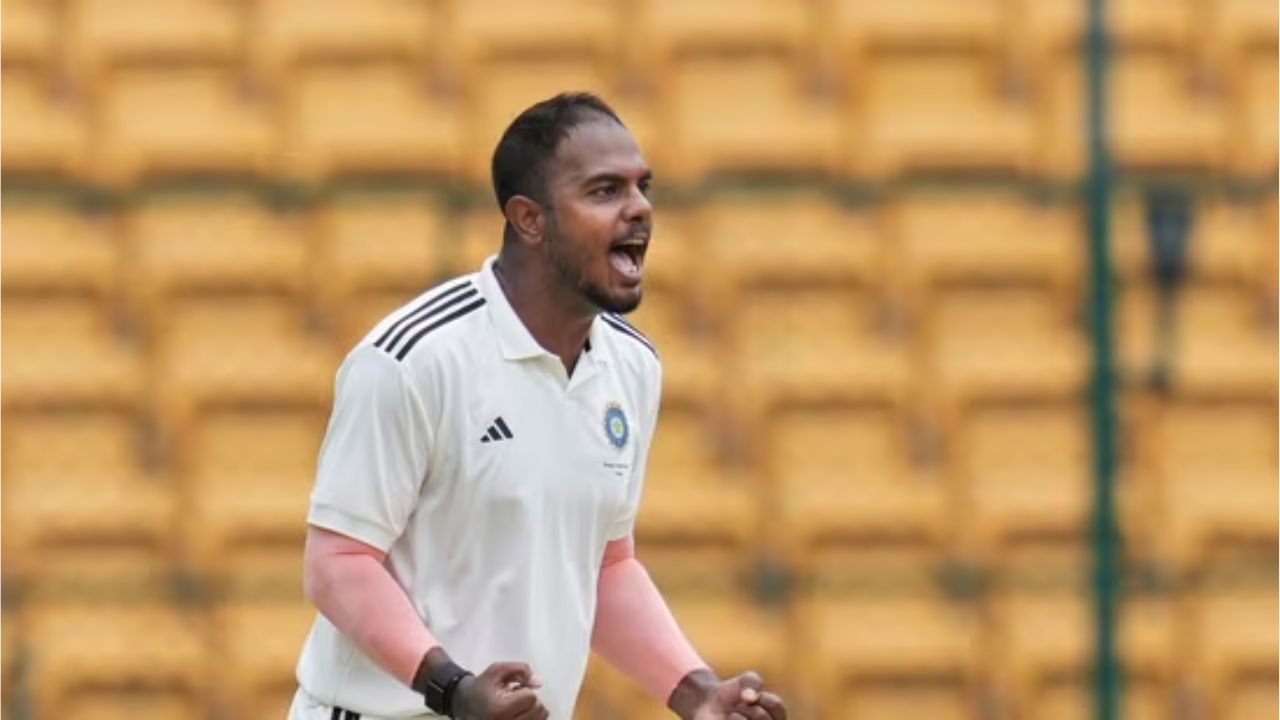
Not Vansh Bedi! Ritik Vats sidelined as DPL, UP T20 League match-fixing claims rock Indian cricket
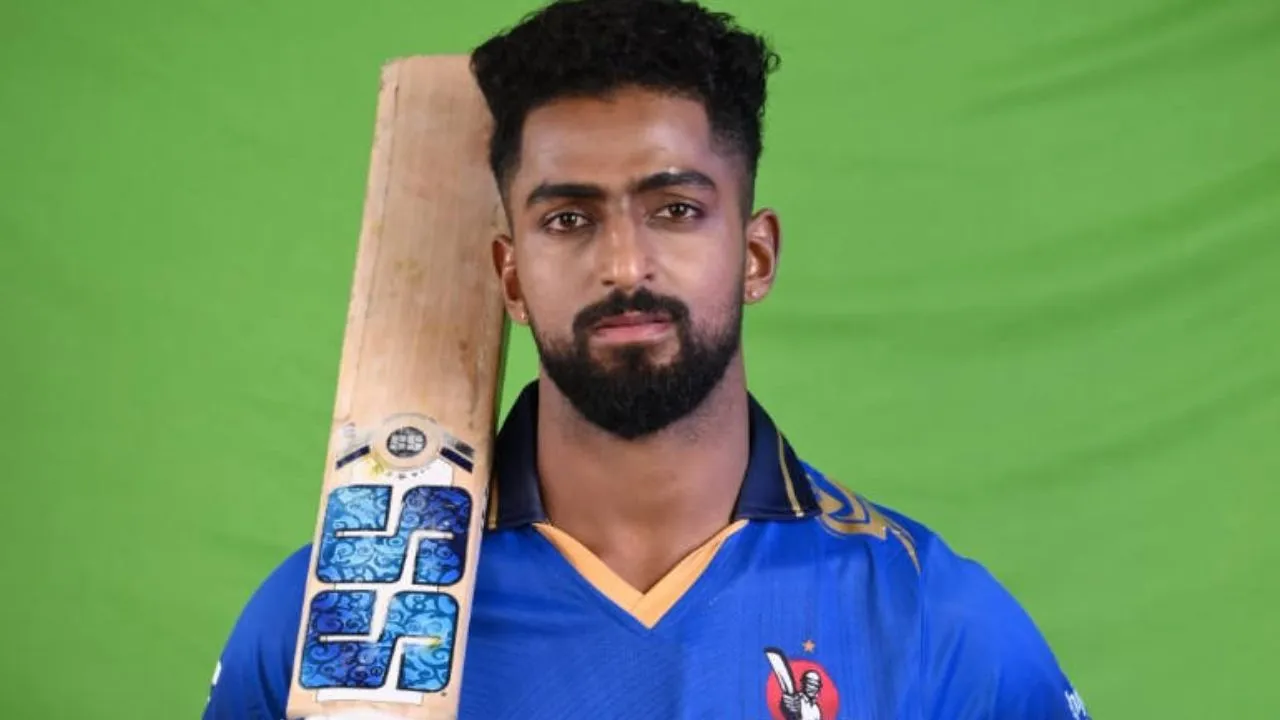
Match-Fixing Allegations Shake Uttar Pradesh Cricket Scene: A Deep Dive into Recent Developments and Future Predictions
Cricket, often hailed as the gentleman’s game, has long been marred by concerns over corruption and match-fixing scandals. Recently, the cricketing fraternity in Uttar Pradesh has found itself embroiled in such controversy, raising questions about the integrity of domestic tournaments and the measures in place to safeguard the sport’s reputation. The latest developments involve the Uttar Pradesh Cricket Association’s (UPCA) decisive action against a player and ongoing investigations into allegations of match-fixing linked to both the Uttar Pradesh T20 League and broader Indian Premier League (IPL) activities. This article offers a comprehensive analysis of the situation, explores the implications for Indian cricket, and provides predictions on how these episodes might influence future governance and anti-corruption measures.
Breaking Down the Recent Controversies: What Exactly Happened?
UPCA’s Bold Move: Removing Ritik Vats Amid Allegations
The Uttar Pradesh Cricket Association (UPCA) recently expelled Meerut Mavericks player Ritik Vats from the ongoing Uttar Pradesh T20 League, citing serious concerns related to match-fixing and illegal contact with players. This decision came shortly after the Anti-Corruption Unit (ACU) lodged a complaint against Vats, claiming he had attempted to establish connections with players from Delhi and Uttar Pradesh, potentially to influence match outcomes.
According to official sources, the UPCA acted swiftly upon receiving the complaint, deploying BCCI-appointed anti-corruption officers to oversee the league and investigate the matter thoroughly. A UPCA representative confirmed to Dainik Jagran that Ritik Vats’s participation in the league had been terminated, and he would not be considered for future selection in Uttar Pradesh teams. Although the official refrained from confirming a formal ban, the implication is clear: the association is taking a zero-tolerance stance towards any activity that jeopardizes the integrity of the game.
The Context: Match-Fixing and Integrity Concerns
Vats’s removal is part of a broader pattern of heightened vigilance against corruption in Indian cricket. The league’s integrity is under scrutiny, especially considering recent social media speculation linking other players, including Delhi cricketer Vansh Bedi, to match-fixing rumors. While no concrete evidence has been publicly presented against Bedi, the situation underscores the growing concern about the pervasive influence of illegal betting syndicates and the need for robust preventative measures.
The Undercover Sting Operation: Revelations by Tehelka and Their Implications
Allegations by Former Cricketer Rachit Bhatia
The controversy escalated following an investigative sting operation conducted by Tehelka, a renowned investigative journalism platform. The report featured former Ranji Trophy cricketer Rachit Bhatia, who made startling claims about widespread match-fixing and illegal sharing of confidential team information during IPL 2025. Bhatia alleged that he provided inside information to bookmakers, receiving ₹60 lakh per match for details about the playing XI across five matches.
Furthermore, Bhatia claimed involvement in spot-fixing during the 2018-19 Syed Mushtaq Ali Trophy, where he admitted to deliberately bowling two wides in exchange for ₹8 lakh. He also revealed that he was offered ₹1.5 lakh for selection in the Nagaland Ranji Trophy team, raising serious questions about the integrity of domestic cricket tournaments.
Unproven Allegations and the Response of Cricket Authorities
It is important to note that these claims have yet to be independently verified. The Delhi and District Cricket Association (DDCA) responded by stating that no player or franchise could be deemed guilty until authorities conduct thorough investigations. The Board of Control for Cricket in India (BCCI) and other governing bodies have promised to scrutinize these allegations carefully, emphasizing their commitment to clean cricket.
Broader Impact: How These Allegations Could Reshape Indian Cricket
Predictions on Future Anti-Corruption Measures
The recent incidents underscore the urgent need for enhanced anti-corruption protocols across all levels of Indian cricket. Expect the BCCI to intensify its surveillance mechanisms, possibly incorporating more advanced technology such as artificial intelligence-based monitoring systems that can detect suspicious betting patterns and unusual player activity in real time.
Moreover, we may see a rise in the use of undercover agents and sting operations to identify potential match-fixers early on. The BCCI’s proactive approach in deploying anti-corruption officers during leagues like the Uttar Pradesh T20 League indicates a strategic shift towards preventative measures, which is likely to become more sophisticated in the coming years.
The Role of Player Education and Ethical Conduct Campaigns
Another prediction is an increased emphasis on educating players about the perils of match-fixing and the importance of maintaining integrity. The BCCI and state associations are likely to launch comprehensive awareness programs, highlighting legal consequences and moral responsibilities to deter involvement in corrupt activities.
Potential Consequences for Players and Franchises
Disciplinary Actions and Future Bans
Players found guilty of match-fixing or illegal contact could face severe disciplinary measures, including lifetime bans. Such actions would serve as strong deterrents and reaffirm the sport’s commitment to fair play. The recent cases suggest that authorities are prepared to take stringent action against anyone involved, regardless of their experience or stature.
Impact on Franchise Reputation and Player Careers
For franchises like Meerut Mavericks, the scandal could tarnish their reputation and lead to increased scrutiny from authorities. Young players, in particular, may become more cautious, understanding that their careers could be jeopardized by even minor lapses in judgment. This could foster a culture of transparency and accountability that benefits Indian cricket in the long run.
Conclusion: The Road Ahead for Indian Cricket’s Integrity
The recent match-fixing allegations and investigations have cast a shadow over Indian cricket, prompting stakeholders to reevaluate their strategies for safeguarding the sport’s integrity. While the authorities have responded swiftly, the situation highlights the ongoing battle against corruption—a battle that requires continuous vigilance, technological innovation, and a strong ethical framework.
Looking ahead, the prediction is that Indian cricket will emerge more resilient, with stricter enforcement of anti-corruption measures, increased transparency, and a renewed commitment to fair play. The collective effort of governing bodies, players, and fans will be crucial in restoring trust and ensuring that the game remains true to its spirit of honesty and sportsmanship.
Final Thoughts
As the investigation unfolds, all eyes will be on the authorities’ findings and the subsequent actions taken against those involved. The cricketing community must remain vigilant and proactive, recognizing that safeguarding the sport’s integrity is essential for its growth and global reputation. The prediction is clear: cricket’s future depends on zero tolerance for corruption, robust enforcement, and a steadfast dedication to fair competition. Only then can the game truly thrive in India and around the world.
Latest News
CSK to review match-fixing allegations at AGM, action likely
New Zealand reunite Finn Allen, Tim Seifert for India T20Is, Rachin Ravindra OUT
David Miller gives update on South Africa future after contract snub
ILT20 Auction 2026: Date, venue, purse, rules and full details
ICC ‘Kills’ bilateral ODIs? New 2027-31 plan explained
Not Vansh Bedi! Ritik Vats sidelined as DPL, UP T20 League match-fixing claims rock Indian cricket
Ashish Nehra was in the frame for CSK head coach job, reveals Ravichandran Ashwin
Pat Cummins, Mitchell Starc and Josh Hazlewood unlikely to play all 3 ODIs vs South Africa
“You’ve gone all the way to Japan to do this?” – Sanjana Ganesan trolls Jasprit Bumrah
Virat Kohli and Rohit Sharma get strong 2027 World Cup backing before West Indies ODIs
Ravichandran Ashwin issues ‘Slow-Pitch’ warning to India after Japan T20I scare
NGR vs SLE Dream11 Prediction Today Match, My11Circle Prediction, Dream11 Team Today, Fantasy Cricket Tips, Playing XI, Pitch Report, Injury Update- Quadrangular T20I Series 2026, Match 3
Kagiso Rabada injury: South Africa head coach provides latest updates
“Ajit Agarkar has been a very good chairman of selectors,” says R Ashwin