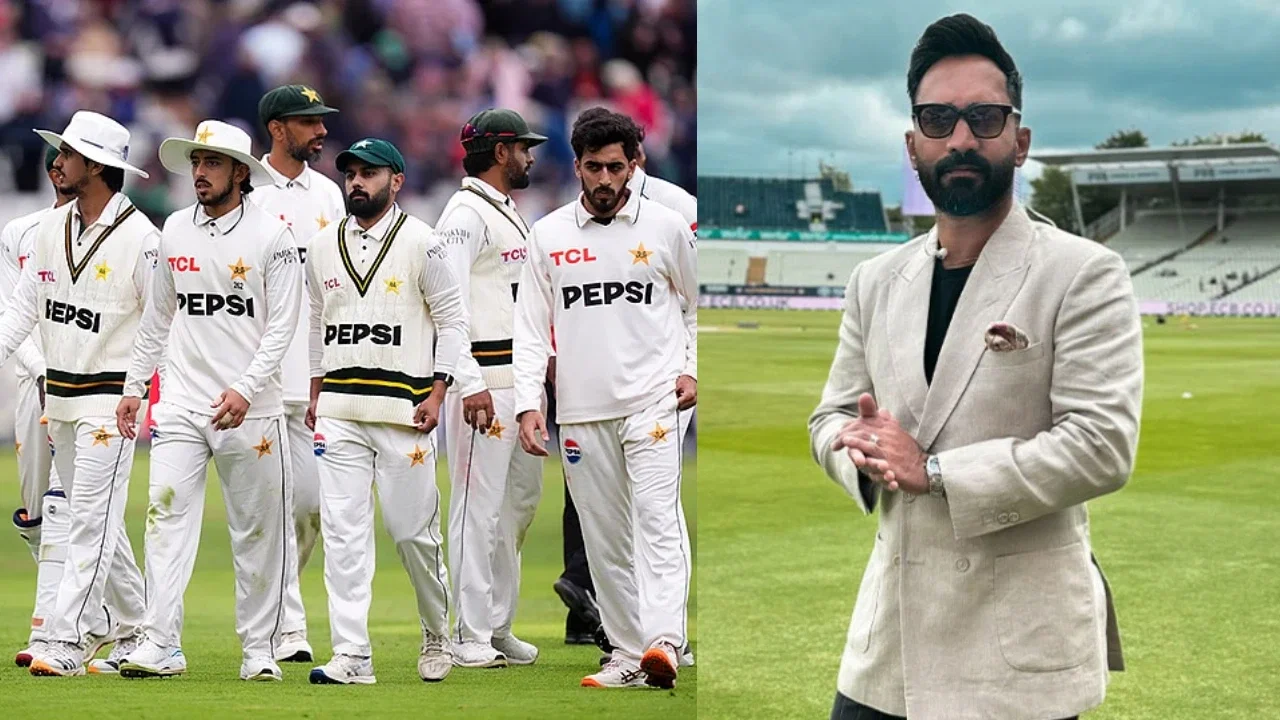
‘One good knock is not enough’: Pakistan ordered to move on from Shan Masood
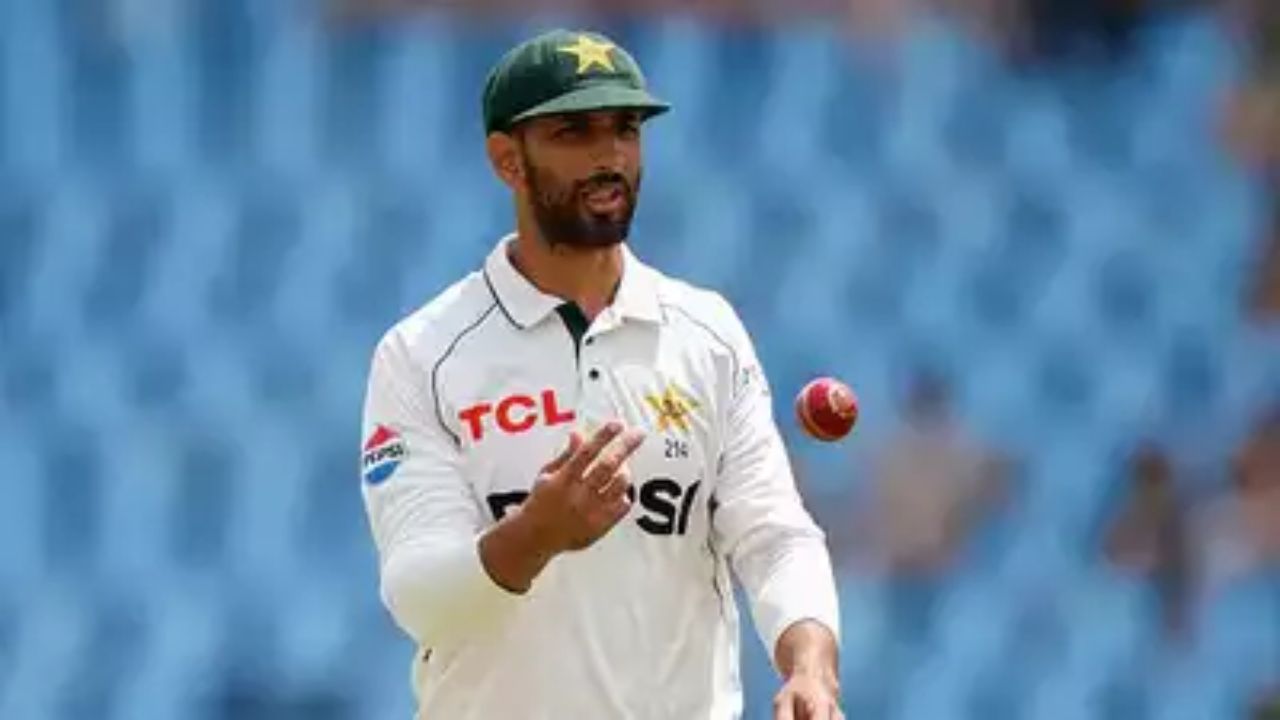
Prediction and Perspective: Mohammad Wasim Questions Future of Shan Masood in Pakistan’s Test Team
The recent Test series against England in Birmingham has ignited a crucial debate within Pakistan cricket circles. As the series concluded with a clean sweep in favor of England—Pakistan’s third consecutive whitewash—the spotlight has shifted from the on-field performances to strategic decisions about the team’s future composition. Central to this discussion is Shan Masood, whose unexpected 95-run innings in the third and final Test has prompted former Pakistan cricket selector Mohammad Wasim to voice a significant prediction about his place in the team moving forward.
Shan Masood’s Notable Innings Sparks Debate on Team Selection
Despite Pakistan’s disappointing series outcome, Shan Masood’s resilient performance in Birmingham has been a talking point. His innings, which showcased determination and skill, was seen by some as a sign of potential revival. However, Mohammad Wasim argues that relying on a single good inning to justify a permanent spot in the team may be a flawed approach, especially given the broader context of Pakistan’s long-term cricket strategy.
Wasim’s prediction is clear: Pakistan’s team management and selectors should critically evaluate whether Shan Masood’s recent performance warrants continued inclusion. While Masood’s latest effort may have earned him another chance, the former selector believes that the bigger picture must take precedence—a perspective increasingly relevant as Pakistan prepares for a new cycle in the ICC World Test Championship (WTC).
Analysis of Masood’s Career Pattern and Future Prospects
Mohammad Wasim pointed out that Shan Masood’s career has been marked by moments of brilliance followed by inconsistent performances. Having played 50 Tests so far, Masood remains an integral part of Pakistan’s batting lineup, but his overall consistency has often been questioned. Wasim emphasized that one innings, regardless of how impressive, should not overshadow the need for sustained performance over time.
“You can give them the advantage you want to give, especially in a leadership role,” Wasim stated. “But that advantage has not yet reached the level of someone who has played 50 or 70 Tests. I don’t think there is any harm in moving on. If it works, it works.”
He further elaborated that the decision to retain or release players should be based on comprehensive performance evaluations rather than isolated moments. This approach aligns with modern cricketing philosophies that prioritize consistency and adaptability, especially in the long-format game.
Should Pakistan Move On from Shan Masood?
In a candid discussion, Mohammad Wasim suggested that Pakistan’s cricket authorities need to make a decisive call regarding Masood’s future. He highlighted that, at 36, Masood’s age adds another layer of complexity to the decision. Young talent and emerging batsmen are waiting in the wings, and the team must consider whether investing in a player nearing the end of his career aligns with their long-term vision.
“We need to look at the bigger picture,” Wasim asserted. “If we want to build a team capable of competing at the highest level over the next few years, we have to think about succession planning and the potential of upcoming players.”
Domestic Cricket as a Path to Reintegration
One practical suggestion Mohammad Wasim offered is that players like Shan Masood could benefit from returning to domestic cricket to regain form and confidence. This pathway allows players to demonstrate their abilities in a competitive environment and re-establish their relevance for national selection.
“If a player is not delivering at the international level, going back to domestic cricket can be a valuable option,” he explained. “It offers an opportunity to refine skills, build confidence, and return stronger.”
The Importance of a Holistic Approach to Team Selection
Wasim’s comments underscore a vital principle in modern cricket: prediction and decision-making should be rooted in comprehensive performance data and future potential rather than isolated performances. As Pakistan looks ahead to a new WTC cycle, the emphasis is on building a cohesive, resilient team capable of consistent success across formats.
While fans and pundits may debate the merits of Shan Masood’s latest innings, the overarching message from Wasim is that cricket selectors and management must adopt a strategic, long-term perspective. This includes evaluating players’ overall career trajectories, leadership qualities, and adaptability to evolving conditions.
Reactions and Broader Implications
The discourse surrounding Shan Masood’s place in the team reflects broader challenges faced by Pakistan cricket—balancing experienced players’ leadership and stability with the need to nurture emerging talent. As the team navigates this transition, prediction and strategic planning become critical tools for success.
Moreover, recent comments from other cricketing voices, such as former fast bowler Shoaib Akhtar praising Razaullah’s fearless batting and criticizing Babar Azam’s intent, highlight the ongoing debate about team dynamics and leadership. These discussions emphasize that Pakistan’s cricketing future depends on making informed, bold decisions that align with the vision of a competitive and sustainable team.
Conclusion: Moving Forward with Clarity and Confidence
As Pakistan prepares for the next chapter in international cricket, the prediction from Mohammad Wasim serves as a reminder of the importance of strategic team management. Whether it’s Shan Masood or emerging talent, the focus must be on building a balanced squad that combines experience with youth, consistency with innovation.
Ultimately, the decision to move on or continue with a player like Masood hinges on comprehensive assessment and a clear vision for Pakistan’s cricketing future. As the team embarks on this journey, embracing prediction and data-driven strategies will be key to unlocking sustained success on the world stage.
In the end, cricket is as much about the big picture as it is about individual moments—an ongoing prediction of what’s to come, shaped by informed decisions and bold leadership.
Latest News

GUY-W vs BAR-W Dream11 Prediction Today Match, My11Circle Prediction, Dream11 Team Today, Fantasy Cricket Tips, Playing XI, Pitch Report, Injury Update- WCPL, Match 6
Abhishek Sharma smashes 20 runs off Fazalhaq Farooqi, becomes fastest Asian to 6,000 T20 runs
Marcus Trescothick reveals uncertainty over England Test role after impressive Pakistan series
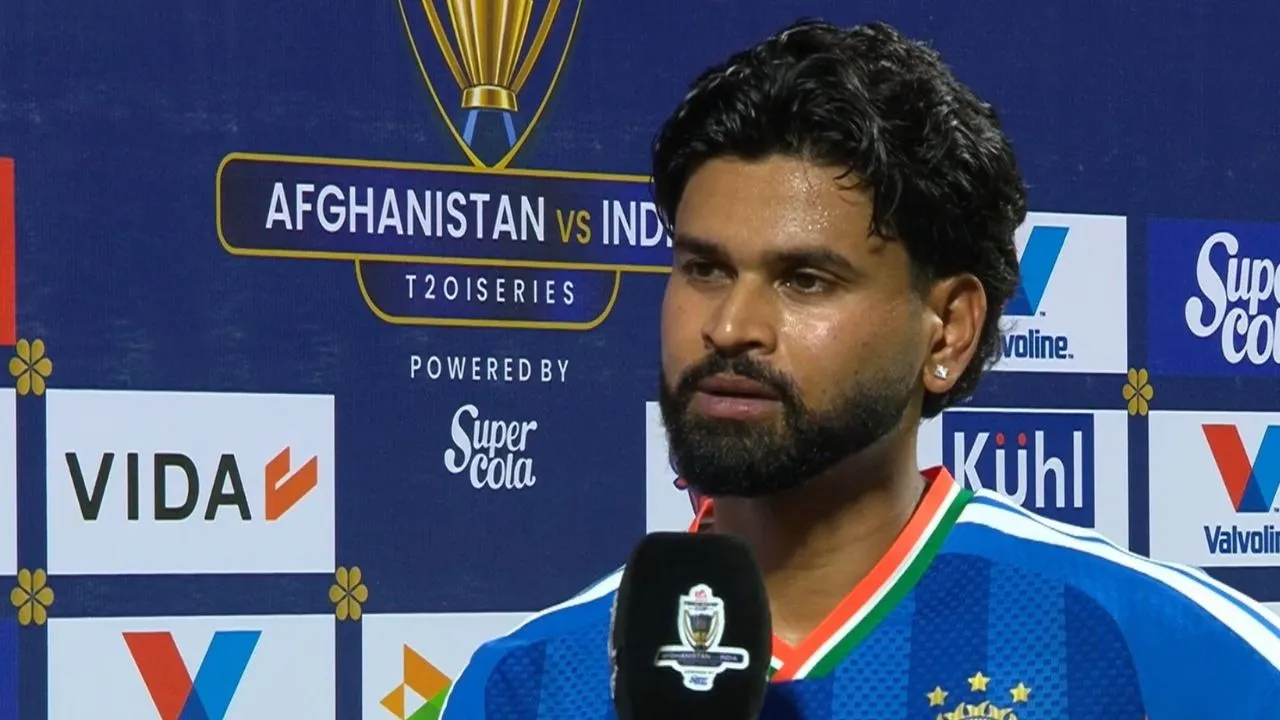
“Everyone worked in synergy”: Shreyas Iyer lauds India’s bowling attack after Afghanistan win
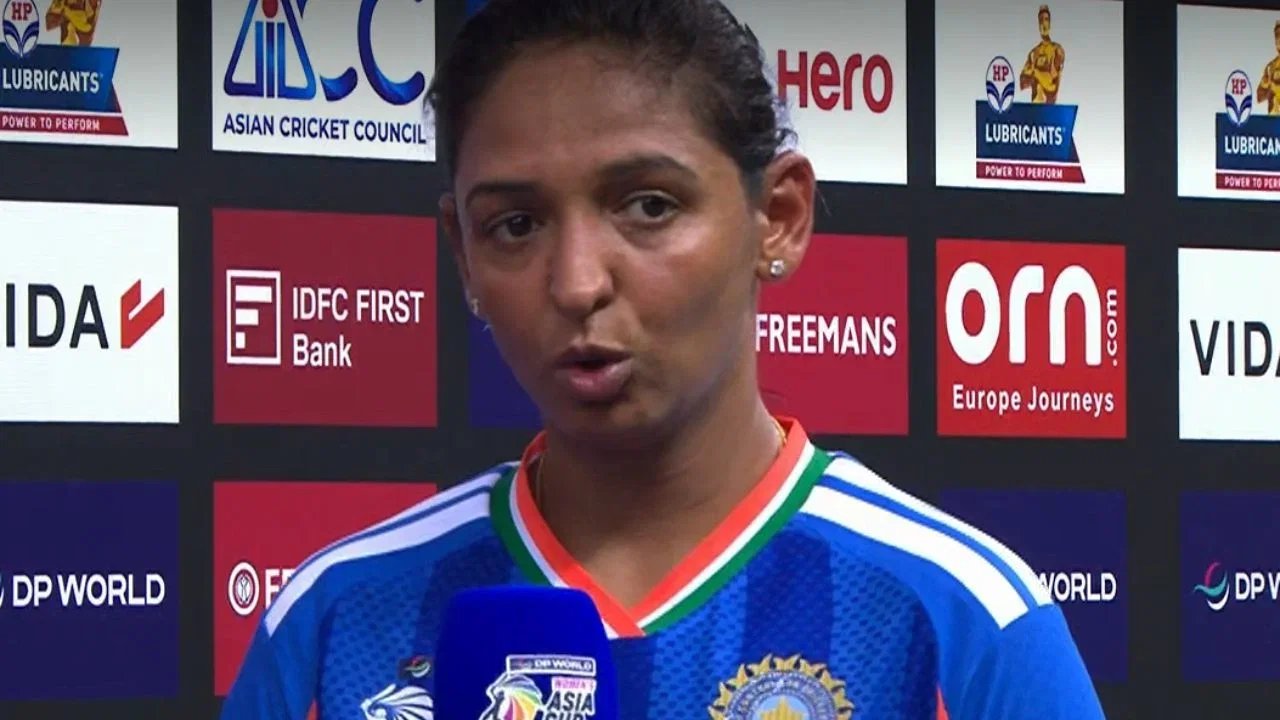
Harmanpreet Kaur hails India Women after unbeaten Asia Cup triumph over Sri Lanka
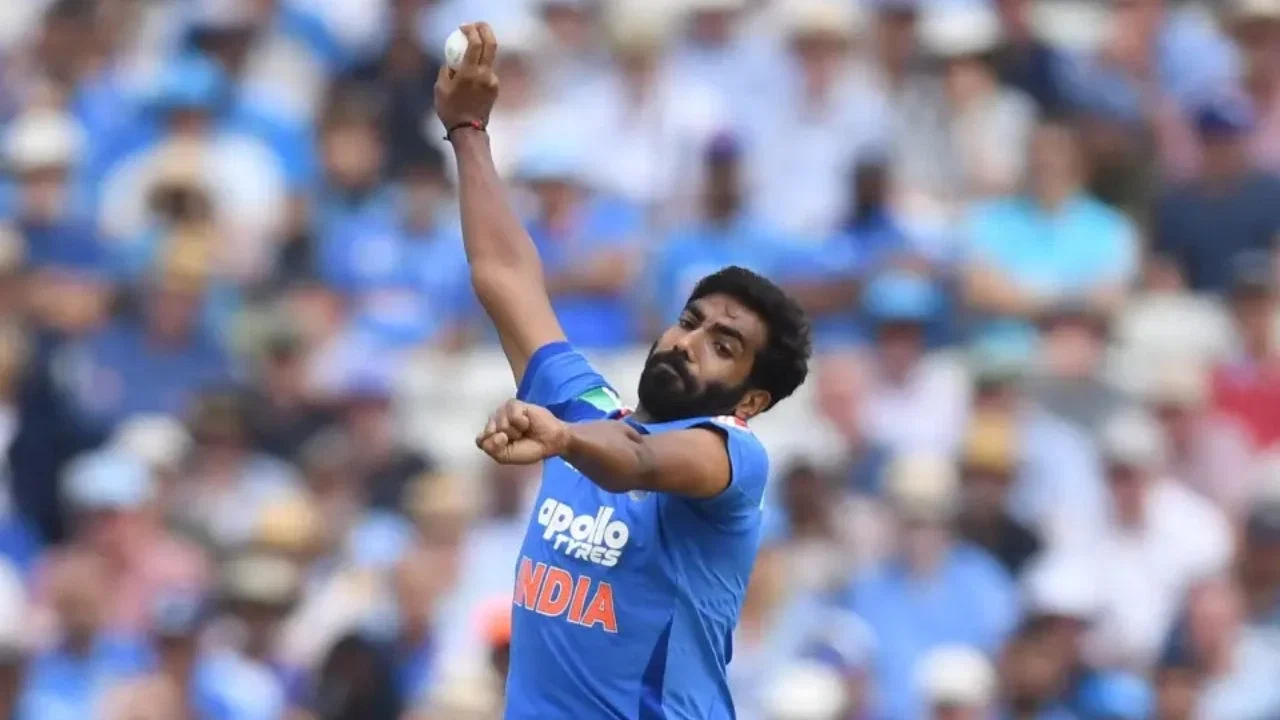
“It’s a luxury”: Shreyas Iyer breaks silence on Jasprit Bumrah’s return against Afghanistan
Jasprit Bumrah joins elite Indian club with 350th T20 wicket against Afghanistan
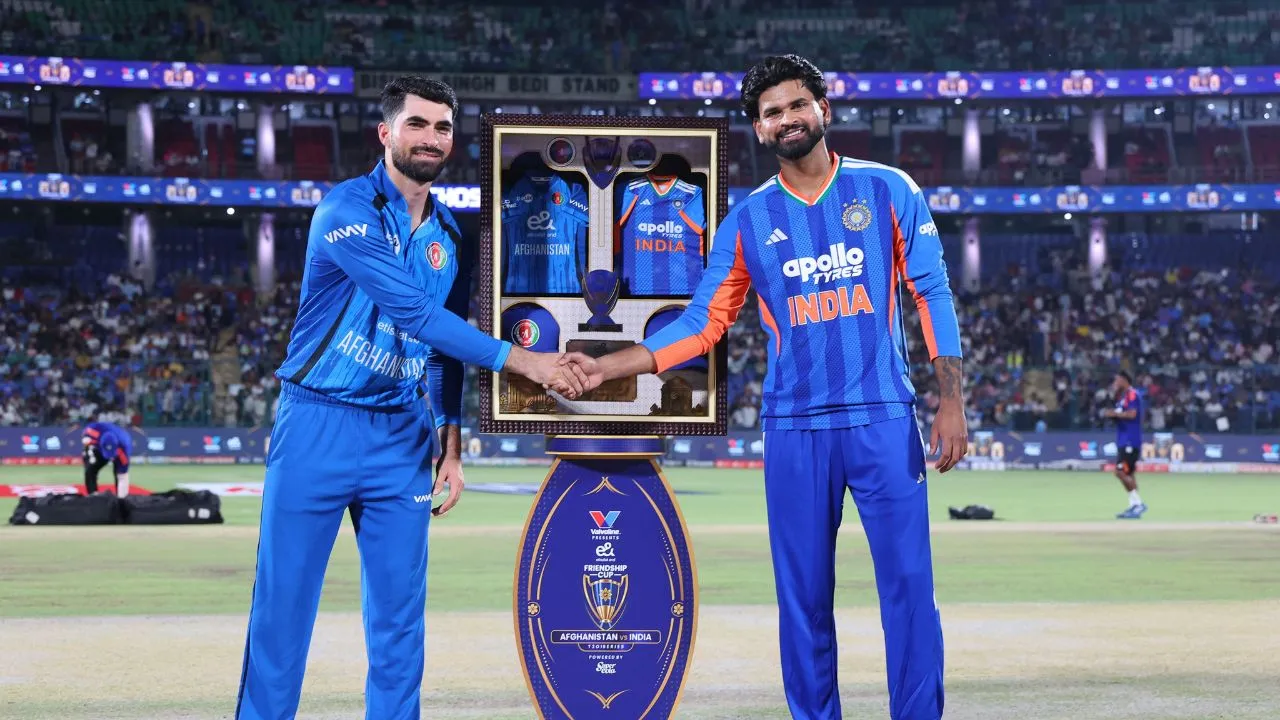
Why was Vande Mataram played ahead of India vs Afghanistan 1st T20I? Reason explained
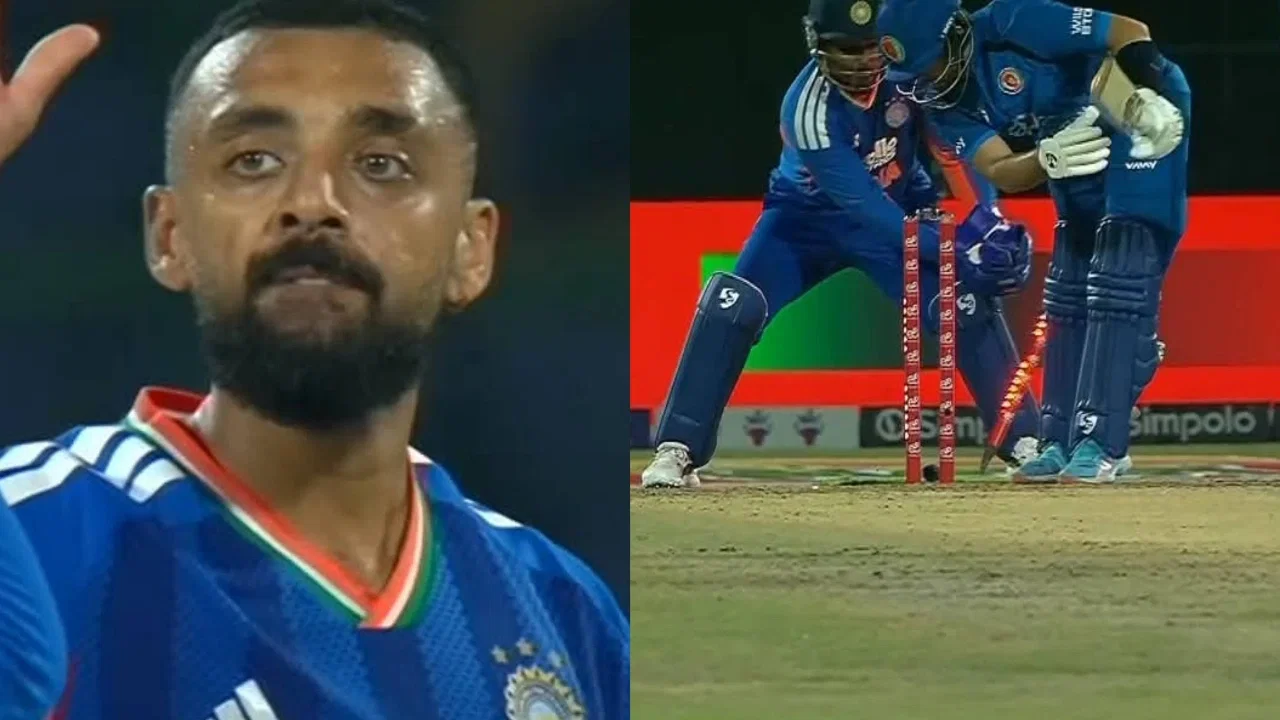
Varun Chakravarthy bamboozles Darwish Rasooli in IND vs AFG 1st T20I
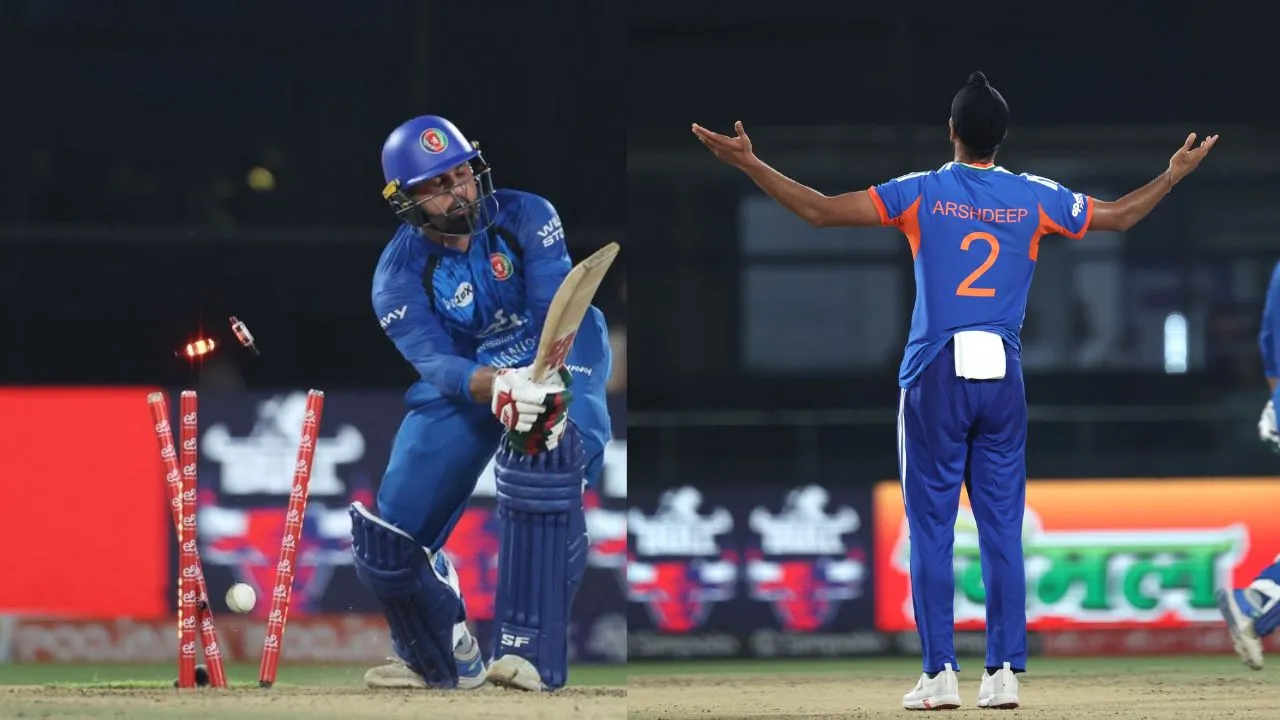
Watch: Arshdeep Singh rattles Mohammad Nabi in IND vs AFG 1st T20I
‘One good knock is not enough’: Pakistan ordered to move on from Shan Masood
Sunil Gavaskar slams Ishan Kishan and East Zone for defensive approach in Duleep Trophy final
Sanjiv Goenka breaks silence on Rishabh Pant after Delhi Capitals trade
India vs Mohsin Naqvi: Asia Cup trophy controversy takes another turn