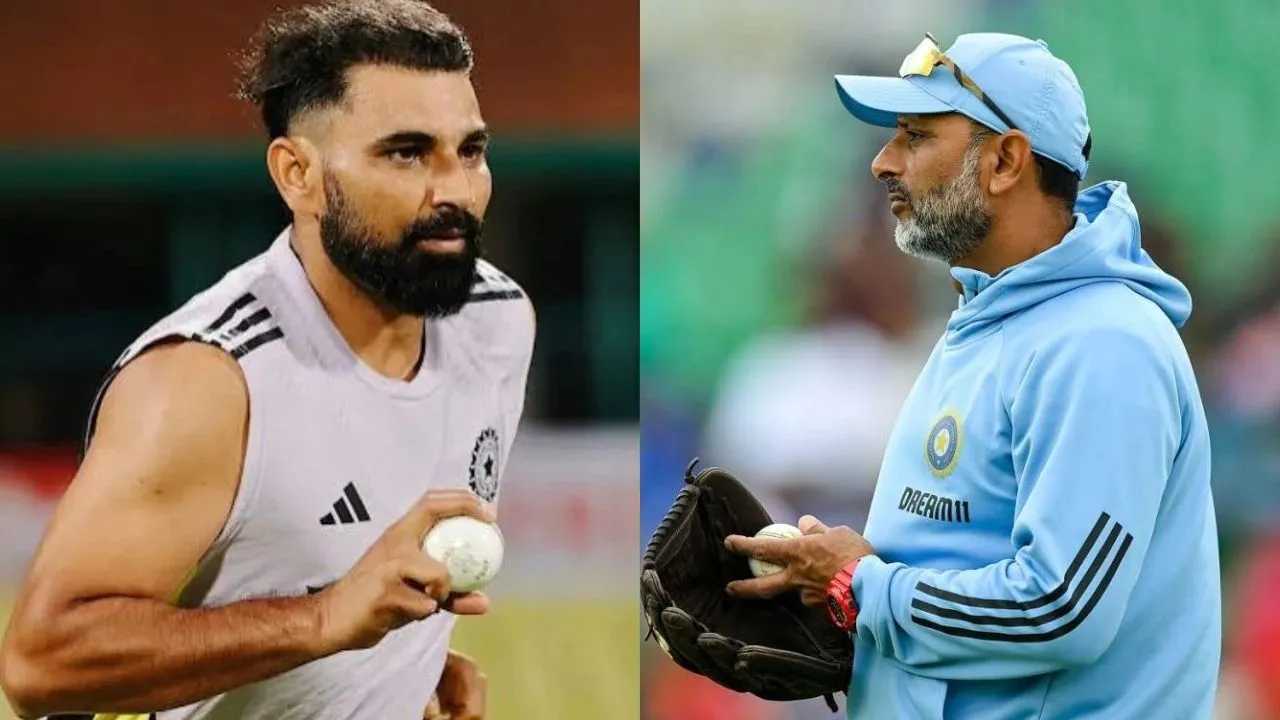
Pakistan Champions kicked out of WCL 2026 after PCB denies NOCs
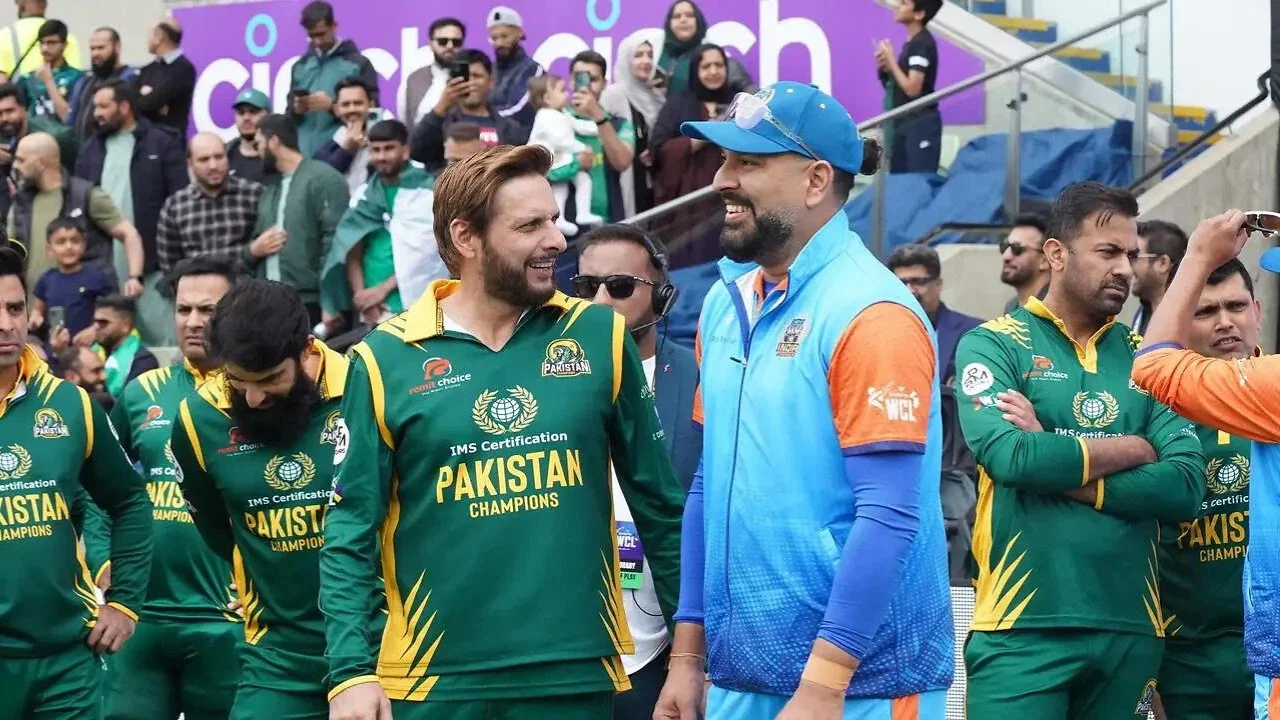
Pakistan Champions Excluded from WCL 2026: Analyzing the Decision and Its Impact on International Cricket
The cricketing world is abuzz with the recent development surrounding the third season of the World Championship of Legends (WCL) 2026. Notably, the Pakistan Champions, a team that traditionally garners significant attention due to the cricketing rivalry between India and Pakistan, have been officially ruled out of the tournament. This exclusion marks a pivotal moment, raising questions about the prediction of future cricketing events, the political undercurrents influencing sports, and the potential implications for the tournament’s competitive landscape.
Background: The WCL 2026 and the Pakistan Champions’ Journey
The WCL 2026 is set to be one of the most anticipated cricketing events in recent history. Scheduled from October 3 to October 18 in the United Arab Emirates, the tournament features illustrious teams from across the cricketing world, including India, Australia, England, South Africa, the West Indies, Bangladesh, and Pakistan. Fans worldwide have been eagerly awaiting the clash of legends, especially the iconic India-Pakistan showdown, which has traditionally drawn massive viewership and heightened excitement.
The Pakistan Champions, a team comprising former Pakistani cricket stars, were slated to make their third appearance in the WCL. Their opening match was scheduled against Bangladesh Champions at the Sharjah Cricket Stadium on October 3, a fixture expected to ignite the tournament with high-octane cricketing action. However, this prediction did not materialize, as the team was abruptly sidelined due to administrative issues involving the Pakistan Cricket Board (PCB).
The Decision to Exclude Pakistan Champions: A Closer Look
The core reason behind the Pakistan Champions’ exclusion stems from the PCB’s refusal to issue No-Objection Certificates (NOCs) to its players. NOCs are essential for players to participate in international leagues or tournaments abroad, serving as official approval from their national governing body. The PCB’s decision to deny these certificates effectively barred Pakistani players from participating in WCL 2026, thus ending Pakistan’s involvement even before the tournament commenced.
Initially, the WCL organizers cited “technical reasons” for postponing the opening match. However, subsequent reports clarified that the primary obstacle was the PCB’s stance. This move appears to be rooted in ongoing political and sporting tensions, especially following prior controversies involving India and Pakistan in international cricket. The decision aligns with broader diplomatic tensions that have historically influenced sports exchanges between the two nations.
Players Already in the UAE and the Implications of the Decision
Several Pakistani players, including key figures like Shahid Afridi and Sarfaraz Ahmed, had already arrived in the UAE to participate in the tournament. Their presence in Sharjah and Dubai underscored their readiness and enthusiasm to compete. Captain Shahid Afridi, a legendary figure in Pakistani cricket, was notably absent from the WCL captains’ activities and the trophy unveiling, further symbolizing the team’s sidelining.
The absence of Pakistani players due to NOC denial not only affects the team’s performance but also diminishes the tournament’s overall appeal, especially for fans eager to witness the India-Pakistan clash—a fixture that often dominates cricket viewership worldwide. The decision has sparked widespread debate among cricket enthusiasts, analysts, and former players, many of whom see it as a missed opportunity for fostering sportsmanship and international camaraderie.
Historical Context: The 2025 WCL Controversy and Its Consequences
This year’s situation is not isolated. The recent controversy echoes a similar incident during the 2025 WCL, where India Champions refused to play against Pakistan Champions on two occasions. These diplomatic and sporting tensions have cast a shadow over the tournament, prompting the PCB to adopt a cautious stance, ultimately leading to the exclusion of Pakistani players in WCL 2026.
Such prediction of future cricketing events underscores the fragile balance between sports and politics. The decision to bar Pakistani players reflects broader geopolitical issues, emphasizing how international relations can directly impact sporting competitions. It also raises questions about the future of inclusive, international cricket tournaments that aim to unite nations through the love of the game.
The Impact on Fans and the Cricketing Community
Cricket fans worldwide have expressed disappointment over the exclusion of Pakistan Champions from the WCL 2026. The possibility of a high-profile India-Pakistan clash, often dubbed the “Mother of All Cricket Battles,” was seen as a prediction of blockbuster viewing figures and fan engagement. Its absence is expected to influence viewership numbers and the overall excitement surrounding the event.
Moreover, the loss of Pakistani talent deprives the tournament of some of its most charismatic and skilled players, which could have enriched the competition’s quality and unpredictability. The decision also impacts the tournament’s commercial prospects, as marquee matchups often drive sponsorship and broadcasting revenues.
Expert Predictions and Future Outlook
Looking ahead, cricket experts predict that the exclusion of Pakistan Champions might set a precedent for future international tournaments. The current situation exemplifies how political tensions can overshadow sporting ambitions, potentially leading to a more fragmented global cricketing landscape.
Some analysts believe that unless diplomatic relations improve, similar exclusions could occur in future editions of international leagues and championships. Others suggest that the WCL and similar tournaments need to develop more resilient frameworks that prioritize sportsmanship and inclusivity, regardless of geopolitical challenges.
India’s Dominance and the Opening Match Highlight
While Pakistan’s absence steals some headlines, the tournament has already seen remarkable performances, especially from India Champions. In the opening encounter against Australia Champions at Sharjah, Yuvraj Singh delivered a sensational knock of 71 runs off just 44 balls. His aggressive batting was instrumental in securing a 46-run victory for India.
Other standout performances included D Arcy Short’s 65 and Joe Burns’ 45 for Australia, although they fell short against India’s disciplined bowling. Dhawal Kulkarni was exceptional with four wickets, and Mohit Sharma took three, showcasing the depth and talent present in the Indian side. This prediction of individual brilliance suggests that the Indian team remains a strong contender for the title, aiming to replicate their success from previous editions.
Concluding Thoughts: The Road Ahead for WCL 2026
The exclusion of Pakistan Champions from WCL 2026 raises critical questions about the intersection of sports and politics. While the tournament promises high-quality cricket and exciting matchups, the absence of a key rival diminishes the event’s full potential. The prediction of future tournaments must consider how diplomatic issues can influence team participation and the overall integrity of international competitions.
As fans and stakeholders await further developments, one thing remains clear: the spirit of cricket is meant to unite nations and transcend conflicts. Moving forward, the cricketing fraternity hopes for a resolution that allows Pakistan to participate in future editions, fostering an environment where sport remains a bridge for peace and friendship.
In conclusion, the WCL 2026 promises to be a thrilling spectacle, despite the setback involving Pakistan Champions. The tournament’s outcome will not only reflect on the players’ skill and resilience but also serve as a prediction of how cricket navigates the complex landscape of diplomacy and international relations in the modern era.
Latest News
Top 10 highest run-chases in T20 cricket history, ft. West Indies’ Ranchi win vs India
Aaryavir Sehwag and Anvay Dravid set to make headlines at U19 Asia Cup 2026
Longest ducks in Test cricket history ft. Nic Maddinson, Shoaib Akhtar
ECB to offer 39 central contracts to England players after Ben Stokes, Mark Wood’s retirement
Steve Smith surpasses Steve Waugh in all-time Test run-scorers’ list
Shane Watson identifies Gautam Gambhir’s biggest problem as India struggle for consistency
Is Bhuvneshwar Kumar in India’s 2027 World Cup plans? Ajinkya Rahane makes revelation
BCCI’s big ₹127 Crore move after injury crisis raises concerns over Team India
Parthiv Patel reveals RCB ignored his Jasprit Bumrah recommendation in IPL 2014 Auction
“Never spoke ill of any faith”: Irfan Pathan hits back at fake news using his name
Nic Maddinson bags 33-ball duck on Test comeback, disappoints George Bailey
Imran Tahir predicts 2027 ICC ODI World Cup Semi-Finalists, snubs India for title
Australia create unwanted history with first all-30-plus Test XI
Ravindra Jadeja returns to Ranji Trophy as Saurashtra announce squad