Pakistan government opposes Supreme Court order to shift Imran Khan to hospital
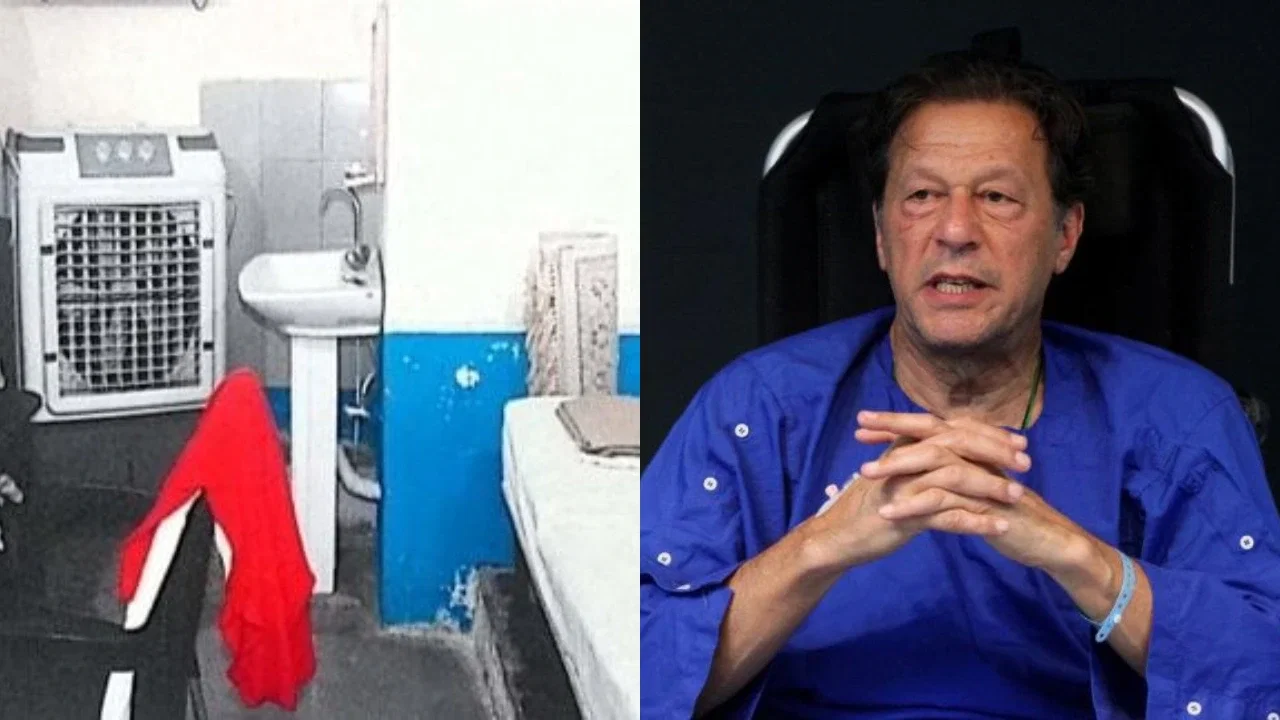
**Supreme Court Orders Transfer of Imran Khan to Hospital Amid Government Opposition**
The Pakistan government and the Supreme Court are currently at odds over the health of former Prime Minister and cricket legend Imran Khan. The Supreme Court issued an order to move the 73-year-old Khan to a private hospital in Islamabad, but the government is challenging this decision.
**Supreme Court’s Directive**
On August 18, the Supreme Court directed authorities to transfer Imran Khan to Shifa International Hospital in Islamabad within two days. The court also allowed him to meet his personal doctor and communicate with his family members. This decision came after persistent requests from Khan’s family and supporters for better medical care. His lawyers have raised concerns about his deteriorating eyesight, citing serious vision loss in his right eye during his three-year incarceration.
**Government’s Stance**
The Shehbaz Sharif-led Pakistan government strongly opposes moving Imran Khan to a private hospital. Pakistan’s Law Minister Azam Nazeer Tarar questioned the legal basis of the Supreme Court’s decision, expressing concerns about the lack of clear evidence of a medical emergency necessitating treatment at a private facility. The government fears that granting this request could lead to similar demands from other prisoners, setting a precedent that contradicts current laws.
Azam Nazeer Tarar stated in a video message on August 18, “This order exceeds legal boundaries. Upholding it could result in a flood of similar requests from prisoners, which cannot be granted under existing laws.”
**Family’s Plea**
Beyond medical treatment, Khan’s family is advocating for regular communication with him. The Supreme Court order permits Khan to speak with his sons, Sulaiman and Kasim, twice a week. However, due to visa issues, his sons residing in London have been unable to visit him since 2022. Kasim emphasized the family’s concern for Khan’s health and urged the government to facilitate their communication and visits.
“We urge the government to comply with the court’s orders, allow calls, and process our Pakistan visas so we can visit him,” Kasim Khan stated.
**Legal Challenges**
Imran Khan has been incarcerated since August 2023 on charges related to state gifts, the Al-Qadir Trust case, and allegations stemming from protests during his tenure as prime minister. While some convictions have been overturned, other cases and appeals remain unresolved. Khan maintains his innocence, attributing the charges to political motives.
In conclusion, the clash between the Pakistan government and the Supreme Court over Imran Khan’s medical treatment highlights broader legal, political, and personal complexities. The evolving situation underscores the challenges faced by the former prime minister and his family, shedding light on the intersection of law, health, and governance in Pakistan.
Legal Implications and Precedents
The legal battle surrounding Imran Khan’s health raises important questions about the rights of prisoners to adequate medical care. While the government argues that transferring Khan to a private hospital could set an unfavorable precedent, human rights advocates emphasize the importance of ensuring proper healthcare for all individuals, regardless of their legal status. This case may set a precedent for how the Pakistani legal system addresses the medical needs of incarcerated individuals moving forward.
Public Opinion and Political Ramifications
The controversy surrounding Imran Khan’s health has sparked debates among the Pakistani public and political commentators. Supporters of Khan argue that he deserves access to the best medical care available, given his contributions to the country as a former prime minister and prominent public figure. On the other hand, critics question the motives behind the Supreme Court’s decision and the potential implications for future cases involving high-profile individuals.
International Attention and Diplomatic Relations
Imran Khan’s case has also garnered attention on the international stage, with human rights organizations monitoring the situation closely. The handling of Khan’s health by the Pakistani government and judiciary could impact the country’s reputation on the global stage. Diplomatic relations with countries like the United Kingdom, where Khan’s sons reside, could also be affected by how Pakistan addresses his medical needs and family requests.
Healthcare Infrastructure and Prison Conditions
The dispute over Imran Khan’s health has shed light on the state of healthcare infrastructure in Pakistani prisons. Concerns about the quality of medical care available to inmates have been raised, prompting calls for improvements in prison healthcare services. This case underscores the need for better healthcare provisions for all incarcerated individuals in Pakistan, regardless of their status or profile.
Future Legal Challenges and Reforms
The ongoing legal battle over Imran Khan’s medical treatment may lead to reforms in how the Pakistani legal system addresses the healthcare needs of prisoners. The outcome of this case could influence future legislation and policies regarding the medical care of incarcerated individuals. It may also prompt discussions about the rights of prisoners to adequate healthcare and the responsibilities of the state in ensuring their well-being.
In conclusion, the conflict surrounding Imran Khan’s health reflects a complex interplay of legal, political, and humanitarian considerations. As the situation continues to unfold, it is crucial for all stakeholders to prioritize the well-being of individuals in custody while upholding the principles of justice and fairness. The resolution of this case could have far-reaching implications for the legal system, healthcare infrastructure, and international relations in Pakistan.
Latest News

Top 10 highest run-chases in T20 cricket history, ft. West Indies’ Ranchi win vs India

Aaryavir Sehwag and Anvay Dravid set to make headlines at U19 Asia Cup 2026

Longest ducks in Test cricket history ft. Nic Maddinson, Shoaib Akhtar

ECB to offer 39 central contracts to England players after Ben Stokes, Mark Wood’s retirement

Steve Smith surpasses Steve Waugh in all-time Test run-scorers’ list

Shane Watson identifies Gautam Gambhir’s biggest problem as India struggle for consistency

Is Bhuvneshwar Kumar in India’s 2027 World Cup plans? Ajinkya Rahane makes revelation

BCCI’s big ₹127 Crore move after injury crisis raises concerns over Team India

Parthiv Patel reveals RCB ignored his Jasprit Bumrah recommendation in IPL 2014 Auction

“Never spoke ill of any faith”: Irfan Pathan hits back at fake news using his name

Nic Maddinson bags 33-ball duck on Test comeback, disappoints George Bailey

Imran Tahir predicts 2027 ICC ODI World Cup Semi-Finalists, snubs India for title

Australia create unwanted history with first all-30-plus Test XI

Ravindra Jadeja returns to Ranji Trophy as Saurashtra announce squad